
Drone Photography on Safari: Rules & Best Locations
October 1, 2026
Arusha Tanzania Guide
October 2, 2026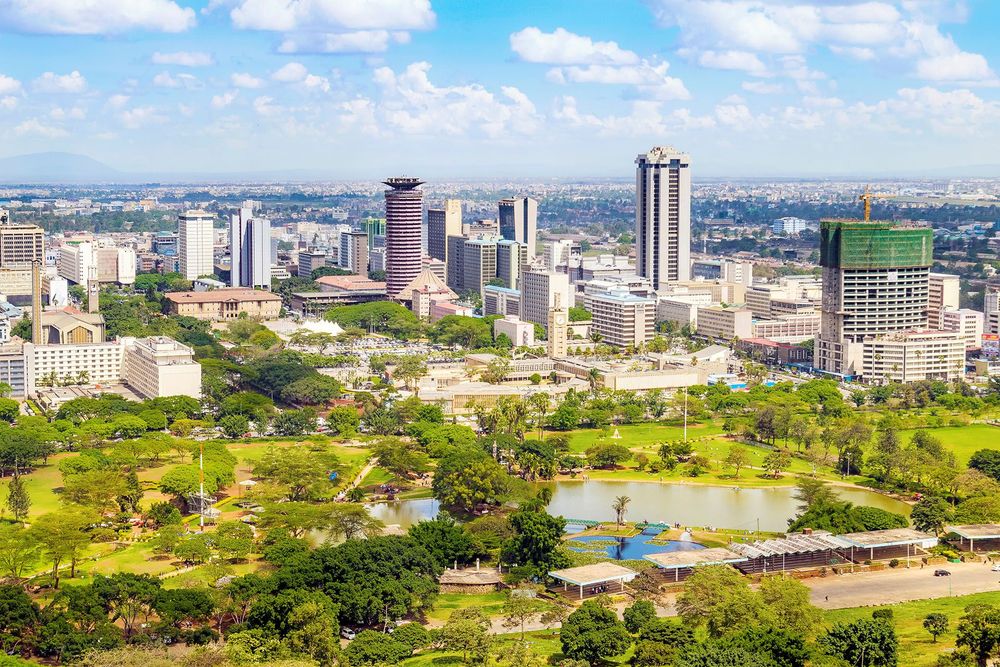
Nairobi City Guide: Safari Capital of East Africa.
Nairobi is unlike almost any other capital city in the world. Modern office towers, busy shopping districts and international hotels sit remarkably close to open savannah where lions, giraffes, rhinos and buffalo still roam. For many international visitors, Nairobi is also the beginning or end of an unforgettable East African safari.
This Nairobi city guide Kenya travellers can use before or after safari explores much more than airport connections. Nairobi deserves time of its own. The city combines wildlife conservation, Kenyan history, contemporary culture, excellent restaurants and convenient connections to some of East Africa’s most celebrated wilderness areas.
Why Visit Nairobi?
Nairobi is Kenya’s political, economic and transportation centre, but its appeal to travellers extends well beyond its role as a capital. It is one of the primary gateways for safaris to the Masai Mara, Amboseli, Samburu, Laikipia and numerous other destinations.
The city also provides an unusual opportunity to begin wildlife viewing before leaving the metropolitan area. Nairobi National Park lies immediately outside the urban centre and provides the famous sight of wild animals against a distant city skyline.
Spending one or two nights in Nairobi can make an itinerary more comfortable. Rather than connecting directly from a long international flight into a demanding safari journey, travellers can rest, explore the city and adjust before continuing into the bush.
Nairobi National Park
Nairobi National Park is one of the city’s defining attractions. Established in 1946, the park protects open grassland, woodland and riverine habitats remarkably close to central Nairobi.
Visitors can encounter rhinos, lions, buffalo, giraffes, zebras, antelopes and numerous bird species. Wildlife sightings vary naturally, but the possibility of photographing animals with Nairobi’s skyline in the background creates an experience found in few other African cities.
Morning game drives are particularly appealing because temperatures are generally cooler and wildlife can be more active. The park can be visited as a half-day excursion, making it practical for travellers with limited time.
Although Nairobi National Park is considerably smaller than Kenya’s major safari reserves, it should not be dismissed as merely an urban attraction. It represents an important protected ecosystem and provides an excellent introduction to Kenyan wildlife.
Visit the Giraffe Centre
The Giraffe Centre is another popular stop for visitors interested in conservation. It is closely associated with efforts to protect the endangered Rothschild’s giraffe and provides educational information about giraffe conservation.
Elevated platforms allow visitors to observe giraffes at close range. This makes the centre especially popular with families and photographers.
A visit can easily be combined with other attractions in the Karen area, reducing unnecessary travel through Nairobi’s frequently busy traffic.
David Sheldrick Wildlife Trust
Wildlife conservation has become an important part of Nairobi’s tourism identity. The Sheldrick Wildlife Trust is internationally known for its work involving orphaned elephants and other wildlife.
Access arrangements and visiting procedures can change, so travellers should confirm current booking requirements before planning their visit.
The experience also provides an opportunity to understand some of the conservation challenges affecting elephants and other wildlife in Kenya rather than viewing safari purely as entertainment.
Karen Blixen Museum
Travellers interested in East African history and literature can visit the Karen Blixen Museum. The property was once home to Danish author Karen Blixen, known for the memoir associated with Out of Africa.
The museum preserves elements of the colonial-era farmhouse and provides insight into Blixen’s life in Kenya.
The surrounding Karen neighbourhood is one of Nairobi’s greener areas and contains restaurants, craft centres and other attractions. Combining several locations here can create an enjoyable full-day Nairobi excursion.
Explore Nairobi’s Museums
The Nairobi National Museum provides broader context for understanding Kenya. Exhibits cover natural history, culture, archaeology and the country’s diverse communities.
Visiting a museum before beginning a safari can add depth to the journey. Kenya is far more than its famous wildlife reserves, and understanding some of its history and cultural diversity can make subsequent travel more meaningful.
Art galleries and cultural spaces throughout the city also showcase modern Kenyan creativity. Nairobi has a growing contemporary arts scene that provides a different perspective from the traditional safari image of Kenya.
Where to Stay in Nairobi
Nairobi offers accommodation ranging from inexpensive guesthouses to internationally recognized luxury hotels.
For travellers arriving or departing internationally, accommodation near Jomo Kenyatta International Airport can be convenient, particularly when flights operate early in the morning or late at night.
Westlands is another popular area because of its hotels, restaurants, shopping centres and business facilities. It works particularly well for travellers who want easy access to modern city amenities.
Karen provides a quieter atmosphere. Its leafy surroundings and proximity to attractions such as the Giraffe Centre make it attractive to safari travellers who prefer a relaxed transition between city and wilderness.
Choosing accommodation should depend primarily on the itinerary. Nairobi traffic can significantly increase transfer times, so location is often more important than simply selecting the hotel with the lowest rate.
Eating in Nairobi
Nairobi has one of East Africa’s most diverse restaurant scenes. Visitors can find Kenyan cuisine alongside Indian, Ethiopian, Middle Eastern, Italian, Asian and international dishes.
Trying local food can be one of the most enjoyable parts of spending additional time in the city. Nyama choma, meaning roasted meat, is particularly associated with Kenyan social dining. Ugali, vegetables and various grilled dishes are also widely available.
Upscale restaurants in Westlands, Karen and other neighbourhoods provide excellent choices for travellers beginning or finishing luxury safaris.
Coffee is another important part of the experience. Kenya produces internationally respected coffee, and Nairobi contains numerous cafés where travellers can sample locally grown varieties.
Shopping and Souvenirs
Nairobi provides excellent opportunities to purchase Kenyan crafts before returning home. Markets and specialist shops sell beadwork, baskets, textiles, carvings, artwork and jewellery.
Quality varies considerably, so travellers interested in higher-value pieces should purchase from established galleries, cooperatives or reputable craft centres.
Markets can also provide opportunities for interaction with local traders. Bargaining may be appropriate in certain locations, but it should remain respectful.
Getting Around Nairobi
Transportation planning is important because Nairobi is geographically spread out and congestion can be significant.
Safari companies commonly arrange private airport and hotel transfers. This is often the easiest option for international visitors, particularly when carrying luggage or expensive camera equipment.
Ride-hailing services operate within the city and can be useful for independent travellers. Hotels can also arrange trusted taxis and drivers.
When planning several attractions, grouping locations geographically can reduce time spent in traffic. Attractions around Karen, for example, can often be visited during the same excursion.
Jomo Kenyatta International Airport
Jomo Kenyatta International Airport is Kenya’s principal international gateway. It handles flights connecting Nairobi with cities across Africa, Europe, the Middle East and other regions.
Travellers continuing to safari destinations should pay close attention to which airport their onward flight uses.
Some domestic safari flights depart from Wilson Airport rather than Jomo Kenyatta International Airport. A road transfer between the two may therefore be necessary, and adequate connection time should be allowed.
This detail is particularly important when arranging independent flights. Nairobi traffic can make tight airport transfers risky.
Nairobi as a Safari Gateway
One of Nairobi’s greatest strengths is the number of safari destinations accessible from the city.
The Masai Mara National Reserve can be reached by road or light aircraft. Flying considerably reduces travel time and is particularly useful for shorter itineraries.
Amboseli National Park can also be reached from Nairobi and is famous for elephants and, when conditions are clear, impressive views toward Mount Kilimanjaro.
Laikipia’s conservancies provide another possibility, particularly for travellers interested in private conservancies, walking experiences and conservation-focused safaris.
Samburu offers distinctive northern Kenyan scenery and wildlife, while destinations such as Lake Nakuru can be incorporated into longer road itineraries.
How Many Days Should You Spend in Nairobi?
One full day is enough to experience several of Nairobi’s best-known attractions, especially when transfers are carefully organized.
Two nights provide a more comfortable introduction. Travellers can visit Nairobi National Park in the morning and explore conservation attractions, museums or restaurants later.
Additional time may appeal to visitors interested in culture, food, history and contemporary urban Kenya.
Nairobi should therefore not automatically be treated as somewhere to leave immediately after landing. Incorporating the city intentionally can make the entire safari itinerary feel less rushed.
Best Time to Visit Nairobi
Nairobi can be visited throughout the year. Its elevation gives it a relatively moderate climate compared with many lower-altitude areas of East Africa.
Weather patterns include wetter and drier periods, although conditions vary between years. Travellers combining Nairobi with a safari should usually choose travel dates according to the wildlife destinations forming the main part of their itinerary rather than Nairobi alone.
Cool mornings can occur, particularly at certain times of year. A light jacket is useful for early game drives and evenings.
Safety and Practical Travel Advice
As in any major international city, visitors should take normal urban precautions. Expensive jewellery and large amounts of visible cash are best avoided, particularly in crowded places.
Use reputable transportation and follow current advice from your hotel, tour operator or guide regarding areas being visited.
Travellers carrying professional cameras should be particularly conscious of their surroundings when photographing in busy urban locations.
Nairobi is a large and complex city rather than simply a safari stop. Travelling with informed local arrangements can make exploring it considerably easier.
Combining Nairobi With a Kenya Safari
Nairobi fits naturally into almost every Kenya itinerary.
A typical journey might begin with one or two nights in the city before continuing to Amboseli, Samburu or the Masai Mara. Another itinerary might use Nairobi only for an overnight connection between different safari regions.
Travellers combining Kenya with Tanzania can also connect through Nairobi, although border crossings and flight arrangements should be planned carefully.
For visitors continuing to Uganda or Rwanda for gorilla trekking, Nairobi’s regional flight connections make it an important East African hub.
Is Nairobi Worth Visiting?
Nairobi deserves recognition as more than an airport gateway.
Few capitals allow travellers to experience a genuine wildlife area in the morning, explore museums and conservation centres during the afternoon, and dine in a sophisticated international restaurant that evening.
Its contrasts are precisely what make the city interesting.
For safari travellers, spending time here also provides valuable context before entering Kenya’s protected areas. Conservation institutions, museums and local experiences help explain the country behind the wildlife photographs.
A well-planned Nairobi city guide Kenya itinerary can therefore become an important part of the safari itself. Whether you have one afternoon or several days, Nairobi provides wildlife, history, food, culture and convenient access to some of Africa’s greatest safari destinations.