
Harare Zimbabwe Guide
October 2, 2026
Port Louis Mauritius Guide
October 5, 2026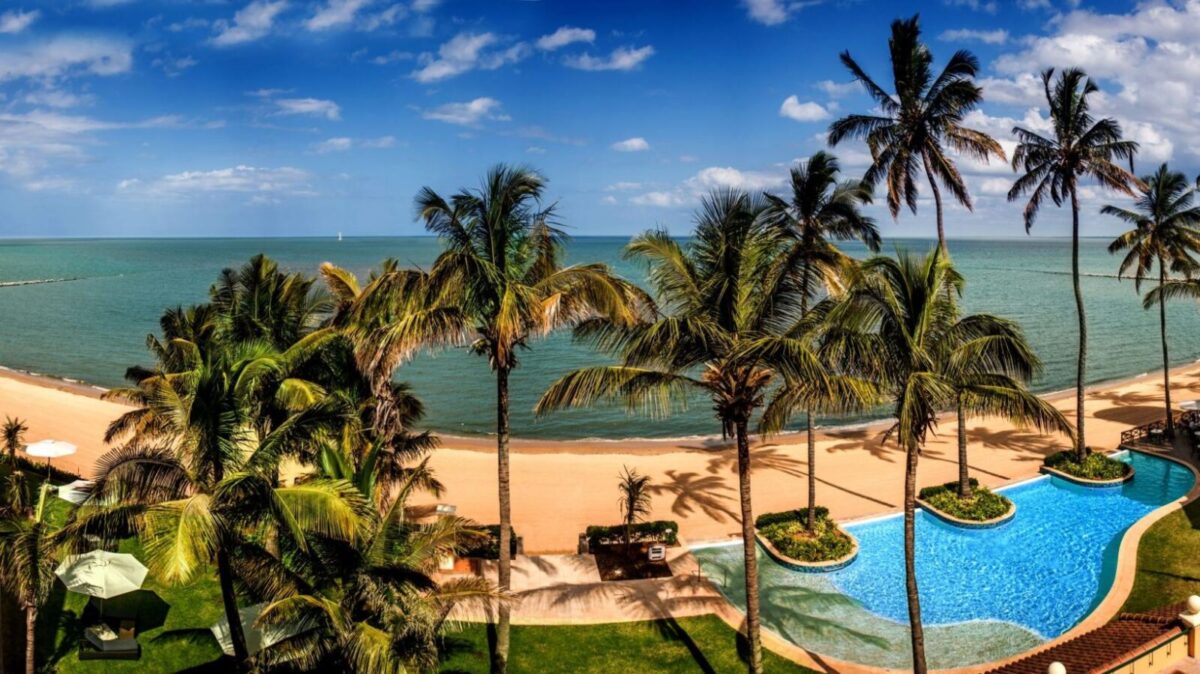
Maputo, Mozambique Guide: Colonial Charm on the Indian Ocean
Maputo is one of southern Africa’s most distinctive capitals. Broad avenues, historic architecture, colorful markets, seafood restaurants, and Indian Ocean influences create a city with an atmosphere quite different from the safari capitals farther inland.
This Maputo Mozambique city guide introduces the main experiences travellers can incorporate before continuing to Mozambique’s beaches, islands, or wildlife destinations. Maputo rewards visitors who slow down enough to explore its architecture, food, art, and complex history instead of treating the capital simply as an airport.
Why Visit Maputo?
Maputo lies in southern Mozambique, overlooking Maputo Bay.
Its geographical position has shaped the city for generations, connecting African, Portuguese, and Indian Ocean influences.
For modern travellers, this mixture is visible in architecture, cuisine, language, and street life.
The city also provides a practical entry point for southern Mozambique.
Visitors can begin here before travelling toward coastal resorts, conservation areas, or neighboring South Africa and Eswatini.
Understanding Maputo’s History
Maputo’s architecture reflects different periods of the city’s history.
Portuguese colonial influence remains particularly visible in older buildings and urban design.
Mozambique’s struggle for independence and subsequent national history add further layers to the city.
Exploring with a knowledgeable guide can help visitors understand buildings that might otherwise appear simply decorative.
Historical context is particularly important because architecture often reflects complicated political and social periods rather than merely aesthetic styles.
Maputo Central Railway Station
Maputo’s railway station is one of the city’s best-known architectural landmarks.
Its elegant exterior and historical character make it popular with photographers.
The station remains connected to the city’s transportation history and illustrates Maputo’s longstanding role as a regional port and commercial center.
Visitors interested in architecture can combine it with several other central landmarks during a walking or guided driving tour.
Always remain aware that working transportation spaces serve local passengers first and are not simply tourist attractions.
Maputo Central Market
The Central Market provides a completely different experience.
Fruit, vegetables, spices, and other goods create a colorful environment where travelers can experience everyday commercial life.
Markets are excellent places to observe local ingredients before trying them in restaurants.
Visitors should keep belongings secure and ask permission before taking close photographs of individual traders.
Going with a local guide can make communication and navigation easier.
FEIMA Craft Market
Travellers looking for souvenirs can explore established craft markets such as FEIMA.
Mozambican crafts may include textiles, carvings, artwork, and decorative objects.
The market environment also provides opportunities to interact directly with sellers.
Bargaining may be appropriate, but it should remain respectful.
Visitors buying products made from natural materials should make sure they can legally export and import those items.
Maputo’s Food Culture
Food is one of the strongest reasons to spend additional time in Maputo.
Mozambique’s long coastline provides access to excellent seafood, while Portuguese and African culinary influences combine in distinctive ways.
Prawns are particularly associated with Mozambican dining.
Peri-peri flavors also appear frequently, although preparation styles vary.
Restaurants range from informal local establishments to sophisticated dining venues.
Travellers should try regional dishes rather than eating exclusively at international hotel restaurants.
Seafood in Maputo
Fresh seafood can become one of the highlights of a Maputo stay.
Fish, prawns, crabs, and other seafood appear across restaurant menus.
Ask accommodation staff or trusted local guides for current restaurant recommendations rather than relying exclusively on old online lists.
Popular restaurants can change ownership or quality over time.
Visitors with food allergies should communicate requirements clearly, particularly when shellfish is involved.
Maputo’s Architecture
Architecture enthusiasts can find numerous interesting structures across the city.
Different periods produced buildings ranging from ornate colonial structures to striking modernist designs.
The Cathedral of Our Lady of the Immaculate Conception and other central landmarks contribute to the city’s varied architectural character.
Guided architectural tours can reveal stories that are easy to miss when simply photographing façades.
Maputo is best explored as a living city rather than an open-air museum.
Museums and Cultural Experiences
Museums provide additional context about Mozambique’s history and natural heritage.
Art spaces can also introduce visitors to contemporary Mozambican creativity.
The country’s artistic traditions include painting, sculpture, music, and other forms of expression.
Travellers who spend all their time on beaches miss this important cultural dimension.
Checking current opening hours is advisable because schedules can change.
Where to Stay in Maputo
Maputo offers accommodation ranging from modest guesthouses to upscale international hotels.
Waterfront areas can provide attractive views and convenient access to restaurants.
Business districts contain modern hotels suitable for travelers wanting predictable facilities.
Visitors primarily interested in historical exploration may prefer locations with easier access to central attractions.
Airport transfer time should also be considered, particularly for early departures.
Maputo International Airport
Maputo International Airport serves the capital and provides domestic and regional connections.
Travellers continuing toward Mozambique’s beach destinations may use domestic flights depending on the location.
Mozambique is geographically long, making road travel between distant regions extremely time-consuming.
For itineraries involving northern Mozambique, flying can be much more practical.
Always examine the complete transportation plan before booking accommodation and activities.
Maputo Special Reserve and Surrounding Nature
Southern Mozambique provides opportunities to combine Maputo with wildlife and coastal environments.
Protected landscapes in the wider region can create an interesting transition between city and wilderness.
Access conditions and tourism infrastructure should be confirmed when planning because conservation areas can change operational arrangements.
Visitors should use experienced operators rather than assuming every destination can be reached easily with an ordinary rental vehicle.
Road conditions vary substantially.
Maputo and South Africa
Maputo is relatively close to the South African border, making cross-border itineraries possible.
Travellers can combine Mozambique’s capital and coastline with wildlife destinations in northeastern South Africa.
Kruger National Park is an obvious possibility within a broader regional itinerary.
Border procedures, vehicle permissions, and visas must be researched carefully.
Rental vehicles cannot automatically be taken across international borders without authorization.
Maputo and Eswatini
Eswatini can also be incorporated into an overland journey involving southern Mozambique.
The combination provides contrasting cultural and landscape experiences within relatively manageable distances.
Again, travellers should check border opening times and documentation before departure.
An itinerary should allow flexibility rather than relying on extremely tight schedules around international crossings.
Beaches Near Maputo
Mozambique’s coastline is one of its greatest attractions.
Travellers can use Maputo as the beginning of a longer beach journey.
Different coastal destinations offer swimming, diving, fishing, snorkeling, and relaxation.
Ocean conditions vary by location and season, so travelers should select destinations according to their interests.
Those seeking remote island experiences may need domestic flights and boat transfers rather than road travel from the capital.
Best Time to Visit Maputo
Maputo can be visited throughout the year, but temperatures and rainfall vary.
Travellers should choose dates according to the broader itinerary, particularly when combining the city with beaches or wildlife destinations.
Hotter and more humid conditions may affect how much city walking feels comfortable.
Early mornings and late afternoons can be better for outdoor exploration during warmer periods.
Sun protection and hydration remain important.
How Many Days in Maputo?
Two nights provide a useful introduction.
A full day can include architecture, markets, cultural attractions, and a memorable seafood dinner.
Three nights allow a more relaxed experience or an excursion beyond the city.
Travellers continuing directly to beaches may prefer a shorter stay, while those interested in food and architecture can easily justify additional time.
Avoid treating every capital simply as somewhere to sleep between flights.
Safety and Practical Travel Advice
Use ordinary precautions appropriate to a major city.
Keep expensive equipment secure and avoid displaying large amounts of cash.
Use trusted transportation, particularly after dark.
Hotels and established local operators can provide current guidance about areas being visited.
When photographing architecture or street scenes, remain aware of surroundings rather than concentrating exclusively on the camera.
Language in Maputo
Portuguese is Mozambique’s official language and is widely used in Maputo.
English may be spoken within tourism businesses, but it should not be assumed everywhere.
Learning a few basic Portuguese phrases can improve everyday interactions.
Local languages are also spoken across Mozambique, reflecting the country’s cultural diversity.
Visitors should approach language differences with patience rather than expecting everyone involved in tourism to communicate fluently in English.
Combining Maputo With a Safari
Maputo can work particularly well within a safari-and-beach itinerary.
Travellers might begin with wildlife experiences in South Africa before crossing into Mozambique for city culture and coastal relaxation.
Alternatively, they can begin in Maputo and continue toward Mozambican conservation areas and beaches.
More ambitious itineraries can use domestic flights to connect distant parts of the country.
The best route depends on available days and whether wildlife, diving, beaches, food or culture is the main priority.
Responsible Travel in Mozambique
Respect local communities and ask permission before photographing individuals.
Choose responsible marine activities that avoid damaging reefs and disturbing wildlife.
Do not purchase products made from protected species.
Reduce plastic waste, particularly when travelling to beaches and islands where waste management can be challenging.
Supporting locally owned restaurants, guides and craft producers can help distribute tourism income more widely.
Is Maputo Worth Visiting?
Maputo deserves more than a hurried transfer between airport and hotel.
Its combination of architecture, markets, seafood, art and Indian Ocean atmosphere makes it one of southern Africa’s most characterful capitals.
It also provides cultural contrast before or after a wildlife safari.
A carefully planned Maputo Mozambique city guide itinerary can include historical exploration during the day, seafood in the evening and onward travel toward some of the Indian Ocean’s most attractive coastlines.
Mozambique is much more than its beaches, and Maputo is one of the best places to begin understanding why.