Lusaka Zambia Guide
October 2, 2026
Maputo Mozambique Guide
October 5, 2026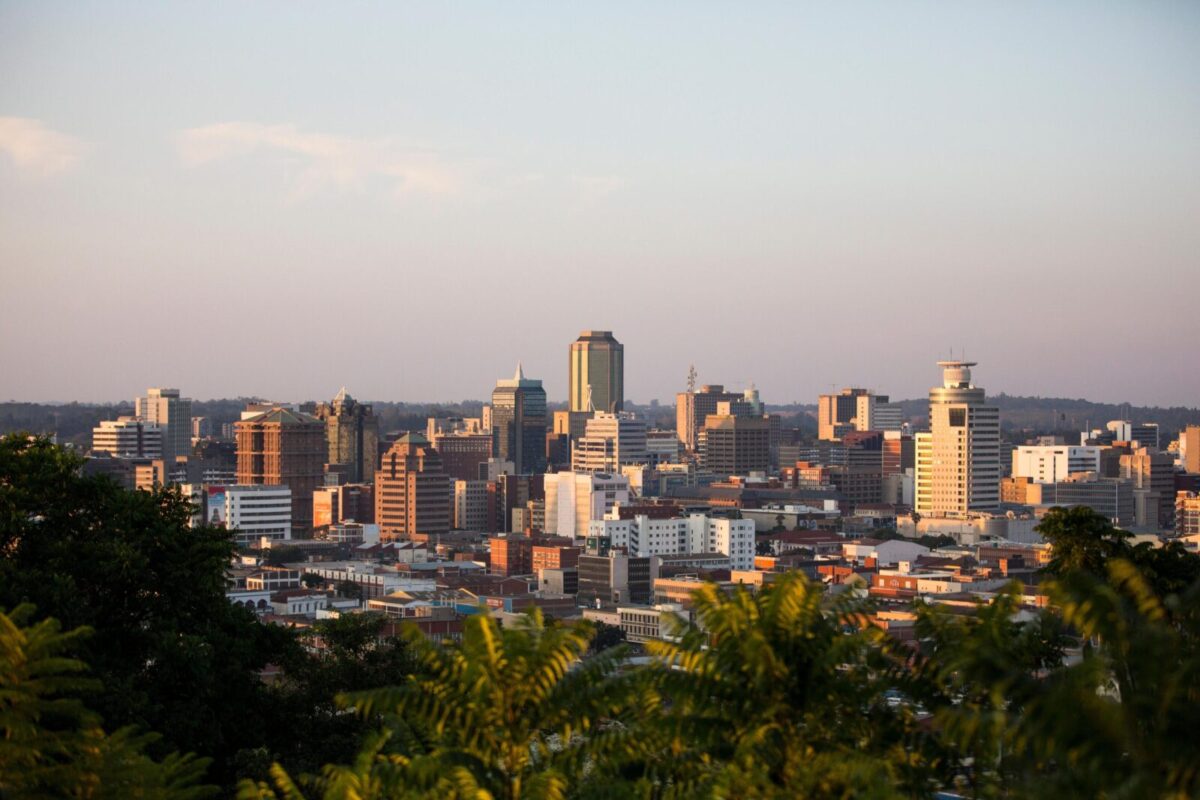
Harare Zimbabwe Guide: City Life Before the Safari
Harare provides many international visitors with their first introduction to Zimbabwe. Wide avenues, residential suburbs, flowering trees, markets, galleries and modern commercial districts create an urban experience far removed from the wildlife areas for which the country is internationally famous.
This Harare Zimbabwe city guide is designed for travellers spending time in the capital before or after safari. Although Victoria Falls frequently receives greater international attention, Harare is an important transportation centre and provides useful insight into Zimbabwean culture, history and contemporary life.
Why Visit Harare?
Harare is Zimbabwe’s largest city and political and commercial capital.
For safari travellers, it functions as an important gateway to destinations across the country.
The city also provides practical services before heading into remote areas. Travellers can rest after international flights, purchase forgotten supplies, organize transportation and enjoy restaurants before moving into the bush.
Spending at least one full day can additionally provide cultural context that is difficult to obtain when travelling exclusively between safari camps.
National Gallery of Zimbabwe
The National Gallery of Zimbabwe is one of Harare’s important cultural institutions.
Zimbabwe has a strong visual arts tradition, including internationally recognized stone sculpture.
Gallery visits provide an opportunity to engage with contemporary and historical artistic expression rather than viewing the country solely through wildlife tourism.
Exhibitions change, so visitors should check current programs.
Art enthusiasts may also find smaller galleries and studios around the city.
Zimbabwe Museum of Human Sciences
Travellers interested in archaeology, history and culture can explore the Zimbabwe Museum of Human Sciences.
Collections provide broader context for understanding the country’s human history.
This background becomes particularly valuable for visitors planning to travel toward historical sites such as Great Zimbabwe.
Museums are best approached as complementary experiences rather than quick checklist attractions.
Allow enough time to understand the displays instead of rushing through before another transfer.
Harare Gardens
Harare contains green spaces that provide relief from its busier commercial areas.
Harare Gardens is among the city’s recognizable public spaces.
Depending on current conditions and events, parks can provide pleasant opportunities to experience the city’s everyday rhythm.
Visitors should obtain local advice about the best times and areas to explore.
Harare’s reputation as a relatively green capital becomes particularly apparent in its tree-lined neighbourhoods and gardens.
Exploring Zimbabwean Sculpture
Stone sculpture is one of Zimbabwe’s internationally recognized artistic traditions.
Visitors interested in art can explore galleries and sculpture centres where artists work with different types of stone.
Meeting artists or purchasing directly from reputable studios can create a more meaningful experience than buying anonymous souvenirs.
Travellers purchasing large or valuable pieces should consider transportation and customs arrangements before committing to a purchase.
Ask about the artist and origin of the work.
Markets and Shopping
Harare offers markets, shopping centres and specialist craft outlets.
Markets can be lively environments where travellers encounter clothing, produce, household items and crafts.
As in any busy urban setting, personal belongings should remain secure.
Visitors interested mainly in high-quality souvenirs may prefer established craft centres or galleries.
Zimbabwean basketry, textiles, sculpture and artwork can make distinctive purchases.
Restaurants in Harare
Harare has a varied restaurant scene.
Visitors can find Zimbabwean dishes alongside international cuisines, contemporary cafés and hotel restaurants.
Trying local food is an excellent way to add cultural depth to a safari itinerary.
Sadza, a maize-based staple, is widely eaten and commonly served with vegetables or meat.
Restaurants also provide an enjoyable transition after several days in remote camps where dining options naturally depend on lodge menus.
Where to Stay in Harare
Accommodation includes international-style hotels, boutique properties, guesthouses and lodges.
The ideal location depends on the purpose of the stay.
Travellers connecting immediately to another flight may prioritize airport access, while visitors spending several days exploring Harare may prefer leafy neighbourhoods with nearby restaurants.
Safari operators can generally arrange private airport transfers.
When carrying expensive camera equipment, secure accommodation and reliable transportation are especially important.
Robert Gabriel Mugabe International Airport
Harare’s international airport is the principal aviation gateway for the capital.
Regional connections can link Zimbabwe with major African hubs.
Travellers continuing to safari destinations should examine domestic and charter flight schedules carefully.
Some remote camps are reached by light aircraft, which may impose baggage restrictions considerably different from international airlines.
Soft-sided luggage can be more suitable for small aircraft.
Confirm allowances before leaving home.
Harare to Mana Pools National Park
Mana Pools National Park is one of Zimbabwe’s most celebrated wilderness destinations.
The Zambezi River and surrounding floodplain support elephants, predators and diverse wildlife.
The park is particularly renowned among experienced safari travellers and photographers.
Access varies with season and itinerary style, and flying can be considerably more practical than attempting lengthy road transfers.
Safari camps may also operate seasonally.
Planning should therefore begin well before travel.
Harare to Hwange National Park
Hwange National Park is Zimbabwe’s largest national park and one of its most important wildlife areas.
It is especially famous for elephants, although visitors can encounter a broad diversity of animals.
Hwange is geographically closer to Victoria Falls than Harare, so itineraries frequently combine those destinations.
Travellers beginning in Harare may fly or create a longer route across Zimbabwe.
The best option depends on available days and other stops.
Harare and Victoria Falls
Victoria Falls is one of Zimbabwe’s most internationally recognizable destinations.
Domestic flights can connect Harare with the Victoria Falls region, making it possible to combine city time with the waterfall and nearby safari experiences.
From Victoria Falls, travellers can continue into Hwange or cross into Zambia and Botswana.
This makes Zimbabwe an excellent component of a broader southern African itinerary.
Border and visa requirements should always be checked according to nationality.
Great Zimbabwe
Travellers interested in history should consider incorporating the ruins of Great Zimbabwe into a longer journey.
The archaeological site represents an important chapter of southern African history and provides a powerful contrast to wildlife-focused destinations.
Reaching it requires additional itinerary planning because it is not immediately beside Harare.
Visitors with enough time can construct an overland route incorporating several cultural and natural attractions.
A trip focused exclusively on safari animals can miss much of Zimbabwe’s historical richness.
Eastern Highlands
Zimbabwe’s Eastern Highlands provide another contrast to classic safari landscapes.
Mountain scenery, forests and cooler conditions characterize parts of this region.
Travellers interested in hiking, scenery and slower-paced exploration can incorporate the Eastern Highlands into a longer Zimbabwe itinerary.
Harare’s location makes it a useful starting point.
This is particularly appealing for repeat African visitors wanting to experience landscapes beyond traditional game reserves.
How Long Should You Stay in Harare?
One night is sufficient when Harare functions purely as a flight connection.
Two nights are better for travellers wanting to recover from an international journey and explore the city.
With a full day, visitors can combine a museum or gallery with markets, restaurants and selected neighbourhoods.
Additional nights may appeal to travellers with strong cultural or business interests.
The key is to avoid an unnecessarily rushed transition from a long-haul flight directly into demanding safari logistics.
Best Time to Visit Harare
Harare can be visited throughout the year.
Because most safari travellers are continuing elsewhere in Zimbabwe, the timing of the broader itinerary matters more.
Wildlife conditions in parks such as Hwange and Mana Pools change seasonally.
Rainfall can transform landscapes dramatically, while drier periods often influence wildlife concentrations around water.
Travellers interested in birding may value different months from those prioritizing traditional game viewing.
What to Pack
Safari clothing should be lightweight and comfortable, with neutral colours particularly useful in wildlife areas.
A warmer layer is important for early game drives and evenings during cooler periods.
Sun protection is essential.
Visitors carrying cameras should bring sufficient memory cards, batteries and charging equipment.
Some remote camps may have limitations regarding electricity availability, so discuss charging arrangements before travelling if photography is a major priority.
Safety in Harare
Visitors should follow ordinary urban precautions.
Use reliable transportation and keep passports, cash and expensive electronics secure.
Hotels and local tour operators can provide current advice regarding places being visited.
Avoid making assumptions based on outdated travel reports.
Conditions can change, and current local knowledge is considerably more useful.
Professional photographers carrying visible equipment should consider private transfers when moving around unfamiliar areas.
Combining Zimbabwe With Botswana
Zimbabwe combines naturally with Botswana through the Victoria Falls region.
Travellers can visit Hwange before continuing toward Victoria Falls and then cross into Botswana for Chobe.
From Chobe, the journey can continue toward the Okavango Delta.
This creates an exceptionally varied safari involving dry savannah, rivers, waterfalls and wetlands.
Flights can reduce travel times where necessary.
Combining Zimbabwe With Zambia
Zambia is another straightforward addition to a Zimbabwe itinerary around Victoria Falls.
The Zambezi River forms part of the international boundary, and the falls can be experienced from both countries.
Longer journeys might combine Zimbabwe with Lower Zambezi or South Luangwa, although aviation connections and travel times require careful coordination.
Rather than adding countries simply for the sake of doing so, travellers should ensure each destination receives sufficient time.
Responsible Travel
Respect for communities, wildlife and local regulations should guide travel throughout Zimbabwe.
Ask before photographing individuals.
Support local artists by purchasing authentic work through reputable sellers.
On safari, never pressure guides to disturb wildlife for closer photographs.
Remain on authorized routes and follow instructions during walking experiences.
Responsible behaviour protects both visitors and the environments they have travelled to experience.
Is Harare Worth Visiting?
Harare is frequently overshadowed by Zimbabwe’s safari parks and Victoria Falls, but that does not make it irrelevant.
The city offers galleries, history, food, markets and a glimpse into contemporary Zimbabwe.
It also provides the logistical foundation for journeys toward some of southern Africa’s most remarkable wilderness areas.
A thoughtfully planned Harare Zimbabwe city guide itinerary can turn an overnight connection into a worthwhile cultural experience.
Spend enough time to recover from the journey, explore beyond the hotel and appreciate Zimbabwe as a living country rather than simply a collection of safari destinations.