Maputo Mozambique Guide
October 5, 2026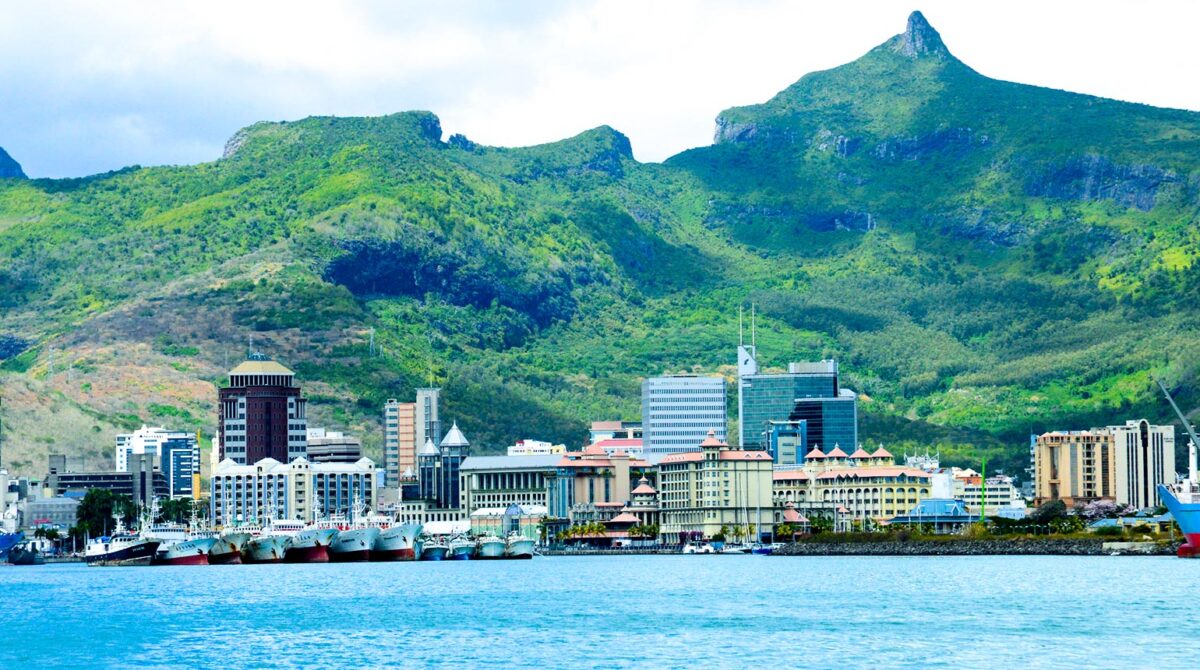
Port Louis, Mauritius Guide: Markets, Street Food & History
Port Louis presents a side of Mauritius that travellers can easily miss when staying exclusively at beach resorts. The capital is energetic, culturally diverse, and deeply connected with the island’s history as an Indian Ocean trading center.
This Port Louis, Mauritius, city guide explores the markets, street food, museums, waterfront, and historical attractions that make the city worth visiting. Mauritius may be internationally associated with white beaches and luxury resorts, but Port Louis reveals a more complex island shaped by African, Indian, Chinese, European, and wider Indian Ocean influences.
Why Visit Port Louis?
Port Louis is Mauritius’s political and commercial capital.
The city occupies a dramatic position between the sea and surrounding mountains, creating a compact urban landscape filled with contrasting architectural and cultural influences.
A visit provides an opportunity to step beyond the resort experience.
Markets reveal everyday ingredients and shopping traditions. Religious buildings demonstrate the island’s cultural diversity, while museums explain aspects of its colonial and maritime history.
Food alone can justify spending several hours in the city.
Central Market
Port Louis Central Market is one of the city’s most energetic attractions.
Stalls display fruit, vegetables, spices, and other local products in a busy environment used by residents as well as visitors.
Markets are best experienced slowly.
Look at unfamiliar ingredients, observe how products are used, and try appropriate local snacks rather than simply walking through to take photographs.
Always ask before photographing individual traders closely.
Street Food in Port Louis
Port Louis is an excellent destination for exploring Mauritian street food.
The island’s cuisine reflects centuries of cultural interaction, producing dishes influenced by Indian, Chinese, Creole, and European traditions.
Dholl puri is among the foods visitors frequently seek out. This thin flatbread is commonly served with accompanying curries, chutneys, or other fillings.
Galette piments and other savory snacks provide additional possibilities.
Trying several smaller dishes can be more rewarding than ordering one large restaurant meal.
Chinatown
Port Louis has a historic Chinatown that reflects the contribution of Chinese communities to Mauritian society.
Food businesses, shops, and cultural landmarks contribute to the neighborhood’s identity.
Visitors interested in Mauritius’s multicultural character should explore the area as part of a broader city experience.
The significance of Chinatown extends beyond visual attractions. It represents generations of migration, commerce, and cultural exchange.
A knowledgeable local food or history guide can provide considerably more insight than independent sightseeing.
Caudan Waterfront
The Caudan Waterfront provides a more polished contrast to the traditional market areas.
Shops, restaurants, and waterfront spaces make it popular with visitors.
It can also provide a convenient location for taking a break after exploring busier parts of central Port Louis.
The waterfront’s modern tourism infrastructure should not become the only part of the city visitors experience.
Its greatest value comes when combined with markets, museums, and historical streets.
Blue Penny Museum
The Blue Penny Museum is one of Port Louis’s recognized cultural attractions.
Its collections provide insight into Mauritian history, exploration, and the island’s postal heritage.
The famous Mauritius “Post Office” stamps have contributed to the museum’s international recognition.
Even visitors without a particular interest in philately can gain useful historical context.
Museum visits are especially valuable when tropical midday heat makes extended outdoor walking uncomfortable.
Aapravasi Ghat
Aapravasi Ghat is among the most historically significant places in Mauritius.
The UNESCO World Heritage Site is associated with the arrival of indentured laborers after the abolition of slavery within the British Empire.
Its story is essential to understanding modern Mauritian society.
Visitors should approach the site respectfully because it represents the experiences of people whose migration shaped the demographic and cultural development of the island.
This is not simply another historical building to photograph.
Le Morne and the Wider Historical Story
Although Le Morne Cultural Landscape is located away from Port Louis, understanding its history complements a visit to the capital.
Mauritius’s history includes slavery, indentured labor, colonialism, migration, and cultural transformation.
Travellers who engage with this history gain a more meaningful understanding of the island than those who experience only beaches and resorts.
Port Louis provides an excellent starting point for that exploration through its museums, heritage sites, and communities.
Fort Adelaide
Fort Adelaide, also known as the Citadel, occupies an elevated position overlooking Port Louis.
The location provides broad views over the city and harbor.
Its historical role and architecture make it interesting, but the panorama is equally important for first-time visitors.
From above, Port Louis’s compact geography becomes much easier to understand.
Mountains rise behind dense urban development while the harbor opens toward the Indian Ocean.
Religious Diversity
Mauritius is known for its cultural and religious diversity.
Within and around Port Louis, visitors can encounter mosques, churches, temples, and other places of worship.
These buildings should be approached respectfully rather than merely as colorful photographic backgrounds.
Dress appropriately where required and follow local instructions regarding entry and photography.
Understanding religious diversity is central to appreciating modern Mauritian identity.
Architecture and Old Streets
Port Louis contains architecture reflecting different periods of the island’s history.
Some older buildings reveal colonial influences, while commercial streets demonstrate the city’s ongoing evolution.
Walking provides opportunities to notice details easily missed from a vehicle.
However, tropical heat can make long walks tiring.
Plan city exploration during more comfortable parts of the day and combine walking with indoor museums or food stops.
Where to Eat in Port Louis
Street food should be part of the experience, but the city also contains restaurants offering a broader introduction to Mauritian cuisine.
Seafood, curries, noodles, rice dishes, and Creole flavors appear widely.
Mauritian food does not belong to one single culinary tradition.
Its appeal comes precisely from the way different influences have been adapted over generations.
Food tours can be particularly rewarding because guides explain ingredients and cultural origins while introducing visitors to establishments they might otherwise overlook.
Shopping in Port Louis
Visitors can purchase spices, clothing, crafts, and other products throughout the city.
Markets offer a more traditional shopping environment, while the waterfront contains modern retail spaces.
When buying souvenirs, look for products genuinely connected with Mauritius rather than mass-produced imports.
Food products can also make interesting gifts, although travellers should check customs restrictions before transporting agricultural products internationally.
Bargaining practices vary according to the setting.
Getting to Port Louis
Most international visitors arrive in Mauritius through Sir Seewoosagur Ramgoolam International Airport, located away from Port Louis.
Travellers staying at coastal resorts may visit the capital as a day excursion rather than sleeping there.
Private transfers, taxis, and organized tours provide straightforward options.
Traffic can affect journey times, particularly during busy periods.
Plan accordingly rather than attempting to combine too many activities within a short visit.
Where to Stay
Many holidaymakers choose beach accommodation elsewhere on Mauritius and visit Port Louis during the day.
However, travellers with business or strong cultural interests may stay in or near the capital.
Accommodation selection should reflect the broader itinerary.
If beaches are the priority, there is little reason to sacrifice several resort nights merely to remain in the city.
One carefully planned day can cover many of Port Louis’s major experiences.
How Long Should You Spend in Port Louis?
A full day works well for most leisure travelers.
Begin with markets while they are active, explore historical attractions and museums, enjoy street food, and finish around the waterfront or another suitable area.
Travellers particularly interested in history, architecture, or food can justify additional time.
The city should not be rushed into a one-hour stop simply for souvenir shopping.
Its historical significance deserves greater attention.
Best Time to Explore Port Louis
Mauritius can be visited during different seasons, although temperature, humidity, and rainfall patterns vary.
For city exploration, comfortable weather matters because significant time may be spent walking.
Morning visits can help travelers avoid some of the strongest heat.
The broader Mauritius itinerary should determine the travel period, particularly when swimming, diving, hiking, or other outdoor activities are priorities.
Weather conditions can vary around the island.
Port Louis and Mauritius Beaches
One of the advantages of visiting Mauritius is the ease with which culture and beach relaxation can be combined.
After exploring Port Louis, travelers can return to resort areas around the island.
Different coasts have distinct characteristics, so accommodation should be selected according to preferred beaches, activities, and season.
A cultural day in the capital can provide welcome contrast during a longer resort holiday.
It also helps visitors appreciate Mauritius as a country rather than simply a tropical beach product.
Combining Mauritius With an African Safari
Mauritius is frequently used as a beach extension after an African safari.
Travellers can spend demanding days on wildlife drives before flying to the Indian Ocean for relaxation.
The island can combine with safari destinations in southern or eastern Africa depending on available flight connections.
Rather than remaining entirely at a resort, adding Port Louis introduces food, culture and history to the beach portion of the journey.
This creates a more varied overall holiday.
Practical City Advice
Wear comfortable footwear and lightweight clothing suitable for tropical conditions.
Carry water and sun protection.
Markets can become crowded, so keep valuables secure.
When visiting religious or historical sites, follow dress and photography requirements.
A small amount of planning makes it possible to group nearby attractions and avoid unnecessary driving through traffic.
Local guides can be especially useful for food-focused exploration.
Responsible Travel in Port Louis
Respect should shape interactions throughout the city.
Ask permission before photographing people at markets.
Avoid entering places of worship without following local customs.
Purchase from local vendors and artisans where possible.
Food tours and locally guided heritage walks can direct visitor spending toward residents while providing deeper understanding.
Avoid treating communities simply as foreign photographic subjects.
Discovering the Mauritius Beyond the Resorts
Port Louis provides one of the clearest opportunities to understand the diversity behind Mauritius’s tourism image.
The city contains reminders of migration, colonialism, slavery, indentured labour, maritime trade and cultural adaptation.
Its markets reveal ingredients used in Mauritian kitchens, while temples, churches and mosques demonstrate the island’s religious diversity.
The waterfront shows modern Mauritius developing alongside this history.
These layers make the capital worth exploring even for travellers whose primary purpose is a beach holiday.
Is Port Louis Worth Visiting?
Absolutely incorporating Port Louis into a Mauritius itinerary can add valuable cultural depth.
The city does not offer the quiet atmosphere of a beachfront resort, nor should visitors expect it to. Its appeal comes from movement, food, markets, historical buildings and communities sharing a relatively compact urban space.
This Port Louis Mauritius city guide provides a foundation for exploring those contrasts.
Spend time tasting street food, visit the Central Market, understand the significance of Aapravasi Ghat and explore the city’s multicultural heritage. Afterwards, return to the beaches with a much broader understanding of the island.
Mauritius may be famous for turquoise water and luxury resorts, but Port Louis reveals the history and cultural diversity that make the destination far more interesting than its coastline alone.