Home /
Safaris & Tours
Southern Africa offers one of the most complete and rewarding safari regions on the continent. The experience goes beyond simple wildlife viewing and develops into a carefully structured journey across diverse ecosystems, well-managed reserves, and some of Africa’s most refined safari lodges. Safaris here combine consistent game viewing, strong guiding standards, and the flexibility to move between countries with ease.
Travelers exploring Southern Africa often move through a sequence of contrasting environments. One part of the journey may focus on classic Big Five encounters in open savannah, while another shifts into water-based exploration through river systems or delta channels. This layered approach creates a safari that feels dynamic and well-rounded rather than repetitive. The region supports both luxury and midrange travel styles, yet the emphasis always remains on quality guiding, immersive experiences, and access to wildlife-rich areas.
Why Book This Destination
7 Days – Maasai Mara Migration Safari
6 Days – Great Rift Valley Lakes Safari
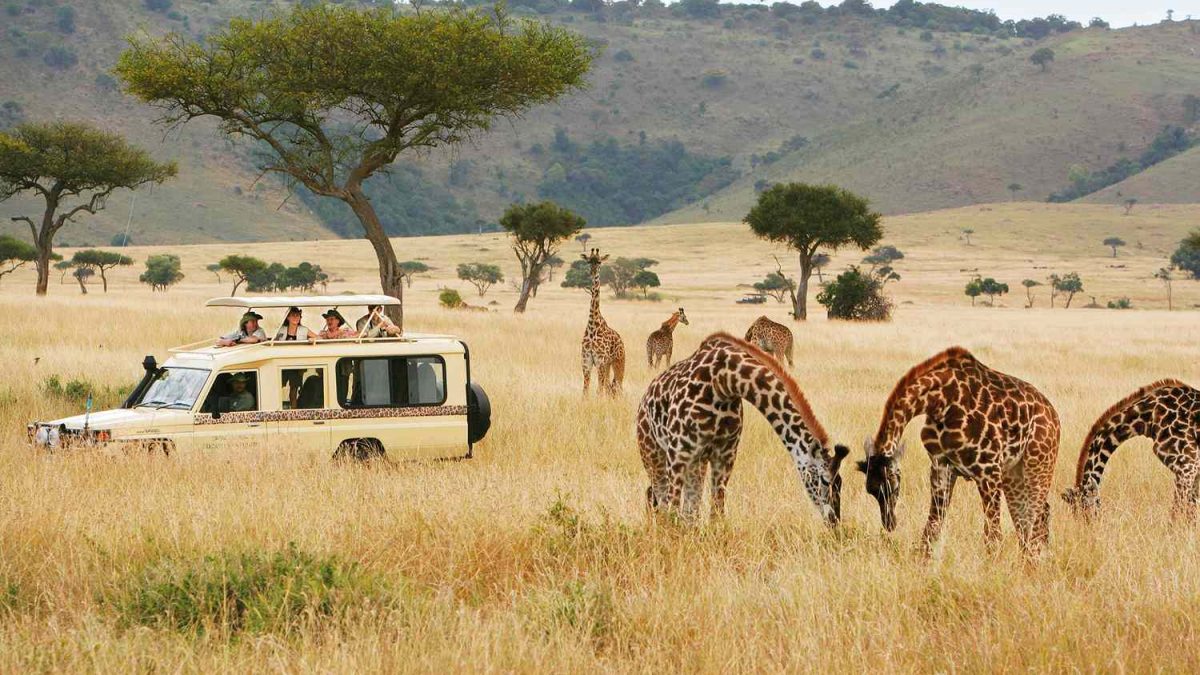
10 Days – Kenya Grand Safari Circuit
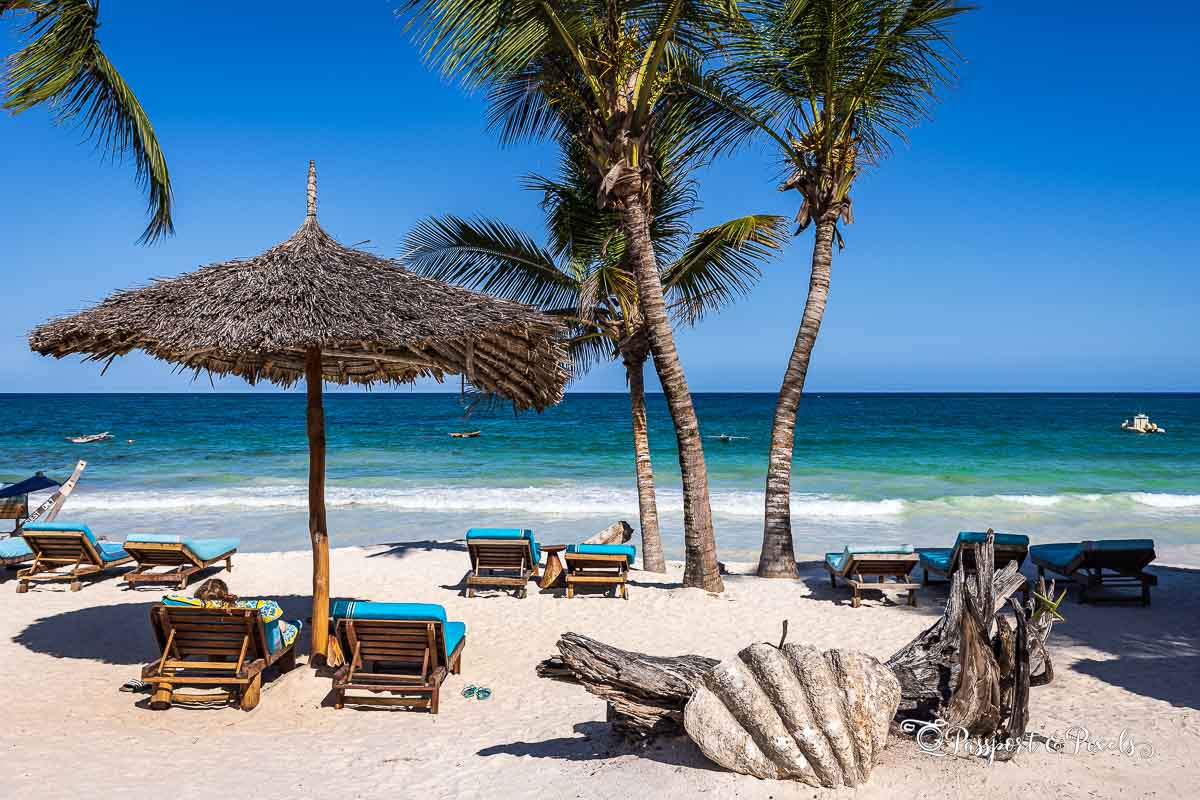
9 Days – Kenya Safari & Beach Holiday
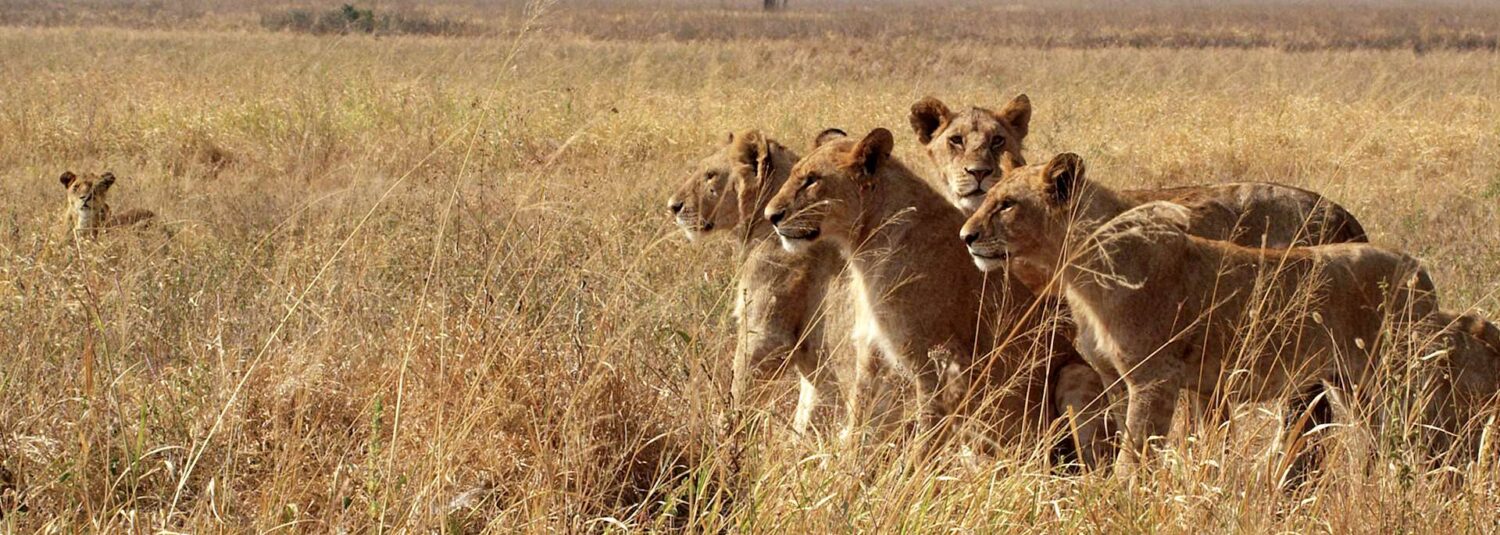
7 Days – Kenya Big Five Safari
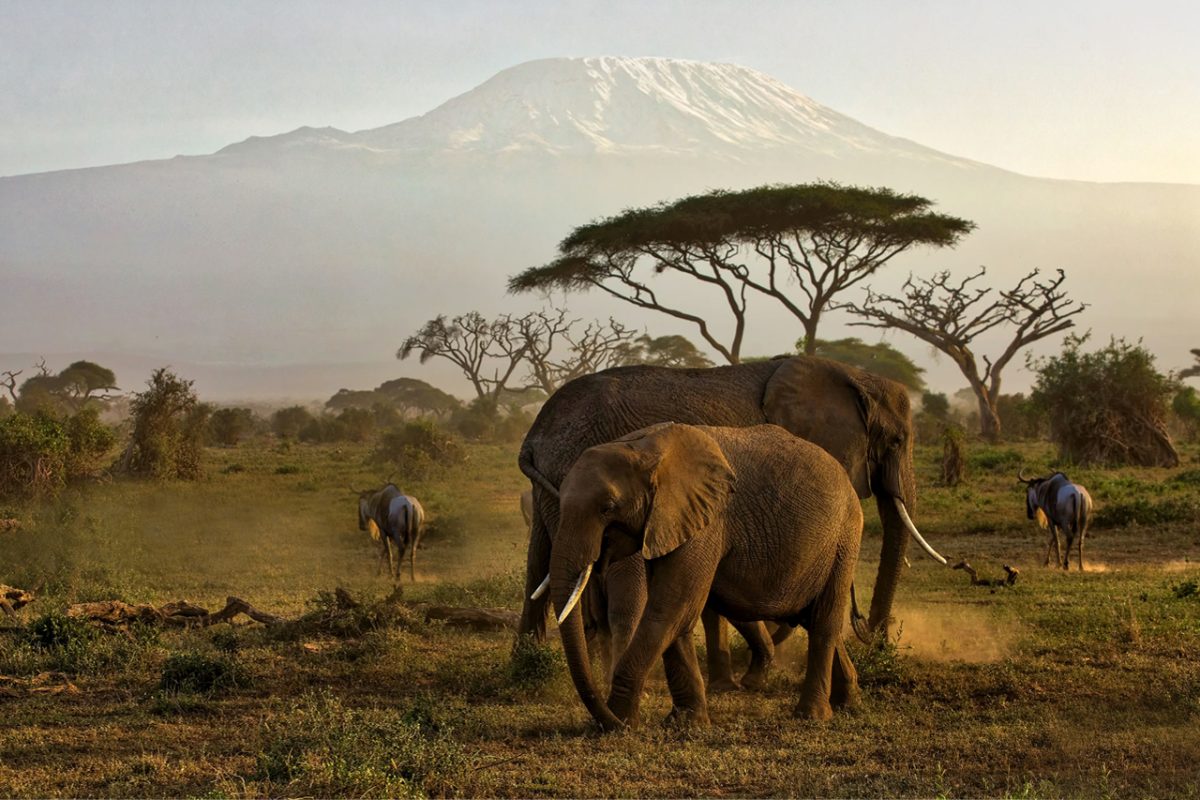
5 Days – Amboseli & Tsavo Safari

4 Days – Maasai Mara Classic Safari
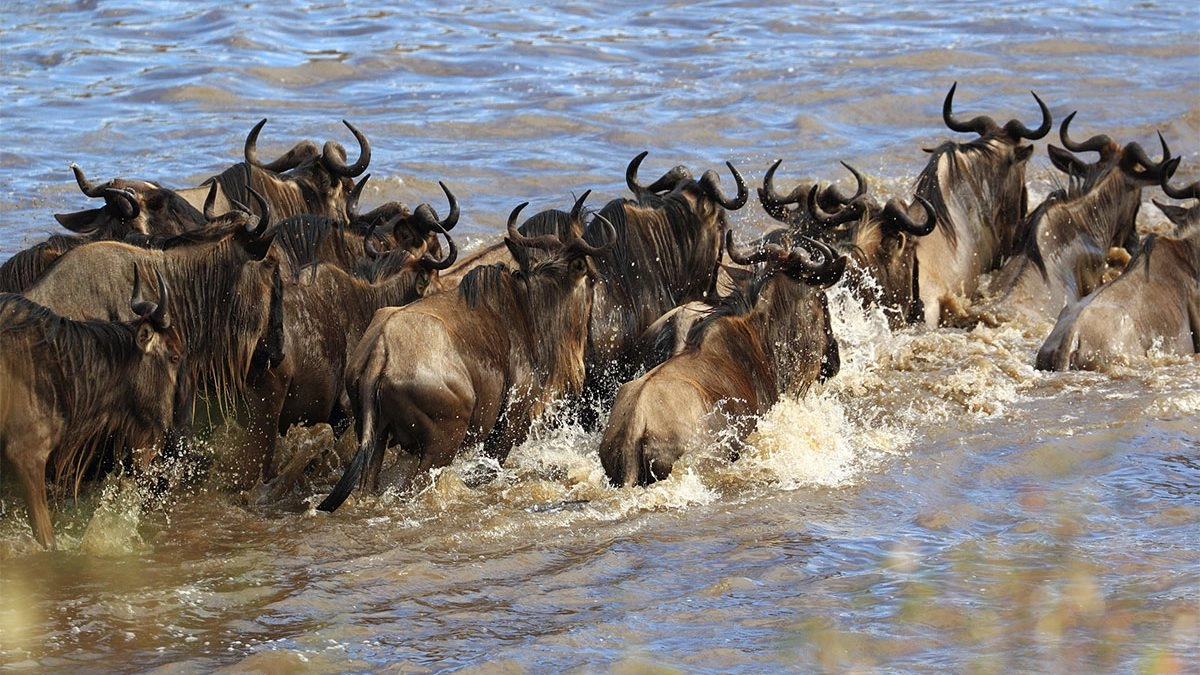
3 Days – Maasai Mara Express Safari

10 Days – Mauritius Ultimate Island Holiday
Explore More about Safaris & Tours
Why Southern Africa Delivers a Strong Safari Experience
Southern Africa stands out because of its consistency. Wildlife sightings remain reliable, especially during the dry season when animals concentrate around permanent water sources. This natural behavior increases the chances of seeing predators, large herds, and active wildlife without long search times.
The safari structure in this region also benefits from well-regulated conservation systems. Many destinations operate within private reserves or controlled national parks, which allows guided access, off-road tracking in some areas, and a deeper level of interpretation from experienced guides. This creates a more engaging experience where guests understand not only what they see, but how ecosystems function.
Another advantage lies in logistics. Flights connect key safari regions efficiently, which allows travelers to combine destinations such as South Africa, Botswana, and Zimbabwe within one itinerary. This makes it possible to experience different safari styles without spending excessive time on the road.
Core Safari Destinations in Southern Africa
Kruger National Park and Private Reserves (South Africa)
Kruger forms the backbone of many Southern Africa safaris due to its accessibility and strong wildlife density. The park supports a full range of species, including lions, elephants, leopards, buffalo, and rhinos. Game drives here focus on tracking wildlife across open terrain, where sightings occur frequently throughout the year.
Private reserves bordering Kruger, such as Sabi Sands and Timbavati, elevate the safari experience. Guides can leave the main tracks to follow animals more closely, which leads to more intimate encounters, especially with predators. These reserves also limit vehicle numbers, creating quieter sightings and a more controlled environment.
Safaris in this region often follow a structured routine with early morning and late afternoon drives. Between activities, guests return to well-designed lodges that provide comfort without disconnecting from the surrounding wilderness.
Okavango Delta (Botswana)
The Okavango Delta introduces a completely different safari environment shaped by water. Seasonal floods transform dry land into a network of channels and islands, attracting wildlife into concentrated areas.
Safaris here rely on a combination of mokoro canoe excursions, motorboat trips, and guided walking safaris. This creates a slower, more immersive experience where movement happens quietly through the landscape. Wildlife encounters often feel less crowded and more natural, as camps remain widely spaced.
The Delta supports a wide range of species, including elephants, hippos, crocodiles, and predators that adapt to the wet environment. The experience focuses on observation and connection rather than speed, making it ideal for travelers who value depth over volume.
Chobe National Park (Botswana)
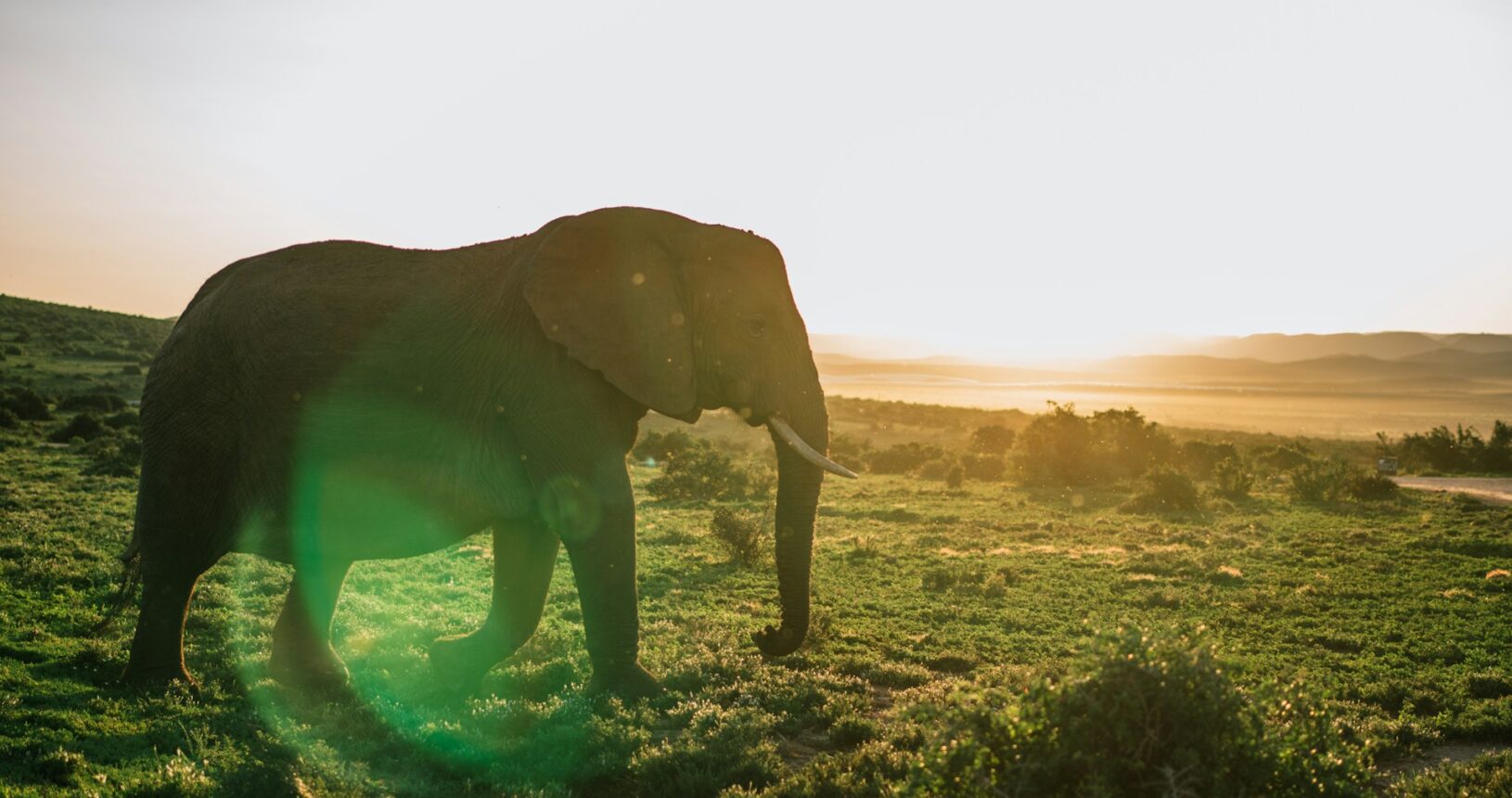
Chobe offers one of the most concentrated wildlife experiences in Southern Africa, particularly along the Chobe River. Large elephant herds dominate the landscape, often moving between the bush and the river in visible groups.
The safari structure in Chobe combines game drives with boat safaris. River cruises provide a different perspective, allowing close viewing of animals as they drink, bathe, or move along the shoreline. This dual approach adds variety and ensures that each activity feels distinct.
Predator sightings also occur in the park, especially during the dry season when prey gathers near water. The overall experience feels active and diverse, with constant movement and interaction between species.
Etosha National Park (Namibia)
Etosha presents a more minimalist safari environment shaped by its vast salt pan and arid conditions. Waterholes act as focal points for wildlife, drawing animals from across the region.
Game drives often involve moving between these waterholes, where elephants, lions, rhinos, and antelope gather. The open terrain allows clear visibility, which makes wildlife easier to spot and observe over longer distances.
Safaris here feel structured yet rewarding, as each stop at a waterhole reveals a different combination of species. The landscape itself adds to the experience, creating a sense of scale and contrast that differs from greener safari regions.
Hwange National Park (Zimbabwe)
Hwange delivers a classic safari experience with a strong focus on elephants and predators. The park relies on a network of waterholes that attract wildlife, especially during the dry months.
Game drives explore large sections of the park, while walking safaris provide a closer connection to the environment. These guided walks focus on tracks, smaller species, and the details often missed from a vehicle.
Hwange remains less crowded than many other parks, which allows for more private and uninterrupted wildlife encounters. The pace feels steady, with a strong emphasis on observation and guiding quality.
Victoria Falls Safari Extension (Zimbabwe & Zambia)
Victoria Falls often complements a safari rather than replacing it. The destination adds a powerful natural element to the overall journey, creating a contrast between wildlife exploration and dramatic scenery.
Safari experiences around the falls include river cruises on the Zambezi, where wildlife appears along the banks. This softer activity allows travelers to unwind while still engaging with the environment.
Including Victoria Falls in a safari itinerary creates a more complete travel experience, combining wildlife, landscape, and cultural context.
Safari Styles and How They Shape the Experience
Southern Africa allows travelers to choose how they engage with the environment, rather than following a single safari format.
Game drives remain the foundation, offering structured wildlife viewing with professional guides who track animals and explain behavior. These drives operate during cooler parts of the day, when wildlife activity increases.
Walking safaris shift the focus to detail and awareness. Guides lead small groups through the bush, interpreting tracks, plants, and ecological patterns. This approach creates a more grounded and educational experience.
Water-based safaris introduce a different rhythm. Movement becomes slower and quieter, allowing closer observation without disturbing wildlife. This style works best in regions such as the Okavango Delta and Chobe.
Fly-in safaris connect remote locations and reduce travel time. This allows itineraries to include multiple ecosystems without long transfers, while also offering aerial views of the landscape.
Wildlife Focus in Southern Africa
Southern Africa supports a wide range of species, with strong populations across many parks. The Big Five remain a central focus, yet the experience extends beyond these animals.
Predator sightings often stand out due to the quality of guiding and tracking. Lions, leopards, and wild dogs appear regularly in certain reserves. Elephant populations remain particularly strong in Botswana and Zimbabwe, where large herds move across open landscapes.
Each destination adds a different wildlife dimension. Desert-adapted species in Namibia, water-based wildlife in Botswana, and dense predator populations in South Africa create variety across the region.
Best Time for Safaris
The dry season from May to October provides the most reliable wildlife viewing conditions. Vegetation thins out, and animals gather around water sources, making sightings easier and more frequent.
The green season from November to April transforms the landscape with rain and new growth. Wildlife spreads out more, but the scenery becomes more vibrant. This period also supports birdlife and offers fewer crowds.
Choosing the right time depends on the type of safari experience desired, whether focused on wildlife density or landscape beauty.
Accommodation and Safari Comfort
Accommodation plays a key role in shaping the safari experience. Southern Africa offers a range of options, from well-designed midrange lodges to high-end luxury camps.
Luxury lodges focus on privacy, space, and personalized service. Guests often stay in suites with private decks, open views, and direct access to the surrounding environment. Midrange lodges provide comfort and guided activities while maintaining strong value.
Regardless of category, most safari accommodations integrate with the landscape, allowing guests to remain connected to nature throughout their stay.
Planning a Southern Africa Safari Tour
A well-structured safari itinerary often combines multiple destinations to create contrast and depth. Travelers may begin in South Africa for classic game viewing, continue to Botswana for water-based safaris, and finish at Victoria Falls.
Flights link these regions efficiently, allowing smooth transitions between locations. Planning ahead ensures access to the best lodges and optimal travel dates.
Each itinerary should align with travel goals, whether focused on wildlife density, landscape diversity, or a balance between activity and relaxation.
In Africa’s national parks, every sunrise paints a masterpiece — where the wild’s call echoes across endless horizons. Visiting these parks is to witness nature in its purest form, a timeless dance that stirs the soul.
Steps to Book Your Southern Africa Tour
Choose Your Adventure
Confirm Your Booking
Begin Your Journey
Ready to plan your tailor-made safari?