Selous Game Reserve
August 20, 2026
Nairobi City Guide
October 2, 2026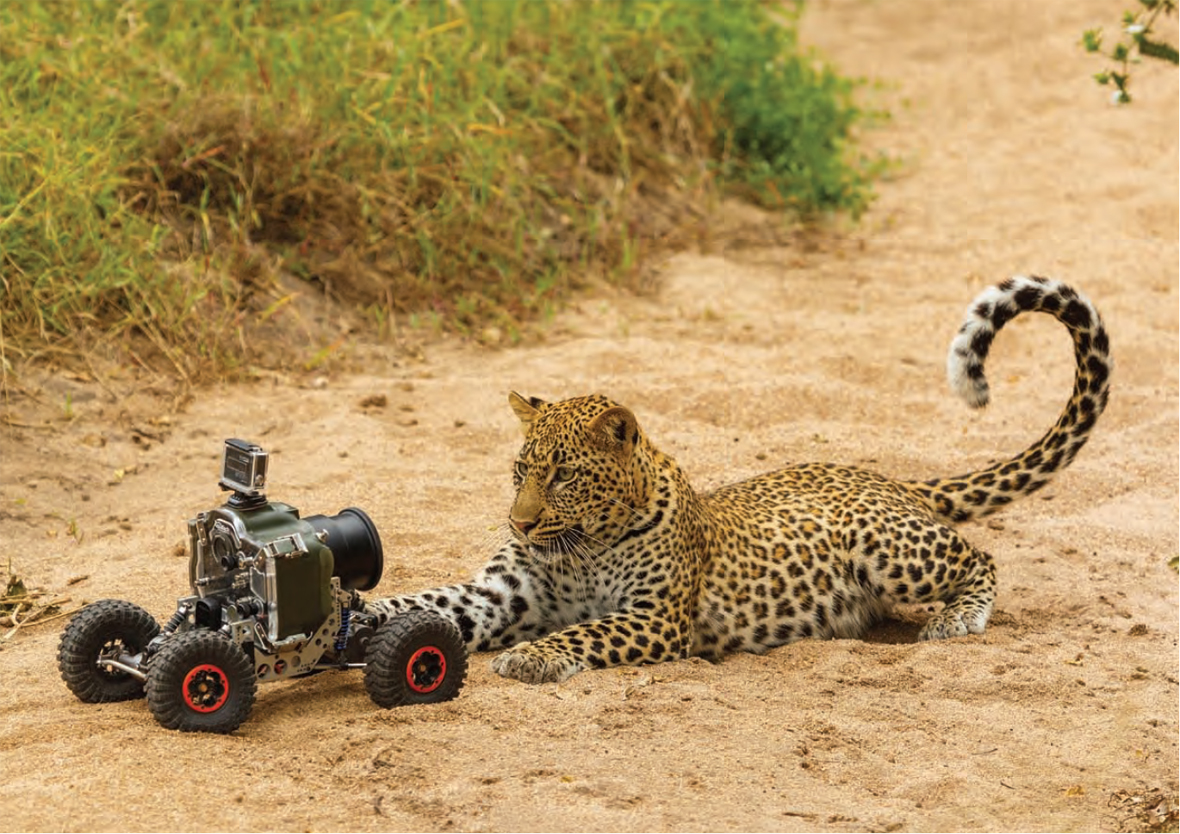
Drone Photography on Safari: Rules & Best Locations
Drone photography on safari offers an extraordinary perspective on Africa’s landscapes. From the channels of the Okavango Delta and the sweeping plains of East Africa to Namibia’s immense dunes and the turquoise coastline of the Indian Ocean, aerial photography can reveal patterns and scale that are almost impossible to capture from ground level.
However, taking a drone on an African safari requires considerably more preparation than packing an ordinary camera. Drone regulations differ between countries, and national parks, wildlife reserves, private conservancies, airports, border areas, and individual lodges may have additional restrictions. In many famous safari parks, recreational drone flying is prohibited or requires specific authorization.
Anyone planning to travel with a drone should therefore investigate the regulations before departure rather than assuming permission can be arranged after reaching the safari destination.
Can You Fly a Drone on an African Safari?
Whether you can fly a drone during an African safari depends on the country, location, purpose of the flight, and permits you hold. National aviation regulations determine how drones can legally be imported, registered, and operated, while wildlife authorities may impose separate rules within protected areas.
This distinction is important. Receiving authorization to operate a drone within a country does not necessarily mean you can fly it inside a national park. Similarly, receiving permission from a lodge does not automatically override aviation regulations or restrictions imposed by the authority managing the surrounding protected area.
Before travelling, photographers should confirm whether their drone requires registration, whether temporary import procedures apply, and whether recreational and commercial operations have different requirements. Professional filmmakers can face additional requirements relating to filming permits, insurance, equipment declarations, and commercial authorization.
Regulations can change, so travellers should verify current requirements directly with the relevant civil aviation authority and protected-area management before departure.
Why Are Drones Restricted on Safari?
Wildlife protection is one of the main reasons drones are carefully controlled in safari destinations. Although small drones may appear harmless, their movement and sound can disturb animals.
Birds can be particularly sensitive to unfamiliar flying objects, especially around nests and breeding colonies. Elephants, antelope, predators, and other mammals may also respond to a drone approaching too closely.
Wildlife photography should document natural behaviour rather than cause animals to change that behaviour.
There are also important safety considerations. Protected areas may have helicopters and light aircraft operating for conservation work, anti-poaching patrols, wildlife research, medical evacuations, tourism flights, and other authorized activities. Unauthorized drones can create unnecessary aviation hazards.
Drones can additionally affect other visitors. Safari travellers often spend considerable money and travel long distances to experience quiet wilderness. The continuous buzzing of a drone above an animal sighting can diminish that experience.
Drone Photography in Kenya
Kenya contains some of Africa’s most recognizable safari landscapes, making it extremely attractive to aerial photographers. The plains of the Masai Mara, views around Amboseli, northern Kenya’s dry landscapes, and the expansive wilderness of Tsavo provide remarkable photographic possibilities.
Drone operations in Kenya are regulated, however, and additional restrictions apply in protected wildlife areas. Visitors should not assume they can arrive at a national park or reserve and launch a recreational drone from their safari vehicle.
Professional photographers interested in aerial footage should arrange the relevant aviation and filming permissions before travelling. Where a project involves a protected area, permission from the appropriate wildlife or reserve authority may also be necessary.
The Masai Mara is particularly appealing during periods of major wildlife movement. Large herds crossing open grasslands can produce spectacular aerial scenes, but wildlife should never be chased or deliberately approached with a drone.
Drone Photography in Tanzania
Tanzania contains some of the continent’s most impressive landscapes, including the Serengeti plains, Ngorongoro highlands, Tarangire ecosystem and the dramatic surroundings of Mount Kilimanjaro.
These landscapes make drone photography on safari extremely tempting. Nevertheless, Tanzania regulates drone operations, and protected areas should not be treated as unrestricted recreational flying zones.
The Serengeti National Park provides a good example. Its scale is difficult to appreciate entirely from ground level. From an aerial perspective, grasslands, rivers, kopjes, wildlife trails, and seasonal changes form extraordinary patterns.
That photographic potential does not remove the need for authorization. Travellers planning professional aerial photography should begin arranging permits well before arriving in Tanzania.
The same caution applies around the Ngorongoro Conservation Area and other protected landscapes.
Flying a Drone in Uganda
Uganda offers a diverse combination of forests, mountains, savannahs, crater lakes, wetlands, and major waterways. From a photography perspective, landscapes around the Albertine Rift can be particularly impressive.
National parks such as Bwindi Impenetrable National Park, Queen Elizabeth National Park, Murchison Falls National Park, Kidepo Valley National Park, Kibale National Park, and Mgahinga Gorilla National Park are managed protected environments. Drone operators should obtain all required permissions rather than assuming personal recreational use is permitted.
Special care is essential around primates. A drone should never be used to approach mountain gorillas or chimpanzees during trekking experiences. Gorilla trekking already operates under carefully controlled wildlife-viewing rules intended to minimize disturbance.
For aerial photography, photographers may find better opportunities outside sensitive wildlife areas, provided national aviation requirements and landowner permissions are satisfied.
Drone Photography in Rwanda
Rwanda is remarkably photogenic from an elevated perspective. Its mountainous terrain, agricultural patterns, lakes, forests, tea plantations, and volcanic landscapes create excellent compositions.
However, Rwanda also regulates drone operations. Travellers should confirm current authorization and registration requirements before bringing or operating a drone.
Particular caution is necessary around Volcanoes National Park, where mountain gorillas are protected, as well as Nyungwe, Akagera, and Gishwati-Mukura national parks.
Instead of focusing exclusively on wildlife, properly authorized photographers can explore Rwanda’s wider landscapes. Lake scenery, rolling agricultural hills, tea-growing regions, and selected privately controlled tourism properties can offer excellent photographic subjects where drone use is legally permitted.
Drone Photography in South Africa
South Africa provides enormous variety for aerial photographers. Savannahs, mountains, vineyards, deserts, forests, and thousands of kilometres of coastline make it possible to create an extensive aerial portfolio within a single country.
Drone operation is regulated nationally, while protected areas can impose further restrictions.
Visitors should therefore not assume recreational flights are acceptable inside destinations such as Kruger National Park. Protected wildlife environments require particular care because of animal welfare, visitor experience, and aviation safety.
Outside restricted areas, South Africa can provide interesting possibilities on suitable private properties and in other locations where flights comply with national regulations.
The Western Cape is particularly attractive for landscape photography, with mountains, agricultural areas, coastal scenery, and vineyards providing dramatic contrasts.
Botswana and the Okavango Delta
Few places demonstrate the value of an aerial perspective better than the Okavango Delta.
At ground level, visitors experience channels, islands, floodplains, wildlife, and woodland separately. From above, those elements become part of an enormous interconnected wetland system. Waterways curve around islands while animal trails form visible lines across the landscape.
Botswana nevertheless regulates drone activity, and safari concessions and protected areas can impose additional restrictions. Guests should never launch drones from camps or safari vehicles without explicit authorization.
An excellent alternative is a scenic helicopter or light-aircraft flight. These flights are widely associated with the Okavango experience and provide exceptional opportunities to appreciate the scale of the wetland without operating a personal drone.
Namibia: One of Africa’s Most Photogenic Landscapes
Namibia’s dramatic scenery makes it particularly attractive for aerial landscape photography.
The Namib Desert contains enormous dunes, gravel plains, mountain formations, dry riverbeds, and striking geological patterns. Sossusvlei and the wider Namib landscape are especially recognizable because of their towering dunes and contrasting surfaces.
Damaraland also provides dramatic scenery, while the Skeleton Coast combines desert wilderness with the Atlantic Ocean.
Photographers must still distinguish between visually accessible landscapes and legally accessible airspace. National parks and protected areas can restrict drone activity, while national aviation requirements continue to apply elsewhere.
Never assume that an apparently empty desert is automatically a legal location for flying.
Victoria Falls and the Zambezi Region
The landscapes surrounding the Zambezi River are among southern Africa’s most dramatic.
Victoria Falls is naturally appealing to aerial photographers because the river, gorge, spray, rainforest, and surrounding landscape create remarkable compositions. However, it is also a sensitive location involving international borders, protected areas, tourism infrastructure, and aviation activity.
A visitor should therefore never simply launch a drone from an isolated viewpoint around Victoria Falls.
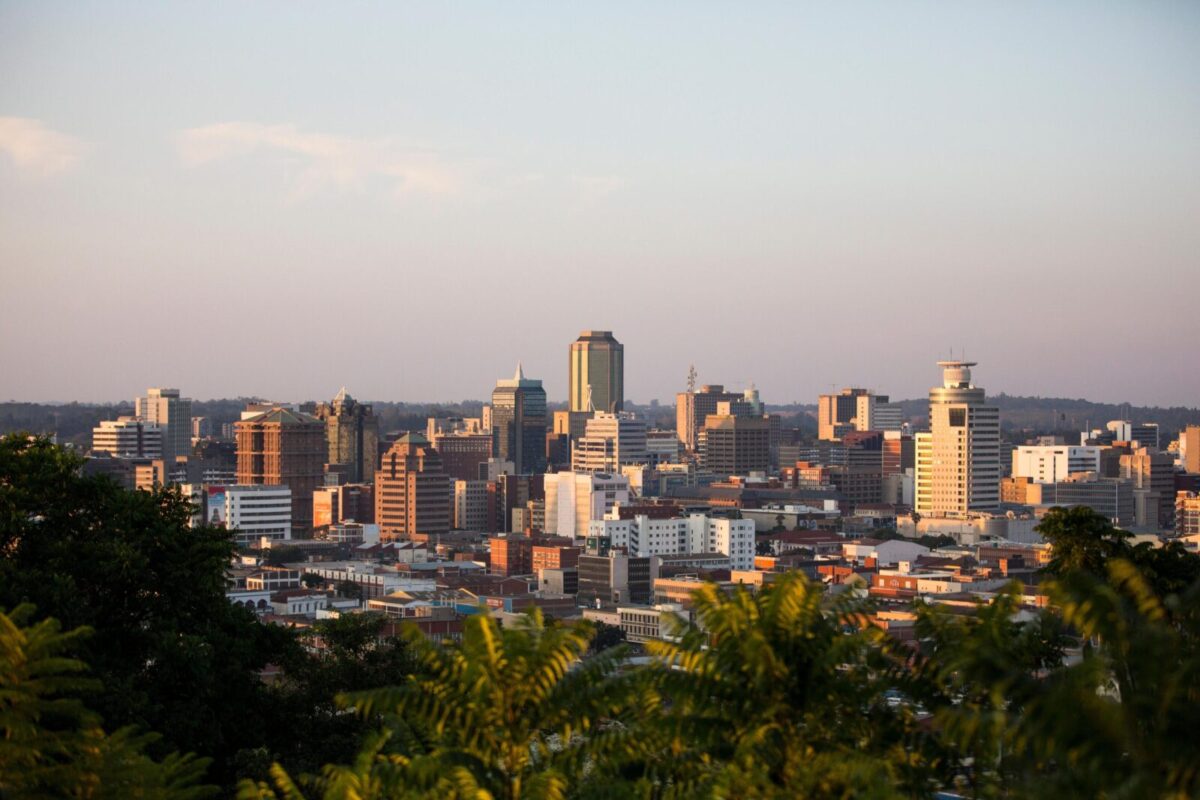
Similar caution is necessary in major safari destinations in Zambia and Zimbabwe, including South Luangwa, Lower Zambezi, Hwange, and Mana Pools.
For travellers wanting elevated perspectives, authorized helicopter flights can provide an alternative at destinations where personal drone operation is restricted.
Mozambique and Indian Ocean Landscapes
Not every memorable safari drone photograph needs to feature wildlife.
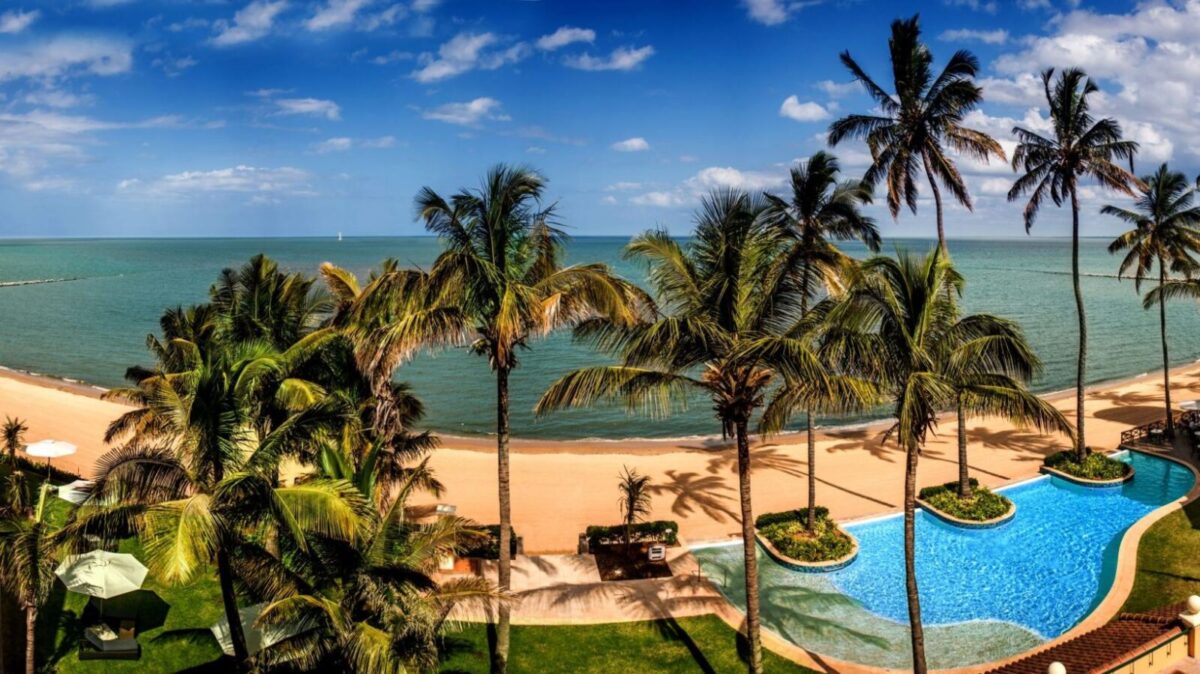
The Indian Ocean coastline provides some of Africa’s finest opportunities for aerial landscape photography. Mozambique’s islands, sandbanks, mangroves, coral environments, and turquoise channels can look spectacular from above.
Areas associated with the Bazaruto Archipelago are particularly photogenic. The contrast between white sand and different shades of blue water creates natural patterns that are difficult to appreciate from ground level.
Private resorts may sometimes allow photography from their properties, but permission from a resort should not automatically be interpreted as authorization to fly. National aviation regulations and protected-area rules must still be followed.
Private Conservancies and Safari Lodges
Photographers interested in serious aerial work may find that private properties provide more manageable possibilities than major national parks.
Some safari lodges, ranches, private reserves, and conservancies may permit controlled drone operations when all national requirements have been satisfied. This is particularly relevant to professional photographers producing lodge marketing material or tourism films.
Permission should ideally be obtained before travelling.
Photographers should ask where they can launch, what operating times are permitted, whether wildlife areas are excluded, and whether other guests could be affected.
Privacy is another consideration. A drone should never be flown close to guest rooms, swimming pools, private decks, or other areas where travellers reasonably expect privacy.
Best Subjects for Safari Drone Photography
Wildlife does not need to dominate aerial photography. In many situations, landscapes produce stronger drone images.
Rivers winding through floodplains can create striking natural lines. Desert dunes become abstract compositions when photographed directly from above. Seasonal wetlands reveal patterns invisible from ground level, while coastlines provide powerful contrasts between land and water.
Roads can also become compositional elements. A safari vehicle travelling along an isolated track can communicate the scale of the surrounding wilderness without requiring a drone to approach wildlife.
Trees, rocky formations, volcanic landscapes, agricultural patterns, and traditional boats can similarly provide excellent subjects.
Never Chase Wildlife With a Drone
One principle should apply regardless of destination: never chase wildlife with a drone.
If an animal changes direction, runs, becomes agitated, looks repeatedly toward the aircraft, abandons feeding, or otherwise reacts to the drone, the photographer is affecting natural behaviour.
Obtaining a dramatic video is not justification for causing distress.
Drones should not be flown toward nesting birds, elephants with calves, hunting predators, resting animals, primates, or wildlife gathering around sensitive breeding locations.
Even where an operation has been authorized, photographers remain responsible for using equipment carefully.
Best Time of Day for Aerial Safari Photography
Light has an enormous influence on aerial photography.
Early morning can provide softer illumination and long shadows that emphasize trees, dunes, ridges, and geological features. Safari landscapes often appear more three-dimensional when the sun is relatively low.
Late afternoon provides similar advantages and can introduce warm light across open terrain.
Midday photography can still work particularly well around coastlines and clear water. When the sun is high, underwater features, sandbanks, reefs, and changes in water depth may become more visible from above.
Weather should also influence flight decisions. Strong winds, thunderstorms, dust, and rapidly changing conditions can make drone operations unsafe.
What to Check Before Travelling With a Drone
Preparation should begin several weeks or months before an international safari.
First, investigate the civil aviation regulations of every country on the itinerary. Determine whether the aircraft requires registration and whether foreign visitors need additional authorization.
Then investigate the rules governing each national park, reserve, conservancy, or private property you intend to visit.
Commercial photographers should determine whether separate filming permissions are necessary.
Travellers should also check airline regulations concerning drones and lithium batteries. Spare batteries generally require careful handling during air travel, and airline requirements should be confirmed before departure.
Carrying printed or digital copies of permits can also be useful when dealing with airport, park, lodge, or aviation officials.
Alternatives When Drones Are Not Allowed
There are many ways to capture an aerial perspective without operating your own drone.
Helicopter flights are available in several major African destinations, while light-aircraft transfers frequently provide excellent views of safari landscapes.
Hot-air balloon safaris provide another exceptional perspective. They are particularly associated with areas such as the Serengeti and Masai Mara, where passengers can experience expansive views over the plains.
Elevated viewpoints can also produce impressive photographs. Escarpments, mountains, lodge decks, and observation platforms can provide a strong sense of scale without requiring aerial equipment.
These alternatives are particularly valuable when visiting protected areas where recreational drones are prohibited.
Planning a Drone Photography Safari
A successful drone photography safari in Africa begins with research rather than equipment.
Choose destinations based on both photographic potential and realistic opportunities for authorized operation. Establish exactly which authorities control the airspace and land where you intend to photograph, and obtain written permission where required.
Private properties can sometimes provide greater flexibility than heavily regulated national parks, making them worth considering for dedicated photography projects.
Most importantly, build flexibility into the itinerary. Weather, wildlife movements, aviation restrictions, and local operating conditions can all affect whether a planned flight is possible.
Responsible Drone Photography in Africa
Drone technology has transformed travel photography by allowing photographers to reveal landscapes from perspectives that were previously available mainly from helicopters and aircraft.
Africa offers extraordinary possibilities. The Okavango Delta, Namib Desert, East African savannahs, Great Rift Valley landscapes, Rwanda’s hills, Zambezi River system, and Indian Ocean coastline can all provide unforgettable aerial imagery.
Yet the ability to fly a drone does not automatically create the right to fly it anywhere.
Responsible drone photography on safari means respecting aviation regulations, national park restrictions, wildlife, local communities, private property, and fellow travellers. Rules should always be checked shortly before travel because permits and operating requirements can change.
When authorization is available, careful planning can produce remarkable aerial photographs without disrupting the environment. When drones are prohibited, photographers should respect those restrictions and consider scenic flights, balloons, elevated viewpoints, or traditional photography instead.
Ultimately, the best safari drone photography combines creative composition with responsible operation. Africa’s wilderness provides extraordinary photographic opportunities, but protecting the landscapes and wildlife behind those images should always remain the priority.