

How to Choose Between an African Safari Lodge and Tented Camp
July 24, 2026
Connecting Flights to Safari
July 24, 2026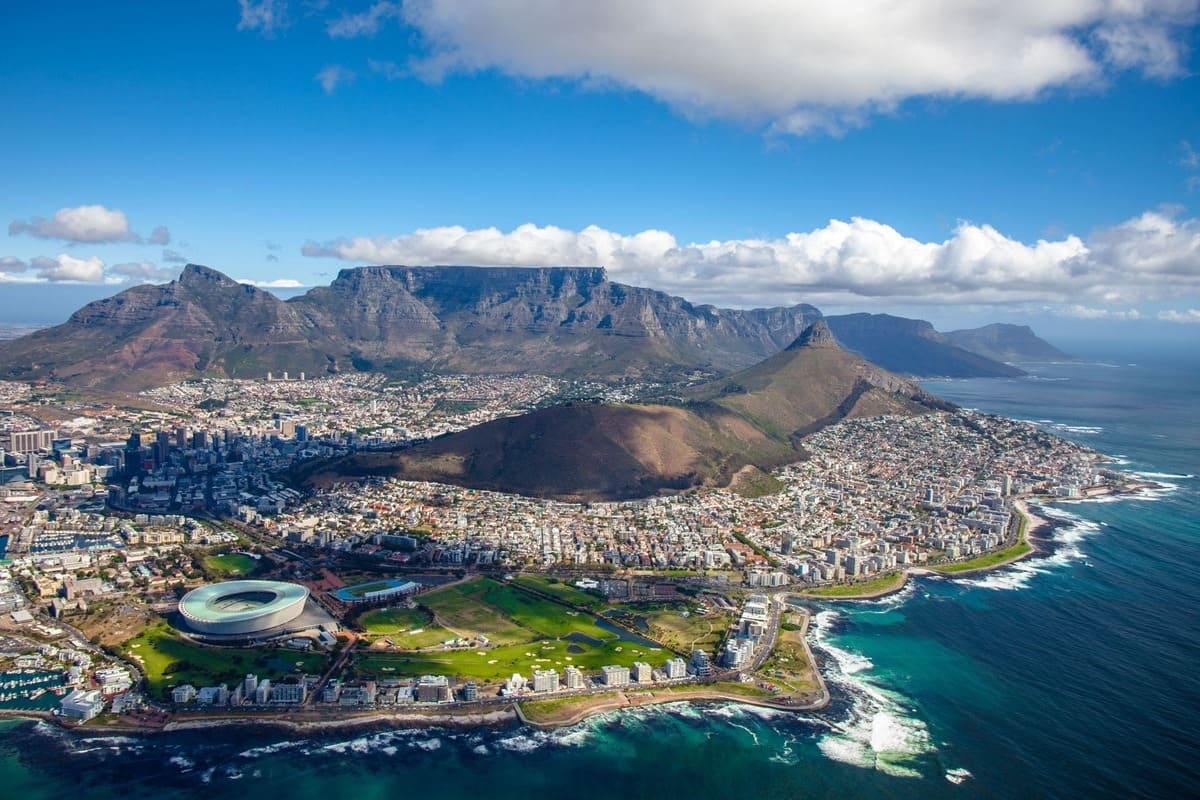
Is Africa Safe for Tourists? A Realistic Safety Guide
Africa is one of the world’s most rewarding travel destinations, offering remarkable wildlife, diverse cultures, breathtaking landscapes, and unforgettable adventures. Every year, millions of visitors travel across the continent to enjoy safaris, mountain gorilla trekking, tropical beaches, cultural experiences, and historic cities.
Despite its popularity, many first-time travellers ask the same question: Is Africa safe for tourists? The answer is yes, but like travelling anywhere in the world, safety depends on choosing the right destinations, planning carefully, and following sensible precautions.
Africa is made up of 54 countries, each with its own culture, infrastructure, and travel conditions. It is important to understand that safety varies from one destination to another. Generalizing the entire continent is neither accurate nor helpful.
For 2026 and 2027, many African destinations continue to welcome international visitors with well-developed tourism industries, experienced guides, and high safety standards. Understanding how to travel responsibly allows you to enjoy Africa with confidence.
Is Africa Safe to Visit?
Africa is home to many safe and well-established tourist destinations. Countries such as Botswana, Namibia, Rwanda, Uganda, Tanzania, Kenya, Mauritius, Zambia, Zimbabwe, South Africa, and Mozambique receive visitors from around the world every year.
Popular national parks, wildlife reserves, and beach destinations are designed for tourism and are supported by experienced guides, professional safari operators, and accommodation providers that prioritize guest safety.
Most travellers complete their holidays without experiencing any serious problems. As with any international trip, staying informed and making sensible decisions helps reduce potential risks.
Choosing a reputable tour operator is one of the best ways to enjoy a safe and well-organized journey.
Why Does Africa Have a Reputation for Being Unsafe?
Many people’s perceptions of Africa are shaped by news headlines that focus on political events, natural disasters, or isolated security incidents.
Because Africa is such a large continent, news from one country is often incorrectly associated with the entire region.
In reality, travelling in Botswana is very different from travelling in Morocco, and visiting Rwanda is a completely different experience from visiting Egypt or Namibia.
Understanding your specific destination provides a much more accurate picture than relying on general assumptions about Africa.
Are African Safaris Safe?
African safaris are generally very safe when organized by experienced operators.
Professional safari guides receive extensive training in wildlife behavior, guest safety, and emergency procedures. National parks and private reserves also have strict regulations that help protect both visitors and animals.
Guests are briefed before activities, and guides explain how to behave during game drives, walking safaris, boat cruises, and wildlife encounters.
Following your guide’s instructions is one of the most important safety measures during any safari.
Is Wildlife Dangerous?
Africa is home to powerful wild animals, but dangerous encounters are extremely rare when visitors follow professional guidance.
Safari vehicles provide a safe platform for observing wildlife, and animals are accustomed to their presence.
Visitors should never leave the vehicle unless instructed by their guide, attempt to approach animals, or feed wildlife.
Activities such as walking safaris and gorilla trekking are carefully managed by trained professionals who understand animal behavior and local conditions.
Respecting wildlife ensures a safe experience for both visitors and animals.
Safety in National Parks and Safari Lodges
Safari lodges and camps place a strong emphasis on guest safety.
Many accommodations are located inside or near wildlife areas, so guests receive clear guidance about moving around the property.
Some camps provide staff escorts after dark because wildlife may pass through the surrounding area.
Listening to lodge staff and following safety instructions allows visitors to enjoy the wilderness responsibly.
Although hearing lions or elephants near your accommodation may seem unusual at first, these experiences are part of staying close to nature.
Is Gorilla Trekking Safe?
Mountain gorilla trekking in Uganda and Rwanda is one of Africa’s safest wildlife experiences.
Treks are organized by national park authorities and led by experienced ranger guides who monitor gorilla families every day.
Visitors receive safety briefings before entering the forest and follow strict guidelines designed to protect both people and the endangered gorillas.
The trekking groups are carefully managed, allowing visitors to enjoy an unforgettable wildlife encounter in a controlled environment.
Health and Medical Safety
Preparing for your safari includes understanding the health requirements of your destination.
Some countries recommend or require vaccinations such as yellow fever, while malaria prevention may be advised in certain regions.
Travellers should consult a healthcare professional before departure to discuss recommended vaccinations and medication.
Comprehensive travel insurance that includes emergency medical evacuation is also strongly recommended, especially when visiting remote safari destinations.
Good preparation helps ensure a safe and enjoyable journey.
Is It Safe to Travel Independently in Africa?
Many travelers successfully explore parts of Africa independently, particularly in cities and well-developed tourism regions.
However, first-time visitors often find that organized safaris provide a more convenient and secure experience.
Professional operators arrange transportation, accommodation, park permits, guides, and activities, allowing travelers to focus on enjoying their holiday.
For multi-country itineraries or remote wilderness areas, guided travel often offers greater comfort and peace of mind.
Personal Safety Tips for Travellers
Simple travel habits can greatly improve your safety while exploring Africa.
Keep valuables secure and avoid displaying expensive jewelry or large amounts of cash in public. Use hotel safes where available and carry only what you need for the day.
Remain aware of your surroundings in busy urban areas, just as you would in any major city around the world.
Using licensed transportation and following local advice also helps create a smoother travel experience.
Good judgement is often the best form of travel safety.
Is South Africa Safe for Tourists?
South Africa is one of Africa’s most visited destinations and offers excellent safari experiences, beautiful cities, and stunning coastlines.
Like many countries, some urban areas require greater awareness, particularly regarding personal belongings and late-night travel.
Popular tourism regions such as Kruger National Park, the Cape Winelands, the Garden Route, and many private reserves are well established and regularly visited by international travellers.
Using trusted accommodation, reputable transport providers, and sensible precautions allows visitors to enjoy South Africa confidently.
Safety in East Africa
East Africa is home to some of the continent’s most famous safari destinations.
Kenya and Tanzania attract wildlife enthusiasts from around the world with destinations such as the Maasai Mara, Serengeti, Ngorongoro Crater, and Amboseli National Park.
Uganda and Rwanda are internationally recognized for mountain gorilla trekking and well-managed national parks.
Travelling with experienced guides and reputable operators helps ensure a safe and enjoyable experience throughout the region.
Safety in Southern Africa
Southern Africa offers many destinations known for their stable tourism industries and exceptional wildlife experiences.
Botswana is widely recognized for its well-managed safari sector and conservation-focused tourism.
Namibia is popular for self-drive holidays thanks to its good road network and peaceful atmosphere.
Zimbabwe, Zambia, and Mozambique continue attracting visitors with Victoria Falls, national parks, and beautiful coastal destinations.
Each country has its own travel advice, so checking current information before departure is always recommended.
Safety at the Beach and Coastal Destinations
Africa’s coastal destinations are generally safe for tourists who follow normal travel precautions.
When visiting beaches in Zanzibar, Mauritius, Mozambique, or Kenya, pay attention to local swimming conditions and follow advice from lifeguards where available.
Avoid leaving valuables unattended on the beach, and use licensed operators for water activities such as diving, snorkeling, and boat excursions.
Responsible planning helps you enjoy these beautiful destinations with confidence.
Is Africa Safe for Families?
Africa is an excellent destination for family holidays.
Many safari lodges and beach resorts welcome children and offer family-friendly accommodation, educational activities, and experienced guides.
Families should choose destinations and activities that are suitable for the ages of their children.
Working with a safari specialist helps ensure that accommodation and activities meet your family’s needs.
Is Africa Safe for Solo Travellers?
Solo travel continues to grow across Africa, particularly among wildlife enthusiasts and adventure travelers.
Many organized safari tours welcome solo guests and provide opportunities to meet other travelers.
Choosing reputable accommodation, arranging airport transfers in advance, and following local advice helps create a safe and enjoyable solo journey.
Many travellers find Africa to be both welcoming and rewarding when travelling independently.
Common Travel Safety Mistakes to Avoid
Many travel problems can be avoided through simple preparation.
Ignoring local advice, travelling without insurance, booking with unlicensed operators, or carrying unnecessary valuables can increase risks.
Another common mistake is failing to check visa requirements, vaccination recommendations, or weather conditions before departure.
Taking time to prepare thoroughly helps prevent unnecessary complications during your trip.
Should You Buy Travel Insurance?
Travel insurance is highly recommended for any African holiday.
A comprehensive policy should include medical expenses, emergency evacuation, trip cancellation, baggage protection, and travel delays.
Insurance provides financial protection and peace of mind if unexpected situations occur during your journey.
Considering the investment involved in most safaris, travel insurance is an essential part of responsible trip planning.
Final Thoughts on Travelling Safely in Africa
Africa is a diverse continent filled with extraordinary destinations, welcoming people, and unforgettable experiences. While every journey requires sensible precautions, millions of travellers visit Africa safely every year.
The key to a successful trip is choosing reputable operators, following local guidance, preparing properly, and respecting the environment and local communities.
Whether you are planning a Big Five safari, gorilla trekking adventure, cultural tour, or beach holiday, Africa offers incredible opportunities for travelers who plan responsibly.
With the right preparation, your African adventure can be both safe and unforgettable.
Plan Your African Adventure with Confidence
Planning ahead is the best way to enjoy a safe and rewarding holiday in Africa.
An experienced safari operator can help you choose the right destinations, arrange reliable transportation, recommend quality accommodation, and provide practical travel advice before you depart.
Start planning your African journey today and discover the beauty, wildlife, and cultures that make the continent one of the world’s greatest travel destinations.