
Spice Tour in Zanzibar
July 29, 2026
White Water Rafting the Zambezi
July 29, 2026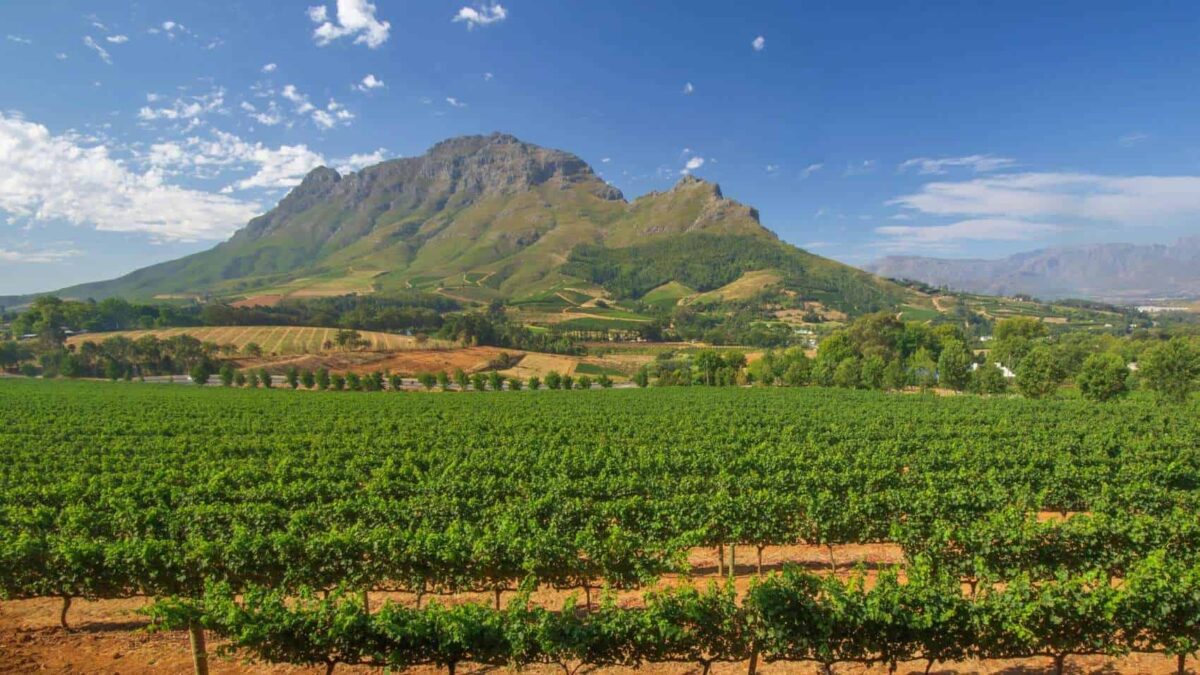
Cape Winelands Guide: Stellenbosch, Franschhoek & Paarl
The Cape Winelands are among the most beautiful destinations to visit in South Africa. Located close to Cape Town, this famous region combines vineyards, historic towns, dramatic mountains, excellent food, and centuries of winemaking tradition.
Stellenbosch, Franschhoek, and Paarl are the three best-known towns in the Cape Winelands. Each destination has its own character, making it worthwhile to explore more than one during your South Africa holiday.
A visit to the Cape Winelands is not only about wine tasting. The region also offers historic architecture, farm-to-table dining, art galleries, scenic drives, boutique accommodation, and outdoor experiences.
Where Are the Cape Winelands?
The Cape Winelands lie in the Western Cape, within easy reach of Cape Town. Stellenbosch sits roughly an hour from the city, while Franschhoek and Paarl are also accessible by road.
The region is surrounded by mountains and rolling vineyards. This landscape creates some of the most attractive countryside in South Africa, especially when viewed from the scenic wine estates.
The Mediterranean-style climate also supports excellent grape growing. Warm summers, cooler evenings, and varied soils help produce a wide range of South African wines.
Travellers can visit the Winelands as a day trip from Cape Town. However, staying for two or three nights allows enough time to explore the vineyards without rushing.
Stellenbosch: The Historic Heart of the Winelands
Stellenbosch is one of the most popular destinations in the Cape Winelands. The town combines a historic center, beautiful vineyards, excellent restaurants, and a lively student atmosphere.
Stellenbosch was established in 1679 and became an important center for agriculture and wine production. Its long history is visible in the Cape Dutch, Georgian, and Victorian buildings found around the town.
Walking through Stellenbosch provides an enjoyable introduction to the area’s heritage. Oak-lined streets lead past historic homes, museums, galleries, cafés, and restaurants.
The town also provides easy access to surrounding wine estates. Visitors can spend the morning exploring the historic center before heading into the countryside for wine tasting.
Wine Tasting in Stellenbosch
Stellenbosch offers an impressive selection of wine estates. Some focus on traditional wine tasting, while others combine wine with food, art, gardens, or scenic views.
Cabernet Sauvignon, Chenin Blanc, Shiraz, Pinotage, and Chardonnay are among the varieties you may encounter. The exact selection depends on the estate and season.
Many estates offer guided tastings that explain the winemaking process. You can learn how grapes are harvested, fermented, matured, and eventually transformed into different styles of wine.
For travellers who enjoy food, several estates offer wine-and-cheese pairings or longer dining experiences. These can turn a simple tasting into a relaxed afternoon in the countryside.
Stellenbosch Wine Routes
The Stellenbosch Wine Routes connect numerous wine estates around the region. These routes make it easier for visitors to plan tastings according to their interests.
Some estates specialize in premium wines and elegant tasting rooms. Others focus on family traditions, sustainable farming, historic buildings, or beautiful outdoor settings.
You do not need to visit many estates in one day. Two or three well-chosen stops can provide a much better experience than rushing through several tasting rooms.
A private guide or driver can also make the day easier. This allows everyone in the group to enjoy tastings without worrying about driving afterward.
Franschhoek: The French Corner of South Africa
Franschhoek is famous for its wine estates, restaurants, mountain scenery, and French heritage. The name means “French Corner,” reflecting the arrival of French Huguenots in the late seventeenth century.
The French settlers contributed to the development of agriculture and viticulture in the region. Their influence remains visible in local place names, food traditions, architecture, and wine culture.
Franschhoek has a sophisticated atmosphere that attracts travelers seeking food and wine experiences. The town itself contains galleries, boutiques, cafés, restaurants, and historic buildings.
The surrounding valley is equally impressive. Vineyards stretch between dramatic mountain ranges, creating spectacular scenery for scenic drives and photography.
Wine Tasting in Franschhoek
Franschhoek offers a wide range of wine experiences. Estates produce varieties such as Chardonnay, Sauvignon Blanc, Cabernet Sauvignon, Shiraz, and Méthode Cap Classique sparkling wines.
Some estates combine wine tasting with gourmet food. Others provide beautiful gardens, mountain views, picnic areas, or relaxed outdoor spaces.
The region is particularly attractive to travelers who enjoy combining wine with gastronomy. A long lunch overlooking vineyards can easily become one of the highlights of a Cape Town trip.
Visitors can also explore wine estates at a slower pace. Instead of trying to visit every property, choose a few that match your interests and spend more time at each.
The Franschhoek Wine Tram
The Franschhoek Wine Tram is one of the region’s best-known tourism experiences. It allows visitors to explore several wine estates without needing to drive between them.
The experience combines tram and open-air transport with stops at participating wine farms. Travellers can choose routes based on the estates and experiences they prefer.
It is especially convenient for visitors who want to taste wine responsibly. The tram also creates a relaxed way to enjoy the scenery between stops.
Schedules and participating estates can change, so check current arrangements before travelling. Booking ahead is advisable during busy periods.
Paarl: Wine, Mountains, and Heritage
Paarl offers a different atmosphere from Stellenbosch and Franschhoek. The town lies beneath the distinctive granite formations of Paarl Mountain and has a strong agricultural and cultural heritage.
The name Paarl means “pearl” in Dutch. It refers to the appearance of the granite mountain after rain, when the rock can shine in the sunlight.
Paarl has a long connection with vineyards and fruit farming. Its wine estates provide opportunities for tastings, dining, and relaxing in beautiful countryside.
The town also has historical significance in the development of Afrikaans. Visitors interested in South African culture can explore several landmarks connected with the language.
Paarl Wine Estates
Paarl’s wine estates offer a more relaxed alternative to some of the busier properties around Stellenbosch and Franschhoek. Many estates combine wine production with gardens, restaurants, accommodation, and outdoor activities.
The area’s warm climate supports several grape varieties. Red wines are particularly important, although visitors can find a broad selection of styles.
Wine tasting in Paarl can also be combined with local food. Cheese, chocolate, olives, and fresh produce often feature in estate experiences.
The quieter atmosphere can appeal to travellers who prefer a slower pace. You can enjoy the scenery and wines without feeling pressured to follow a busy itinerary.
Cape Dutch Architecture in the Winelands
Architecture is an important part of the Cape Winelands experience. Historic estates and towns feature buildings influenced by Dutch, French, Georgian, and Victorian traditions.
Cape Dutch architecture is particularly recognizable for its whitewashed walls, ornate gables, and symmetrical designs. Many historic buildings have been preserved and now form part of wine estates, museums, or heritage properties.
Stellenbosch has some of the best examples of historic Cape architecture. Walking through its old streets allows visitors to appreciate the relationship between architecture and the region’s agricultural history.
Franschhoek also contains historic buildings that reflect the influence of French settlers. Together, these architectural traditions help explain the cultural development of the Western Cape.
Food in the Cape Winelands
Food is one of the strongest reasons to spend time in the Cape Winelands. The region’s fertile farmland provides fresh fruit, vegetables, herbs, cheese, meat, and other ingredients used by local restaurants.
Many wine estates have restaurants that combine regional ingredients with modern South African cuisine. Some offer tasting menus designed specifically to complement their wines.
Cape Malay influences can also be found in Western Cape cuisine. Spices, curries, pickled foods, and other dishes reflect the region’s complex cultural history.
A Winelands food experience can therefore tell a broader story than wine alone. It connects agriculture, migration, heritage, and contemporary South African cooking.
Wine and Cheese Pairing
Wine and cheese pairing is a popular experience throughout the Cape Winelands. The combination allows visitors to compare how different flavors interact.
Cheeses can range from soft and creamy varieties to mature and strongly flavored options. Local estates may pair them with white wines, red wines, sparkling wines, or dessert wines.
A guided tasting helps explain why certain combinations work well together. You can learn how acidity, sweetness, tannins, and texture affect the experience.
This makes wine and cheese tasting enjoyable even for visitors who have little previous wine knowledge. You can simply focus on tasting and discovering what you enjoy.
Chocolate and Wine Pairing
Chocolate and wine pairing offers another popular Winelands experience. Dark chocolate can complement certain red wines, while sweeter or lighter combinations can work with other styles.
Some estates create specific pairing menus using locally produced chocolate. These experiences can introduce travelers to different flavor combinations in a relaxed setting.
The activity also works well for couples and honeymoon travelers. It provides a slower alternative to traditional wine tasting.
If you have dietary restrictions or allergies, inform the estate before booking. Pairing menus may contain nuts, dairy, gluten, or other ingredients.
Best Time to Visit the Cape Winelands
The Cape Winelands can be visited throughout the year, but each season offers something different. Summer generally brings warm, dry weather that suits outdoor tastings and vineyard visits.
Autumn can be particularly appealing because the vineyards begin changing color. The harvest season also brings increased activity across many wine estates.
Winter can be cooler and wetter, but it offers a quieter atmosphere. It can be a good time for travellers who prefer fewer crowds and cosy restaurant experiences.
Spring brings fresh greenery and flowers across the countryside. The exact conditions vary each year, so travellers should check the forecast before planning outdoor activities.
How Many Days Do You Need?
A day trip can provide a quick introduction to the Cape Winelands. You can visit one or two estates before returning to Cape Town in the evening.
However, two or three nights provide a more relaxed experience. This gives you time to explore Stellenbosch, Franschhoek, and Paarl without spending the entire trip on the road.
A longer stay also allows room for activities beyond wine tasting. You can add hiking, cycling, cooking classes, heritage tours, spa treatments, and gourmet dining.
Travellers with more time can also use the Winelands as part of a wider Western Cape itinerary. Cape Town, Hermanus, the Garden Route, and the Overberg can all complement a Winelands visit.
Getting Around the Cape Winelands
Driving is one of the easiest ways to move around the region. However, visitors who plan to taste several wines should avoid driving after drinking.
Private transfers and guided tours provide a safer alternative. They also allow travelers to focus on the scenery and experiences rather than navigation.
The Franschhoek Wine Tram provides another option for exploring selected estates. It works particularly well for visitors staying around Franschhoek.
Cycling is possible in some areas, although road conditions, distances, weather, and alcohol consumption should be considered carefully. Safety should always come first.
Cape Winelands for Couples
The Cape Winelands are an excellent destination for couples visiting South Africa. Scenic vineyards, intimate restaurants, historic estates, and mountain views create a naturally romantic setting.
Couples can enjoy private wine tastings, spa treatments, vineyard lunches, and sunset experiences. Many properties also offer beautiful accommodation within the wine country.
Franschhoek is particularly popular for honeymooners. However, Stellenbosch and Paarl provide equally appealing options for couples who prefer historic towns or quieter countryside.
The region also works well as an extension to a Cape Town honeymoon. A few nights among the vineyards can provide a peaceful contrast to the city’s energy.
Cape Winelands for Families
Families can also enjoy the Cape Winelands, although parents should select estates carefully. Many properties offer gardens, open spaces, farm activities, and family-friendly restaurants.
Some estates provide activities that keep children engaged while adults enjoy tastings. Others offer picnic areas and outdoor spaces where families can relax together.
The region also has attractions beyond wine. Hiking, cycling, historic sites, farm experiences, and scenic drives provide alternatives for younger travellers.
Parents should check age policies before booking specific tastings or activities. Each wine estate has its own rules and facilities.
Cape Winelands Beyond Wine
The Cape Winelands offer much more than vineyards. Outdoor enthusiasts can explore hiking trails, mountain viewpoints, cycling routes, and scenic countryside.
Art lovers can visit galleries and studios scattered throughout the region. Historic museums and heritage sites also provide insight into the area’s complex past.
Wellness experiences are another popular option. Several properties offer spas, gardens, yoga, and peaceful countryside settings.
This variety makes the Winelands suitable for travellers who do not drink wine. You can enjoy the food, scenery, architecture, culture, and outdoor activities without participating in tastings.
Responsible Wine Tourism
Responsible travel matters in the Cape Winelands because agriculture and tourism are closely connected. Choosing estates that support sustainable farming, water conservation, local employment, and community initiatives can make your visit more meaningful.
The Western Cape faces periods of water stress, making responsible water management especially important. Visitors can contribute by avoiding unnecessary water use during their stay.
Supporting local producers also helps spread tourism benefits. Buying regional food, visiting local businesses, and choosing community-focused experiences can contribute to the area’s economy.
Responsible wine tourism allows visitors to enjoy the region while respecting the people, farms, and environment that make it special.
Stellenbosch vs Franschhoek vs Paarl
Stellenbosch is ideal for travellers who want history, wine, architecture, restaurants, and easy access to many estates. Its combination of university life and heritage gives the town a lively atmosphere.
Franschhoek is particularly attractive for food lovers, couples, and travelers seeking elegant wine estates and mountain scenery. The Wine Tram also makes it convenient for visitors who do not want to drive.
Paarl offers a quieter experience with strong agricultural, cultural, and historical connections. It suits travellers who prefer less crowded surroundings and want to explore beyond the most famous Winelands towns.
If you have enough time, visiting all three provides the most complete experience. Each destination adds something different to the Cape Winelands story.
Plan Your Cape Winelands Experience
The Cape Winelands provide one of the best additions to a South African holiday. Stellenbosch brings history and classic wine-country charm, Franschhoek combines French heritage with food and wine, while Paarl offers scenic landscapes and a quieter cultural experience.
A well-planned itinerary should allow time to enjoy each destination without rushing between estates. Add local cuisine, heritage sites, scenic drives, and outdoor activities to experience the region beyond wine tasting.
Whether you are planning a romantic honeymoon, a family holiday, or a wider South Africa safari, the Cape Winelands can fit naturally into your journey. From vineyard-covered valleys to historic streets and mountain landscapes, this region offers a memorable taste of the Western Cape.