
Botswana Itinerary: How to Spend 10 Days in the Bush
July 27, 2026
Tanzania Safari Itinerary
July 27, 2026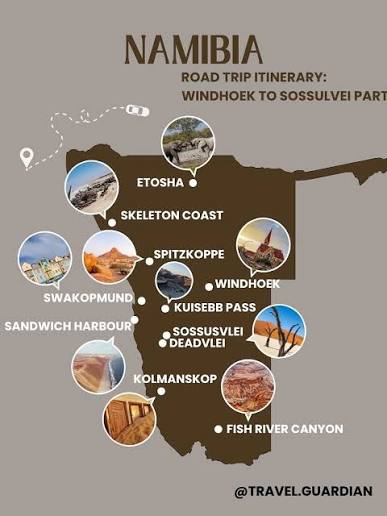
Namibia Road Trip Itinerary: 14 Days of Desert & Wildlife
Namibia is one of Africa’s best destinations for an unforgettable road trip. Its vast open spaces, dramatic deserts, wildlife-rich parks, and remote landscapes create a journey unlike any other safari experience.
A 14-day Namibia road trip allows you to experience the country at a comfortable pace. You can explore the red dunes of Sossusvlei, discover the Atlantic coast, search for wildlife in Etosha National Park, and experience the rugged beauty of Damaraland.
The beauty of travelling by road is the freedom to stop and enjoy the landscapes along the way. You can photograph desert scenery, visit remote communities, explore geological formations, and enjoy spectacular sunsets.
For 2026 and 2027, Namibia remains an excellent choice for couples, families, photographers, and adventurous travellers. The country offers excellent roads, comfortable accommodation, and some of Africa’s most extraordinary scenery.
Day 1: Arrive in Windhoek
Your Namibia adventure begins in Windhoek, the country’s capital. After arriving at Hosea Kutako International Airport, transfer to your hotel and settle in.
Use the afternoon to rest after your journey. If you arrive early, you can explore central Windhoek and visit some of the city’s cultural attractions.
Windhoek provides an easy introduction to Namibia. The city blends African influences with German colonial architecture and a relaxed atmosphere.
Enjoy dinner at a local restaurant before preparing for the road trip ahead.
Overnight: Windhoek
Meal Plan: Bed and Breakfast
Day 2: Windhoek to Sossusvlei
After breakfast, begin your journey towards the Namib Desert and Sossusvlei. The road takes you through changing landscapes as the city disappears behind you.
The journey itself is part of the experience. Namibia’s enormous landscapes create excellent opportunities for photography, especially around mountain passes and open desert plains.
Arrive near Sossusvlei and settle into your lodge. If time allows, enjoy a short nature drive or relax while watching the sunset.
The desert becomes particularly beautiful during the late afternoon. The changing light creates warm colours across the surrounding mountains and dunes.
Overnight: Sossusvlei
Meal Plan: Bed and Breakfast
Day 3: Sossusvlei, Deadvlei and Sesriem Canyon
Wake before sunrise and travel towards the dunes of Sossusvlei. Entering the park early allows you to experience the desert during the cooler hours.
Climb one of the enormous dunes for panoramic views across the Namib Desert. The contrast between red sand, blue sky, and distant mountains creates some of Namibia’s most iconic scenery.
Continue to Deadvlei, where ancient camel thorn trees stand against the white clay pan. The striking landscape makes this one of Africa’s most photographed locations.
Later, visit Sesriem Canyon before returning to your lodge. Spend the evening relaxing and enjoying the desert surroundings.
Overnight: Sossusvlei
Meal Plan: Bed and Breakfast
Day 4: Sossusvlei to Swakopmund
Leave the desert after breakfast and continue towards Swakopmund. The landscape changes dramatically as you approach the Atlantic Ocean.
The route passes through rugged desert terrain and remote settlements. You can stop along the way for photographs and short breaks.
Arrive in Swakopmund during the afternoon and check into your accommodation. The coastal town offers a completely different atmosphere from the desert.
Spend the evening walking along the waterfront or enjoying dinner at one of the town’s restaurants.
Overnight: Swakopmund
Meal Plan: Bed and Breakfast
Day 5: Swakopmund Adventure Day
Spend today exploring the coastline and surrounding desert. Swakopmund provides numerous activities for travellers seeking adventure.
You can enjoy a scenic desert excursion, quad biking, sandboarding, or a guided coastal experience. Boat trips from nearby Walvis Bay can also provide opportunities to see dolphins, seals, and seabirds.
For a quieter experience, explore the town’s shops, cafés, and historic buildings. The combination of ocean and desert makes the area especially interesting.
Enjoy another evening beside the Atlantic before continuing your road trip.
Overnight: Swakopmund
Meal Plan: Bed and Breakfast
Day 6: Swakopmund to Damaraland
After breakfast, continue north towards Damaraland. The route takes you deeper into one of Namibia’s most rugged regions.
Damaraland features rocky mountains, dry riverbeds, open plains, and fascinating geological formations. The scenery changes constantly as you travel through the region.
Depending on your route, you can visit ancient rock engravings at Twyfelfontein. The site provides valuable insight into the history of early communities in the region.
Arrive at your lodge and enjoy the surrounding wilderness. A sunset drive can provide a beautiful introduction to Damaraland.
Overnight: Damaraland
Meal Plan: Bed and Breakfast
Day 7: Explore Damaraland
Spend a full day exploring Damaraland. The region is known for its rugged beauty and desert-adapted wildlife.
A guided excursion can take you in search of desert-adapted elephants. These animals have adapted to the harsh conditions and can travel considerable distances between water sources.
You can also explore rocky landscapes and search for wildlife around seasonal riverbeds. The experience is less about large concentrations of animals and more about understanding how life survives in the desert.
Return to your lodge in the afternoon and enjoy the peaceful surroundings.
Overnight: Damaraland
Meal Plan: Bed and Breakfast
Day 8: Damaraland to Etosha National Park
Today, drive towards Etosha National Park. This is where the road trip changes from desert scenery to one of Namibia’s most important wildlife environments.
Etosha is centred around a huge salt pan surrounded by grasslands, woodland, and waterholes. The park supports elephants, lions, rhinos, giraffes, zebras, and numerous antelope species.
Arrive at your accommodation and enjoy an afternoon game drive. Waterholes can provide excellent opportunities to see wildlife gathering together.
As the sun begins to set, return to your lodge or camp for dinner.
Overnight: Etosha National Park
Meal Plan: Bed and Breakfast
Day 9: Full-Day Safari in Etosha
Start early for a full day of wildlife viewing in Etosha National Park. The cooler morning hours can be particularly productive for wildlife sightings.
Drive between different waterholes while watching for elephants, lions, giraffes, zebras, and antelope. Rhinos can also be seen in the park, although sightings depend on location and season.
The Etosha Pan creates an unusual background for photography. The white landscape contrasts beautifully with wildlife and the surrounding vegetation.
Spend the night near the park and prepare for another wildlife experience the following day.
Overnight: Etosha National Park
Meal Plan: Bed and Breakfast
Day 10: Etosha Wildlife Experience
Enjoy another full day exploring Etosha. Having several days in the park allows you to explore different areas and spend more time at productive waterholes.
Your guide or self-drive route can focus on areas where wildlife activity is strongest. Patience is important because animals often arrive at waterholes unexpectedly.
Elephants can provide particularly memorable sightings. You may also encounter large herds of zebra and springbok moving across the plains.
Return to your accommodation after your final game drive and enjoy a relaxed evening.
Overnight: Etosha National Park
Meal Plan: Bed and Breakfast
Day 11: Etosha to Grootfontein
After breakfast, leave Etosha and continue towards Grootfontein. The route takes you through a quieter part of northern Namibia.
You can make stops along the way to explore local communities and small towns. These experiences provide a different perspective on life outside Namibia’s major tourism destinations.
Depending on your interests, you can visit cultural attractions or simply enjoy the changing landscapes.
Spend the evening relaxing at your accommodation and preparing for the final stage of your journey.
Overnight: Grootfontein
Meal Plan: Bed and Breakfast
Day 12: Grootfontein to Waterberg
Continue towards the Waterberg region after breakfast. The Waterberg Plateau provides a striking contrast to Namibia’s flatter desert landscapes.
The area is known for its red sandstone cliffs, vegetation, and wildlife. Guided walks and nature drives provide opportunities to explore the surrounding environment.
The Waterberg region also has important conservation significance. Several endangered species have been protected through conservation programmes in the area.
Enjoy a relaxed evening surrounded by the natural beauty of the plateau.
Overnight: Waterberg
Meal Plan: Bed and Breakfast
Day 13: Waterberg to Windhoek
After breakfast, begin your final drive towards Windhoek. The journey provides a chance to reflect on the landscapes and experiences from the previous days.
Depending on your arrival time, you can enjoy a relaxed afternoon in the capital. Visit local markets, explore the city centre, or enjoy a final Namibian meal.
You can also use the afternoon to purchase souvenirs before your international departure.
Overnight: Windhoek
Meal Plan: Bed and Breakfast
Day 14: Departure from Namibia
Enjoy your final breakfast before transferring to Hosea Kutako International Airport.
If your flight departs later, you can enjoy some additional time in Windhoek. Make sure you allow enough time for the drive to the airport and international check-in.
Your 14-day Namibia road trip ends with memories of towering dunes, desert wildlife, Atlantic beaches, rugged mountains, and vast open landscapes.
Meal Plan: Breakfast
Why This Namibia Road Trip Works
This 14-day route provides a balanced introduction to Namibia’s most rewarding landscapes. You experience the desert around Sossusvlei, the Atlantic coast around Swakopmund, the rugged wilderness of Damaraland, and wildlife in Etosha.
The itinerary also avoids trying to cover every part of Namibia. The country’s distances are considerable, so allowing enough time for each region makes the journey more enjoyable.
The route creates a natural progression from desert to coast, wilderness, wildlife, and finally the capital. Each destination feels different, which keeps the road trip interesting from beginning to end.
Best Time for a Namibia Road Trip
Namibia is a year-round destination, but the dry season from May to October is particularly popular.
During these months, wildlife viewing in Etosha can be excellent because animals gather around permanent waterholes. The cooler temperatures also make road trips and outdoor activities more comfortable.
The months between November and April bring warmer weather and occasional rainfall. The desert can become greener, while dramatic clouds can create beautiful photography conditions.
For wildlife-focused travellers, June to October is often the strongest period. For photographers seeking landscapes and fewer visitors, other months can also be rewarding.
Driving in Namibia
Namibia is well suited to self-drive travel, although distances between destinations can be long. Drivers should plan carefully and allow plenty of time for stops and changing road conditions.
Many routes use gravel roads rather than paved highways. Driving slowly and carefully is important, especially when travelling long distances.
Fuel stations can be widely spaced in remote areas. Always keep the vehicle fuelled and carry enough drinking water for longer journeys.
Travellers who prefer not to drive can also arrange a private guided road trip. This allows you to focus on the scenery while an experienced driver handles the journey.
What Wildlife Can You See in Namibia?
Namibia offers a fascinating range of wildlife adapted to different environments. Etosha National Park is the main highlight for traditional safari experiences.
Elephants, lions, rhinos, giraffes, zebras, wildebeest, springbok, and numerous other species can be found in the park. Etosha also provides excellent opportunities for birdwatching.
Damaraland offers the possibility of seeing desert-adapted elephants and other wildlife. These encounters provide a different experience from the larger concentrations found around Etosha’s waterholes.
Namibia’s wildlife is often best appreciated as part of the landscape. The combination of animals, mountains, desert, and open skies creates exceptional photography opportunities.
Is Namibia Good for a Family Road Trip?
Namibia can be an excellent family destination for families comfortable with long road journeys. The country’s dramatic landscapes and wildlife can keep older children and teenagers engaged throughout the trip.
Etosha is particularly rewarding for families because wildlife can often be seen around waterholes. Children can observe elephants, zebras, giraffes, and other animals without needing to spend every moment searching through thick vegetation.
Families should plan shorter driving days where possible. Comfortable accommodation and regular breaks can also make the experience easier for younger travellers.
A private guided trip can be a good alternative for families who prefer not to manage long-distance driving themselves.
What to Pack for a Namibia Road Trip
Pack lightweight clothing for warm days and warmer layers for cool mornings and evenings. Temperatures can change considerably between day and night, particularly in desert regions.
Comfortable walking shoes are important for exploring dunes, canyons, and nature trails. A hat, sunglasses, sunscreen, and reusable water bottle are also essential.
Bring binoculars for wildlife viewing and a camera with enough storage. A power bank can be useful when travelling through remote areas.
If you are self-driving, also carry additional water and basic travel supplies. Your operator or vehicle provider can advise you about specific equipment before departure.
Plan Your Namibia Road Trip
A 14-day Namibia road trip provides an incredible combination of adventure, wildlife, and scenery. You can walk among enormous desert dunes, explore rugged mountains, discover coastal towns, and watch wildlife around Etosha’s waterholes.
The key is to travel at a comfortable pace. Namibia rewards travellers who take time to stop, photograph the landscapes, and appreciate the enormous spaces between destinations.
Plan your Namibia road trip for 2026 or 2027 and discover a country where desert landscapes, wildlife, adventure, and freedom come together in one unforgettable journey.