
South Africa Itinerary: The Perfect 2-Week Trip
July 27, 2026
Namibia Road Trip Itinerary
July 27, 2026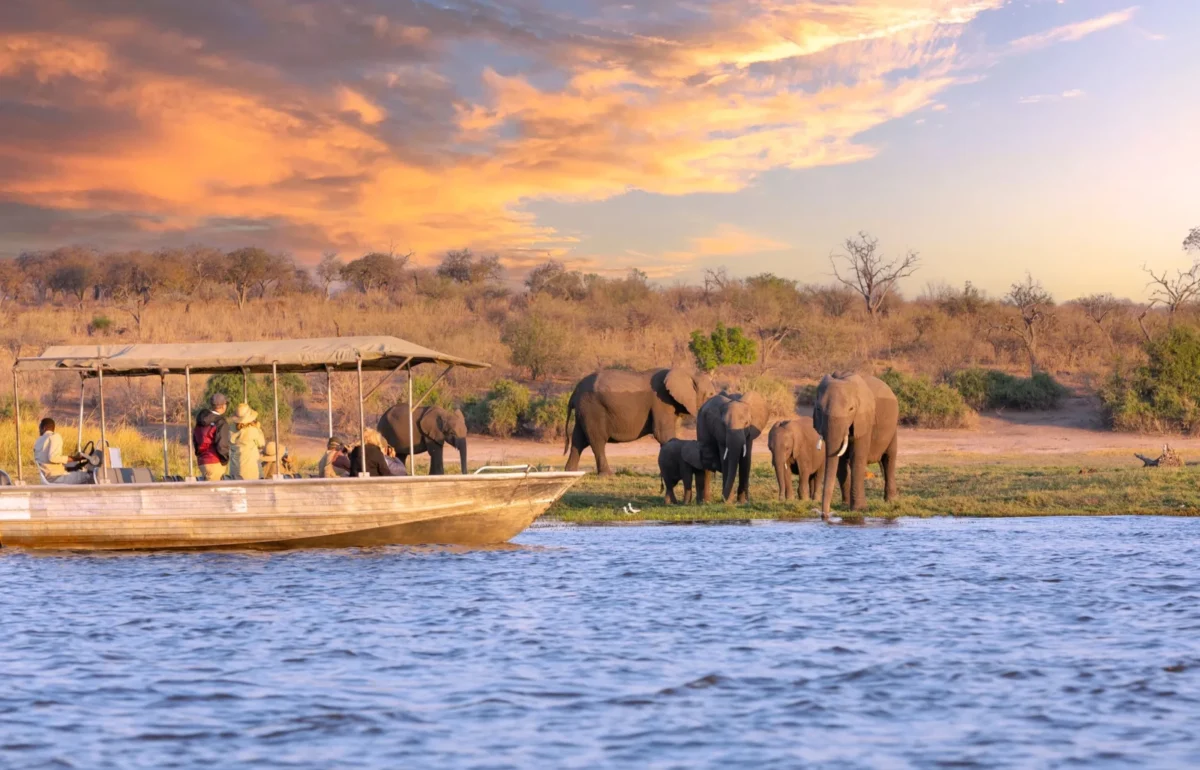
Botswana Itinerary: How to Spend 10 Days in the Bush
Botswana is one of Africa’s most rewarding safari destinations for travelers seeking wilderness, wildlife, and remote landscapes. Its low-density tourism model creates an intimate safari experience across some of the continent’s most spectacular ecosystems.
A 10-day Botswana itinerary can combine the Okavango Delta, Moremi, and Chobe National Park. Each destination offers a different experience, from water-based adventures and mokoro excursions to exceptional game drives and river safaris.
Botswana works especially well for travellers who want to spend more time in nature. Rather than rushing between attractions, this itinerary focuses on several nights in each area.
For 2026 and 2027, Botswana remains an excellent choice for couples, wildlife photographers, families with older children, and experienced safari travelers. The combination of remote camps, expert guiding, and extraordinary wildlife creates an unforgettable journey.
Day 1: Arrive in Maun and Fly to the Okavango Delta
Your Botswana safari begins in Maun, the main gateway to the Okavango Delta. After arriving, connect with a light-aircraft flight into the delta.
The flight provides your first view of Botswana’s incredible wilderness. From above, you can see winding channels, islands, floodplains, and wildlife moving across the landscape.
After landing at your remote camp, settle into your accommodation and enjoy lunch. Later, take your first afternoon activity before returning to camp for dinner.
Your first evening introduces you to the sounds of the African bush. As darkness falls, the wilderness becomes peaceful and atmospheric.
Overnight: Okavango Delta
Meal Plan: Full Board
Day 2: Full-Day Okavango Delta Experience
Wake early for your first full day exploring the Okavango Delta. Depending on water levels and your camp location, activities may include game drives, walking, boating, or mokoro excursions.
The delta supports an impressive variety of wildlife. You may encounter elephants, lions, leopards, buffalo, giraffes, zebras, hippos, and many antelope species.
A mokoro excursion provides a completely different perspective. Gliding quietly through narrow channels allows you to appreciate the delta’s vegetation, birds, and waterways without engine noise.
Return to camp during the warmer part of the afternoon. Later, enjoy another activity before dinner beneath the African sky.
Overnight: Okavango Delta
Meal Plan: Full Board
Day 3: Okavango Delta Wildlife and Waterways
Today provides another opportunity to discover the Okavango Delta. No two safari days are exactly the same because wildlife constantly changes its location and behavior.
An early morning game drive can provide opportunities to find predators before the heat of the day. Your guide may follow fresh tracks or investigate recent wildlife activity.
Later, enjoy a peaceful boat excursion through the waterways. Bird enthusiasts can look for African fish eagles, kingfishers, herons, storks, and other species.
The evening offers another opportunity to experience the delta at its most beautiful. Sunset often creates spectacular reflections across the water.
Overnight: Okavango Delta
Meal Plan: Full Board
Day 4: Transfer to Moremi Game Reserve
After breakfast, fly or transfer towards the Moremi Game Reserve. The journey provides another opportunity to appreciate the enormous scale of Botswana’s wilderness.
Moremi occupies a significant part of the Okavango ecosystem. Its combination of floodplains, forests, grasslands, and waterways creates excellent conditions for wildlife.
After arriving at your camp, enjoy lunch and some time to relax. An afternoon game drive introduces you to the area’s different landscapes.
Keep your camera ready because Moremi is known for excellent sightings of elephants, lions, leopards, wild dogs, and other wildlife.
Overnight: Moremi Game Reserve
Meal Plan: Full Board
Day 5: Full-Day Safari in Moremi
Start the day with an early morning game drive through Moremi. The cooler hours provide excellent conditions for wildlife activity and photography.
Moremi is one of Botswana’s most productive wildlife areas. The reserve supports large populations of elephants, buffalo, hippos, giraffes, zebras, antelope, and numerous predators.
Your guide will interpret animal tracks, calls, and behavior throughout the drive. These insights make the safari more meaningful than simply searching for animals.
Return to camp for lunch and relaxation before heading out again in the afternoon.
Overnight: Moremi Game Reserve
Meal Plan: Full Board
Day 6: Moremi Wildlife and Photography
Your final full day in Moremi provides another chance to explore the reserve. You can discuss your interests with your guide and focus on particular wildlife or photography opportunities.
Leopards can be especially rewarding for photographers because their behavior and movements often require patience. Wild dogs also provide exciting sightings when packs are active.
The landscape itself offers excellent photographic opportunities. Floodplains, woodland, waterways, and golden grasslands provide varied backgrounds throughout the day.
End your safari with a sunset drive before returning to camp for dinner.
Overnight: Moremi Game Reserve
Meal Plan: Full Board
Day 7: Fly to Chobe National Park
After breakfast, take a light aircraft flight towards the Chobe region. This transition takes you from the Okavango ecosystem to one of northern Botswana’s most famous wildlife areas.
Chobe National Park is particularly renowned for its large elephant population. The Chobe River provides a vital water source, attracting wildlife from surrounding areas.
After arriving at your lodge or camp, enjoy lunch before relaxing during the afternoon. Depending on your location, you may enjoy an afternoon game drive or boat cruise.
The river creates a beautiful setting for your first Chobe sunset.
Overnight: Chobe National Park
Meal Plan: Full Board
Day 8: Chobe River Safari
Begin your morning with a game drive through Chobe National Park. The area around the river can be particularly productive for wildlife viewing.
Elephants are one of the major highlights. Large herds often gather near the river to drink, bathe, and interact.
After returning for lunch, prepare for a boat safari along the Chobe River. This provides a different perspective and allows you to observe animals from the water.
Hippos, crocodiles, buffalo, and numerous waterbirds can be seen along the shoreline. The afternoon light also creates excellent conditions for photography.
Overnight: Chobe National Park
Meal Plan: Full Board
Day 9: Chobe Wildlife and Sunset Cruise
Enjoy another early game drive through Chobe. Your guide can take you into different sections of the park while searching for predators and other wildlife.
Lions, leopards, buffalo, giraffes, zebras, and several antelope species can be found throughout the ecosystem. The area also supports a remarkable variety of birds.
Spend the afternoon relaxing at your lodge or enjoying a spa treatment if available. Later, head onto the river for a final sunset cruise.
Watching elephants along the river as the sun disappears creates a memorable final evening in the Botswana wilderness.
Overnight: Chobe National Park
Meal Plan: Full Board
Day 10: Final Safari and Departure
Wake early for one final wildlife experience. A morning game drive or river activity provides one last chance to enjoy Botswana’s remarkable wilderness.
Return for breakfast before preparing for your departure. Depending on your flight schedule, transfer to Kasane Airport or connect by light aircraft through a regional gateway.
If you have additional time, you can extend the journey to Victoria Falls. The famous waterfall lies close to Botswana’s northern border and makes an excellent addition to a safari itinerary.
Your 10-day Botswana safari ends with memories of waterways, elephants, predators, sunsets, and remote wilderness.
Meal Plan: Breakfast
Why This 10-Day Botswana Itinerary Works
This itinerary provides a balanced introduction to three of Botswana’s most important safari environments. The Okavango Delta introduces water-based experiences, while Moremi provides diverse landscapes and excellent game viewing.
Chobe then adds a strong river-based safari experience with exceptional elephant sightings. Spending several nights in each destination also prevents the journey from becoming rushed.
The itinerary uses light aircraft connections where practical. This reduces long road journeys and gives you more time to enjoy the wilderness.
It also provides enough time for repeated game drives. This matters because wildlife sightings depend on animal movements, weather, season, and luck.
Best Time for a Botswana Safari
Botswana can be visited throughout the year, but the best season depends on your priorities.
The dry season between June and October is popular for wildlife viewing. Vegetation becomes thinner, while animals increasingly gather around reliable water sources.
The Okavango Delta has a particularly interesting seasonal pattern. Floodwaters often arrive during the dry months, creating spectacular waterways while surrounding areas remain relatively dry.
The green season from November to April brings lush landscapes, dramatic skies, newborn animals, and excellent birdwatching. It can also provide fewer visitors and attractive rates at some camps.
For a first safari, June to October is often an excellent choice. However, a knowledgeable safari operator can recommend the best period based on your specific interests.
How to Travel Around Botswana
Botswana’s safari destinations are spread across a large area. Light aircraft transfers are therefore an important part of many safari itineraries.
Small aircraft connect remote camps and reduce the amount of time spent travelling by road. They also provide incredible aerial views across the delta, floodplains, and surrounding wilderness.
Road transfers can still work well for shorter distances. Your safari operator can determine the most practical combination based on your accommodation and travel dates.
Because many camps operate in remote areas, transport arrangements should be organized well in advance.
What Wildlife Can You See in Botswana?
Botswana provides some of Africa’s best opportunities for observing wildlife in natural environments. The Okavango Delta, Moremi, and Chobe each offer different wildlife experiences.
Elephants are particularly prominent in northern Botswana. Chobe is especially famous for large elephant herds along the river.
Predators are also an important part of the experience. Lions, leopards, cheetahs, hyenas, and African wild dogs can all be encountered depending on the destination and season.
The delta and surrounding wetlands also support remarkable birdlife. Birdwatchers can encounter fish eagles, kingfishers, herons, storks, vultures, and many other species.
What to Expect from Botswana Safari Camps
Botswana’s safari camps are often located in remote wilderness areas. This creates an intimate atmosphere where nature becomes part of everyday life.
Many camps offer comfortable accommodation, excellent dining, guided activities, and personalized service. Some also provide private decks or plunge pools overlooking the surrounding wilderness.
Because camps can be separated by significant distances, light aircraft transfers are common. The remote setting is one of Botswana’s greatest strengths.
Travellers should expect a quieter experience than in many high-volume safari destinations. The emphasis is on wilderness, guiding, wildlife, and conservation rather than large tourist facilities.
Can You Add Victoria Falls to a Botswana Safari?
Yes. Victoria Falls is one of the easiest additions to a Botswana itinerary.
After Chobe National Park, travellers can continue towards Victoria Falls in Zimbabwe or Zambia. The journey can be arranged by road transfer or another suitable connection.
Victoria Falls provides a completely different experience from the safari. You can enjoy viewpoints, Zambezi River cruises, scenic flights, and other activities.
Adding two or three nights at Victoria Falls can create an excellent extension to your Botswana adventure.
Is Botswana Good for a First African Safari?
Botswana is an excellent choice for travellers seeking a high-quality wilderness experience. Its protected areas offer exceptional wildlife and beautiful landscapes with relatively low visitor density.
The country is particularly suitable for couples, photographers, honeymooners, and experienced safari travelers. Families can also enjoy Botswana when accommodation and activities match the children’s ages.
The main consideration is that Botswana can cost more than some other safari destinations. Remote camps, light aircraft transfers, and low-density tourism contribute to the overall price.
However, travellers who value privacy and exceptional guiding often find the experience well worth the investment.
Plan Your Botswana Safari
A 10-day Botswana safari can provide an incredible introduction to the country’s wilderness. The Okavango Delta, Moremi Game Reserve, and Chobe National Park each offer a different perspective on Africa’s wildlife and landscapes.
The best itinerary should match your travel season, wildlife interests, accommodation preferences, and desired level of adventure. Using an experienced local safari operator can also simplify flights, camp transfers, and activity planning.
Plan your Botswana safari for 2026 or 2027 and experience quiet waterways, enormous elephant herds, unforgettable sunsets, and some of Africa’s most remarkable wilderness.