
What to Expect on Your First African Safari.
July 22, 2026
Combining Beach and Safari
July 24, 2026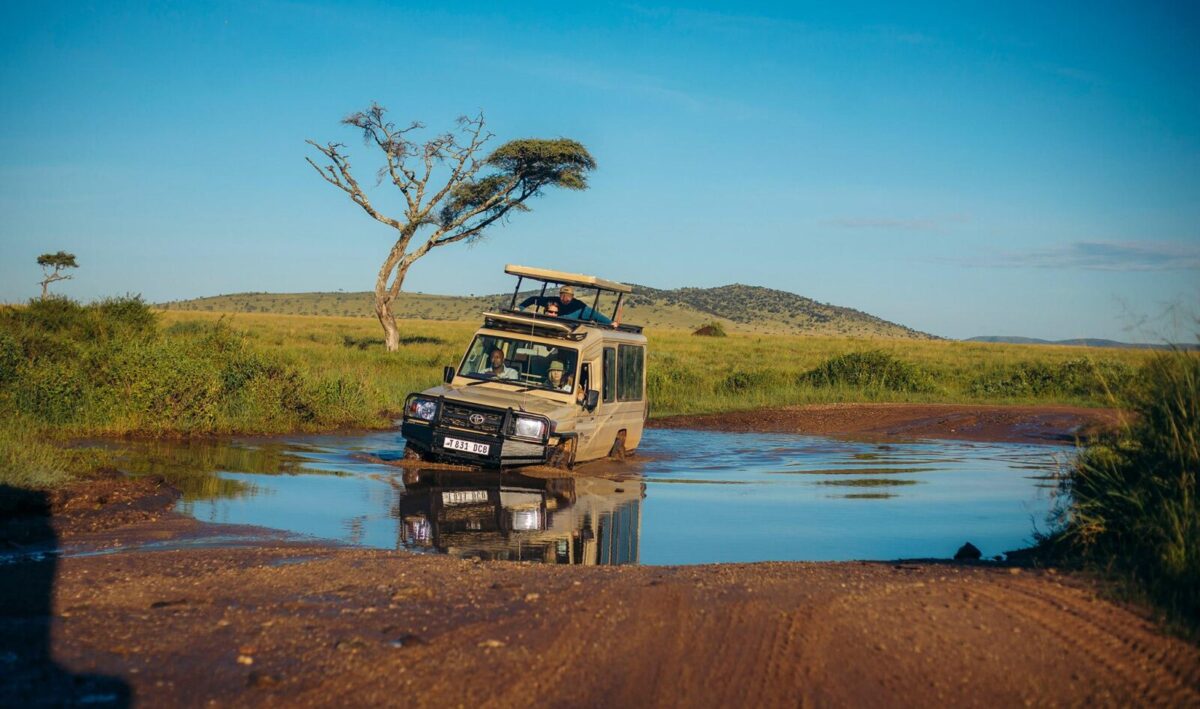
Africa Safari Seasons Explained: Dry vs. Green Season
Choosing the right season for an African safari can greatly influence your overall experience. Africa offers incredible wildlife encounters throughout the year, but each season brings different landscapes, weather conditions, animal behavior, and travel advantages.
The two main safari seasons are the dry season and the green season. Each period offers unique opportunities depending on what you want to experience, whether it is excellent wildlife viewing, beautiful scenery, fewer crowds, photography opportunities, or better value.
Many travellers believe the dry season is always the best time for a safari, but the green season also offers unforgettable experiences. During this period, landscapes become vibrant, animals give birth, and many destinations feel more peaceful.
For 2026 and 2027, understanding Africa’s safari seasons helps travelers choose the right destination and timing for their dream adventure.
Understanding Africa’s Safari Seasons
Africa is a large continent with different climates, so safari seasons vary depending on the country and region.
East Africa, including Kenya, Tanzania, Uganda, and Rwanda, has different weather patterns compared to Southern Africa, including Botswana, South Africa, Namibia, Zambia, and Zimbabwe.
The dry season generally occurs when rainfall is limited, creating easier wildlife viewing conditions. The green season occurs during the rainy months when vegetation grows and landscapes become lush.
Neither season is better for every traveler. The ideal time depends on your safari goals, destination, and preferred experience.
What Is the Dry Season in Africa?
The dry season is the period when rainfall is low, temperatures are often cooler, and wildlife becomes easier to locate in many safari areas.
In many parts of Southern and East Africa, the dry season usually falls between May and October. However, timing varies depending on the destination.
During this period, water sources become limited, causing many animals to gather around rivers, lakes, and permanent waterholes.
The combination of thinner vegetation and concentrated wildlife makes the dry season popular among first-time safari travellers.
Wildlife Viewing During the Dry Season
One of the biggest advantages of the dry season is excellent wildlife visibility.
As grasses become shorter and vegetation becomes less dense, animals are easier to spot during game drives.
Predators such as lions, leopards, and cheetahs often become easier to find because prey animals gather around reliable water sources.
Elephants are especially impressive during dry months because large herds often move toward rivers and watering areas.
For travellers hoping to maximise wildlife sightings, the dry season provides some of the best safari conditions.
Weather Conditions During the Dry Season
Dry-weather weather is generally predictable, making it popular for safari planning.
Days are usually sunny with comfortable conditions for game drives. Early mornings and evenings can be cold, especially in open safari vehicles.
In Southern Africa, June and July can bring chilly mornings, while September and October are often warmer.
East Africa usually remains pleasant during dry months, although temperatures vary depending on altitude and location.
Packing layers is recommended because temperatures can change throughout the day.
The Great Migration During the Dry Season
The dry season is an exciting time for travellers visiting Kenya and Tanzania because of the Great Migration.
Between July and October, large herds of wildebeest and zebras move through the Serengeti and Maasai Mara ecosystem.
The famous river crossings are among the most dramatic wildlife events in the world.
However, migration timing depends on rainfall patterns and animal movements. Nature does not follow an exact calendar.
Travellers hoping to witness this event should plan carefully and remain flexible.
What Is the Green Season in Africa?
The green season refers to the months when rainfall transforms the landscape into a vibrant and beautiful environment.
In many safari destinations, the green season occurs between November and April.
During this period, rain showers refresh the land, grasses grow, and trees produce fresh leaves.
Although some travellers avoid the rainy months, the green season offers many unique advantages.
It is a wonderful time for photographers, birdwatchers, and travelers seeking a quieter safari experience.
Wildlife Experiences During the Green Season
The green season creates a different type of wildlife experience.
Many animals give birth during this period because fresh vegetation provides abundant food.
Visitors may see young antelopes, baby elephants, and other newborn animals learning to survive in the wild.
Predators are also active because young animals create new hunting opportunities.
The green season offers a chance to witness nature’s cycle of renewal.
Photography During the Green Season
The green season is considered one of the best times for photography.
Rain creates dramatic skies, colorful landscapes, and beautiful lighting conditions.
The contrast between green vegetation and wildlife creates stunning images.
Birdwatchers also benefit because many migratory species arrive during this period.
For photographers who want unique landscapes and fewer vehicles around wildlife sightings, the green season is an excellent choice.
Weather Conditions During the Green Season
The green season does not mean constant rain throughout the day.
Many safari destinations experience short afternoon showers followed by clear skies.
Temperatures are often warmer, and humidity may increase in some regions.
Rain can make some roads more challenging, especially in remote areas, but experienced safari operators plan routes carefully.
The weather can create dramatic and memorable safari moments.
Dry Season vs Green Season: Wildlife Comparison
Both seasons provide excellent wildlife opportunities, but the experience is different.
The dry season usually offers easier animal spotting because wildlife gathers around fewer water sources.
The green season provides beautiful scenery, newborn animals, and excellent birdlife.
Travellers focused mainly on Big Five sightings may prefer the dry season.
Travellers interested in photography, landscapes, and quieter experiences may enjoy the green season.
Dry Season vs. Green Season: Crowds and Prices
The dry season is the most popular safari period, especially between June and October.
Because demand is higher, popular parks and lodges may become busier, and prices can increase.
The green season often offers fewer visitors and a more peaceful atmosphere.
Some lodges provide better rates during rainy months, making them attractive for travelers looking for value.
A quieter safari can provide more intimate wildlife experiences.
Best Safari Seasons by Destination
Different African destinations have different ideal seasons.
Kenya and Tanzania
The dry season from June to October is excellent for wildlife viewing and the Great Migration.
The green season from November to May offers beautiful landscapes, birdwatching, and newborn animals.
Uganda and Rwanda
Gorilla trekking is available throughout the year.
Dry months from June to September and December to February often provide easier trekking conditions.
The wetter months create lush forests and fewer visitors.
Botswana
The dry season from May to October is excellent for wildlife viewing in areas such as the Okavango Delta and Chobe National Park.
The green season brings dramatic landscapes and excellent birdlife.
South Africa
The dry winter months from May to September are excellent for Kruger National Park wildlife viewing.
The warmer green season brings lush landscapes and active birdlife.
Namibia
The dry season is popular for Etosha National Park because animals gather around waterholes.
The green season creates beautiful desert landscapes and unique photography opportunities.
Best Season for a First African Safari
For first-time safari travellers, the dry season is often recommended because wildlife viewing is generally easier.
Seeing large numbers of animals near water sources creates a classic safari experience.
However, the green season should not be overlooked. It provides beautiful scenery, fewer crowds, and unforgettable moments.
The best choice depends on what you want from your safari.
Best Season for a Luxury Safari
Luxury safaris are available throughout the year, and each season offers different benefits.
The dry season provides excellent wildlife viewing and comfortable game drives.
The green season offers privacy, beautiful landscapes, and unique experiences.
Many luxury travelers appreciate the quieter atmosphere of the green season.
Best Season for Photography Safaris
Photography enthusiasts often enjoy the green season because of dramatic landscapes and excellent light conditions.
However, the dry season also provides outstanding opportunities because animals gather in predictable areas.
The best season depends on whether you prioritize wildlife concentration or scenic beauty.
Both periods can create incredible images.
What Should You Pack for Each Season?
Dry-weather travellers should pack warm layers, especially for early-morning game drives.
A jacket, fleece, comfortable shoes, sun protection, and lightweight clothing are essential.
Green season travellers should include waterproof jackets, quick-drying clothing, insect protection, and comfortable footwear.
Regardless of the season, binoculars, a camera, sunscreen, and personal medication are always useful.
Can You Go on Safari During the Rainy Season?
Yes, safaris continue during the rainy season.
Many travellers avoid this period because they expect difficult conditions, but experienced safari operators continue operating throughout the year.
Rain often comes in short periods, leaving plenty of time for wildlife viewing.
The green season can provide some of the most rewarding safari experiences for travellers who appreciate nature, photography, and tranquillity.
Final Thoughts on Africa Safari Seasons
There is no single perfect season for an African safari. The dry season and green season each offer something special.
The dry season provides excellent wildlife visibility, classic safari conditions, and incredible animal encounters.
The green season offers vibrant landscapes, newborn wildlife, fewer crowds, and unique photography opportunities.
The best safari season depends on your destination, interests, and travel expectations.
Whether you visit during dry months or green months, Africa’s wilderness offers unforgettable experiences throughout the year.
Plan Your African Safari Adventure
Choosing the right safari season is the first step toward creating your perfect African journey.
An experienced safari operator can help you select the best destination, accommodation, and travel dates based on your interests.
Plan your safari adventure and discover Africa’s wildlife, landscapes, and natural wonders in the season that suits you best.