
Safari Etiquette
July 22, 2026
Africa Safari Seasons Explained
July 22, 2026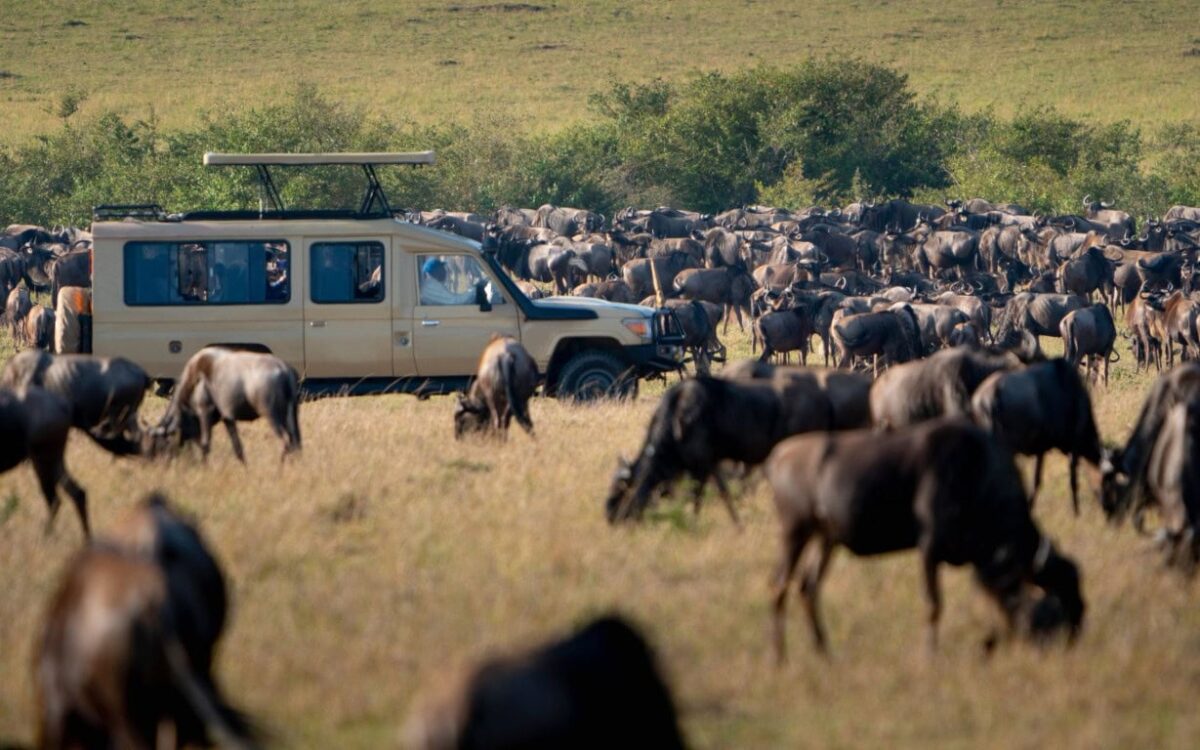
What to Expect on Your First African Safari: A Beginner’s Guide
An African safari is a dream experience for many travelers. The idea of watching elephants move through the wilderness, hearing lions roar at sunrise, or seeing giraffes against a golden sunset creates excitement long before the journey begins.
For first-time safari travellers, the experience can feel unfamiliar. Many people wonder what a typical safari day looks like, what animals they will see, what they should pack, and how to prepare for life in the African bush.
A safari is different from a traditional holiday. It combines adventure, nature, relaxation, and discovery. Every day brings new experiences, from early morning game drives to peaceful evenings under the stars.
For 2026 and 2027, African safaris continue attracting travellers seeking authentic wildlife encounters across destinations such as Kenya, Tanzania, Uganda, Rwanda, Botswana, Namibia, Zimbabwe, Zambia, and South Africa.
Understanding what to expect before your first safari helps you feel prepared and allows you to enjoy every moment of this incredible journey.
Arriving in Africa: Your Safari Journey Begins
Your safari experience usually begins when you arrive at an international airport and connect to your chosen destination.
Many travellers enter Africa through major airports such as Nairobi, Johannesburg, Cape Town, Kigali, Entebbe, Addis Ababa, or Doha before continuing to safari areas.
Depending on your itinerary, you may travel to national parks by road or take a small aircraft flight to a remote safari airstrip.
The journey to your lodge or camp is often part of the adventure. Along the way, you may see local villages, landscapes, and wildlife before even reaching your accommodation.
Your first arrival in the African wilderness is often a memorable moment as you begin experiencing the sights and sounds of nature.
What Is a Typical Day Like on an African Safari?
A typical safari day starts early because wildlife is most active during the cooler morning hours.
Many guests wake before sunrise, enjoy a cup of coffee or tea, and prepare for the first game drive of the day.
Morning game drives usually last several hours and provide opportunities to see predators, elephants, birds, and other wildlife.
After returning to the lodge or camp, guests usually enjoy breakfast, relax, and take part in other activities depending on the destination.
The afternoon often includes another game drive, boat safari, cultural visit, or guided experience before ending the day with dinner and relaxation.
Safari days follow the rhythm of nature rather than a strict holiday schedule.
Your First Game Drive Experience
The first game drive is often the highlight of a first safari.
Travelling through open landscapes in a safari vehicle creates a sense of excitement because every turn may reveal a new wildlife encounter.
Your guide will help you search for animals, explain their behavior, and share information about the ecosystem.
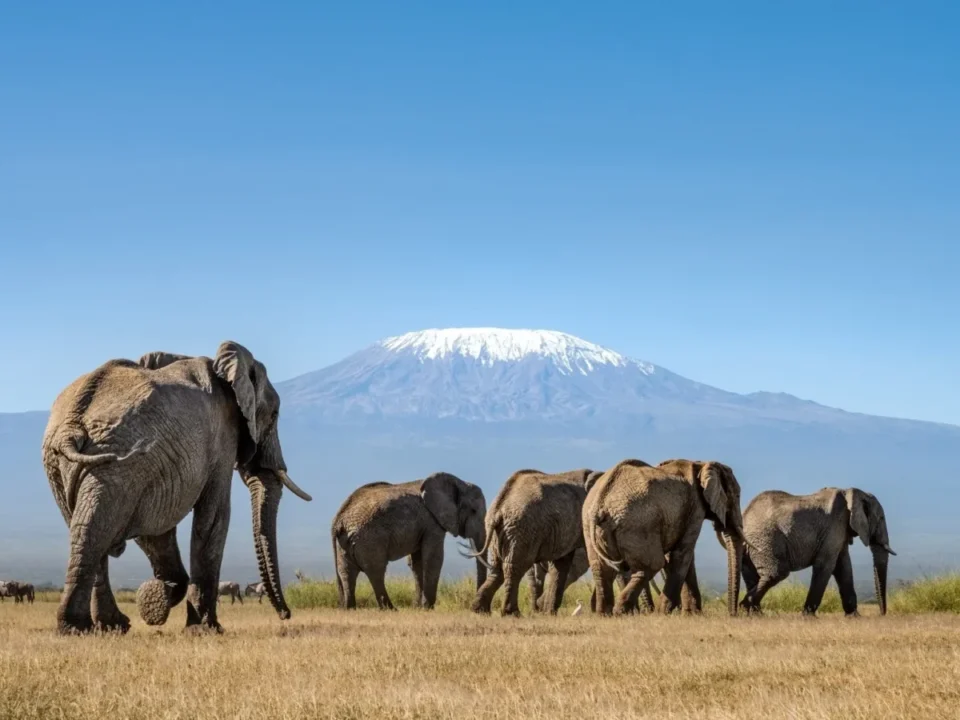
You may spend time watching a herd of elephants, following lion tracks, observing birds, or waiting quietly for a leopard sighting.
Unlike a zoo, wildlife sightings are never guaranteed. The unpredictability is what makes a safari so special.
Each game drive offers a different experience because animals move freely through their natural environment.
How Close Do You Get to Wild Animals?
Many first-time travellers are surprised by how close they can get to wildlife during a safari.
Safari vehicles allow visitors to observe animals from a safe distance while remaining in their natural habitat.
In places such as Kenya’s Maasai Mara, Tanzania’s Serengeti, Botswana’s Okavango Delta, and South Africa’s private reserves, experienced guides know where animals are likely to be found.
However, wildlife encounters are always controlled by nature. Animals decide when and where they appear.
The best safari moments often come from patient observation rather than searching for a specific animal.
What Animals Can You See on Your First Safari?
Africa is home to some of the world’s most famous wildlife species.
Many first-time visitors hope to see the Big Five: lions, elephants, leopards, rhinos, and buffalo.
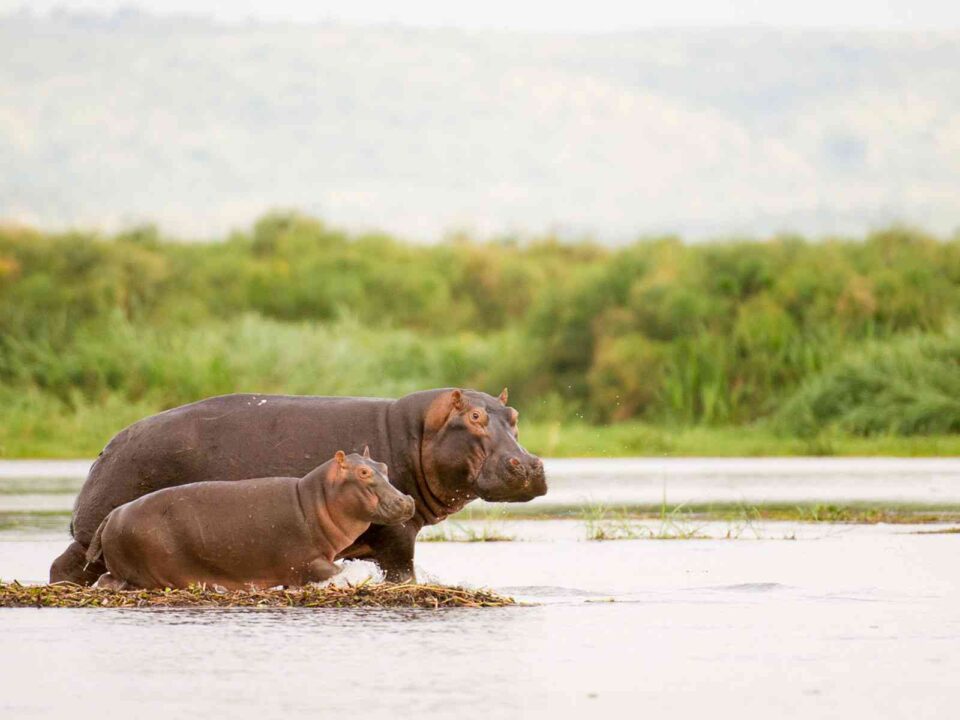
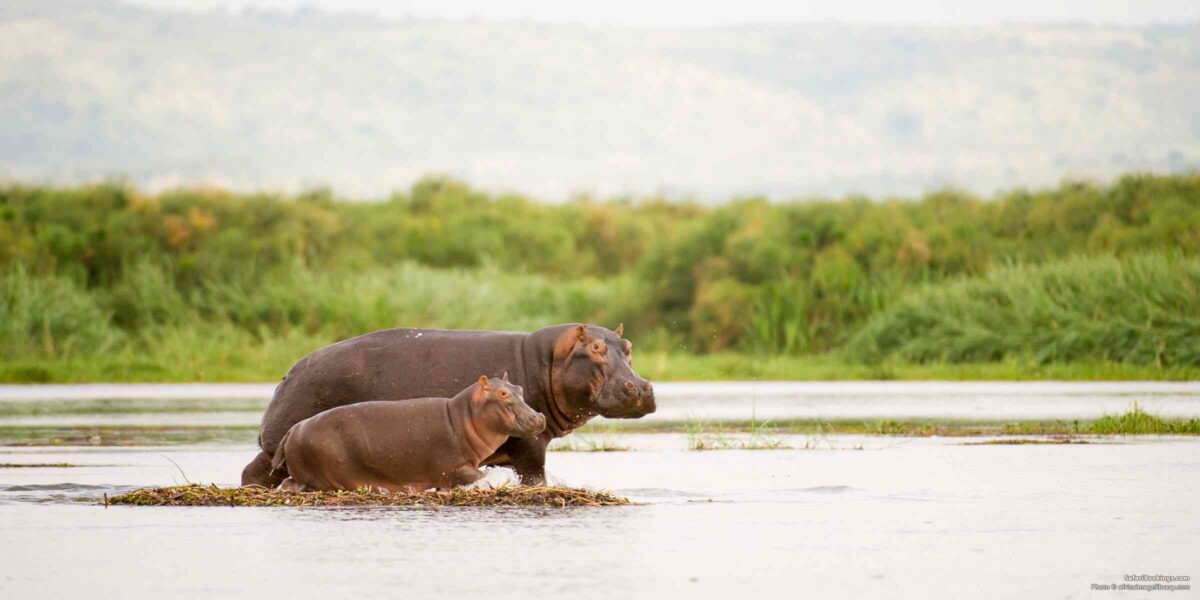
Depending on your destination, you may also see giraffes, zebras, hippos, crocodiles, cheetahs, hyenas, antelopes, and hundreds of bird species.
East Africa is famous for large wildlife migrations, while Southern Africa offers excellent predator sightings and diverse landscapes.
Uganda and Rwanda provide unique opportunities to see mountain gorillas and chimpanzees in their natural forests.
Every safari destination has its own wildlife highlights.
Meeting Your Safari Guide
Your safari guide plays an important role in your overall experience.
A great guide does more than drive through the park. They help you understand animal behavior, identify species, explain conservation efforts, and create memorable moments.
Guides use their experience to track wildlife, read the environment, and position vehicles safely.
They also help ensure that guests follow responsible safari practices.
Building a good relationship with your guide often makes the safari experience more enjoyable and educational.
Safari Accommodation: What Are Lodges and Camps Like?
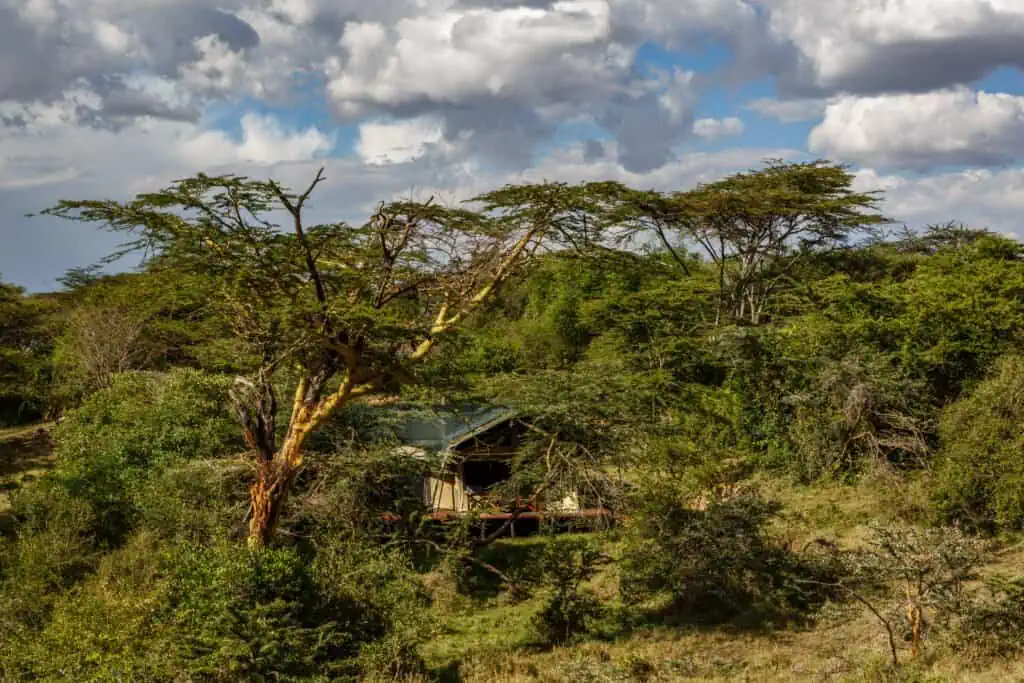
Many first-time travellers imagine safari accommodation as basic, but modern safari lodges and camps offer a wide range of comfort levels.
Safari camps can provide beautiful rooms, excellent meals, comfortable beds, and stunning views of surrounding landscapes.
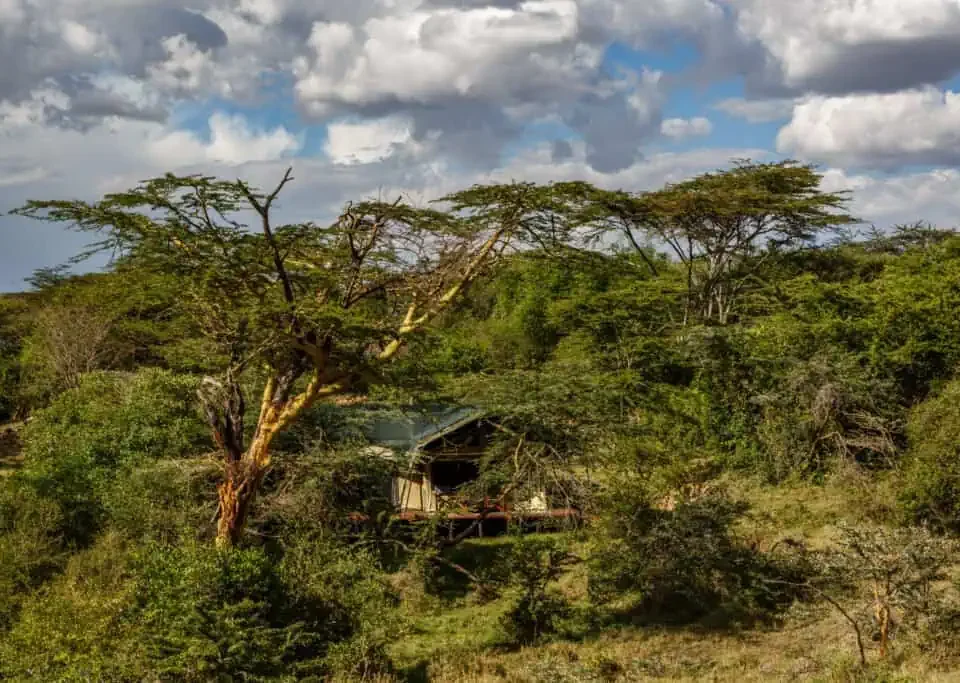
Some camps are located in remote wilderness areas, allowing guests to feel completely connected to nature.
You may hear wildlife sounds at night, including distant animal calls, birds, or insects.
Many safari properties also offer swimming pools, spa treatments, private dining experiences, and personalized services.
The accommodation becomes part of the overall safari adventure.
What Is Safari Food Like?
Food is often a pleasant surprise for first-time safari travellers.
Many lodges and camps provide fresh, high-quality meals prepared by skilled chefs.
Dining experiences may include breakfast after a game drive, lunch overlooking beautiful landscapes, or dinner under the stars.
Menus often combine international cuisine with local flavors and fresh ingredients.
Travellers with dietary requirements should inform their safari operator or lodge before arrival so arrangements can be made.
A safari is not only about wildlife. It is also about enjoying the full travel experience.
Is an African Safari Physically Difficult?
The physical requirements of a safari depend on the activities included in your itinerary.
Traditional game drives are generally comfortable and suitable for most travellers. Guests spend time seated in safari vehicles while exploring wildlife areas.
However, some activities require more physical effort. Gorilla trekking, walking safaris, and mountain hikes may involve longer distances and challenging terrain.
Your safari operator can recommend activities based on your fitness level and interests.
A well-planned safari allows travelers to enjoy adventure while maintaining comfort.
What Should You Wear on Your First Safari?
Safari clothing should focus on comfort and practicality.
Lightweight clothing, comfortable shoes, a hat, sunglasses, and sun protection are important items to bring.
Neutral colors such as khaki, beige, brown, and olive are commonly recommended because they blend well with natural surroundings.
Temperatures can change during the day, so packing layers is useful. Early morning game drives can feel cold, while afternoons are often warm.
Comfortable clothing allows you to enjoy long days outdoors.
Is It Safe to Go on an African Safari?
African safaris are generally safe when travelers follow professional guidance and choose experienced operators.
Safari guides understand wildlife behavior and know how to keep guests safe during encounters.
The most important safety rule is to listen to your guide and follow park regulations.
Travellers should avoid approaching animals, leaving vehicles without permission, or ignoring safety instructions.
Millions of visitors enjoy African safaris every year, creating incredible memories in some of the world’s most beautiful environments.
Will You See the Big Five on Your First Safari?
Many travellers dream of seeing the Big Five during their first safari.
While destinations such as Kruger National Park, Serengeti, Maasai Mara, and Botswana’s reserves have excellent wildlife populations, sightings depend on many natural factors.
Some animals are easier to find than others. Elephants, buffalo, and many antelope species are often easier to spot, while leopards can require more patience.
A safari is not only about checking animals from a list. It is about experiencing nature in its purest form.
Every sighting, whether a famous predator or a colorful bird, adds to the adventure.
Safari Photography Tips for Beginners
A safari provides incredible photography opportunities.
A camera with a good zoom lens can help capture animals from a respectful distance.
However, you do not need professional equipment to enjoy photography. Modern smartphones can capture beautiful safari memories.
Listen to your guide when positioning for photographs, and avoid disturbing animals for the perfect picture.
The most important thing is to enjoy the experience beyond the camera.
Common Mistakes First-Time Safari Travellers Make
Many beginners try to pack too much or expect every moment to be filled with action.
A safari requires patience because wildlife follows its own schedule.
Another common mistake is focusing only on famous animals while ignoring smaller creatures, landscapes, and birdlife.
Some travellers also underestimate early-morning temperatures and the importance of comfortable clothing.
Preparing properly helps you appreciate the full safari experience.
Best Safari Destinations for First-Time Travellers
Some destinations are especially popular among first-time safari visitors.
Kenya offers classic safari experiences through the Maasai Mara, with excellent wildlife viewing and cultural experiences.
Tanzania provides iconic landscapes through the Serengeti and Ngorongoro Crater.
South Africa offers accessible safari experiences combined with cities, beaches, and wine regions.
Botswana provides exclusive wilderness experiences, while Uganda and Rwanda offer unique gorilla trekking adventures.
The best destination depends on your interests, travel style, and budget.
Final Thoughts on Your First African Safari
Your first African safari is more than a holiday. It is an opportunity to connect with nature, discover new landscapes, and experience wildlife in its true environment.
From the excitement of your first game drive to quiet evenings beneath African skies, every moment creates a lasting memory.
With proper preparation, an open mind, and the guidance of experienced professionals, your first safari can become one of the most meaningful journeys of your life.
Africa offers endless adventures, and your first safari is only the beginning.
Plan Your First African Safari Adventure
Planning your first safari does not have to be complicated. Choosing the right destination, accommodation, activities, and travel dates helps create a smooth and unforgettable experience.
An experienced safari operator can help design a journey that matches your interests, comfort level, and expectations.
Start planning your African safari today and prepare to experience the wildlife, landscapes, and moments that make Africa truly unforgettable.