Top 10 Safari Destinations in Southern Africa Ranked
June 24, 2026
Botswana Safari Guide: Okavango Delta, Chobe & Beyond
June 24, 2026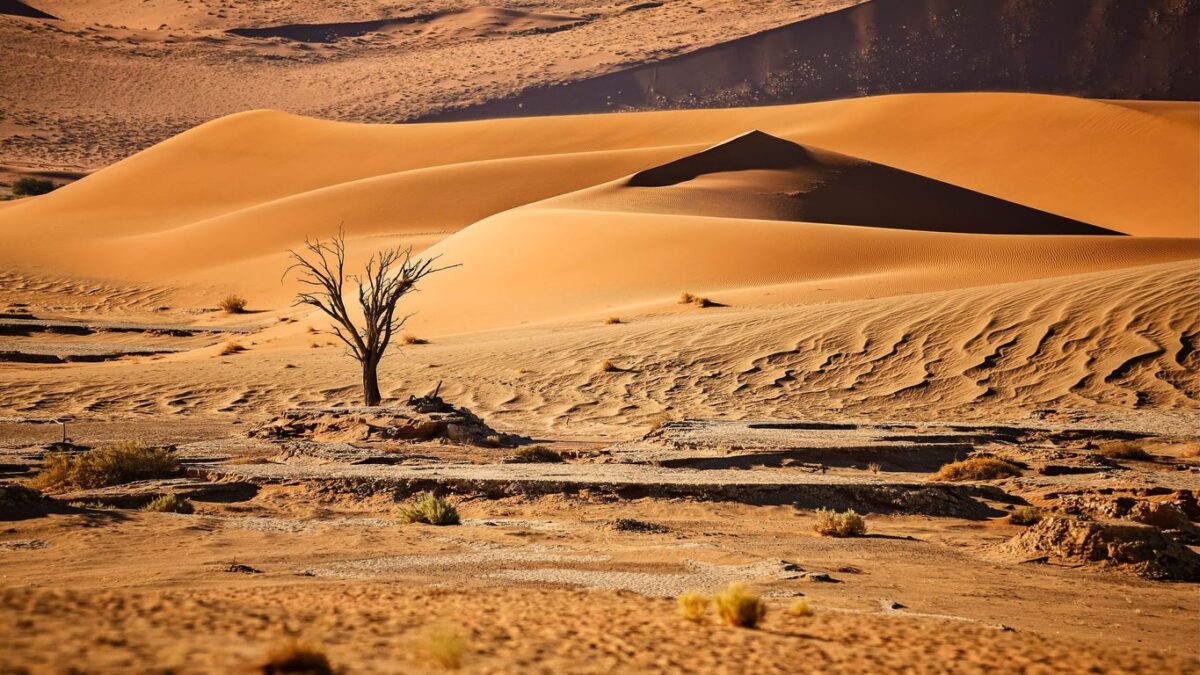
Namibia Travel Guide: The Ultimate Desert Safari Experience
Namibia offers one of Africa’s most extraordinary travel experiences, where towering sand dunes meet rugged mountains, ancient deserts stretch beyond the horizon, and wildlife has adapted to survive in some of the harshest environments on Earth. A Namibia safari travel guide introduces travelers to a country defined by vast open spaces, dramatic landscapes, and unique safari opportunities that differ significantly from those found in East or Southern Africa.
Unlike destinations known for dense wildlife concentrations, Namibia captivates visitors through its remarkable scenery, geological wonders, and resilient wildlife. Every journey feels like an expedition across untouched wilderness, where each destination reveals a different side of the country’s natural beauty. From the red dunes of Sossusvlei and the wildlife-rich plains of Etosha National Park to the rugged Skeleton Coast and the remote Kunene Region, Namibia delivers unforgettable adventures for photographers, nature lovers, and safari enthusiasts alike.
This comprehensive Namibia safari travel guide covers the country’s top destinations, wildlife, best time to visit, accommodation, activities, and essential travel information to help you plan an unforgettable desert safari.
Why Choose Namibia for a Safari?
Namibia stands apart because it combines spectacular landscapes with exceptional wildlife viewing in a setting unlike anywhere else in Africa. Instead of dense forests or tropical wetlands, travelers explore ancient deserts, rocky escarpments, dry riverbeds, and expansive grasslands that create dramatic scenery throughout the country.
A Namibia safari travel guide highlights another important advantage: the country remains one of Africa’s safest and least crowded travel destinations. Visitors enjoy peaceful roads, excellent tourism infrastructure, and well-managed national parks without encountering large numbers of tourists.
Namibia also appeals to travelers who appreciate self-drive adventures. The country’s well-maintained gravel road network allows visitors to explore at their own pace while enjoying breathtaking scenery between destinations. For those seeking luxury, fly-in safaris connect remote lodges that offer exclusive access to some of Namibia’s most spectacular wilderness areas.
Etosha National Park: Namibia’s Premier Safari Destination
Etosha National Park forms the centerpiece of any Namibia safari travel guide. Covering more than 22,000 square kilometers, the park protects one of Africa’s largest salt pans alongside diverse habitats that support abundant wildlife.
The famous Etosha Pan dominates the landscape. During the dry season, its brilliant white surface contrasts sharply against surrounding grasslands and woodlands. Seasonal rains occasionally flood parts of the pan, attracting flamingos and other waterbirds, while the dry months draw wildlife to permanent waterholes scattered throughout the park.
Wildlife in Etosha National Park
Etosha offers exceptional wildlife viewing because animals gather around predictable water sources. Visitors frequently encounter elephants, black and white rhinos, lions, leopards, cheetahs, giraffes, zebras, wildebeests, springboks, gemsboks, kudus, elands, and numerous smaller antelope species.
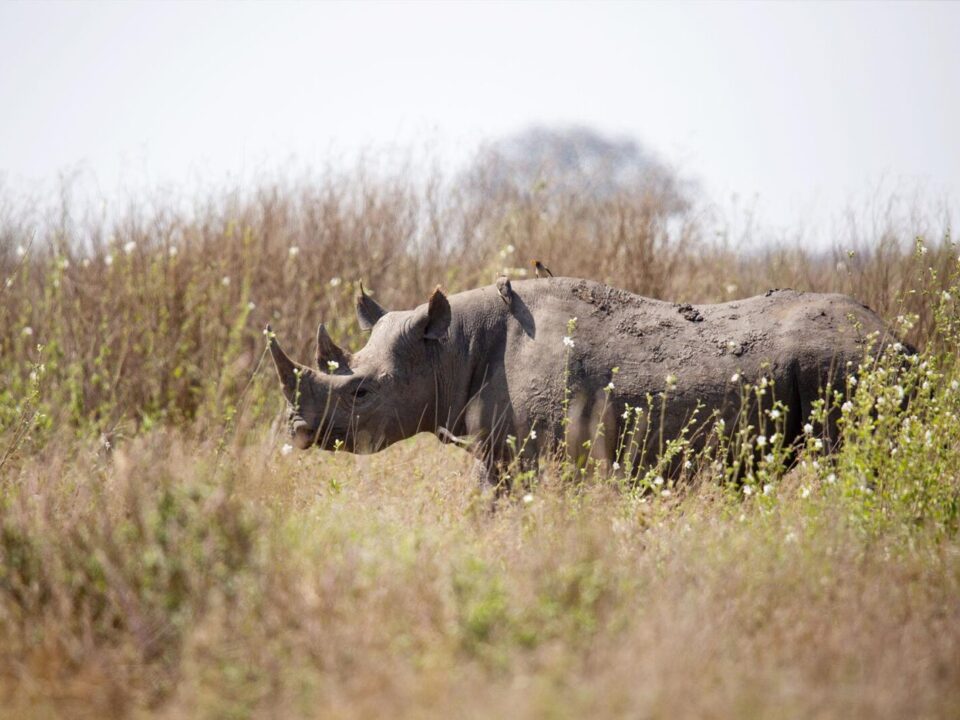
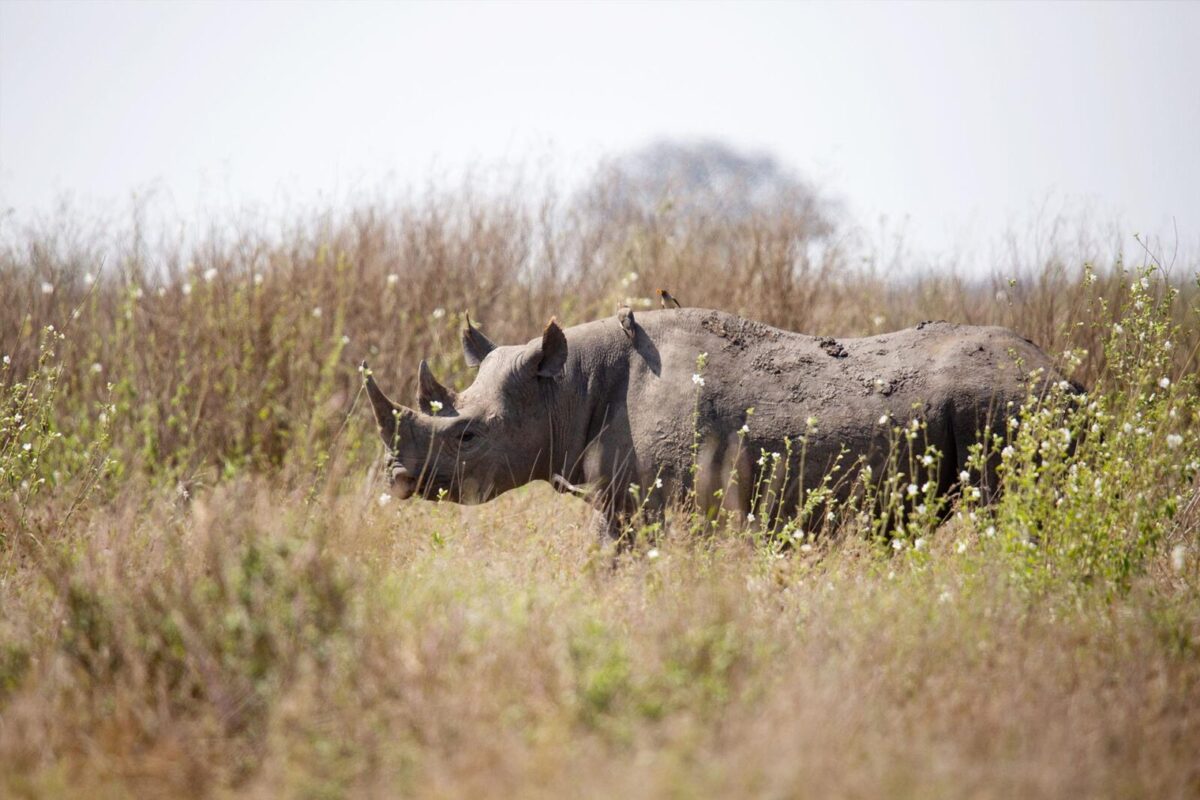
The park has become particularly famous for its healthy black rhino population. Night drives and floodlit waterholes at several camps provide excellent opportunities to observe these endangered animals after dark.
Predators remain active throughout Etosha, especially lions and cheetahs, which hunt across the open plains. Hyenas, jackals, and occasionally African wildcats also appear around the park.
Birdlife in Etosha
Birdwatchers discover remarkable diversity within Etosha National Park. More than 340 bird species have been recorded, including ostriches, secretary birds, kori bustards, martial eagles, bateleurs, flamingos, pelicans, hornbills, and numerous raptors.
The wet season attracts migratory birds, while the dry months provide excellent opportunities to observe resident species gathering around waterholes.
Sossusvlei and the Namib Desert
No Namibia safari travel guide would be complete without exploring Sossusvlei, one of the country’s most photographed destinations. Located within Namib-Naukluft National Park, Sossusvlei features some of the tallest sand dunes in the world, many rising more than 300 meters above the desert floor.
The deep orange dunes constantly change color as sunlight moves across the landscape. Sunrise and sunset produce spectacular photography conditions, creating dramatic contrasts between illuminated dunes and dark shadows.
Deadvlei
Adjacent to Sossusvlei lies Deadvlei, an ancient clay pan dotted with centuries-old camel thorn trees that have remained preserved by the dry desert climate. The black tree skeletons stand against white clay and towering red dunes, creating one of Africa’s most iconic landscapes.
Visitors often hike to Deadvlei early in the morning before temperatures rise significantly.
Dune 45 and Big Daddy
Dune 45 attracts travelers seeking panoramic desert views after a moderate climb. Big Daddy, the tallest dune in the region, offers a more challenging ascent rewarded by breathtaking views across the Namib Desert.
Walking barefoot down these towering dunes creates one of Namibia’s most memorable experiences.
Skeleton Coast: Namibia’s Wild Atlantic Frontier
The Skeleton Coast stretches along Namibia’s northern Atlantic shoreline, where desert meets ocean in one of Africa’s most isolated landscapes. Thick coastal fog, powerful currents, and shifting sandbanks have caused hundreds of shipwrecks over the centuries, giving the coastline its haunting name.
A Namibia safari travel guide includes the Skeleton Coast because of its remarkable scenery and unique wildlife adaptations. Cape fur seals gather in enormous colonies, while brown hyenas, jackals, elephants, giraffes, lions, and desert-adapted wildlife survive in surprisingly harsh conditions.
The region remains highly protected, with many areas accessible only through guided fly-in safaris or authorized expeditions.
Damaraland: Land of Desert-Adapted Wildlife
Damaraland offers rugged mountains, rocky valleys, ancient geological formations, and some of Namibia’s most remarkable wildlife. Unlike traditional safari destinations, animals here survive with minimal water by adapting to extreme environmental conditions.
Desert Elephants
Desert-adapted elephants have become one of Damaraland’s greatest attractions. These elephants travel long distances between seasonal rivers while surviving in environments that receive very little rainfall.
Guided excursions increase the chances of locating these remarkable animals while respecting their natural behavior.
Desert Black Rhinos
Damaraland also protects one of Africa’s last free-ranging populations of desert-adapted black rhinos. Specialized tracking excursions led by experienced guides provide unforgettable opportunities to observe these critically endangered animals.
Twyfelfontein
Beyond wildlife, Twyfelfontein showcases one of Africa’s most significant collections of ancient rock engravings. Thousands of petroglyphs created by early hunter-gatherer communities provide insight into Namibia’s rich cultural heritage.
Kaokoland and the Kunene Region
Northern Namibia’s Kunene Region represents one of the country’s last true wilderness areas. Mountain ranges, seasonal rivers, remote valleys, and traditional Himba communities create a destination unlike anywhere else in Africa.
Travelers visit Kaokoland to experience untouched landscapes, desert wildlife, and authentic cultural encounters. The region rewards adventurous visitors willing to explore beyond Namibia’s more popular attractions.
Fish River Canyon
Fish River Canyon ranks as the second-largest canyon in the world after the Grand Canyon. Stretching approximately 160 kilometers, the canyon reaches depths of more than 500 meters in some sections.
Visitors enjoy spectacular viewpoints overlooking dramatic rock formations carved over millions of years. Multi-day hiking trails operate during cooler months, while shorter viewpoints remain accessible throughout the year.
Wildlife Beyond the National Parks
A Namibia safari travel guide extends beyond Etosha National Park. Numerous private reserves and conservancies support impressive wildlife populations while contributing to successful conservation efforts.
Namibia protects free-ranging populations of cheetahs, making it one of the best countries in Africa for observing these remarkable predators. Leopards inhabit rocky mountain regions, while brown hyenas, aardwolves, bat-eared foxes, and numerous smaller carnivores occupy diverse habitats.
The country’s conservation model has allowed wildlife populations to recover significantly over recent decades through strong partnerships between government agencies, private landowners, and local communities.
Best Time to Visit Namibia
Namibia welcomes visitors throughout the year, although each season offers different advantages.
Dry Season (May to October)
The dry season provides the best wildlife viewing conditions. Animals gather around waterholes, vegetation becomes sparse, and cooler temperatures create comfortable safari conditions.
This period also offers clear skies and excellent opportunities for photography.
Green Season (November to April)
Summer rains transform parts of Namibia into surprisingly green landscapes. Birdwatching becomes exceptional as migratory species arrive, and many animals give birth during this season.
Afternoon thunderstorms produce dramatic skies, although some remote roads become more difficult to navigate after heavy rainfall.
Accommodation Options
Namibia offers accommodation for every travel style. Government-operated rest camps inside national parks provide affordable lodging close to wildlife viewing areas.
Luxury desert lodges feature elegant suites overlooking dunes, mountains, or dry riverbeds. Many properties incorporate sustainable design, solar energy, and environmentally responsible operations while delivering exceptional comfort.
Private game reserves also offer exclusive safari lodges with personalized service, guided activities, and gourmet dining experiences.
Camping remains extremely popular throughout Namibia due to excellent facilities and spectacular natural settings. Many campsites include private braai areas and direct access to surrounding landscapes.
Activities Beyond Traditional Safaris
A Namibia safari travel guide includes far more than wildlife viewing. Visitors can enjoy hot air balloon flights over the Namib Desert, scenic helicopter excursions, quad biking across sand dunes, guided nature walks, cultural visits to Himba communities, and stargazing beneath some of the darkest skies in the world.
Adventure enthusiasts also explore coastal towns such as Swakopmund, where activities include sandboarding, skydiving, dolphin cruises, kayaking with seals, and deep-sea fishing.
These experiences complement traditional game drives while showcasing Namibia’s extraordinary diversity.
Conservation and Sustainable Tourism.
Namibia has become a global leader in community-based conservation. Local conservancies manage vast areas of wildlife habitat while benefiting directly from tourism revenue.
This model encourages communities to protect wildlife because conservation generates employment, education, healthcare support, and long-term economic opportunities.
Visitors contribute directly to these efforts through park fees, lodge stays, guided activities, and responsible travel choices that support conservation initiatives across the country.
Essential Travel Tips
Planning ahead ensures a smooth safari experience in Namibia. Visitors should rent reliable four-wheel-drive vehicles when exploring remote regions and carry sufficient drinking water, fuel, and emergency supplies.
Neutral-colored clothing works best during game drives, while warm layers remain essential for early mornings and evenings, especially during winter.
Binoculars, sunscreen, sunglasses, cameras, and wide-brimmed hats improve comfort and enhance wildlife viewing opportunities.
Driving distances between destinations can be considerable, so travelers should allow enough time to enjoy the journey rather than rushing between attractions.
Conclusion
Namibia offers one of Africa’s most distinctive safari experiences, combining extraordinary desert landscapes with remarkable wildlife and world-class conservation. From the towering dunes of Sossusvlei and the wildlife-rich plains of Etosha National Park to the rugged Skeleton Coast and the remote wilderness of Damaraland, every region reveals a different aspect of this remarkable country.
A Namibia safari travel guide serves as the perfect starting point for planning an unforgettable journey across one of Africa’s most scenic destinations. Whether you seek Big Five wildlife, dramatic landscapes, cultural experiences, or luxury desert lodges, Namibia delivers an adventure unlike any other.