

Namibia Travel Guide: The Ultimate Desert Safari Experience
June 24, 2026
Zimbabwe Safari Guide: Victoria Falls, Hwange & Mana Pools
June 24, 2026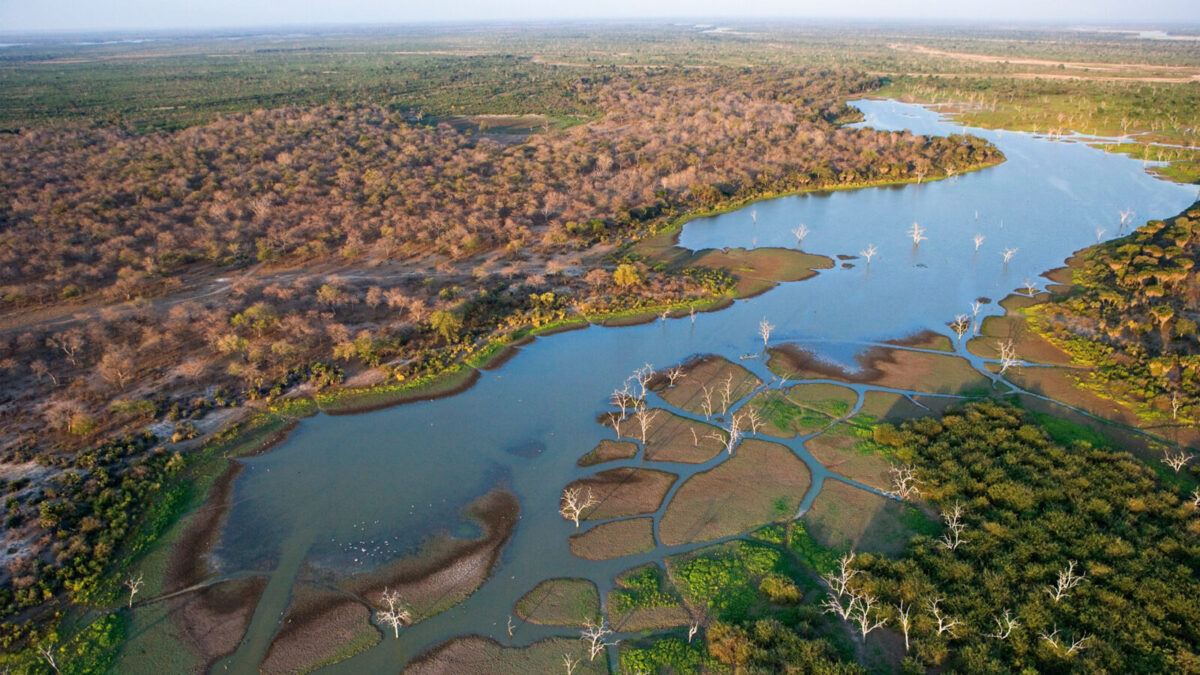
Botswana Safari Guide: Okavango Delta, Chobe & Beyond
Botswana stands among Africa’s most exclusive safari destinations, offering vast untouched wilderness, low-impact tourism, and some of the most rewarding wildlife encounters on the continent. A Botswana safari does not focus on mass tourism or crowded game drives. Instead, it emphasizes space, silence, and deeply immersive wildlife experiences across some of the most pristine ecosystems in Africa.
From the water-filled channels of the Okavango Delta to the elephant-rich banks of the Chobe River and the remote salt pans of the Makgadikgadi, Botswana delivers a safari experience shaped by nature rather than human interference. The country’s conservation-first approach ensures low visitor numbers, high-quality guiding, and exceptional wildlife density in key regions.
This guide explores everything you need to know about planning a Botswana safari, including the Okavango Delta, Chobe National Park, and other remarkable wilderness areas that define the country’s reputation as a premier safari destination.
Why Botswana Stands Out as a Safari Destination
Botswana has built its safari identity around exclusivity and conservation. The government limits tourism density in most protected areas, which protects wildlife habitats while ensuring a private and uncrowded safari experience. This approach creates a sense of wilderness that feels untouched and authentic.
A Botswana safari also stands out because of its ecological diversity. The country combines permanent wetlands, seasonal floodplains, dry savannahs, and desert ecosystems within one destination. This variety supports an impressive range of wildlife, including elephants, lions, leopards, cheetahs, giraffes, hippos, crocodiles, wild dogs, and hundreds of bird species.
Another defining feature is the way visitors explore Botswana. Many safari experiences rely on light aircraft transfers, mokoro canoe trips, and specialized 4×4 vehicles designed for remote terrain. This adds a sense of adventure that differs significantly from road-based safaris in other African countries.
Okavango Delta: The Heart of Botswana Safari Experiences
The Okavango Delta forms the centerpiece of any Botswana safari. This inland river delta spreads across the Kalahari Desert, creating a rare oasis of waterways, islands, and floodplains that attract an extraordinary concentration of wildlife.
Seasonal floods from Angola feed the delta, transforming dry landscapes into a lush aquatic paradise. This cycle defines the rhythm of life in the region and determines wildlife movement throughout the year.
Wildlife in the Okavango Delta
The Okavango Delta supports one of the most diverse ecosystems in Africa. Large populations of elephants move between islands, while hippos and crocodiles dominate waterways. Lions adapt to hunting in wet environments, and leopards thrive in the dense riverine forests.
Wild dogs find strongholds in the delta due to limited human disturbance, making it one of the best places in Africa to observe this endangered predator. Antelope species such as lechwe and sitatunga have adapted to the water-rich environment, creating unique wildlife interactions not seen elsewhere.
Birdlife also flourishes, with species such as African fish eagles, herons, kingfishers, bee-eaters, and storks filling the skies and wetlands.
Safari Activities in the Delta
A safari in the Okavango Delta focuses heavily on water-based exploration. Mokoro canoe excursions allow travelers to glide silently through narrow channels, observing wildlife at close range without disturbing natural behavior. Boat safaris operate in deeper channels, offering encounters with hippos, crocodiles, and elephants crossing waterways.
Game drives take place on dry islands and surrounding concessions, where predators and herbivores move across open grasslands. Walking safaris provide a more intimate experience, guided by expert trackers who interpret animal signs and ecological patterns.
The combination of water and land activities makes the Okavango Delta one of the most dynamic safari environments in Africa.
Moremi Game Reserve: A Key Part of the Delta Ecosystem
Moremi Game Reserve forms the eastern section of the Okavango Delta and offers some of the best wildlife viewing in Botswana. It blends permanent wetlands with dry woodland, creating a rich and balanced ecosystem.
A safari in Moremi Game Reserve often produces excellent sightings of predators, including lions, leopards, cheetahs, and African wild dogs. Large herbivores such as elephants, buffalo, and giraffes move across floodplains and woodlands, while hippos and crocodiles dominate waterways.
Moremi also offers excellent photographic opportunities due to its varied landscapes and high wildlife density. The reserve plays a critical role in conservation, protecting key habitats and migration corridors within the delta.
Chobe National Park: Africa’s Elephant Capital
Chobe National Park ranks as one of Botswana’s most famous safari destinations, known especially for its massive elephant population. During the dry season, thousands of elephants gather along the Chobe River, creating some of the most dramatic wildlife scenes in Africa.
A safari in Chobe National Park often combines land-based game drives with river safaris. Boat cruises along the Chobe River offer close-up views of elephants drinking, bathing, and crossing the water, along with hippos, crocodiles, buffalo, and abundant birdlife.
On land, predators such as lions, leopards, and hyenas follow prey movements across open plains and woodland areas. Large herds of buffalo and antelope species also support a strong predator-prey ecosystem.
Chobe’s accessibility from Victoria Falls makes it one of the most convenient safari extensions in Southern Africa.
Savuti: The Land of Predators
Savuti, located within Chobe National Park, delivers one of Botswana’s most dramatic predator ecosystems. The region experiences unpredictable water flow, which influences wildlife movement and creates intense survival dynamics.
A safari in Savuti often highlights lion prides specializing in buffalo hunting. Hyenas, leopards, and cheetahs also thrive in this challenging environment. Elephants move across dry landscapes in search of water, while scavengers follow predator activity closely.
Savuti’s open terrain makes wildlife highly visible, especially during the dry season. The region attracts experienced safari travelers who want raw, action-driven wildlife encounters.
Makgadikgadi Pans: Desert Safari Experience
The Makgadikgadi Salt Pans offer a completely different side of Botswana. This vast desert landscape transforms seasonally when rains fill shallow depressions, attracting zebra and wildebeest migrations.
A safari in Makgadikgadi Pans delivers surreal scenery, with endless white salt flats stretching beyond the horizon. During the wet season, wildlife gathers in large numbers, followed by predators such as lions and hyenas.
Activities here include quad biking across the pans, guided walks with San Bushmen, and cultural experiences that highlight ancient survival traditions in the desert.
Makgadikgadi adds a striking contrast to Botswana’s wetland and savannah ecosystems.
Linyanti and Kwando Concessions: Remote Wilderness Safaris
The Linyanti and Kwando regions in northern Botswana offer some of the most exclusive safari experiences in Africa. These private concessions feature limited visitor numbers and highly personalized guiding.
A safari in Linyanti often focuses on predator sightings, especially lions and wild dogs. The region supports large elephant herds and abundant buffalo populations. Seasonal floodplains attract diverse birdlife and grazing herbivores.
Kwando emphasizes walking safaris and off-road game drives, allowing deeper exploration of untouched wilderness. These areas provide a strong sense of isolation and intimacy with nature.
Best Time for a Botswana Safari
Botswana offers year-round safari opportunities, but the experience changes with the seasons.
The dry season from May to October delivers the best wildlife viewing. Animals concentrate around permanent water sources, making sightings more predictable. Chobe River becomes a focal point for elephant herds, while the Okavango Delta reaches peak flood levels, enhancing water-based safaris.
The wet season from November to April transforms the landscape into lush green wilderness. This period supports bird migrations, newborn animals, and dramatic storm-filled skies. Wildlife disperses more widely, but photography and scenery reach their peak.
Each season offers distinct advantages depending on travel goals.
Accommodation in Botswana Safari Destinations
A Botswana safari focuses heavily on luxury eco-lodges and tented camps that blend into natural environments. Most properties operate on low-impact tourism principles, limiting guest numbers and emphasizing exclusivity.
Okavango Delta lodges often sit on private islands or water channels, offering boat access and panoramic wetland views. Chobe lodges focus on riverfront locations with frequent wildlife activity nearby.
Mobile safari camps also operate in remote regions, providing flexible itineraries and deeper wilderness immersion. These camps maintain comfort while preserving the natural integrity of the environment.
Conservation and Responsible Tourism in Botswana
Botswana leads Africa in conservation-driven tourism. The country prioritizes wildlife protection over mass tourism, ensuring long-term ecosystem stability.
Revenue from safari tourism supports anti-poaching operations, community development, and habitat preservation. Private concessions contribute to conservation funding while maintaining strict environmental standards.
A Botswana safari directly supports one of the most successful conservation models in Africa, where wildlife thrives alongside carefully managed tourism.
Conclusion
Botswana delivers one of the most refined and exclusive safari experiences in Africa. The Okavango Delta offers unmatched water-based wildlife encounters, Chobe National Park showcases massive elephant herds, and remote regions like Savuti and Linyanti provide raw, predator-rich wilderness.
A Botswana safari suits travelers who value authenticity, space, and deep immersion in nature. The country’s commitment to conservation ensures that every journey contributes directly to protecting some of Africa’s most important ecosystems.
Whether you explore by mokoro, 4×4, or boat, Botswana creates a safari experience defined by silence, scale, and unforgettable wildlife encounters.