
Botswana Safari Guide: Okavango Delta, Chobe & Beyond
June 24, 2026
Tanzania Safari Guide: Serengeti, Ngorongoro & Zanzibar
June 24, 2026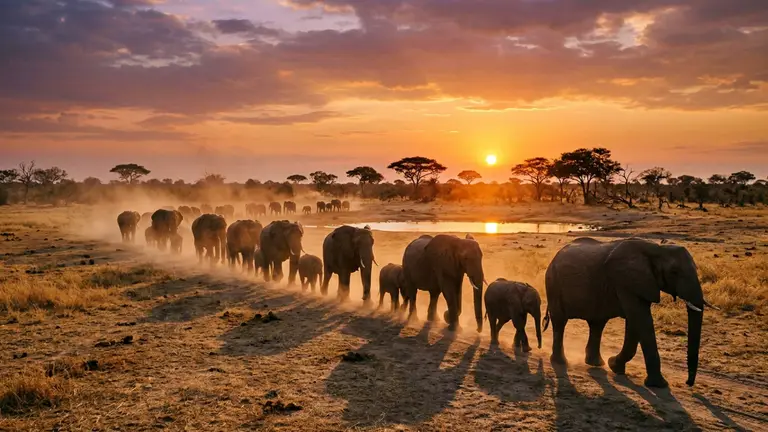
Zimbabwe Safari Guide: Victoria Falls, Hwange & Mana Pools
Zimbabwe is one of Africa’s most rewarding safari destinations, offering an exceptional combination of world-class wildlife, breathtaking landscapes, and authentic wilderness experiences. While many travelers know Zimbabwe for the magnificent Victoria Falls, the country is equally renowned for its vast national parks, thriving Big Five populations, and some of the finest walking and canoe safaris on the continent. A Zimbabwe safari guide introduces visitors to a destination where conservation, adventure, and natural beauty come together to create unforgettable journeys.
Unlike more commercial safari destinations, Zimbabwe delivers a quieter and more intimate experience. Visitors often spend hours exploring remote landscapes without encountering many other safari vehicles. This sense of exclusivity allows travelers to appreciate the African wilderness in its purest form while enjoying encounters with elephants, lions, leopards, buffalo, rhinos, wild dogs, hippos, crocodiles, and hundreds of bird species.
From the thunderous waters of Victoria Falls to the elephant-filled plains of Hwange National Park and the untouched floodplains of Mana Pools National Park, Zimbabwe offers remarkable diversity for wildlife enthusiasts, photographers, families, honeymooners, and adventure travelers alike.
This comprehensive Zimbabwe safari guide covers the country’s leading safari destinations, wildlife, best travel seasons, accommodation options, activities, and practical information to help you plan an unforgettable African safari.
Why Choose Zimbabwe for a Safari?
Zimbabwe has earned a strong reputation among experienced safari travelers because of its outstanding guiding standards, exceptional wildlife viewing, and relatively low visitor numbers. The country prioritizes authentic wilderness experiences where nature remains largely untouched by mass tourism.
A Zimbabwe safari guide highlights another major advantage: diversity. Visitors can combine game drives, walking safaris, canoe adventures, river cruises, cultural experiences, and one of the world’s greatest waterfalls within a single itinerary. Few destinations offer such a broad range of activities while maintaining a strong focus on wildlife conservation.
Zimbabwe also supports healthy populations of many iconic African species. Large protected ecosystems allow animals to roam naturally across extensive landscapes, creating exciting and unpredictable wildlife encounters throughout the year.
Victoria Falls: Zimbabwe’s Natural Wonder
Victoria Falls ranks among the Seven Natural Wonders of the World and serves as one of Africa’s most iconic travel destinations. Known locally as Mosi-oa-Tunya, meaning “The Smoke That Thunders,” the waterfall stretches nearly 1.7 kilometers across the Zambezi River and plunges more than 100 meters into the Batoka Gorge.
A Zimbabwe safari guide often begins at Victoria Falls because it combines spectacular scenery with easy access to several nearby safari destinations. Visitors can spend several days exploring the falls before continuing to national parks across the country.
Exploring Victoria Falls
Walking trails along the rainforest provide numerous viewpoints overlooking the cascading water. During the high-water season, visitors experience immense spray rising hundreds of meters into the air, creating rainbows that stretch across the gorge.
The dry season reveals more of the cliff faces and geological formations, allowing clearer views of the waterfall itself. Each season offers a different perspective, making Victoria Falls a year-round destination.
Adventure Activities Around Victoria Falls
Victoria Falls has become Africa’s adventure capital. Travelers can enjoy helicopter flights over the falls, scenic microlight flights, white-water rafting through the Batoka Gorge, bungee jumping from the Victoria Falls Bridge, zip-lining, gorge swings, and river cruises on the Zambezi.
Sunset cruises remain especially popular, offering opportunities to observe hippos, crocodiles, elephants, and abundant birdlife while enjoying spectacular views along the river.
Hwange National Park: Zimbabwe’s Premier Wildlife Destination
Hwange National Park is Zimbabwe’s largest national park and one of Southern Africa’s finest safari destinations. Covering more than 14,000 square kilometers, it protects an extraordinary diversity of habitats, including grasslands, woodlands, and seasonal wetlands.
A Zimbabwe safari guide would be incomplete without Hwange, as the park supports one of Africa’s largest elephant populations. During the dry season, thousands of elephants gather around natural and pumped waterholes, creating unforgettable wildlife spectacles.
Wildlife in Hwange National Park
Hwange offers excellent opportunities to see the Big Five, although rhinos occur mainly within protected conservation areas. Lions thrive throughout the park, while leopards often inhabit woodland regions and riverine forests.
The park also supports one of Africa’s healthiest populations of endangered African wild dogs. Sightings of these highly social predators rank among the highlights of many safaris.
Visitors regularly encounter buffalo, giraffes, zebras, wildebeests, sable antelope, roan antelope, impalas, kudus, waterbucks, elands, warthogs, and numerous smaller mammals.
Birdlife in Hwange
Birdwatchers discover exceptional diversity in Hwange National Park, with more than 400 recorded bird species. Raptors, hornbills, kingfishers, rollers, bee-eaters, storks, and vultures appear throughout the year, while migratory birds arrive during the rainy season.
Waterholes provide excellent opportunities to observe both resident and migratory species in one location.
Safari Activities in Hwange
Game drives remain the most popular activity, operating during early mornings and late afternoons when wildlife becomes most active. Many lodges also offer night drives that reveal nocturnal animals such as civets, genets, porcupines, aardwolves, and hyenas.
Guided walking safaris introduce visitors to the smaller details of the bush, including animal tracks, insects, medicinal plants, and ecological relationships that often go unnoticed during vehicle-based safaris.
Mana Pools National Park: A UNESCO World Heritage Site
Mana Pools National Park represents one of Africa’s last great wilderness areas. Situated along the Zambezi River, the park forms part of a vast transboundary conservation landscape shared with Zambia.
A Zimbabwe safari guide places Mana Pools among the country’s most extraordinary destinations because it offers remarkable opportunities for walking safaris and canoe expeditions alongside exceptional wildlife viewing.
Wildlife in Mana Pools
Mana Pools supports abundant elephant populations, many of which have become famous for standing on their hind legs to reach seed pods high in ana trees. These unique behaviors have made the park particularly popular among wildlife photographers.
Lions, leopards, African wild dogs, buffalo, hippos, crocodiles, zebras, impalas, waterbucks, and numerous antelope species inhabit the floodplains and woodlands surrounding the river.
The concentration of wildlife along the Zambezi River increases during the dry season as animals gather around permanent water sources.
Canoe Safaris on the Zambezi
Canoeing remains one of Mana Pools’ signature experiences. Guided canoe safaris allow visitors to paddle quietly past elephants feeding on riverbanks, hippos resting in channels, crocodiles basking in the sun, and numerous bird species occupying the surrounding vegetation.
This perspective creates an intimate connection with nature while providing unique photographic opportunities.
Walking Safaris
Mana Pools has earned international recognition for its outstanding walking safaris. Professional guides lead small groups through the wilderness, interpreting wildlife behavior, tracks, vegetation, and ecosystems while maintaining safe distances from animals.
Walking through the African bush offers an entirely different appreciation of the landscape than traditional game drives.
Matusadona National Park
Located along the shores of Lake Kariba, Matusadona National Park combines mountain landscapes with river ecosystems. Although less visited than Hwange or Mana Pools, it offers rewarding wildlife viewing with significantly fewer tourists.
Elephants, buffalo, lions, leopards, hippos, crocodiles, and numerous antelope species inhabit the park, while Lake Kariba supports exceptional fishing and boating opportunities.
Gonarezhou National Park
Gonarezhou National Park protects one of Zimbabwe’s largest wilderness areas and forms part of the Great Limpopo Transfrontier Conservation Area linking Zimbabwe, Mozambique, and South Africa.
The park’s dramatic sandstone cliffs, baobab trees, rivers, and remote landscapes create outstanding scenery alongside abundant wildlife.
Because of its remoteness, Gonarezhou appeals particularly to experienced safari travelers seeking solitude and authentic wilderness experiences.
Wildlife You Can Expect to See
A Zimbabwe safari guide introduces visitors to an impressive diversity of wildlife. Elephants occur throughout many protected areas, especially Hwange National Park, where some of Africa’s largest herds roam freely.
Predators include lions, leopards, cheetahs, spotted hyenas, jackals, servals, and African wild dogs. Buffalo, giraffes, zebras, wildebeests, impalas, kudus, elands, sable antelope, waterbucks, bushbucks, and warthogs provide abundant prey for carnivores.
The country’s rivers support healthy populations of hippos and Nile crocodiles, while bird enthusiasts can observe more than 670 recorded bird species across diverse habitats.
Best Time to Visit Zimbabwe
Zimbabwe offers rewarding safari experiences throughout the year, although wildlife viewing changes with the seasons.
Dry Season (May to October)
The dry season provides the best conditions for wildlife viewing. Vegetation becomes thinner, water sources shrink, and animals gather around rivers and waterholes, making sightings more predictable.
Cool mornings and warm afternoons create comfortable conditions for game drives and walking safaris.
Green Season (November to April)
The rainy season transforms Zimbabwe into a lush green landscape. Birdwatching becomes exceptional as migratory species arrive, and many herbivores give birth during this period.
Although wildlife disperses more widely due to abundant water, photographers often appreciate the dramatic skies and vibrant scenery.
Victoria Falls also reaches its highest water flow between February and May, creating spectacular views of the waterfall.
Accommodation Options
Zimbabwe offers accommodation suitable for every style of safari traveler. National parks feature comfortable lodges, tented camps, and camping facilities, while private concessions provide luxurious safari experiences with personalized service.
Luxury lodges often include spacious suites, fine dining, infinity pools, spa facilities, and panoramic views overlooking rivers or waterholes. Many properties limit guest numbers to maintain privacy and exclusivity.
Mobile tented camps also operate in remote areas, allowing travelers to explore different regions while remaining close to wildlife.
Conservation and Responsible Tourism
Zimbabwe has made significant progress in wildlife conservation through partnerships between government agencies, conservation organizations, local communities, and private safari operators.
Tourism revenue supports anti-poaching initiatives, habitat restoration, wildlife research, and community development projects that encourage long-term conservation.
Choosing responsible safari operators helps ensure that wildlife protection continues benefiting future generations while providing sustainable livelihoods for surrounding communities.
Essential Travel Tips
Planning ahead enhances any safari experience in Zimbabwe. Visitors should check passport validity, visa requirements, travel insurance, and recommended vaccinations before departure.
Pack lightweight neutral-colored clothing, comfortable walking shoes, a warm jacket for early morning game drives, binoculars, sunscreen, insect repellent, a camera, and extra memory cards.
Always follow your guide’s instructions during wildlife activities and maintain respectful distances from animals to ensure both safety and responsible tourism.
Conclusion
Zimbabwe remains one of Africa’s finest safari destinations, offering extraordinary wildlife, breathtaking scenery, and authentic wilderness experiences. Whether you admire the power of Victoria Falls, watch elephants gather around Hwange’s waterholes, or paddle quietly through the waterways of Mana Pools, every destination reveals a different side of the country’s remarkable natural heritage.
A Zimbabwe safari guide provides the foundation for planning a journey filled with unforgettable wildlife encounters, exceptional guiding, and meaningful conservation experiences. With its combination of iconic attractions, diverse ecosystems, and world-class safari opportunities, Zimbabwe deserves a place on every African travel itinerary.