
Zimbabwe Safari Guide: Victoria Falls, Hwange & Mana Pools
June 24, 2026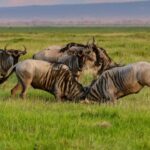
Kenya Safari Guide: Maasai Mara, Amboseli & Tsavo
June 24, 2026
Tanzania Safari Guide: Serengeti, Ngorongoro & Zanzibar
Tanzania stands among Africa’s most iconic safari destinations, offering vast wilderness, world-famous wildlife spectacles, and tropical coastal escapes in a single country. A Tanzania safari guide introduces travelers to a land where the Great Migration thunders across open plains, volcanic craters protect dense wildlife populations, and the Indian Ocean delivers soft white-sand beaches just a short flight away from the savannah.
Few destinations in the world combine such diversity. Tanzania offers classic Big Five safaris, exclusive luxury lodges, cultural encounters with Maasai communities, and island relaxation in Zanzibar. This balance makes it ideal for first-time safari travelers, honeymooners, photographers, and seasoned explorers seeking Africa at its most dramatic and authentic.
This comprehensive Tanzania safari guide explores Serengeti National Park, Ngorongoro Crater, Zanzibar Island, wildlife experiences, best time to visit, accommodation, and everything you need to plan a seamless African adventure.
Why Tanzania Stands Out as a Safari Destination
Tanzania delivers one of the richest wildlife ecosystems in Africa, supported by vast protected areas that allow animals to roam freely across uninterrupted landscapes. The country prioritizes conservation, with nearly 30% of its land under protection, creating one of the most stable and biodiverse safari environments on the continent.
A Tanzania safari guide also highlights the country’s unmatched wildlife density in key regions. The Serengeti alone supports millions of wildebeest, zebras, and gazelles, along with Africa’s highest concentration of large predators. Lions, leopards, cheetahs, hyenas, and wild dogs thrive in this ecosystem, creating dramatic predator-prey interactions year-round.
Tanzania also offers excellent safari flexibility. Travelers can combine fly-in luxury safaris, mobile tented camps that follow wildlife movements, cultural village visits, and beach extensions in Zanzibar without leaving the country.
Serengeti National Park: The Heart of African Safaris
Serengeti National Park defines the classic African safari experience. Stretching over 14,000 square kilometers, it forms one of the most important ecosystems on Earth and supports the world-famous Great Migration.
A Tanzania safari guide always places the Serengeti at the center of any itinerary because it offers unmatched wildlife density and year-round game viewing.
The Great Migration
The Serengeti hosts the largest terrestrial mammal migration on the planet. Over 1.5 million wildebeest, 300,000 zebras, and hundreds of thousands of gazelles move in a continuous cycle across the plains in search of fresh grazing.
This movement creates dramatic river crossings, especially at the Mara River, where crocodiles lie in wait. Predators follow the herds closely, making the migration one of the most intense wildlife spectacles in Africa.
Each season offers a different highlight, from calving in the southern plains to river crossings in the north. This makes the Serengeti a year-round safari destination with constantly shifting wildlife patterns.
Wildlife in the Serengeti
The Serengeti supports an extraordinary range of wildlife. Lions dominate the open plains, often seen in large prides hunting during early mornings and evenings. Leopards prefer riverine forests, while cheetahs use the open grasslands for high-speed chases.
Elephants, buffalo, giraffes, hippos, and crocodiles contribute to the Big Five experience, while hyenas play a major role in the ecosystem as both hunters and scavengers.
Birdlife also thrives, with more than 500 recorded species, including raptors, storks, rollers, and secretary birds.
Ngorongoro Crater: A Natural Wildlife Sanctuary
Ngorongoro Crater represents one of Africa’s most unique safari environments. Formed by a collapsed volcano, the crater creates a self-contained ecosystem that supports an incredible density of wildlife within its 260 square kilometers.
A Tanzania safari guide highlights Ngorongoro as one of the best places in Africa to see the Big Five in a single day.
Wildlife in the Crater
The crater floor supports lions, elephants, buffalo, rhinos, zebras, wildebeests, hippos, and hyenas. Black rhinos remain one of the most important conservation highlights in this region, offering rare viewing opportunities.
The permanent water sources and fertile grasslands ensure that wildlife remains within the crater year-round, creating consistent and predictable sightings.
Landscape and Experience
Ngorongoro combines dramatic scenery with concentrated wildlife viewing. Steep crater walls surround open plains, lakes, and forests, creating one of the most visually striking safari environments in Africa.
Game drives descend into the crater early in the morning and offer a full-day safari experience before returning to the highlands in the evening.
Tarangire National Park: Elephant Country
Tarangire National Park often forms part of Tanzania’s northern safari circuit. It is famous for its large elephant herds and iconic baobab trees that dominate the landscape.
A Tanzania safari guide includes Tarangire because it offers excellent wildlife viewing during the dry season when animals migrate toward the Tarangire River.
Lions, leopards, giraffes, zebras, wildebeests, and numerous antelope species thrive in the park. Birdwatching also remains exceptional, with more than 400 recorded species.
Tarangire provides a quieter safari experience compared to Serengeti and Ngorongoro, making it ideal for travelers seeking fewer crowds.
Lake Manyara National Park: Forest and Flamingos
Lake Manyara National Park offers a compact but diverse safari experience. Located along the Rift Valley escarpment, the park combines groundwater forests, alkaline lakes, and open grasslands.
A Tanzania safari guide highlights Lake Manyara for its tree-climbing lions, large flamingo populations, and scenic landscapes.
Elephants, hippos, baboons, giraffes, and buffalo inhabit the park, while birdlife thrives along the lake shores. The park provides an excellent introduction to Tanzania’s northern safari circuit.
Zanzibar: Tanzania’s Tropical Paradise
Zanzibar offers a completely different experience from Tanzania’s mainland safari parks. After days of game drives, travelers often fly to this Indian Ocean island to relax on white-sand beaches surrounded by turquoise waters.
A Tanzania safari guide includes Zanzibar as the perfect beach extension to a wildlife safari.
Beaches and Relaxation
Zanzibar’s coastline features soft white sand beaches such as Nungwi, Kendwa, Paje, and Matemwe. These areas offer luxury resorts, boutique hotels, and beachfront villas ideal for honeymooners and relaxation seekers.
The Indian Ocean provides warm waters suitable for swimming, snorkeling, and diving among coral reefs and marine life.
Stone Town Culture
Stone Town, a UNESCO World Heritage Site, showcases Zanzibar’s rich history influenced by African, Arab, Indian, and European cultures. Narrow streets, spice markets, historic buildings, and vibrant local life create a fascinating cultural experience.
Visitors often explore spice farms, historical sites, and local cuisine before heading to the beach.
Wildlife You Can Expect in Tanzania
A Tanzania safari guide introduces one of Africa’s most complete wildlife ecosystems. The Big Five—lion, leopard, elephant, buffalo, and rhino—are all present, especially in Serengeti and Ngorongoro.
Predators dominate the ecosystem, with lions being particularly abundant. Cheetahs and leopards provide excellent photographic opportunities, while hyenas and wild dogs play crucial ecological roles.
Large herbivores such as zebras, wildebeests, giraffes, and antelopes form the backbone of the food chain, supporting the dramatic predator interactions Tanzania is famous for.
Best Time to Visit Tanzania
Tanzania offers year-round safari opportunities, but timing affects wildlife behavior and migration patterns.
The dry season from June to October provides the best wildlife viewing conditions. Animals gather around water sources, vegetation thins, and predator sightings increase.
The green season from November to May offers lush landscapes, fewer tourists, and excellent birdwatching. Calving season in the Serengeti between January and March creates dramatic predator action.
Zanzibar remains warm throughout the year, with the best beach conditions typically from June to October and December to February.
Accommodation in Tanzania
Tanzania offers a wide range of accommodation, from luxury lodges and tented camps to mobile camps that follow the Great Migration.
Serengeti lodges often provide panoramic views of the plains, while Ngorongoro lodges sit along crater rims with breathtaking scenery. Zanzibar resorts focus on beachfront luxury with private villas, spa services, and ocean views.
Mobile safari camps offer an immersive experience, moving seasonally to follow wildlife movement patterns across the Serengeti ecosystem.
Safari Activities in Tanzania
A Tanzania safari guide includes a wide range of safari experiences beyond game drives. Hot air balloon safaris over the Serengeti provide sunrise views of wildlife across endless plains.
Walking safaris in select areas allow travelers to explore ecosystems on foot with expert guides. Cultural visits to Maasai villages offer insight into traditional lifestyles and pastoral culture.
Zanzibar adds water-based activities such as snorkeling, diving, dhow cruises, and spice tours, creating a complete safari and beach experience.
Conservation and Responsible Tourism
Tanzania plays a critical role in African conservation. National parks and conservation areas protect vast ecosystems that support millions of animals.
Tourism revenue supports anti-poaching efforts, habitat protection, and community development projects. Many lodges also participate in conservation education and wildlife research.
Responsible tourism ensures that future generations continue to experience Tanzania’s remarkable biodiversity and natural heritage.
Conclusion
Tanzania delivers one of the most complete safari experiences in Africa, combining world-famous wildlife destinations, dramatic landscapes, and tropical island escapes. From the endless plains of the Serengeti and the wildlife-filled Ngorongoro Crater to the elephant-rich Tarangire and the white-sand beaches of Zanzibar, every destination offers something unique.
A Tanzania safari guide helps travelers experience Africa at its most iconic and diverse. Whether witnessing the Great Migration, exploring volcanic landscapes, or relaxing on the Indian Ocean coast, Tanzania delivers a journey filled with unforgettable moments and extraordinary wildlife encounters.