

From Coastlines to Canyons: Southern Africa’s Most Scenic Landscapes
November 11, 2025
Best Time to Visit Kruger National Park: Month-by-Month Safari Guide
June 24, 2026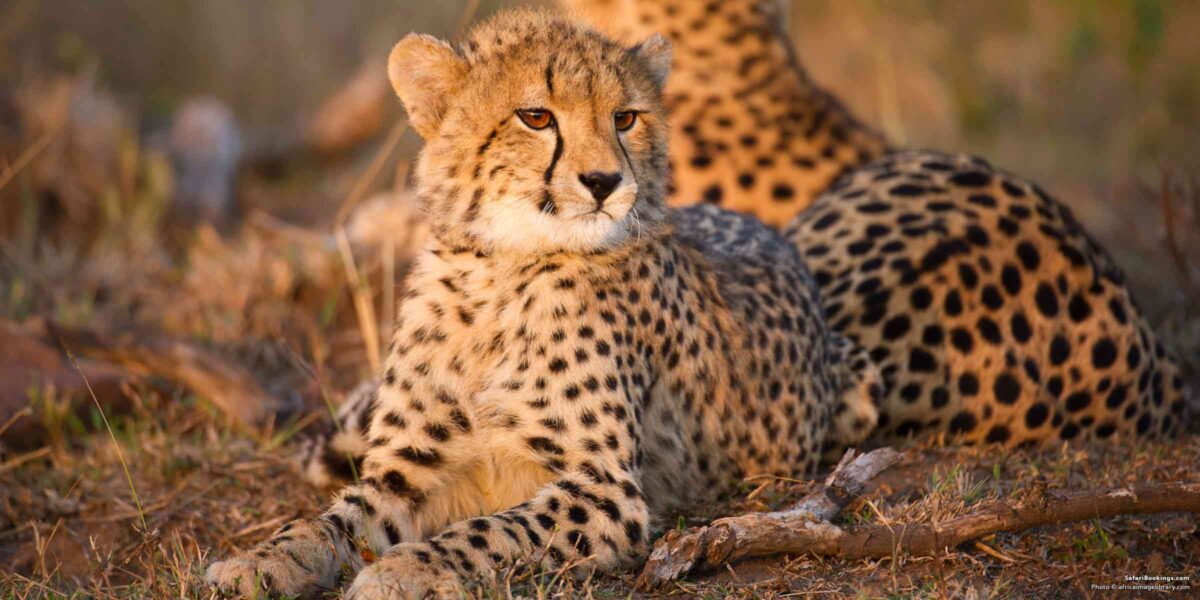
The Ultimate Guide to Safari in South Africa: Everything You Need to Know.
A safari in South Africa ranks among the world’s greatest wildlife experiences. The country combines exceptional biodiversity, modern tourism infrastructure, luxury and budget-friendly accommodation, excellent road networks, and world-famous national parks, making it one of the most accessible safari destinations in Africa. Whether you dream of spotting the Big Five, photographing elusive predators, exploring private game reserves, or combining wildlife with beaches, wine regions, and vibrant cities, South Africa offers an unforgettable adventure.
Unlike many safari destinations that require domestic charter flights or lengthy transfers, South Africa allows visitors to experience spectacular wildlife within a few hours of major international airports. Travelers can choose self-drive safaris, guided tours, luxury fly-in packages, family holidays, honeymoon escapes, or photographic expeditions depending on their interests and budget.
This comprehensive guide explains everything you need to know before planning a safari in South Africa, including the best destinations, wildlife, accommodation, seasons, safari styles, costs, conservation efforts, travel tips, and what makes South Africa one of Africa’s leading safari destinations.
Why Choose a Safari in South Africa?
South Africa has earned its reputation as one of Africa’s premier safari destinations because it offers incredible diversity within a single country. Visitors enjoy world-class wildlife viewing alongside outstanding hospitality, comfortable accommodation, excellent roads, and exceptional tourism services.
One of the country’s greatest strengths lies in its accessibility. Most safari regions connect easily to Johannesburg, Cape Town, Durban, or other regional airports. Travelers can comfortably combine several destinations during one holiday, creating an itinerary that includes wildlife, cultural attractions, mountains, vineyards, coastal scenery, and vibrant cities.
The country also provides safari experiences for every type of traveler. Families appreciate malaria-free reserves, couples enjoy luxurious lodges overlooking waterholes, and photographers benefit from specialized hides and game vehicles, while adventure travelers explore remote wilderness areas rich in wildlife.
South Africa’s commitment to wildlife conservation has also helped preserve some of Africa’s most iconic species. Successful protection programs have supported healthy populations of lions, elephants, rhinos, leopards, buffaloes, cheetahs, African wild dogs, and countless other animals.
What Makes South African Safaris Unique?
A safari in South Africa differs from many other African safari experiences because visitors enjoy remarkable flexibility. Travelers may rent a vehicle and explore famous parks independently or choose fully guided luxury safaris that include expert rangers, gourmet dining, spa treatments, and exclusive wildlife encounters.
Private game reserves neighboring national parks provide intimate wildlife viewing with fewer vehicles, off-road driving opportunities, and guided bush walks. These experiences often allow guests to spend more time observing predators and other elusive animals without large crowds.
Another unique advantage is the wide variety of landscapes. South Africa features open savannahs, dense bushveld, wetlands, forests, mountains, coastal reserves, and semi-arid regions, each supporting different ecosystems and wildlife.
Best National Parks and Safari Destinations
Kruger National Park
Kruger National Park remains the country’s most famous safari destination and one of Africa’s largest protected areas. Covering nearly 20,000 square kilometers, it protects an extraordinary diversity of wildlife and habitats.
The park supports more than 140 mammal species, over 500 bird species, reptiles, amphibians, and countless plant species. Visitors regularly encounter elephants, lions, leopards, rhinos, buffaloes, giraffes, zebras, hippos, crocodiles, hyenas, cheetahs, and numerous antelope species.
Kruger suits nearly every traveler because it offers affordable campsites, self-catering bungalows, luxury lodges, guided safaris, walking safaris, and private concessions. Many visitors spend several days exploring different regions since wildlife sightings vary significantly throughout the park.
Sabi Sand Game Reserve
Sharing an unfenced boundary with Kruger National Park, Sabi Sand Game Reserve offers one of Africa’s finest luxury safari experiences.
The reserve has become internationally famous for exceptional leopard sightings. Experienced guides understand animal behavior and use radio communication responsibly to maximize quality wildlife encounters while minimizing disturbance.
Luxury lodges provide personalized service, gourmet cuisine, elegant suites, private plunge pools, and twice-daily game drives led by highly trained rangers and trackers.
Timbavati Private Nature Reserve
Timbavati borders Kruger and has gained worldwide recognition for its rare white lions. Although white lions remain extremely uncommon, visitors frequently enjoy outstanding sightings of elephants, predators, large buffalo herds, giraffes, zebras, and numerous antelope.
The reserve limits visitor numbers, creating quieter wildlife experiences with excellent photographic opportunities.
Madikwe Game Reserve
Located near Botswana, Madikwe ranks among South Africa’s finest malaria-free safari destinations.
Families particularly appreciate the reserve because children can safely enjoy wildlife adventures without concerns about malaria prophylaxis. Madikwe also supports one of Africa’s largest populations of endangered African wild dogs.
The reserve combines luxury accommodation with exceptional conservation success, making it ideal for first-time safari travelers.
Addo Elephant National Park
Eastern Cape’s Addo Elephant National Park protects one of Africa’s largest elephant populations. Visitors often encounter impressive breeding herds throughout the park.
Beyond elephants, Addo supports lions, buffaloes, black rhinos, spotted hyenas, zebras, warthogs, kudu, and numerous bird species.
The park also forms part of the unique “Big Seven” conservation area, where visitors can potentially see the traditional Big Five alongside southern right whales and great white sharks in nearby marine protected areas.
Hluhluwe-iMfolozi Park
KwaZulu-Natal’s Hluhluwe-iMfolozi Park holds tremendous conservation significance because it helped rescue the southern white rhinoceros from near extinction.
Today, visitors enjoy excellent rhino sightings alongside elephants, lions, leopards, buffaloes, giraffes, hyenas, and diverse birdlife across rolling hills and scenic valleys.
Wildlife You Can Expect to See
A safari in South Africa offers opportunities to encounter remarkable wildlife throughout the year.
The famous Big Five remain the primary attraction for many visitors. Lions patrol grasslands and riverbeds, while elephants move through woodland in family groups. Leopards often rest in large trees before becoming active at dusk. Buffaloes gather in impressive herds, and rhinos graze quietly across protected reserves.
Predator enthusiasts may also encounter cheetahs, African wild dogs, black-backed jackals, servals, caracals, and spotted hyenas.
South Africa also supports abundant herbivores, including giraffes, zebras, wildebeests, impalas, kudus, waterbucks, nyalas, elands, bushbucks, springboks, sable antelopes, and gemsboks.
Bird enthusiasts discover exceptional diversity with more than 850 recorded species. Popular sightings include martial eagles, secretary birds, lilac-breasted rollers, saddle-billed storks, African fish eagles, kingfishers, bee-eaters, hornbills, and numerous vultures.
Reptiles such as Nile crocodiles, monitor lizards, tortoises, pythons, and various snake species complete South Africa’s extraordinary biodiversity.
Best Time for a Safari in South Africa
South Africa offers year-round safari opportunities, but each season provides different advantages.
During the dry winter months from May through September, vegetation becomes thinner, water sources shrink, and animals gather around rivers and waterholes. Wildlife becomes easier to locate, making winter the preferred season for many safari enthusiasts.
Temperatures remain pleasant during the day, while mornings and evenings can become surprisingly cold, especially during game drives.
Summer, which extends from October through April, transforms many parks into lush green landscapes. This period welcomes newborn animals, abundant birdlife, dramatic thunderstorms, and beautiful scenery.
Although thicker vegetation can make wildlife slightly harder to spot, photographers often appreciate the vibrant landscapes and softer lighting.
Types of Safari Experiences
One reason travelers love a safari in South Africa is the incredible variety of safari styles available.
Self-drive safaris remain especially popular in Kruger National Park and Addo Elephant National Park. Visitors enjoy complete flexibility while exploring at their own pace, stopping whenever wildlife appears along the roads.
Guided safaris provide expert interpretation from experienced rangers who understand animal behavior, ecology, and tracking techniques. Their knowledge significantly increases the likelihood of finding elusive wildlife.
Luxury safaris combine elegant accommodation, gourmet dining, premium wines, wellness facilities, and personalized service with exceptional wildlife viewing.
Walking safaris introduce visitors to smaller aspects of the African bush. Experienced armed guides explain animal tracks, medicinal plants, insects, birds, and ecological relationships often overlooked during vehicle-based safaris.
Photographic safaris cater specifically to wildlife photographers by using specially designed vehicles with flexible seating arrangements and extended viewing opportunities.
Accommodation Options
Accommodation during a safari in South Africa ranges from affordable campsites to some of Africa’s most luxurious safari lodges.
National parks offer government-operated rest camps featuring self-catering cottages, family chalets, restaurants, shops, and camping facilities.
Private lodges elevate the safari experience with spacious suites, elegant interiors, outdoor showers, infinity pools, gourmet cuisine, and attentive service. Many overlook waterholes where wildlife visits throughout the day.
Eco-lodges emphasize sustainability through renewable energy, water conservation, local employment, and environmentally responsible construction.
Families often select lodges offering child-friendly activities, educational bush programs, and family suites.
Honeymooners frequently choose exclusive lodges with private plunge pools, romantic dinners, spa treatments, and secluded luxury accommodation.
Conservation and Responsible Tourism
Wildlife conservation forms the foundation of every successful safari in South Africa.
National parks, private reserves, conservation organizations, local communities, researchers, and tourism operators work together to protect endangered wildlife and preserve natural ecosystems.
Tourism revenue supports anti-poaching operations, habitat restoration, wildlife monitoring, scientific research, environmental education, and community development initiatives.
Many private reserves actively participate in breeding programs for endangered species such as African wild dogs, cheetahs, and rhinos.
Visitors also contribute directly through park entrance fees, accommodation costs, conservation donations, and responsible travel choices.
Choosing ethical safari operators helps ensure tourism continues benefiting both wildlife and surrounding communities.
Practical Travel Tips
Planning ahead greatly improves your safari experience. International visitors should confirm passport validity, visa requirements, vaccination recommendations, and travel insurance before departure.
Pack lightweight neutral-colored clothing, a warm jacket for early morning drives, comfortable walking shoes, sunglasses, sunscreen, insect repellent, binoculars, a camera, extra batteries, and memory cards.
Always listen carefully to your guide’s instructions. Maintain safe distances from wildlife, remain quiet during sightings, and avoid feeding animals under any circumstances.
Patience often rewards safari travelers. Wildlife encounters happen naturally, and every game drive offers different experiences.
Combining Your Safari with Other South African Attractions
One of the greatest advantages of choosing South Africa lies in the ability to combine wildlife with other remarkable destinations.
Many visitors begin their journey in Cape Town, exploring Table Mountain, the Cape Winelands, Cape Point, and the V&A Waterfront before traveling to safari destinations.
Others visit the scenic Panorama Route, featuring Blyde River Canyon, Bourke’s Luck Potholes, God’s Window, and spectacular waterfalls on the way to Kruger National Park.
KwaZulu-Natal combines safaris with Indian Ocean beaches, while the Garden Route offers forests, lagoons, whale watching, and charming coastal towns.
These combinations create diverse holidays that appeal to families, honeymooners, photographers, and adventure travelers alike.
Conclusion
A safari in South Africa delivers far more than wildlife sightings. It offers an immersive journey through some of Africa’s richest ecosystems, where unforgettable encounters with iconic animals combine with breathtaking landscapes, outstanding hospitality, and meaningful conservation efforts.
Whether you choose the legendary plains of Kruger National Park, the exclusive luxury of Sabi Sand, the family-friendly environment of Madikwe, or the elephant-rich landscapes of Addo, every safari creates memories that last a lifetime.
South Africa continues to lead African safari tourism because it balances accessibility, diversity, conservation, and world-class experiences. With careful planning, the right destination, and enough time to explore, your safari in South Africa will become one of the most rewarding travel experiences you will ever enjoy.