Arusha Tanzania Guide
October 2, 2026
Lusaka Zambia Guide
October 2, 2026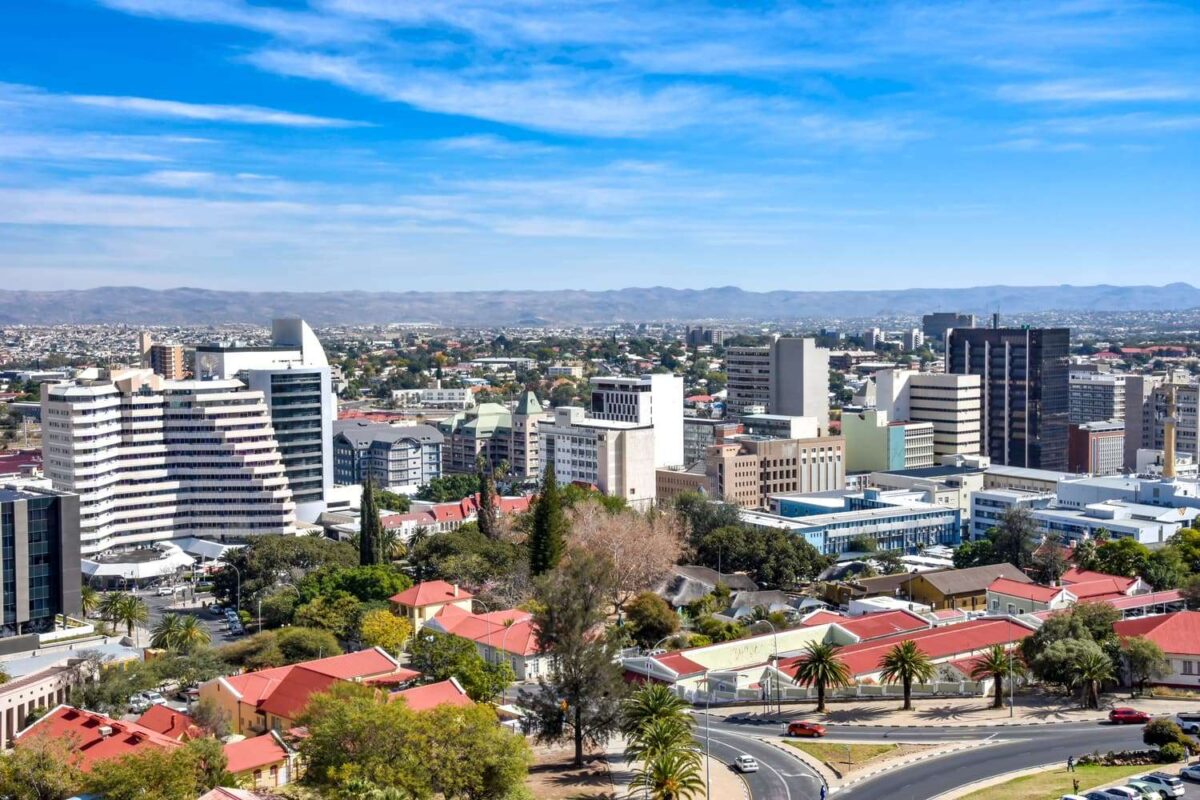
Windhoek Namibia Guide: Africa’s Quietest Capital City
Windhoek is often the first place travellers encounter in Namibia, yet many leave almost immediately for the country’s deserts and wildlife reserves. That is understandable when destinations such as Sossusvlei and Etosha are waiting, but Namibia’s compact capital deserves more attention than a simple airport transfer.
This Windhoek Namibia capital guide explores the city’s attractions, accommodation, restaurants, transportation and its important role as the gateway to a wider Namibia safari. Windhoek is relatively small by African capital-city standards, and its manageable scale creates a relaxed introduction to the country.
Why Visit Windhoek?
Windhoek sits almost in the geographical centre of Namibia, making it a natural transportation and administrative hub.
For safari travellers, its main importance is logistical. International and regional flights bring visitors into the area, while self-drive vehicles, guided safari departures and domestic flights connect the capital with destinations throughout Namibia.
The city also provides an opportunity to recover after a long international journey. Spending a night here before beginning a demanding road trip can be far more comfortable than immediately driving several hours after landing.
Windhoek’s architecture, restaurants and museums additionally provide context about Namibia before travellers encounter the country’s remote landscapes.
Understanding Windhoek
Windhoek reflects multiple layers of Namibian history.
German colonial architecture remains visible in parts of the city, while modern government buildings and contemporary commercial development represent a very different Namibia.
The city is surrounded by dry, mountainous landscapes that immediately introduce visitors to the country’s arid environment.
Compared with many larger capitals, central Windhoek can feel relatively quiet. This makes it approachable for travellers who prefer a gentle start to their African journey.
Christ Church
Christ Church is one of Windhoek’s most recognizable landmarks.
Its distinctive architecture makes it a common photography stop and a useful reference point when exploring central Windhoek.
The surrounding area contains several important buildings and monuments, allowing visitors to explore multiple historical sites without travelling large distances.
Rather than viewing individual landmarks in isolation, travellers can use them to understand the complicated historical periods that shaped modern Namibia.
Independence Memorial Museum
The Independence Memorial Museum provides important context about Namibia’s struggle for independence and the country’s political history.
For international visitors, spending time here can deepen understanding of Namibia beyond its wildlife and desert scenery.
The museum’s central location makes it relatively easy to combine with other Windhoek attractions.
Historical interpretation can be politically and emotionally complex, so travellers should approach museums as opportunities to understand different periods and perspectives rather than merely as photography stops.
Namibia’s National Museum Collections
Other museum collections and heritage locations in Windhoek help explain Namibia’s cultural and natural history.
This background becomes useful when travelling across the country because Namibia contains diverse communities, languages and landscapes.
Visitors who understand some of this context before leaving the capital often gain more from subsequent interactions and destinations.
A city tour with a knowledgeable local guide can also help connect historical information with present-day Windhoek.
Katutura and Local Experiences
Katutura forms an important part of Windhoek’s history and contemporary identity.
Its development is connected with apartheid-era forced relocation, but today the area is also home to active communities, markets, businesses and cultural experiences.
Travellers interested in visiting should consider doing so with a reputable local guide who can provide appropriate historical and social context.
A thoughtful tour should focus on understanding the community rather than treating everyday life as a spectacle.
Local markets and food experiences can provide a more complete picture of Windhoek than remaining exclusively within hotel districts.
Eating in Windhoek
Windhoek has a surprisingly varied restaurant scene for its size.
Menus can include Namibian dishes, grilled meats, German-influenced food and international cuisine.
Game meat appears on some menus, although travellers should choose established restaurants and understand what they are ordering.
Namibian beer is also well known, and the country’s German historical influence remains visible in certain food and beverage traditions.
Visitors with dietary requirements will generally find reasonable options in the capital, but choices can become more limited once travelling into remote regions.
Where to Stay in Windhoek
Accommodation ranges from guesthouses and boutique hotels to larger international-style properties.
Staying relatively centrally can be convenient for travellers planning to explore the city.
Properties on the outskirts may provide quieter surroundings and easier road access when departing on safari the following morning.
For many travellers, the ideal Windhoek hotel is comfortable rather than elaborate. Namibia’s greatest attractions lie beyond the capital, so accommodation should support the broader itinerary.
Secure parking is an important consideration for self-drive visitors.
Hosea Kutako International Airport
Most international travellers arrive through Hosea Kutako International Airport, located outside central Windhoek.
The distance means visitors should not assume that the airport is immediately beside the city.
Transfers should be arranged in advance, particularly for evening arrivals.
Windhoek also has another airport serving some domestic operations, so passengers should verify departure details carefully when connecting to internal flights.
As elsewhere in Africa, confusing two airports can result in missed connections.
Windhoek as the Beginning of a Self-Drive Safari
Namibia is one of Africa’s most popular self-drive destinations.
Windhoek contains numerous vehicle rental companies, making it a common collection and return point.
Travellers should allow sufficient time for the vehicle handover. Rental staff may explain tyre pressures, fuel systems, emergency equipment and driving conditions.
Do not rush this process.
Distances in Namibia can be substantial, and many roads outside towns are gravel. Understanding the vehicle before departure can prevent avoidable problems later.
Driving From Windhoek to Sossusvlei
Sossusvlei is one of Namibia’s signature destinations.
The journey from Windhoek takes travellers through increasingly dramatic arid landscapes toward the Namib Desert.
Although the distance may look manageable on a map, driving times should be calculated conservatively because road surfaces and conditions vary.
Avoid designing an itinerary that requires driving long distances every day. Namibia is best experienced at a measured pace.
The desert scenery itself is part of the journey.
Windhoek to Etosha National Park
Etosha National Park is another major destination accessible from Windhoek.
The park is famous for wildlife viewing around waterholes, particularly during drier periods.
Visitors can drive north from Windhoek, potentially incorporating other destinations along the way.
A well-planned Namibia itinerary often forms a broad circuit rather than requiring repeated returns to the capital.
This makes route planning particularly important.
Windhoek to Damaraland
Damaraland introduces travellers to some of Namibia’s most rugged scenery.
Rock formations, desert-adapted wildlife and cultural experiences make the region distinctly different from Etosha and Sossusvlei.
Driving distances can again be substantial, so overnight locations should be chosen carefully.
Windhoek’s central position makes it possible to create numerous route combinations depending on available time.
Best Time to Visit Windhoek
Windhoek can be visited throughout the year.
Because most travellers are using the city as part of a larger Namibia itinerary, the ideal travel period usually depends on destinations elsewhere in the country.
Wildlife viewing conditions in Etosha, temperatures in desert regions and personal tolerance for heat should all be considered.
Windhoek itself has an arid climate with significant differences between daytime and nighttime temperatures during certain seasons.
Packing layers is therefore useful.
What to Pack for Windhoek and Namibia
Sun protection is essential.
A wide-brimmed hat, sunglasses and sunscreen are useful throughout much of Namibia.
Travellers should also carry warmer layers, especially when visiting desert areas where mornings and evenings can become unexpectedly cold.
Comfortable footwear is important for city exploration and safari activities.
Self-drive visitors should carry sufficient drinking water when travelling between remote destinations and follow the advice of their rental company regarding fuel and emergency supplies.
Shopping in Windhoek
Windhoek can be a useful place to purchase crafts, artwork and practical supplies.
Travellers beginning a self-drive journey can also stock up on snacks, water and other necessities before leaving the city.
When purchasing crafts, consider reputable markets and stores that support local producers.
Those buying higher-value items should request appropriate receipts and understand customs requirements for products made from wildlife materials.
Safety in Windhoek
Normal urban precautions are appropriate.
Avoid displaying unnecessary amounts of cash or expensive equipment in busy areas. Use reputable taxis, transfer companies or transportation recommended by accommodation providers.
Self-drive travellers should avoid leaving valuable items visible inside vehicles.
Hotels and local operators can provide current advice regarding specific areas and travel conditions.
Most importantly, travellers should apply the same practical awareness they would use in any unfamiliar capital city.
How Long Should You Spend in Windhoek?
For safari travellers, one or two nights are usually sufficient.
One night provides time to rest, collect a rental vehicle and prepare for the road journey ahead.
Two nights allow visitors to explore historical sites, restaurants and local neighbourhoods at a more comfortable pace.
Travellers arriving after a long overnight flight should strongly consider resting before beginning a lengthy drive.
Namibia’s open roads can look deceptively easy, but fatigue remains a serious driving risk.
Windhoek as a Safari Gateway
Windhoek’s greatest travel advantage is connectivity.
From here, itineraries can extend south toward the Namib Desert, north toward Etosha or west into rugged desert regions.
Longer trips can combine Sossusvlei, Swakopmund, Damaraland and Etosha in a broad circuit before returning to the capital.
Charter and scheduled domestic flights can reduce road travel for visitors with limited time.
Luxury fly-in safaris provide another option for accessing remote lodges while appreciating Namibia’s landscapes from the air.
Responsible Travel in Namibia
Namibia’s landscapes often appear empty, but they support fragile ecosystems and communities.
Travellers should remain on authorized roads and tracks, particularly in desert environments where vehicle marks can remain visible for long periods.
Never approach wildlife too closely for photographs.
Water is a limited resource in an arid country, so responsible use at lodges and hotels is important.
Supporting local guides, craft producers and tourism businesses can also help ensure that visitor spending reaches communities connected with the places being explored.
Is Windhoek Worth Visiting?
Windhoek may not have the overwhelming scale of some African capitals, and that is part of its appeal.
It offers a calm introduction to Namibia before travellers encounter enormous deserts, remote coastlines and wildlife reserves.
The city’s museums, historical landmarks, food and neighbourhoods can also provide valuable context for understanding the country.
A practical Windhoek Namibia capital guide itinerary might include one comfortable arrival night, a half or full day exploring the city, and an early departure into Namibia’s wider landscapes.
Windhoek does not need to compete with Sossusvlei or Etosha. Its role is different. It is the place where many Namibian journeys begin, where travellers prepare for the road ahead and where the extraordinary scale of the country gradually starts to become apparent.