Nocturnal Animals of Africa
November 5, 2026
Leopard Territory
November 5, 2026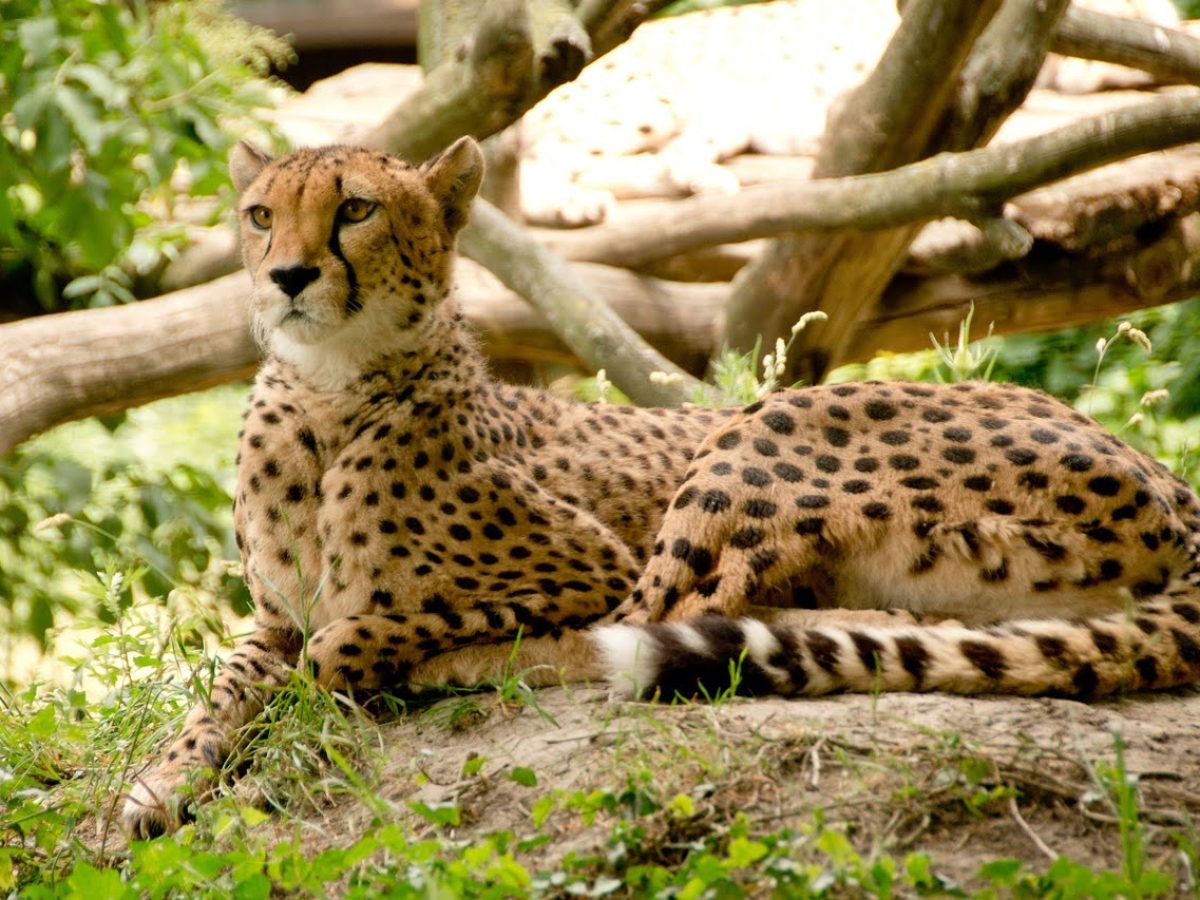
The Fastest Animals in Africa: Speed of Cheetah vs Others
Africa is home to some of the world’s fastest land animals, whose remarkable speed helps them hunt, escape predators, and survive across diverse landscapes. The cheetah holds the title of the fastest land mammal, but several other African species demonstrate extraordinary running abilities. Understanding the fastest animals Africa speed cheetah comparisons reveals how evolution has shaped different forms of movement across savannahs, grasslands, and open plains.
Speed plays different roles in the survival of African wildlife. Predators rely on acceleration and precision to capture prey, while herbivores use speed, endurance, and agility to escape danger. These adaptations create dramatic interactions that travellers may observe during wildlife safaris.
Although popular wildlife articles often present precise maximum speeds, actual performance varies according to age, terrain, physical condition, and the distance travelled. Some commonly quoted figures come from estimates rather than repeated scientific measurements in natural conditions. Comparing African animals therefore requires attention to both their potential speed and how they move in the wild.
Why Speed Matters in the African Wilderness
Speed provides an important survival advantage in environments where predators and prey interact regularly. Animals that can accelerate quickly may escape immediate danger, while predators with exceptional sprinting ability can close the distance to fleeing prey. However, speed alone rarely determines the outcome of a hunt.
Agility, stamina, awareness, and terrain also influence survival. A slower animal may escape by changing direction rapidly or moving into vegetation that restricts a predator’s approach. Predators must balance the energy required for pursuit against the likelihood of capturing food.
Different species have therefore developed distinct movement strategies. Some specialise in short explosive sprints, while others depend on sustained running or rapid changes in direction. Understanding these differences provides a more accurate picture of African wildlife than ranking animals by a single maximum-speed figure.
The Cheetah: Africa’s Fastest Land Animal
The cheetah is widely recognised as the fastest land animal, capable of extraordinary acceleration during short pursuits. Its lightweight body, long legs, flexible spine, and specialised claws contribute to its remarkable sprinting ability. Scientific observations have recorded exceptional speeds, although the often-repeated figure of 110 to 120 kilometres per hour should not be treated as a typical hunting speed.
Research on free-ranging cheetahs has shown that successful hunts often depend on acceleration, braking, and rapid turning rather than maintaining maximum speed. Cheetahs frequently pursue prey through complex movements that require precise coordination. Their hunting success therefore reflects a combination of physical power and agility.
Cheetahs generally rely on short bursts of speed because high-intensity running places considerable demands on their bodies. They must approach prey closely before beginning a chase to improve their chances of success. This combination of stalking and sprinting makes cheetah hunting one of Africa’s most remarkable wildlife spectacles.
How the Cheetah’s Body Supports Extreme Speed
The cheetah possesses several anatomical adaptations that contribute to rapid acceleration and efficient movement. Its flexible spine allows substantial extension and contraction during running, increasing stride length. Long limbs and powerful muscles help generate the force necessary for rapid changes in speed.
Unlike many other cats, cheetahs have relatively non-retractable claws that provide traction during high-speed movement. Their long tails assist with balance and control when turning sharply. These adaptations are especially important when pursuing agile prey across open ground.
Cheetahs also possess respiratory and cardiovascular features suited to intense physical activity. However, sprinting remains energetically demanding, and animals cannot maintain extreme speeds indefinitely. Their hunting strategy depends on using speed effectively within a relatively short pursuit.
The Springbok: Speed and Agility on the Plains
Springbok are among southern Africa’s most recognisable antelope, famous for their agility and rapid movement across open landscapes. They can reach impressive running speeds, with commonly cited estimates approaching 80 to 90 kilometres per hour. Actual performance varies according to terrain and circumstances, and precise maximum figures are difficult to verify consistently.
Springbok use speed to escape predators such as cheetahs, leopards, and other carnivores. Their ability to change direction rapidly can make them difficult targets during a chase. This agility is particularly valuable when predators approach at high speed.
Springbok also perform distinctive jumping behaviour known as pronking, in which they leap with relatively stiff legs and an arched body. Researchers have proposed several possible functions for this display, including communication and signalling physical condition. The behaviour adds another fascinating dimension to their movement.
The Thomson’s Gazelle: A Challenging Target for Cheetahs
Thomson’s gazelles are well known for their speed and agility across East Africa’s grasslands. These relatively small antelope frequently feature in cheetah hunting encounters because they occupy suitable open habitats. Their rapid acceleration and sharp turns can make them difficult to capture.
A gazelle’s survival depends on more than running quickly in a straight line. Individuals may alter direction suddenly, forcing predators to brake and turn. Such movements can disrupt a cheetah’s pursuit even when the predator possesses a higher potential maximum speed.
Thomson’s gazelles also benefit from vigilance and group behaviour. Animals may detect approaching predators before a chase begins, reducing the predator’s opportunity for a close approach. These defensive strategies demonstrate the importance of awareness alongside physical speed.
The Wildebeest: Powerful Running and Endurance
Wildebeest are large antelope that combine substantial body size with impressive running ability. They can move rapidly when escaping predators and may sustain movement across considerable distances during migration. Their physical strength and endurance distinguish them from smaller antelope that rely more heavily on sudden changes in direction.
The annual wildebeest migration across the Serengeti-Mara ecosystem demonstrates the importance of sustained movement in African wildlife. Large herds travel between grazing areas as seasonal rainfall influences vegetation. Their journeys involve far more than individual bursts of speed.
During predator encounters, wildebeest may accelerate rapidly or gather in groups that complicate hunting attempts. Adults can also defend themselves using their horns and powerful bodies. These abilities make them challenging prey for lions and other predators.
The Ostrich: Africa’s Fastest Running Bird
The ostrich is the world’s largest living bird and one of Africa’s most impressive runners. Although it cannot fly, its long and powerful legs allow it to move rapidly across open terrain. Commonly reported maximum speeds approach 70 kilometres per hour, although sustained speeds are lower.
Ostriches use their running ability to escape predators and travel across suitable habitats. Their long strides allow efficient movement, while their strong legs provide considerable defensive power. An ostrich can deliver a dangerous kick when threatened.
The species demonstrates that exceptional terrestrial speed does not depend on the same body structure found in fast-running mammals. Its adaptations reflect a different evolutionary pathway towards efficient movement. Observing ostriches on safari provides an opportunity to appreciate this distinctive form of locomotion.
The African Wild Dog: Speed Combined with Endurance
African wild dogs are highly effective predators that rely on cooperation, endurance, and coordinated movement. Although they cannot match the cheetah’s maximum sprinting speed, they can maintain demanding pursuits and adjust their movements as a group. Their hunting strategy differs substantially from that of solitary sprinting predators.
Wild dogs often pursue medium-sized antelope across open or lightly wooded habitats. Pack members communicate and respond to one another while moving through the landscape. Their ability to sustain activity and cooperate contributes to their hunting success.
The species also demonstrates the importance of endurance in African predator ecology. A brief burst of speed may not be sufficient to capture prey that changes direction or continues running. Wild dogs use a combination of movement, coordination, and persistence.
The Lion: Explosive Speed Over Short Distances
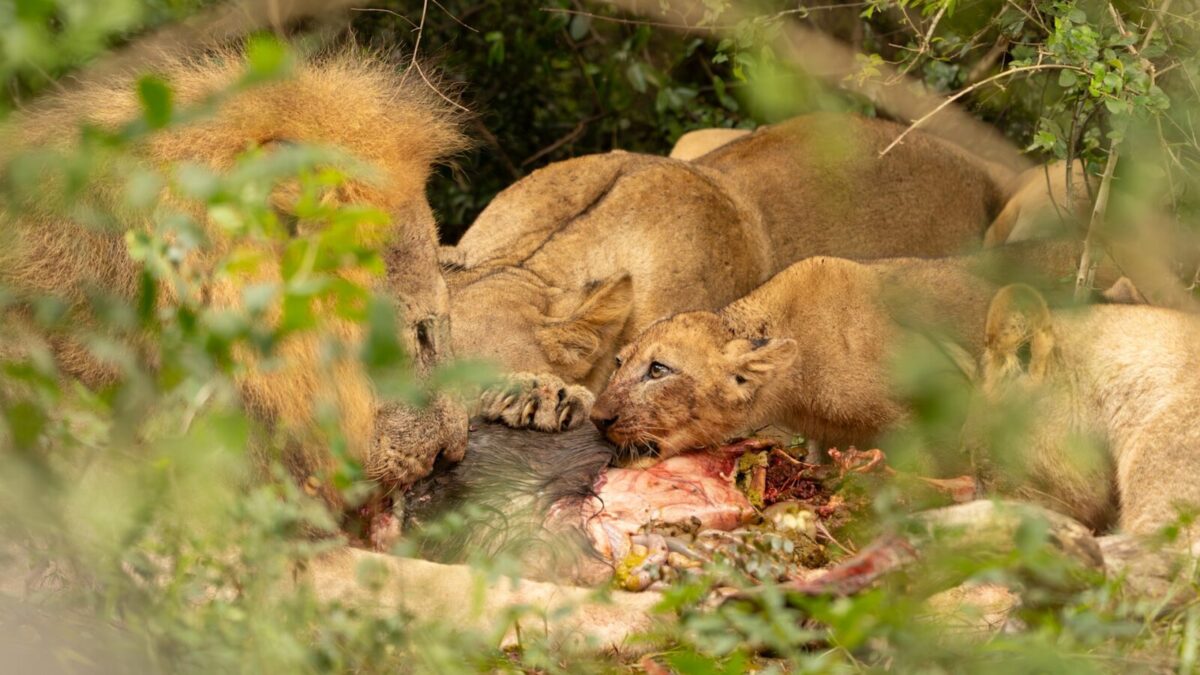
Lions possess considerable acceleration and can run rapidly during short hunting pursuits. Their powerful bodies support explosive movement, but their relatively heavy build limits sustained high-speed running. Lions therefore often depend on stalking, concealment, and close approaches before launching an attack.
Lionesses may cooperate during hunts, particularly when pursuing large or difficult prey. Group members can influence prey movement by approaching from different directions. However, not every hunt involves a coordinated group strategy.
Lions also use physical strength to capture and restrain prey. Their hunting success depends on a combination of power, timing, terrain, and opportunity. These qualities demonstrate why maximum speed alone provides an incomplete measure of predatory ability.
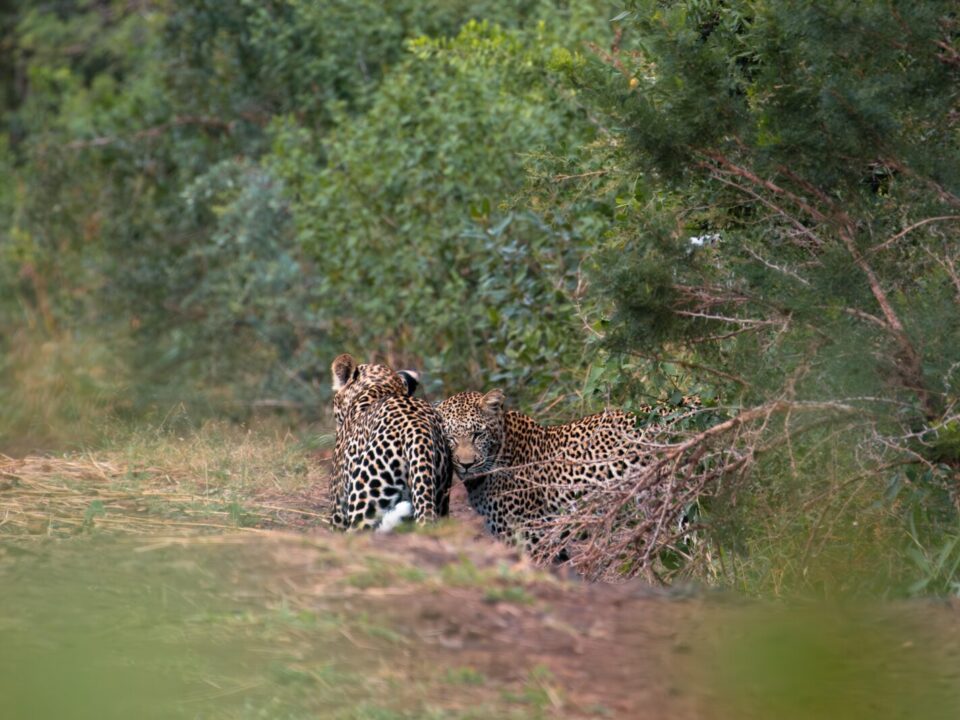
The Leopard: Agility and Explosive Acceleration
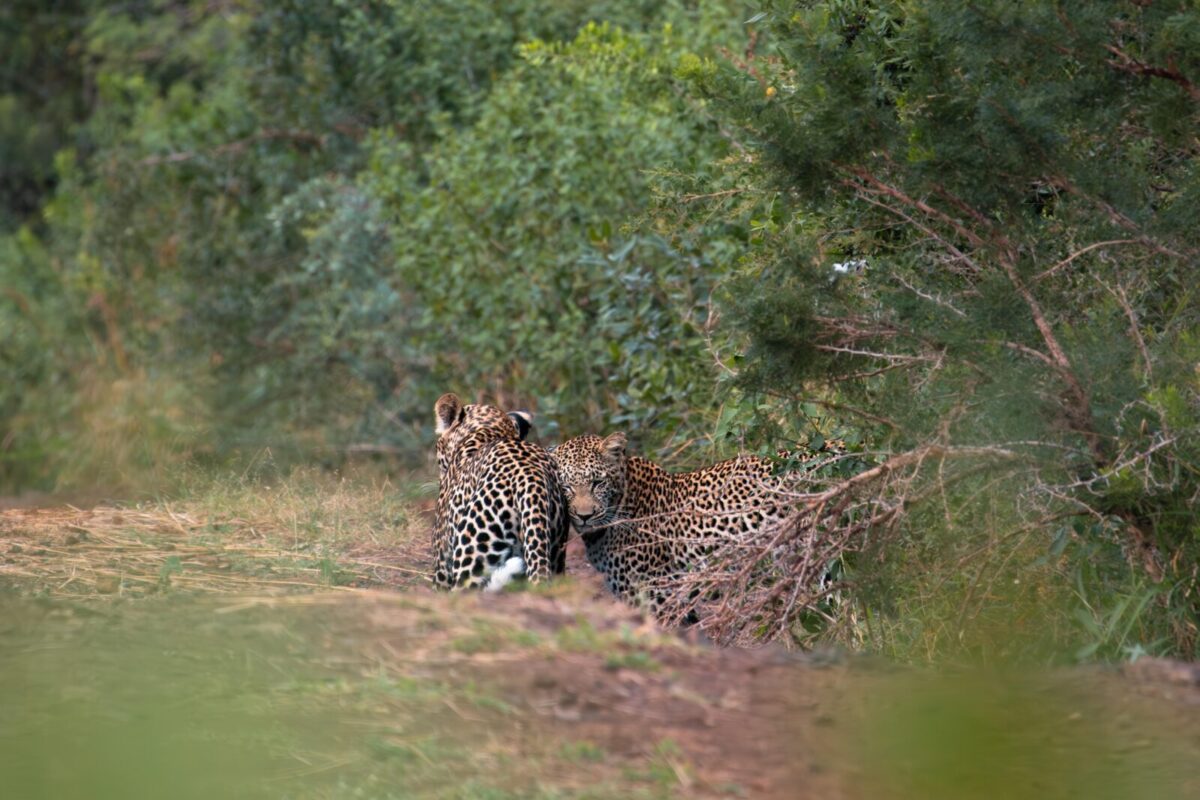
Leopards combine powerful acceleration with exceptional climbing ability and stealth. They generally hunt through concealed approaches followed by short, rapid attacks. Their strength allows them to capture prey and sometimes carry carcasses into trees.
Leopards do not usually depend on extended high-speed chases across open plains. Instead, they exploit vegetation, rocky terrain, and other cover to approach prey closely. This strategy allows them to hunt effectively in habitats that differ considerably from the open landscapes favoured by cheetahs.
Their agility also supports movement through trees and difficult terrain. Leopards can leap, climb, and change direction rapidly when necessary. These abilities contribute to their success across a wide variety of African environments.
The African Buffalo: Unexpected Speed and Strength
African buffalo are large, powerful herbivores that can move surprisingly quickly when threatened. Their speed, combined with considerable body mass and defensive horns, makes them formidable opponents for predators. Lions hunting buffalo must account for both the animal’s strength and the behaviour of the surrounding herd.
Buffalo often respond collectively when predators approach vulnerable individuals. Adults may confront lions or move together in ways that complicate an attack. These interactions demonstrate how social defence can complement physical abilities.
Although buffalo are not among Africa’s fastest animals in absolute terms, their acceleration can surprise inexperienced observers. Safari visitors should never underestimate their ability to move quickly. Guides maintain appropriate distances because buffalo can behave unpredictably when disturbed.
Comparing the Speeds of African Animals
The cheetah remains the clearest example of extreme sprinting speed among African land animals. Springbok, gazelles, ostriches, and several other species also possess impressive running abilities. However, comparing exact maximum speeds across species is difficult because studies use different methods and conditions.
Some figures widely circulated in travel guides represent approximate estimates rather than rigorously measured records. An animal’s actual speed during a particular encounter may be much lower than its theoretical maximum. Terrain, motivation, distance, and physical condition all influence performance.
A useful comparison therefore considers movement strategy alongside speed. Cheetahs specialise in acceleration and rapid turning, while wild dogs emphasise endurance and cooperation. Antelope combine running with vigilance, agility, and defensive behaviour.
Why the Fastest Animal Does Not Always Win
A cheetah may possess greater maximum speed than its prey but still fail during a hunt. Prey animals can change direction suddenly, reach protective vegetation, or detect danger before the predator approaches closely. These factors can prevent the cheetah from using its full physical advantage.
Predators must also manage energy expenditure. A failed chase consumes valuable resources and may reduce the opportunity for another immediate attempt. Successful hunting therefore depends on selecting favourable situations rather than simply running as fast as possible.
This balance between predators and prey helps maintain ecological relationships across African landscapes. Both groups continually respond to one another through behaviour and physical adaptations. Their interactions provide some of the most dramatic experiences available on safari.
Where to See Africa’s Fastest Animals
Tanzania’s Serengeti National Park and Kenya’s Maasai Mara offer excellent opportunities to observe cheetahs, gazelles, wildebeest, and other fast-moving wildlife. Their open grasslands provide suitable habitats for predator-prey encounters. Travellers may witness hunting activity, although no safari can guarantee a chase.
South Africa’s Kgalagadi Transfrontier Park is another rewarding destination for observing cheetahs and antelope in open landscapes. Namibia’s Etosha National Park provides opportunities to encounter springbok, ostriches, and several predators. Botswana’s protected areas also support wild dogs, lions, and other species with distinctive movement strategies.
The best destination depends on the animals travellers most want to observe. Open habitats often make running behaviour easier to see, while woodland areas may favour different hunting techniques. Knowledgeable guides can explain the ecological reasons behind these variations.
Photographing Fast-Moving Wildlife on Safari
Photographing running animals requires preparation, patience, and an understanding of wildlife behaviour. Fast shutter speeds can help capture sharp images, while continuous autofocus may improve the chances of tracking moving subjects. However, successful photographs also depend on light, distance, and camera technique.
Photographers should anticipate movement rather than reacting only after a chase begins. Guides may recognise signs of hunting interest, including focused attention and changes in posture. These observations can help visitors prepare without disturbing the animals.
Ethical photography remains essential during predator-prey encounters. Vehicles should not block escape routes or interfere with hunting behaviour. The most meaningful images document natural interactions without influencing their outcome.
Conservation of Africa’s Fastest Animals
Many fast-running African species face threats associated with habitat loss, fragmentation, and human activity. Cheetahs and African wild dogs are particularly vulnerable to the loss of connected landscapes because they require suitable movement areas. Conflict with livestock owners can create additional challenges outside protected areas.
Conservation programmes work to maintain habitats and reduce conflict between wildlife and people. Protecting prey populations also supports the predators that depend on them. These efforts require cooperation between protected-area authorities, communities, and conservation organisations.
Responsible safari tourism can contribute to conservation when it supports effective management and local livelihoods. Travellers who choose ethical operators help reinforce the value of protecting wildlife habitats. Maintaining healthy ecosystems allows Africa’s remarkable running animals to continue their natural behaviours.
Plan Your Safari
Africa’s fastest animals demonstrate how different species use speed, agility, endurance, and cooperation to survive. The cheetah’s extraordinary acceleration remains unmatched among land mammals, while antelope, ostriches, lions, and wild dogs display their own remarkable adaptations. Watching these animals in natural habitats provides a deeper appreciation of the relationships between predators and prey.
Southern Africa Tours can arrange wildlife safaris in Tanzania, Kenya, South Africa, Namibia, and Botswana, where travellers can observe some of Africa’s most impressive runners. Our itineraries combine experienced guides, suitable accommodation, and responsible wildlife-viewing opportunities. Contact Southern Africa Tours to plan a safari focused on the extraordinary movement and behaviour of African wildlife.