The Fastest Animals in Africa
November 5, 2026
Elephant Intelligence
November 5, 2026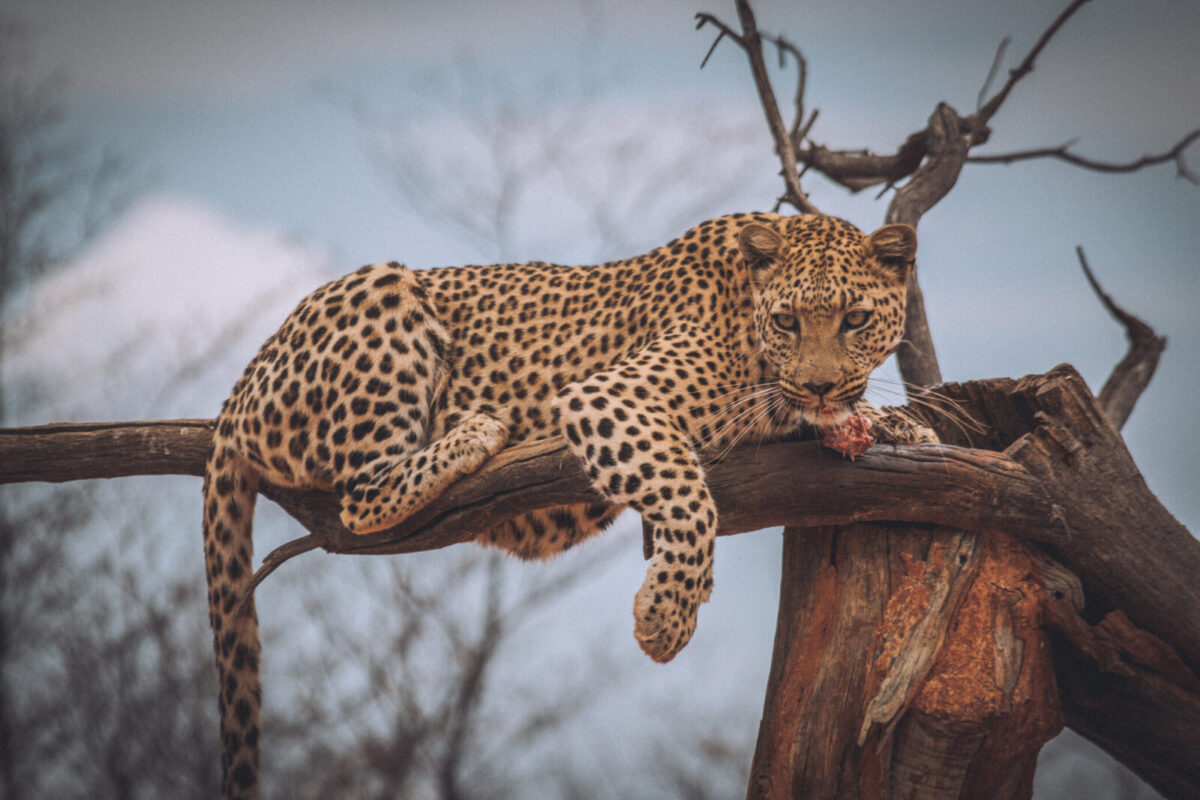
Leopard Territory: How Big Is a Leopard’s Home Range?
Leopards are among Africa’s most adaptable predators, occupying habitats that range from dense forests and rocky mountains to open savannahs and semi-arid landscapes. Unlike lions, which frequently live in social groups, leopards generally maintain solitary lifestyles and establish home ranges that provide access to food, shelter, and potential mates. Understanding leopard territory home range size helps explain why these elusive cats are difficult to locate and why their movements vary considerably between African ecosystems.
A leopard’s home range represents the area it uses for hunting, resting, reproduction, and other daily activities. The size of this area depends on several factors, including prey availability, habitat quality, sex, and competition with other predators. Some leopards occupy relatively compact ranges in productive habitats, while others travel across extensive landscapes where resources remain scattered.
Leopard territories also reveal the remarkable flexibility of this species. Individual animals adapt their movements to changing environmental conditions and the presence of other leopards. Wildlife researchers use tracking technology and long-term observations to understand these patterns and identify the habitats necessary for leopard conservation.
Understanding Leopard Territories and Home Ranges
A leopard’s home range includes the locations it regularly uses for essential activities such as hunting, resting, and reproduction. A territory, in the stricter ecological sense, refers to an area that an animal actively defends against competitors. These terms are related, but they do not always describe exactly the same behaviour or geographical boundaries.
Leopards frequently use scent marking, vocal communication, and repeated movement along familiar routes to advertise their presence. These signals help neighbouring animals recognise occupied areas and may reduce the need for direct confrontation. Territorial behaviour is particularly important when individuals compete for mating opportunities or access to productive hunting habitats.
The boundaries of leopard home ranges are not always fixed. Animals may adjust their movements according to prey distribution, seasonal conditions, or changes in neighbouring populations. Researchers therefore study leopard ranges over extended periods rather than relying on brief observations.
How Big Is a Leopard’s Home Range?
Leopard home ranges vary enormously across Africa, making it difficult to identify one typical size that applies to every population. In productive habitats with abundant prey, some leopards occupy ranges covering only a few tens of square kilometres. In less productive environments, particularly dry or mountainous regions, individuals may use areas extending across several hundred square kilometres or more.
Male leopards generally occupy larger home ranges than females in many studied populations. Their movements may encompass the ranges of several females, providing access to potential mating partners. Females often maintain ranges that reflect the distribution of prey and suitable places for raising cubs.
These differences demonstrate why leopard territory home range size must be understood within its ecological context. A leopard living in a productive private reserve may require substantially less space than one occupying a remote desert landscape. Habitat conditions and individual circumstances determine the practical requirements of each animal.
Why Male Leopards Often Have Larger Territories
Male leopards frequently maintain extensive ranges because their reproductive success depends partly on access to females. A male may travel through areas occupied by several females while monitoring the presence of competing males. This movement pattern can create considerable differences between male and female home-range sizes.
Competition among males influences territorial behaviour and the stability of individual ranges. Established males may respond aggressively to unfamiliar males entering important areas. These confrontations can lead to injuries or changes in territorial ownership.
Younger males face additional challenges when leaving their mothers’ ranges and attempting to establish independent territories. They may travel considerable distances before finding suitable habitat. This dispersal plays an important role in maintaining genetic connections between leopard populations.
How Female Leopards Establish Home Ranges
Female leopards generally select home ranges that provide reliable hunting opportunities and suitable shelter for raising cubs. Their movements often reflect the availability of prey and the location of secure resting areas. In some populations, neighbouring females may maintain ranges with limited overlap, although arrangements vary between ecosystems.
A female raising young cubs may concentrate her activities around suitable denning locations during their early development. As the cubs grow, she gradually expands their exposure to the surrounding environment. Her knowledge of hunting routes and safe resting places contributes to their survival.
Female home ranges can also change when environmental conditions deteriorate or neighbouring animals disappear. Researchers have observed that leopard spatial behaviour remains flexible rather than following identical patterns in every habitat. This adaptability contributes to the species’ wide geographical distribution.
How Leopards Mark Their Territories
Leopards use scent marking to communicate information about their presence and reproductive status. They may spray urine on vegetation, scratch trees, or leave scent at frequently visited locations. These signals provide information to other leopards without requiring direct contact.
Territorial marking often occurs along movement routes and near locations that other leopards may investigate. The frequency of marking can vary according to sex, reproductive condition, and competition. Researchers use camera traps and field observations to document these behaviours.
Leopards also communicate through vocalisations, including their distinctive rasping calls. These sounds may advertise presence or facilitate communication between individuals. Together, scent and sound help maintain spacing within leopard populations.
Why Leopards Prefer Solitary Lives
Leopards generally hunt and travel alone because solitary behaviour suits their flexible feeding strategies. A single leopard can stalk prey quietly and exploit opportunities without coordinating with a larger group. This approach allows individuals to occupy habitats where prey distribution may not support social hunting.
Solitary living also reduces some forms of competition over food. A leopard that captures a relatively small animal can consume it without sharing with multiple adults. However, individuals still compete with other predators and neighbouring leopards.
Leopards are not completely isolated from members of their species. Males and females interact during mating, while mothers maintain close relationships with dependent cubs. Territorial boundaries also create opportunities for communication through scent marking and vocalisations.
How Prey Availability Influences Leopard Territory Size
Prey availability is one of the most important influences on leopard spatial behaviour. Productive habitats containing abundant antelope and other suitable prey may allow leopards to obtain enough food within relatively small areas. Less productive environments often require individuals to travel farther between hunting opportunities.
The size and distribution of prey also influence movement patterns. Leopards feed on a wide variety of animals, ranging from small mammals and birds to medium-sized antelope. Their ability to exploit different prey species contributes to their ecological adaptability.
Seasonal changes can alter prey distribution and affect leopard movements. In some regions, rainfall influences vegetation and the location of grazing animals. Leopards may respond by adjusting hunting routes or spending more time in productive sections of their ranges.
Leopard Territories in Savannah Habitats
Savannah landscapes provide a mixture of grassland, woodland, and riverine habitats that leopards use for hunting and shelter. Leopards often favour areas containing vegetation or terrain that supports concealed approaches to prey. Rocky outcrops and large trees may also provide suitable resting locations.
In productive savannah ecosystems, individual leopards may maintain relatively compact home ranges compared with animals living in more arid environments. However, competition with lions, hyenas, and other predators can influence how they use available space. Leopards may adjust their activity patterns to reduce encounters with larger competitors.
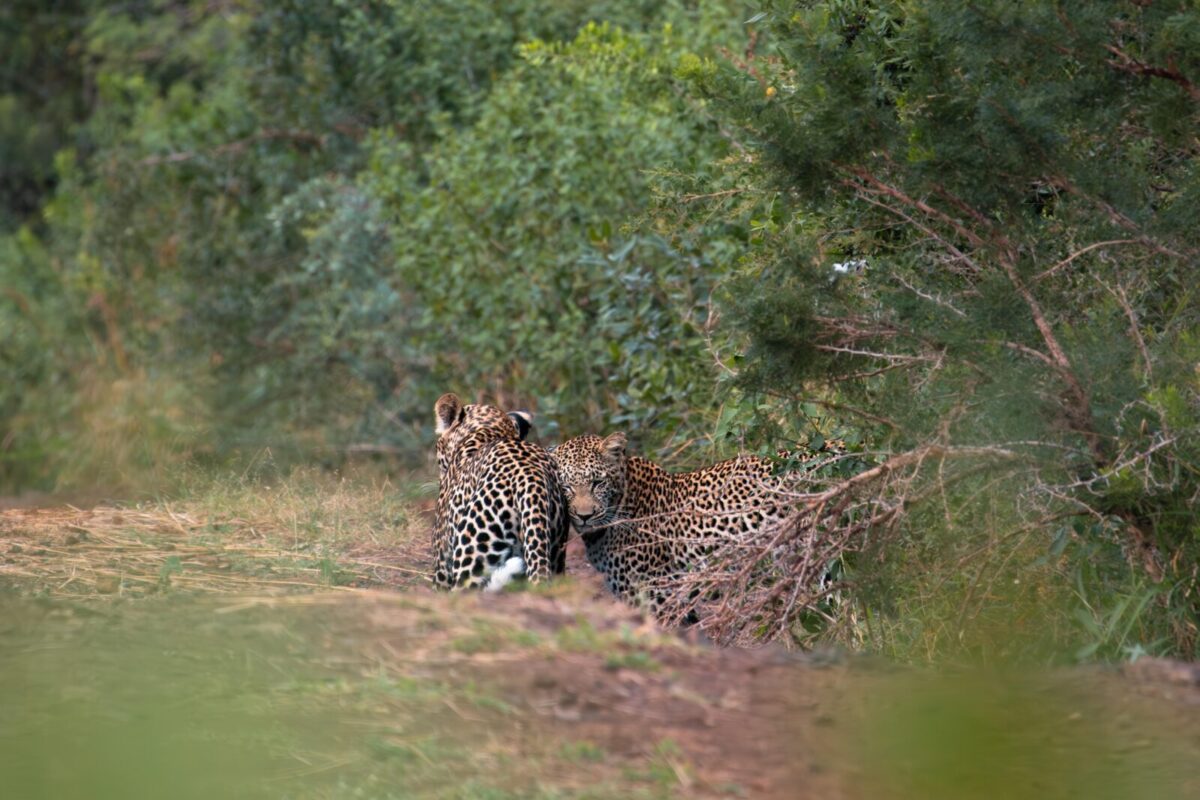
Safari destinations such as South Africa’s Sabi Sand region offer opportunities to observe leopards within productive savannah habitats. Long-term monitoring has helped researchers and guides recognise individual animals and understand their movements. These observations provide valuable insights into territorial relationships.
Leopard Home Ranges in Desert Environments
Leopards also inhabit parts of Africa’s dry and mountainous landscapes, where prey can be widely dispersed. In such environments, individuals may need larger home ranges to obtain sufficient food. Their movements can extend across rugged terrain and remote valleys.
Namibia provides important examples of leopards living in arid and semi-arid habitats. These animals demonstrate considerable adaptability in their use of rocky landscapes, vegetation, and available prey. Their spatial requirements can differ substantially from those of leopards living in productive savannah reserves.
Studying desert leopards helps conservationists understand the importance of large connected habitats. Protected areas alone may not encompass every individual’s movements. Maintaining suitable landscapes beyond reserve boundaries can therefore contribute to long-term population survival.
Do Leopard Territories Overlap?
Leopard home ranges can overlap, although the extent of overlap varies according to sex, population density, and local conditions. Male ranges may encompass those of several females, while neighbouring males may maintain more strongly contested boundaries. Female ranges can also overlap to different degrees.
Overlap does not necessarily mean that leopards frequently encounter one another. Individuals may use the same locations at different times and communicate through scent marking. This arrangement can reduce direct competition while allowing animals to occupy productive habitats.
Territorial relationships can change when established individuals die or move away. Neighbouring leopards may expand their ranges into newly available areas, while dispersing animals may attempt to establish themselves. These changes create dynamic spatial relationships within leopard populations.
How Leopards Defend Their Territories
Leopards generally rely on communication and avoidance to reduce unnecessary confrontations. Scent marks and vocalisations allow individuals to detect the presence of competitors. However, direct encounters can occur when animals compete over territory or reproductive opportunities.
Male leopards may engage in aggressive confrontations that result in serious injuries. These conflicts can influence which individuals control productive areas. The physical risks associated with fighting help explain the importance of territorial communication.
Females may also respond defensively when unfamiliar leopards approach vulnerable cubs. Protecting young animals can influence movement patterns and the selection of resting locations. These behaviours reflect the close relationship between territorial activity and reproduction.
How Researchers Measure Leopard Home Ranges
Wildlife researchers use several methods to investigate leopard movements and territorial behaviour. GPS tracking collars can record locations over time, allowing scientists to identify frequently used areas and movement routes. Camera traps provide additional information about individual animals and their presence within particular habitats.
Researchers analyse these observations using statistical methods that estimate the areas animals use. Different analytical techniques can produce different estimates, so comparisons require attention to methodology. The duration of monitoring also influences how completely researchers understand an individual’s movements.
Field observations remain valuable because tracking data alone cannot explain every behavioural decision. Researchers may investigate prey availability, reproductive activity, and interactions with other predators. Combining several methods provides a more complete understanding of leopard ecology.
Where to See Leopards on an African Safari
South Africa’s Sabi Sand Nature Reserve is among Africa’s best-known destinations for leopard observation. The reserve’s productive habitats and experienced guides create opportunities to encounter leopards during game drives. However, sightings remain dependent on wildlife movements and cannot be guaranteed.
Kruger National Park also supports leopards across extensive habitats, although dense vegetation can make them difficult to locate. Botswana’s Okavango Delta and Moremi Game Reserve provide additional opportunities, particularly in areas containing suitable woodland and riverine habitats. Zambia’s South Luangwa National Park is another recognised leopard destination.
Travellers interested in territorial behaviour may benefit from spending several nights in one safari area. Repeated game drives increase opportunities to recognise individual animals and understand their movements. Knowledgeable guides can explain how particular leopards use familiar routes and hunting locations.
Leopard Conservation and Habitat Connectivity
Leopards face conservation challenges associated with habitat loss, prey depletion, illegal killing, and conflict with people. Their extensive movement requirements can bring them into contact with livestock and settlements beyond protected areas. Effective conservation must therefore consider both wildlife habitats and human livelihoods.
Maintaining habitat connectivity allows dispersing leopards to move between populations. These movements contribute to genetic diversity and help animals establish new territories. Roads, fencing, and expanding development can interrupt important connections.
Conservation programmes increasingly use scientific information about leopard home ranges to guide land management. Understanding where animals travel helps identify movement corridors and areas of potential conflict. Responsible tourism can support these efforts through conservation funding and awareness.
Plan Your Safari
Leopard territory home range size reveals how Africa’s solitary cats adapt to different environments and compete for essential resources. Their movements depend on prey availability, habitat quality, reproductive behaviour, and the presence of other predators. Understanding these relationships makes leopard encounters more meaningful and highlights the importance of protecting connected wildlife habitats.
Southern Africa Tours can arrange leopard-focused safaris in South Africa, Botswana, Zambia, Namibia, and other outstanding destinations. Our itineraries combine experienced guides, carefully selected accommodation, and responsible wildlife viewing. Contact Southern Africa Tours to plan a safari that explores the fascinating world of Africa’s elusive leopards.