Watching a Kill on Safari
November 5, 2026
What a Typical Day on African Safari Looks Like Hour by Hour
November 5, 2026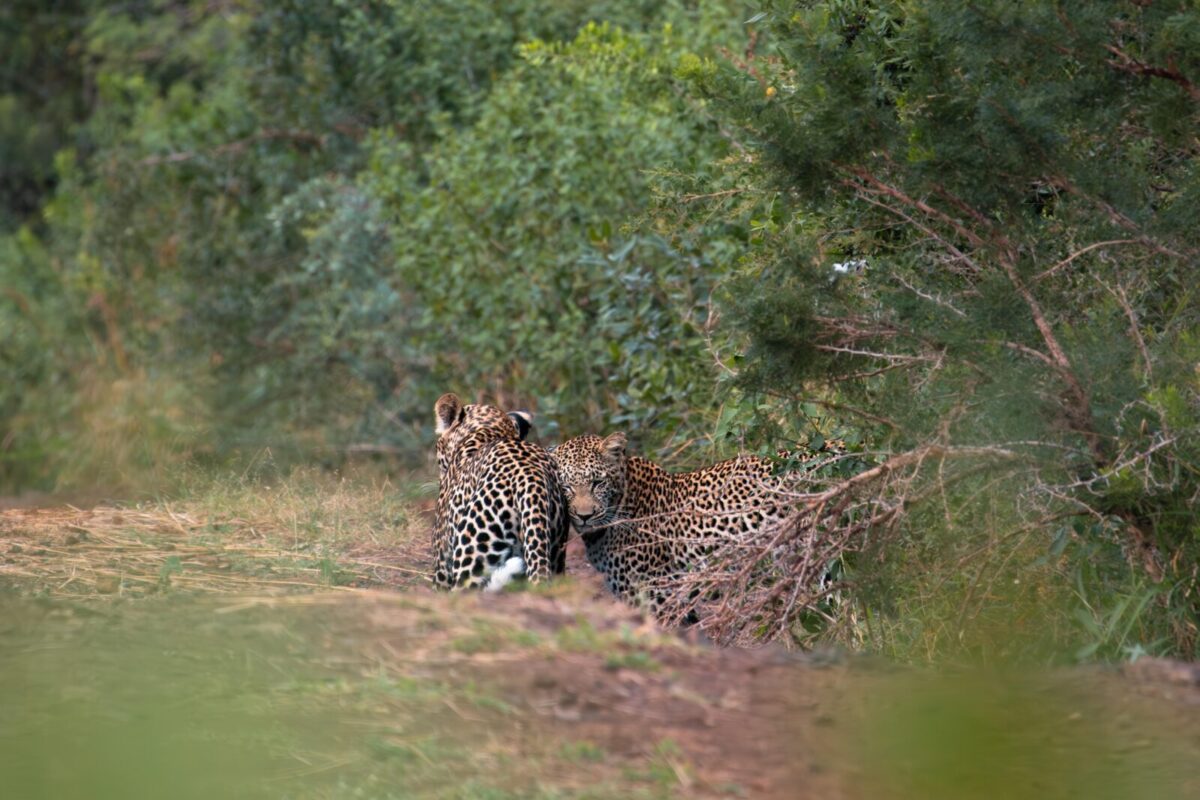
My First Leopard Sighting: A Safari Moment I’ll Never Forget
Few wildlife encounters create the same anticipation as seeing a leopard in the African wilderness. Leopards move quietly through woodland, grassland, and rocky landscapes, often remaining hidden even when they occupy areas close to safari roads. Their elusive behaviour makes a first sighting especially memorable, whether the animal rests in a tree, walks through the bush, or emerges unexpectedly from dense vegetation.
The following account recreates a realistic first leopard sighting safari story to illustrate what travellers may experience during a guided African safari. It combines the atmosphere of a wildlife encounter with practical information about leopard behaviour, responsible observation, and the destinations where these magnificent cats occur. It does not describe a documented personal sighting.
A leopard encounter reminds travellers that a successful safari involves more than identifying animals on a checklist. The quiet anticipation, careful tracking, and sudden appearance of a wild predator can transform an ordinary game drive into an unforgettable experience. Understanding the animal’s behaviour makes the moment even more meaningful.
The Anticipation of Seeing a Leopard on Safari
Before the first leopard sighting, many travellers spend considerable time searching for subtle signs of movement. Unlike lions, which sometimes rest openly in grassland, leopards frequently use dense vegetation and elevated resting places. Their spotted coats help them blend into their surroundings.
A guide may explain that leopards occupy the area without promising a sighting. Fresh tracks, scratched trees, and the alarm calls of nearby animals can indicate recent activity. These clues create anticipation as the safari vehicle moves slowly along woodland tracks.
Every movement begins to attract attention. A branch shifting in the breeze may resemble an animal’s tail, while shadows beneath trees can conceal shapes that appear promising. This uncertainty makes leopard tracking particularly exciting.
An Early Morning Game Drive
The imagined encounter begins during an early morning drive through a southern African wildlife reserve. Cool air moves across the open vehicle while the first sunlight reaches the tops of acacia trees. Birds call from the surrounding vegetation as the guide follows a quiet track.
The vehicle passes grazing impala and a small group of giraffes feeding among trees. Although these animals provide rewarding sightings, the guide continues examining the road surface for tracks. The possibility of finding a leopard remains uncertain.
Morning conditions often favour wildlife observation because some predators remain active after nighttime hunting. However, leopards can move or rest at different times depending on local conditions. The guide therefore watches both the ground and surrounding trees.
The First Clue: Fresh Leopard Tracks
The guide notices large feline footprints in a patch of soft sand. Their shape suggests that a leopard passed along the track relatively recently. The vehicle stops while the guide examines the direction of movement and surrounding signs.
Tracks alone cannot establish the animal’s exact location. Wind, soil conditions, and later activity can make their age difficult to determine. Nevertheless, they provide a reason to investigate the area carefully.
The guide explains how leopard footprints differ from those of other animals. The rounded shape, toe arrangement, and typical absence of visible claw marks help identify a large cat. This brief lesson makes the search more engaging.
Listening to the Sounds of the Bush
As the vehicle continues, a sharp alarm call breaks the quiet. Several impala stand alert near a patch of woodland, directing their attention towards the vegetation. Their behaviour suggests that something unusual has attracted their attention.
Antelope use alarm calls to communicate potential danger. Leopards, lions, and other predators can trigger these responses, although alarm calls do not always indicate the presence of a large carnivore. Experienced guides interpret the sounds alongside other clues.
The guide slows the vehicle and scans the area through binoculars. Everyone becomes quiet, listening for further calls and watching the shadows beneath the trees. The search begins to feel more focused.
The Moment the Leopard Appears
A movement among the branches finally reveals the outline of a leopard resting on a large horizontal limb. Its spotted coat blends with the broken sunlight and shadows. Without the guide’s careful observation, the animal might have remained unnoticed.
The leopard raises its head and looks across the surrounding landscape. Its muscular shoulders, long tail, and distinctive rosette markings become visible. The encounter feels extraordinary because the animal appears completely at home in its environment.
The vehicle remains at a respectful distance. The leopard shows no immediate interest in the observers and continues resting. This calm behaviour allows the group to appreciate the sighting without interfering with the animal.
Why the First Leopard Sighting Feels So Special
A first leopard sighting often combines excitement with a sense of disbelief. Travellers may spend several days hoping to encounter one, only to discover that the animal was concealed within an apparently ordinary tree. The contrast between anticipation and sudden discovery creates a powerful memory.
Leopards also possess an appearance that captures attention. Their golden coats, dark rosettes, and graceful movements make them distinctive photographic subjects. However, their appeal extends beyond physical beauty.
The sighting offers a glimpse into the life of a solitary predator. Observers witness an animal making independent decisions about movement, feeding, and rest. The experience reveals the complexity of wildlife behaviour.
Watching a Leopard Rest in a Tree
Leopards often use trees as resting places, observation points, and locations for storing prey. Their climbing abilities allow them to move into branches that would be inaccessible to many large mammals. However, tree use varies between habitats and individuals.
During the imagined encounter, the leopard shifts position and stretches along the branch. Its tail hangs below the trunk, moving occasionally. These small behaviours provide opportunities to appreciate the animal’s balance and muscular control.
A resting leopard may remain in the same location for an extended period. Visitors should avoid expecting continuous action. Quiet observation often reveals more about the animal than attempting to provoke movement.
Understanding Leopard Camouflage
Leopard coats contain dark rosette patterns that break up the animal’s outline against vegetation. This appearance helps conceal them among branches, grasses, and patches of shadow. Their camouflage supports both hunting and avoidance of unnecessary encounters.
The effectiveness of camouflage depends on the surrounding environment. A leopard resting in dense woodland may become difficult to distinguish, while the same animal walking across an open road appears immediately visible. Lighting also influences detection.
For safari photographers, this creates both challenges and opportunities. The animal’s coat may blend into the background, producing images that emphasise its natural environment. Capturing a leopard within its habitat can tell a richer story than an isolated portrait.
How Leopards Hunt Their Prey
Leopards are solitary carnivores that frequently rely on stealth and surprise when hunting. Their diets include antelope, smaller mammals, birds, and other available prey. The exact composition varies according to habitat and local wildlife populations.
A leopard may stalk prey through vegetation before launching a short attack. Its muscular body supports rapid acceleration and powerful movement. Successful hunting depends on approaching close enough to overcome the prey’s ability to escape.
Leopards sometimes carry carcasses into trees, particularly where competing predators may attempt to steal food. This behaviour demonstrates their remarkable strength. However, not every leopard stores prey above ground.
Why Leopards Are Difficult to Find
Leopards often occupy large home ranges and spend considerable time concealed. Their movements depend on food availability, territorial relationships, and environmental conditions. Even experienced guides cannot guarantee sightings.
Their solitary lifestyle also contributes to the challenge. Unlike lions, which may gather in visible groups, leopards usually move independently except during mating or when females care for cubs. A single animal can disappear quickly into vegetation.
Understanding these characteristics helps travellers maintain realistic expectations. The absence of a leopard sighting does not mean that the habitat lacks leopards. It reflects the animal’s ability to remain undetected.
Leopard Behaviour During the Encounter
The leopard in the illustrative encounter eventually rises and moves along the branch. It pauses briefly before descending the trunk with controlled movements. Its tail helps maintain balance as it approaches the ground.
Once beneath the tree, the animal examines the surrounding area. It moves quietly through the vegetation and gradually disappears from view. The entire sequence takes only a short time, yet the memory remains vivid.
This behaviour illustrates why patience matters during wildlife observation. Remaining quietly in one position can reveal movement that a hurried vehicle might miss. The guide’s decision to avoid disturbing the animal contributes to the quality of the encounter.
The Role of an Experienced Safari Guide
A knowledgeable guide adds considerable value to leopard sightings. Guides understand local habitats, animal behaviour, and the signs that may indicate predator activity. Their experience helps visitors interpret observations without making unsupported assumptions.
They also manage viewing distances and vehicle positioning. Approaching too closely can disturb an animal, particularly when it is hunting or caring for cubs. Responsible guiding prioritises natural behaviour.
During a sighting, a guide may explain the leopard’s territorial habits, feeding strategies, and interactions with other predators. These details transform the encounter into an educational experience. Travellers gain a deeper understanding of the ecosystem.
Photographing Your First Leopard
Photographing a leopard requires patience because the animal may remain partly concealed or move unexpectedly. A telephoto lens helps capture details without approaching too closely. Photographers should prepare camera settings before the encounter becomes active.
Soft morning light can highlight the animal’s coat and facial features. However, branches and shadows may create challenging exposure conditions. Adjusting composition carefully helps preserve the natural atmosphere.
Travellers should avoid using flash where it could disturb wildlife or violate reserve rules. A meaningful photograph does not require the animal to look directly at the camera. Natural behaviour often produces the strongest images.
What to Do When a Leopard Moves Away
When a leopard leaves a viewing area, guides assess whether following it would be appropriate. Dense vegetation, reserve regulations, and the animal’s behaviour may limit further observation. Continuing pursuit is not always desirable.
Travellers should respect the guide’s decision to end the encounter. Blocking an animal’s movement or surrounding it with vehicles can create unnecessary stress. Ethical safari experiences depend on maintaining space for wildlife.
Sometimes the best response is to remain still and appreciate what has already happened. A short encounter can provide lasting memories. Wildlife observation should never become a competition to secure the longest sighting.
Where to See Leopards in Southern Africa
South Africa’s Greater Kruger region offers excellent opportunities for leopard sightings, particularly in suitable private reserves where experienced guides monitor individual animals. The broader Kruger National Park also supports leopards, although visibility varies between habitats.
Botswana’s Okavango Delta and Moremi Game Reserve provide further opportunities to encounter leopards. Riverine woodland and other suitable habitats support prey populations and resting areas. Zambia’s South Luangwa National Park is also widely recognised for leopard viewing.
These destinations differ in vegetation, road access, and wildlife-viewing regulations. Travellers should select locations according to their broader safari interests rather than expecting guaranteed sightings. Spending several nights in one area can improve opportunities.
Leopard Sightings in East Africa
Kenya’s Maasai Mara National Reserve and Tanzania’s Serengeti National Park support leopards within diverse savannah ecosystems. Riverine vegetation and woodland areas can provide suitable habitats. Their distribution reflects prey availability and environmental conditions.
East African safaris may combine leopard searches with opportunities to observe lions, cheetahs, elephants, and large herbivore populations. The variety of wildlife contributes to a rewarding experience even when leopards remain concealed.
Guides use local knowledge to explore suitable areas while respecting park rules. Travellers should remain flexible because wildlife movements change naturally. A leopard sighting often becomes a highlight precisely because it cannot be scheduled.
The Best Time of Day to See Leopards
Leopards may become active during cooler periods, including early morning, evening, and nighttime. However, their behaviour varies according to habitat, human activity, and prey availability. Daytime sightings are also possible.
Early morning drives can provide opportunities to observe leopards returning from hunting or moving between resting locations. Late afternoon may reveal animals becoming active again. Night drives offer additional possibilities where regulations permit them.
No time guarantees a sighting. Guides consider recent activity, environmental conditions, and individual animal behaviour. Patience remains more valuable than relying on a rigid timetable.
The Emotional Value of Wildlife Encounters
Wildlife experiences can create lasting memories because they combine anticipation, surprise, and direct observation of nature. A leopard sighting may feel particularly significant after several unsuccessful searches. The moment rewards patience and attention.
However, meaningful safari experiences do not always involve rare predators. Observing elephant family relationships, bird behaviour, or smaller mammals can be equally rewarding. Appreciating the entire ecosystem creates a richer journey.
The first leopard sighting often changes how travellers approach later game drives. They begin watching branches, shadows, and subtle movements more carefully. The encounter encourages curiosity about the natural world.
Why Leopard Conservation Matters
Leopards face threats associated with habitat loss, conflict with people, and illegal exploitation. Their adaptability allows them to occupy diverse environments, but it does not eliminate conservation risks. Maintaining connected habitats remains important.
Conservation programmes monitor leopard populations and work to reduce conflict where predators encounter livestock. Protected areas provide valuable refuges, while responsible land management supports populations beyond reserve boundaries.
Safari tourism can contribute to conservation awareness and economic incentives for habitat protection. Ethical operators avoid disturbing animals for photographs or sightings. Protecting leopards ensures that future generations can experience these remarkable predators.
Planning a Safari Around Leopard Viewing
Travellers interested in leopards should consider destinations with suitable habitats and experienced guides. Spending multiple nights in a productive wildlife area generally provides more opportunities than a brief visit. However, no itinerary can guarantee an encounter.
Accommodation location also matters because it influences access to wildlife-viewing routes. Private reserves may offer flexible guiding arrangements, while national parks follow designated roads and operating hours. Both approaches can provide rewarding experiences.
A balanced safari should include other wildlife interests alongside leopard viewing. This flexibility reduces disappointment and encourages appreciation of the broader ecosystem. Every drive can reveal something unexpected.
Plan Your Safari
A first leopard sighting captures the excitement, uncertainty, and beauty of an African safari. From following fresh tracks to discovering a spotted predator resting in a tree, the experience demonstrates why patience and knowledgeable guiding matter. The most memorable encounters allow wildlife to behave naturally.
Southern Africa Tours can arrange leopard-focused safaris in South Africa, Botswana, Zambia, Kenya, and Tanzania. Our itineraries combine experienced guides, carefully selected accommodation, and responsible wildlife-viewing opportunities. Contact Southern Africa Tours to plan a safari that may provide your own unforgettable first encounter with a wild leopard.