Waking Up to Lions Roaring Outside Your Tent.
November 5, 2026
Watching a Kill on Safari
November 5, 2026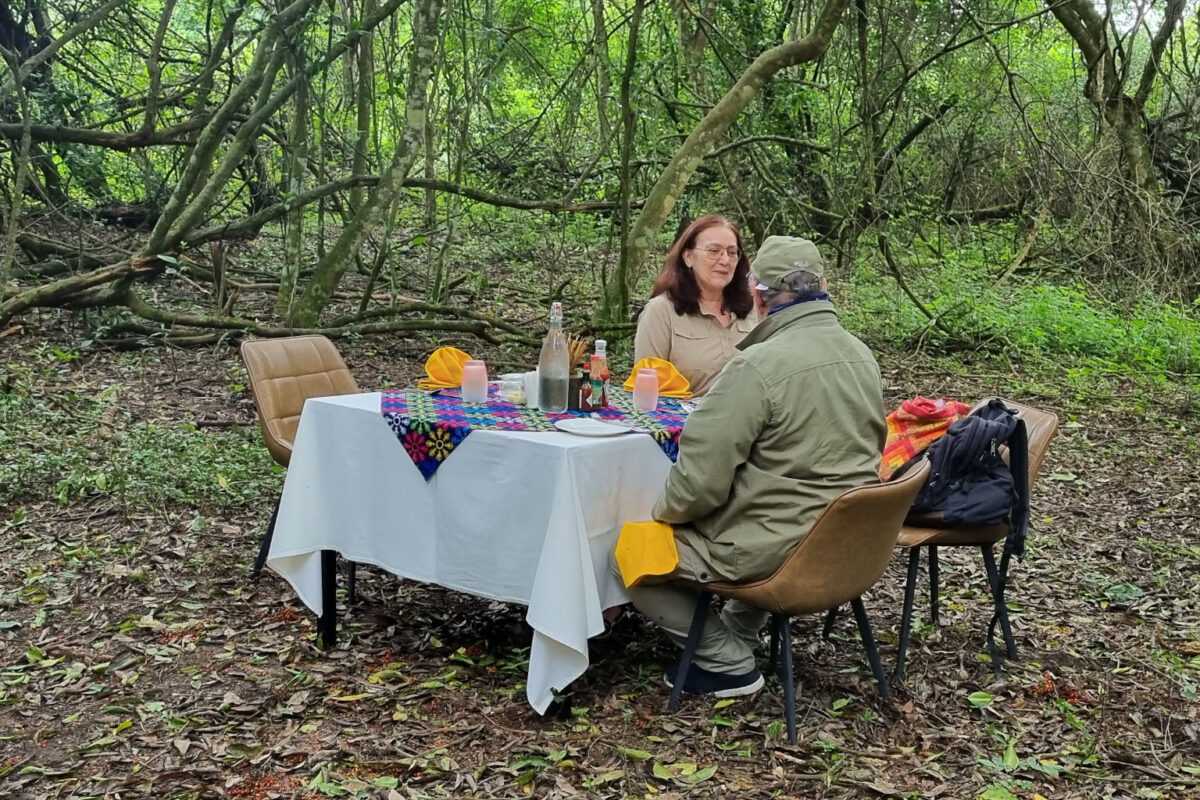
Bush Breakfast on Safari: Eating in the Middle of the Wild
A bush breakfast on safari offers one of the most memorable dining experiences in Africa. Instead of returning immediately to the lodge after an early morning game drive, travellers may enjoy breakfast in a carefully selected outdoor location surrounded by natural scenery. The experience combines fresh morning air, wildlife sounds, attentive hospitality, and the excitement of spending time within an extraordinary landscape.
Understanding the bush breakfast safari Africa experience helps travellers appreciate how these meals differ from ordinary restaurant dining. A bush breakfast is not simply a picnic placed in the wilderness. Professional safari teams organise the setting, transport food safely, follow local regulations, and assess the surrounding environment before guests leave their vehicles.
For many visitors, the appeal comes from the contrast between comfort and wilderness. A table beneath a tree, a view across open grassland, or the distant calls of birds can transform a simple meal into a lasting memory. The experience also provides an opportunity to slow down and appreciate the landscape beyond individual wildlife sightings.
What Is a Bush Breakfast on Safari?
A bush breakfast is an outdoor meal arranged within a suitable natural setting during a safari. It often follows an early morning game drive, although some operators organise dedicated breakfast excursions. The exact arrangements depend on the destination, accommodation, and local regulations.
The meal may take place at a designated picnic site, a private concession location, or another authorised area. Professional staff prepare the setting and ensure that guests can dine comfortably. Some experiences remain simple, while others include elaborate table arrangements and freshly prepared food.
The central attraction is the surrounding wilderness. Travellers enjoy breakfast while listening to birds and observing the landscape. The experience combines hospitality with a sense of immersion in nature.
Why Bush Breakfasts Are Popular on African Safaris
Bush breakfasts appeal to travellers who want experiences beyond traditional game drives. They create opportunities to enjoy the landscape at a slower pace while remaining connected to the safari environment. The meal becomes part of the wildlife journey rather than a separate hotel activity.
The early morning atmosphere contributes to their popularity. Cooler temperatures and soft sunlight often make outdoor dining comfortable. Natural sounds and scenic views provide a distinctive setting.
Bush breakfasts also suit couples, families, and small groups seeking memorable shared experiences. Some operators arrange them for special occasions, while others include them as part of a regular safari programme. Their flexibility makes them appealing across different travel styles.
How a Bush Breakfast Experience Begins
Many bush breakfasts begin with an early morning departure from the lodge. Guests join a guided game drive while wildlife remains active in cooler conditions. The guide explores suitable habitats before travelling towards the breakfast location.
The route may include sightings of elephants, antelope, giraffes, or predators, depending on the destination. Wildlife movements remain unpredictable, so the experience does not depend on encountering a particular species. The surrounding scenery contributes to the journey.
As the morning progresses, the guide approaches the designated breakfast area. Staff may already have prepared the setting, or the guide may organise a simpler arrangement. Guests then transition from wildlife viewing to outdoor dining.
Choosing the Perfect Bush Breakfast Location
The location strongly influences the atmosphere of a bush breakfast. Operators may select a shaded clearing, an elevated viewpoint, or a designated area overlooking a river or grassland. The choice depends on safety, accessibility, and environmental conditions.
A scenic location should also minimise disturbance to wildlife. Professional guides avoid areas where animals may be feeding, resting, or moving through important corridors. The objective is to enjoy the environment without interfering with natural behaviour.
Weather conditions can influence the final setting. Strong wind, rain, or extreme heat may require adjustments. Experienced operators maintain flexibility and prioritise guest comfort and safety.
What Happens When Guests Arrive?
Upon arrival, guests may find a table arranged with breakfast items, seating, and refreshments. The level of presentation varies between properties. Some lodges create elegant outdoor dining settings, while others emphasise a relaxed picnic atmosphere.
Staff explain the available food and any relevant safety instructions. Guests may enjoy coffee or tea while taking in the surrounding views. The transition from a moving safari vehicle to a quiet breakfast setting often feels particularly rewarding.
The experience encourages conversation and reflection. Travellers may discuss the morning’s wildlife encounters or simply enjoy the scenery. The slower pace provides a welcome contrast to active game viewing.
What Food Is Served at a Bush Breakfast?
Bush breakfast menus vary according to the operator, destination, and accommodation style. Common offerings may include fresh fruit, pastries, bread, cereals, eggs, and other breakfast dishes. Some properties provide freshly cooked items, while others transport prepared food from the lodge.
Tea, coffee, juice, and drinking water are usually available according to the meal arrangement. More elaborate experiences may include additional beverages or personalised menu options. Guests should confirm inclusions before booking.
The quality of the meal depends on careful preparation and food handling. Professional operators use suitable equipment to maintain hygiene and temperature control. Good organisation ensures that outdoor dining remains comfortable and enjoyable.
Freshly Cooked Breakfast in the Wilderness
Some safari lodges offer live cooking stations during bush breakfasts. Chefs may prepare eggs, pancakes, or other dishes using portable equipment. These arrangements create an appealing combination of outdoor atmosphere and attentive hospitality.
Fresh preparation requires suitable facilities and careful safety management. Staff must transport ingredients, cooking equipment, and water responsibly. The location must also permit such activities under applicable regulations.
Not every bush breakfast includes live cooking. Simpler arrangements can provide equally memorable experiences when the setting and guiding are excellent. Travellers should choose according to their preferences rather than assuming elaborate service always creates a better safari.
The Importance of Morning Light
Morning light contributes significantly to the beauty of a bush breakfast. The sun rises gradually over the landscape, creating soft colours and long shadows. These conditions can make open grasslands, woodland, and river valleys especially attractive.
Photographers often appreciate the opportunity to capture scenic compositions before the light becomes harsh. Tables, trees, and distant landscapes can provide interesting foreground and background elements. However, wildlife photography remains subject to natural conditions.
The atmosphere also encourages guests to pause and observe smaller details. Bird activity, moving clouds, and changing colours become part of the experience. A bush breakfast can therefore provide memorable moments without a major animal sighting.
Listening to Wildlife While Dining
Natural sounds form an important part of outdoor safari dining. Birds may call from nearby trees, insects create background rhythms, and distant mammals contribute occasional vocalisations. The soundscape varies according to habitat and season.
Guides may identify bird calls or explain the behaviour of animals heard in the distance. These observations turn breakfast into an informal nature experience. Travellers can learn while enjoying their meal.
However, guests should not expect large animals to approach the breakfast setting. Responsible operators select locations that reduce the likelihood of dangerous encounters. The experience prioritises safe immersion rather than close contact with wildlife.
Is a Bush Breakfast Safe?
Bush breakfasts can be safe when experienced professionals organise them in suitable locations and follow established procedures. Guides assess wildlife activity, terrain, and environmental conditions before allowing guests to leave vehicles. Safety arrangements vary between destinations.
Some national parks restrict outdoor dining to designated picnic areas. Private concessions may permit more flexible arrangements under specific rules. Operators must respect the regulations governing each location.
Guests should follow staff instructions and remain within designated areas. Wandering away from the group or approaching wildlife creates unnecessary risks. Professional supervision remains essential.
Why Guides Check the Area First
Before a bush breakfast begins, guides assess the surrounding environment for potential hazards. They may examine visibility, recent wildlife signs, and the suitability of the location. These checks help determine whether the setting remains appropriate.
Wild animals can move through landscapes unexpectedly. Guides therefore consider the possibility of nearby predators, elephants, buffalo, and other species. Their decisions rely on training and local knowledge.
Guests may not notice every precaution because experienced staff integrate safety into the routine. However, these procedures contribute to a comfortable experience. Travellers should respect any changes to the planned location.
Bush Breakfast vs Lodge Breakfast
A lodge breakfast usually takes place within a dining area equipped for regular hospitality service. Guests enjoy predictable facilities, seating, and meal preparation. The experience can still provide attractive wildlife views, particularly at properties overlooking natural habitats.
A bush breakfast introduces a stronger outdoor element. The surrounding landscape becomes part of the dining experience, while staff transport food and equipment to the selected location. The atmosphere may feel more adventurous.
Neither option is universally better. Some travellers appreciate the comfort of lodge dining, while others prefer the novelty of an outdoor meal. A safari itinerary can include both experiences.
Bush Breakfast vs Bush Dinner
Bush breakfasts and bush dinners share the idea of dining within a natural setting, but their atmospheres differ considerably. Breakfasts take place during daylight, often after morning wildlife activities. The cooler temperatures and morning light create a relaxed environment.
Bush dinners may feature lanterns, campfires, and evening sounds, where regulations permit. They require additional consideration because darkness limits visibility and wildlife may become active. Safety procedures therefore differ.
Travellers can choose according to their interests and comfort levels. Some lodges offer both options as special experiences. Availability depends on location and operating rules.
Romantic Bush Breakfasts for Couples
A private bush breakfast can create a memorable setting for couples celebrating a honeymoon, anniversary, or other occasion. Operators may arrange a secluded authorised location with personalised service. The surrounding landscape provides a naturally romantic atmosphere.
The appeal often lies in privacy and simplicity. Sharing breakfast while watching the morning light change across the savannah can feel more meaningful than elaborate decoration. Professional staff manage the practical arrangements.
Couples should communicate special requests before travel. Some properties charge additional fees for private setups or personalised menus. Advance planning helps ensure the experience matches expectations.
Bush Breakfasts for Families
Families may enjoy bush breakfasts because the setting combines food, nature, and informal learning. Children can observe birds, discuss wildlife sightings, and experience outdoor dining in a supervised environment. The activity provides a change from sitting in a safari vehicle.
Parents should consider children’s ages and ability to follow safety instructions. Young guests must remain close to adults and guides. Operators may also apply age restrictions to certain activities.
Family-friendly menus and shorter dining arrangements can improve comfort. Travellers should discuss requirements with the safari operator. A well-planned experience can become a highlight for several generations.
Bush Breakfasts During Luxury Safaris
High-end safari lodges sometimes provide elaborate bush breakfasts with carefully arranged tables, attentive service, and freshly prepared meals. These experiences may form part of an inclusive programme or require additional payment. The details vary between properties.
Luxury arrangements can include private guiding and personalised dining preferences. However, environmental responsibility remains essential. Operators should avoid excessive waste or unnecessary disturbance.
The most successful experiences balance hospitality with the surrounding wilderness. Natural scenery should remain the central attraction. Comfort enhances the experience without replacing its connection to nature.
Bush Breakfasts on Midrange Safaris
Bush breakfasts are not exclusive to high-end safari properties. Some midrange lodges and tour operators arrange simple outdoor meals or breakfast stops at designated locations. These experiences can provide excellent value.
A picnic-style breakfast may include fresh fruit, sandwiches, pastries, and hot drinks. The presentation may be less elaborate, but the natural setting remains appealing. Experienced guiding contributes substantially to the experience.
Travellers should confirm whether the meal is included in the package. Additional charges may apply for private arrangements. Clear booking information prevents misunderstandings.
Where to Enjoy a Bush Breakfast in Botswana
Botswana offers attractive landscapes for outdoor safari dining, particularly within suitable private concessions. The Okavango Delta combines waterways, islands, and open floodplains that create distinctive scenery. Operators may arrange authorised outdoor meals according to local conditions.
Chobe’s riverine landscapes also provide memorable settings, although activities depend on park regulations and lodge arrangements. Wildlife viewing can form part of the journey to and from the breakfast location. The experience reflects Botswana’s emphasis on nature-based tourism.
Travellers should select operators familiar with local safety requirements. Water levels and seasonal conditions can influence suitable locations. Advance planning helps identify appropriate experiences.
Bush Breakfast Experiences in South Africa
South Africa’s private safari reserves often provide opportunities for outdoor dining experiences. The Greater Kruger region supports a variety of lodges with different hospitality styles. Some properties arrange breakfast stops during morning game drives.
The surrounding bushveld creates an attractive setting, particularly during cooler months. Guests may enjoy views across woodland or open clearings. Wildlife activity remains unpredictable and should not be disturbed.
Availability depends on the specific reserve and lodge. Travellers should confirm whether bush breakfasts form part of the regular programme. Private arrangements may require advance notice.
Bush Breakfasts in Zambia and Zimbabwe
Zambia’s safari destinations provide opportunities for outdoor meals in suitable locations. South Luangwa and Lower Zambezi offer contrasting landscapes, including river valleys, woodland, and open floodplains. Operators arrange activities according to local regulations.
Zimbabwe’s Hwange National Park region and selected private conservation areas also offer scenic settings. Outdoor breakfasts may complement game drives or other guided experiences. The exact arrangements vary between camps.
Travellers should discuss preferences when planning their itinerary. Some properties emphasise simple bush hospitality, while others offer elaborate dining. Both approaches can provide memorable experiences.
Bush Breakfasts in Kenya and Tanzania
Kenya’s Maasai Mara and Tanzania’s Serengeti are well known for scenic safari breakfasts in authorised locations. Some operators arrange picnic meals during extended game drives, allowing travellers to remain in wildlife-viewing areas for much of the day.
Open grasslands provide expansive views, particularly during the cooler morning hours. Travellers may enjoy breakfast while appreciating the scale of the landscape. However, operators must follow park rules and designated dining requirements.
The experience can be especially appealing during longer wildlife excursions. A packed breakfast reduces the need to return to accommodation. Good planning allows guests to combine dining with exploration.
The Best Time of Year for a Bush Breakfast
Bush breakfasts can take place during different seasons, but weather conditions influence comfort. Dry-season mornings often provide predictable outdoor conditions in many southern African destinations. However, early temperatures can be cold.
Rainy seasons may create greener landscapes and attractive scenery, although showers can interrupt outdoor arrangements. Operators may adjust locations or provide alternative dining options. Flexibility remains important.
The best season depends on destination and travel interests. Guests should consider wildlife viewing alongside weather preferences. A knowledgeable safari planner can recommend suitable periods.
What to Wear for a Bush Breakfast
Comfortable safari clothing works well for outdoor breakfast experiences. Neutral colours and practical footwear suit most locations. A light jacket may be useful during cool morning departures.
Sun protection becomes important as temperatures rise. A hat, sunglasses, and sunscreen can improve comfort. Guests should also carry any personal medication they may need.
Formal clothing is rarely necessary unless a specific private event requires it. The objective is to remain comfortable while enjoying the environment. Operators can provide destination-specific advice.
Dietary Requirements and Bush Breakfast Planning
Travellers with dietary restrictions should communicate their needs before arrival. Vegetarian, vegan, gluten-free, and other meal preferences may require advance preparation. The ability to accommodate specific requests depends on the property.
Food allergies deserve particular attention because outdoor locations may have limited access to replacement ingredients. Operators should confirm arrangements with the catering team. Clear communication supports safe dining.
Professional staff also manage food storage and hygiene. Outdoor conditions require suitable handling practices. Responsible preparation contributes to the overall quality of the experience.
Responsible Bush Dining and Environmental Protection
Bush breakfasts should leave minimal impact on the environment. Operators must collect waste, avoid damaging vegetation, and use authorised locations. Food scraps should never remain where wildlife might consume them.
Feeding wild animals is inappropriate because it can change behaviour and create dangerous associations with people. Guests should not offer food to birds, mammals, or other wildlife. Professional staff should manage leftovers responsibly.
Sustainable safari dining also involves sensible resource use. Reusable equipment and careful waste management can reduce environmental impact. Responsible hospitality protects the landscapes that make the experience special.
Photographing Your Bush Breakfast
A bush breakfast provides opportunities to photograph both the dining setting and the surrounding landscape. Morning light can create attractive images of tables, food, trees, and distant scenery. Wide compositions often communicate the atmosphere effectively.
Travellers may also capture candid moments with companions, provided everyone is comfortable being photographed. The natural setting can create meaningful memories. However, photographers should avoid disturbing wildlife for a better background.
The experience deserves attention beyond photographs. Taking time to enjoy the meal and surroundings often produces the strongest memories. A few thoughtful images can preserve the atmosphere without dominating the occasion.
How to Include a Bush Breakfast in Your Safari Itinerary
Travellers interested in bush breakfasts should mention the experience during the planning stage. Operators can identify lodges and destinations where suitable arrangements are available. Advance notice becomes particularly important for private dining.
The itinerary should allow enough time for the morning game drive and meal. Rushed schedules can reduce enjoyment. A well-organised programme balances wildlife viewing with relaxed hospitality.
Guests should also confirm pricing and inclusions. Some properties include bush breakfasts within accommodation rates, while others treat them as optional activities. Clear arrangements help travellers plan confidently.
Why a Bush Breakfast Becomes a Lasting Memory
The appeal of a bush breakfast comes from experiencing familiar hospitality in an extraordinary setting. A simple cup of coffee can feel different when enjoyed beneath African skies after a morning of wildlife viewing. The surrounding landscape creates a sense of connection with nature.
The meal also encourages travellers to slow down. Instead of moving immediately to another activity, guests can appreciate birdsong, scenery, and conversation. These quiet moments often become as memorable as major wildlife encounters.
A successful bush breakfast combines thoughtful service, responsible guiding, and a suitable natural setting. The experience does not require elaborate decoration or dramatic wildlife appearances. Its value lies in the atmosphere of the African wilderness.
Plan Your Safari
A bush breakfast on safari combines outdoor dining, beautiful scenery, and the relaxed atmosphere of the African wilderness. Whether guests enjoy a simple picnic after a game drive or an elaborate private breakfast, the experience creates opportunities to appreciate nature beyond traditional wildlife viewing.
Southern Africa Tours can arrange safari itineraries that include bush breakfasts in Botswana, South Africa, Zambia, Zimbabwe, Kenya, and Tanzania where suitable arrangements are available. Our programmes combine experienced guides, carefully selected accommodation, and responsible outdoor experiences. Contact Southern Africa Tours to plan a safari that includes memorable dining moments in the heart of Africa.