Africa’s Most Endangered Animals & Where to See Them
November 5, 2026
The Fastest Animals in Africa
November 5, 2026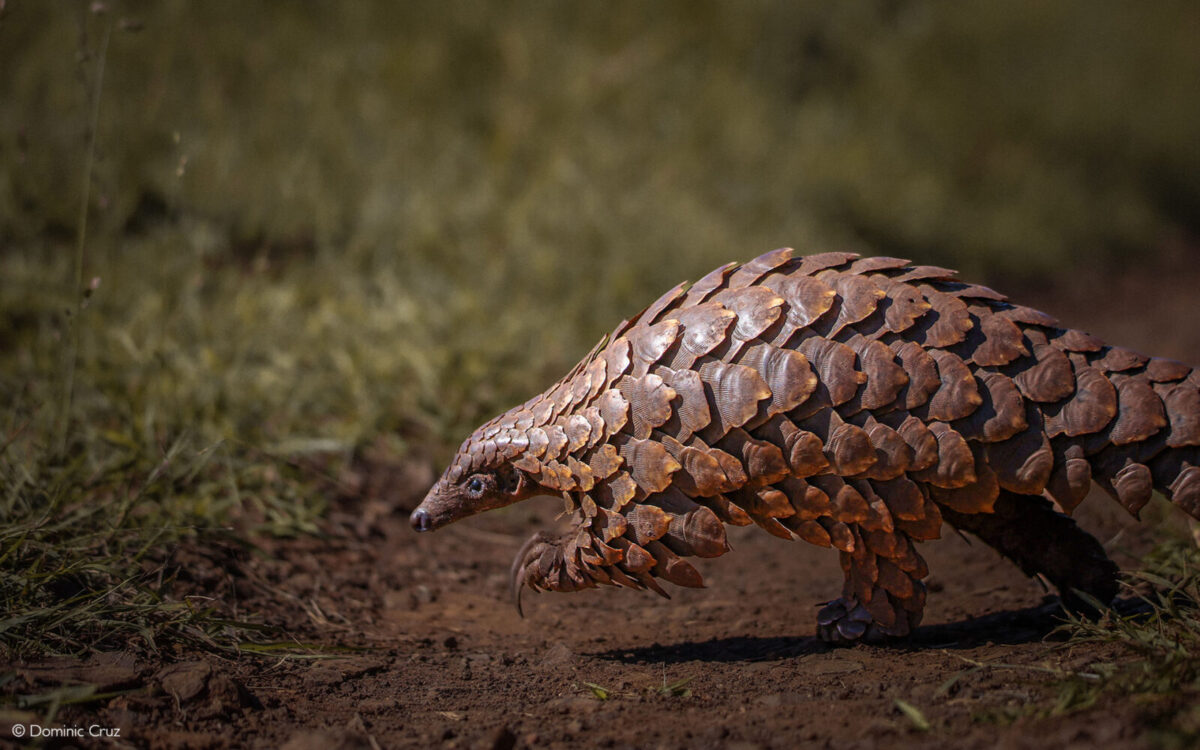
Nocturnal Animals of Africa: What to See on a Night Drive
Africa’s wilderness transforms after sunset as nocturnal animals emerge from their daytime shelters to hunt, forage, communicate, and explore their territories. While daytime safaris introduce travellers to elephants, giraffes, lions, and other familiar wildlife, night drives reveal a different world of secretive predators, unusual mammals, and specialised creatures that rarely appear during daylight. Exploring nocturnal animals Africa night drive experiences allows visitors to appreciate the remarkable diversity of life that depends on darkness.
Night drives offer opportunities to observe species that use darkness to avoid predators, regulate body temperature, or exploit food resources that become available after sunset. Experienced safari guides use specialised knowledge of animal behaviour, habitats, and movement patterns to identify wildlife without unnecessarily disturbing it. Every excursion differs because weather conditions, moonlight, seasonal changes, and natural animal movements influence the encounters.
For travellers interested in wildlife photography, animal behaviour, and lesser-known African species, a guided night safari can become one of the most memorable activities of an African holiday. Understanding which animals are active after dark also helps visitors recognise why responsible night viewing requires careful guiding, controlled lighting, and respect for wildlife.
Why African Wildlife Becomes Active After Dark
Many African animals have evolved nocturnal behaviour because darkness provides advantages for survival. Some species avoid the intense daytime temperatures of savannah and desert environments by becoming active during cooler evening hours. Others use reduced visibility to hunt prey or move through habitats while avoiding larger predators.
Nocturnal activity also reduces competition between species that depend on similar resources. Animals may feed at different times even when they occupy the same habitats, allowing them to exploit food without frequent direct encounters. These patterns contribute to the ecological balance of African wildlife communities.
However, not every animal follows a strictly nocturnal schedule. Some species are crepuscular, meaning they become particularly active around dawn and dusk, while others adjust their behaviour according to weather and human disturbance. Safari guides consider these variations when planning excursions and interpreting sightings.
What Happens During an African Night Game Drive?
A night game drive generally takes place in a protected area or private reserve where authorities permit wildlife viewing after sunset. Visitors travel in a suitable safari vehicle accompanied by an experienced guide, and some excursions include a trained spotlight operator. The activity introduces guests to animals that may remain hidden during ordinary daytime drives.
Guides often begin by exploring areas where nocturnal wildlife is likely to become active, including woodland edges, open plains, and routes near water sources. They listen for calls, observe movement, and identify signs of animal activity while maintaining safe driving conditions. The pace is usually slower than during daytime game drives because smaller animals require careful observation.
Lighting plays an important role in locating wildlife, but responsible guides avoid prolonged illumination that could disturb animals. Bright lights should never interfere with hunting or cause unnecessary stress to sensitive species. Night-drive rules vary between destinations, so visitors should always follow the instructions of their guide and reserve management.
Leopards: Africa’s Elusive Night Hunters
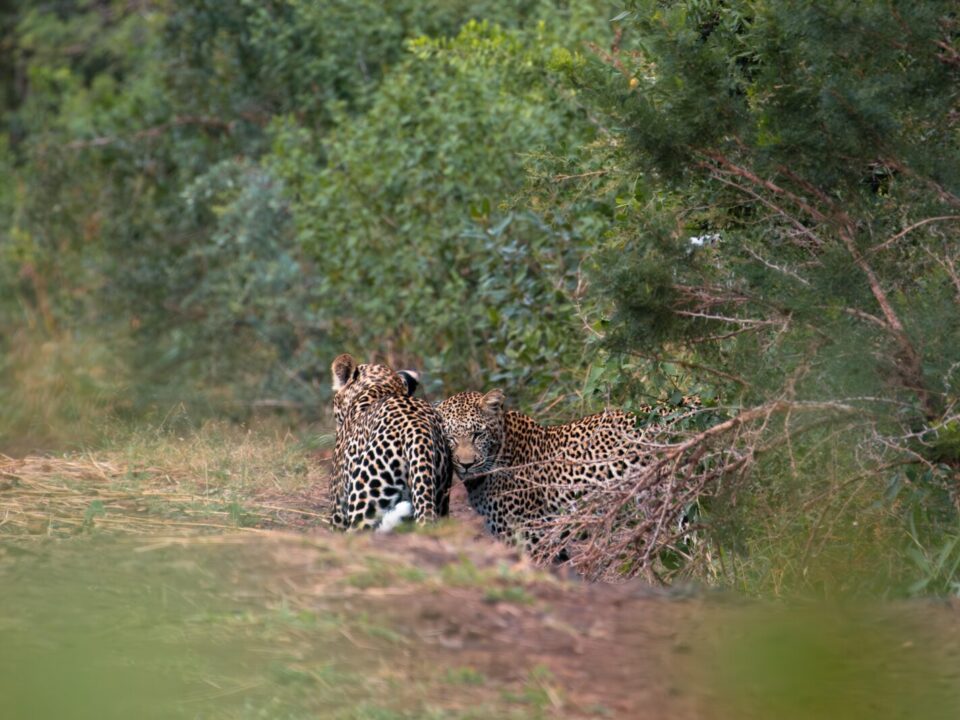
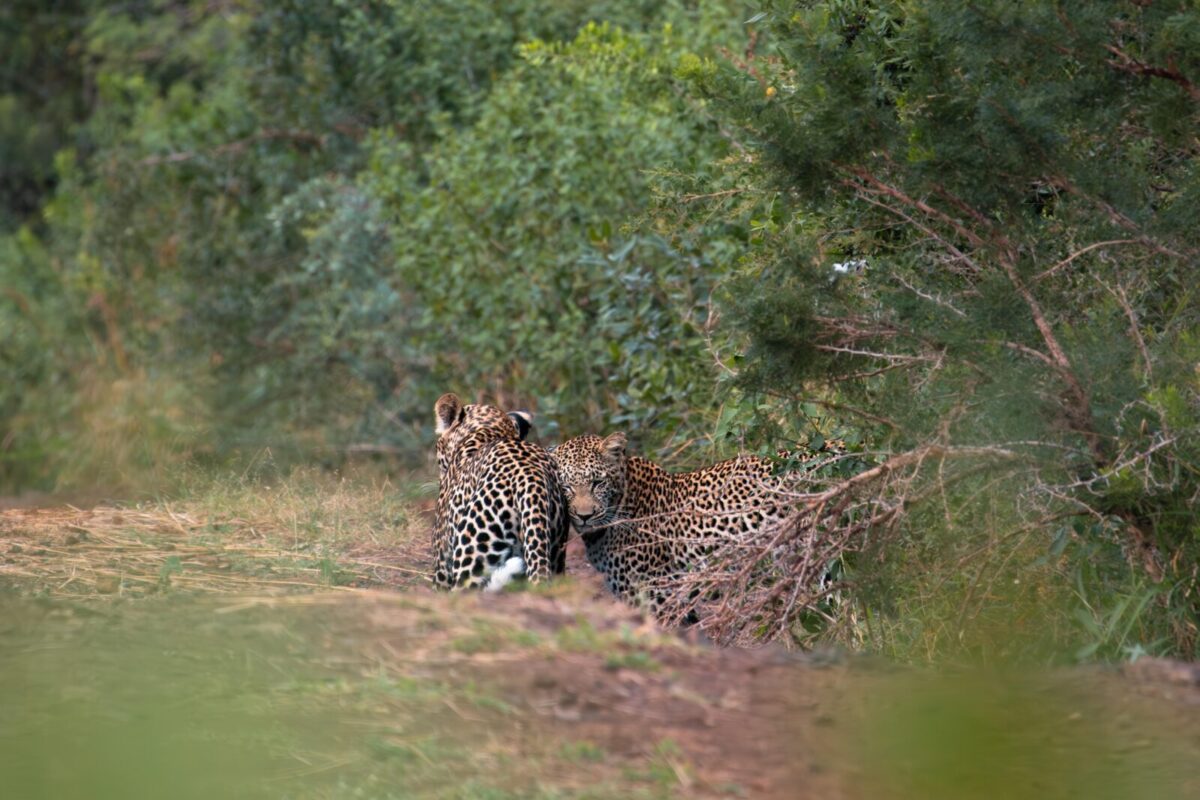
Leopards are among the most sought-after animals during African night drives because they frequently hunt and travel after dark. Their spotted coats provide camouflage in woodland and rocky habitats, while their powerful bodies allow them to stalk and capture a wide variety of prey. Leopards can also remain active during daylight, but nighttime conditions often provide opportunities to observe different behaviours.
A leopard may move along a familiar route while checking scent marks or searching for hunting opportunities. Guides sometimes recognise individual animals through their coat patterns and knowledge of local territories. These observations help travellers understand how solitary predators use their environments.
Nighttime leopard sightings remain unpredictable because the animals occupy extensive ranges and often move quietly through dense vegetation. Travellers should avoid expecting guaranteed encounters, even in reserves known for leopard populations. Patience and experienced guiding remain essential.
Lions Hunting and Communicating at Night
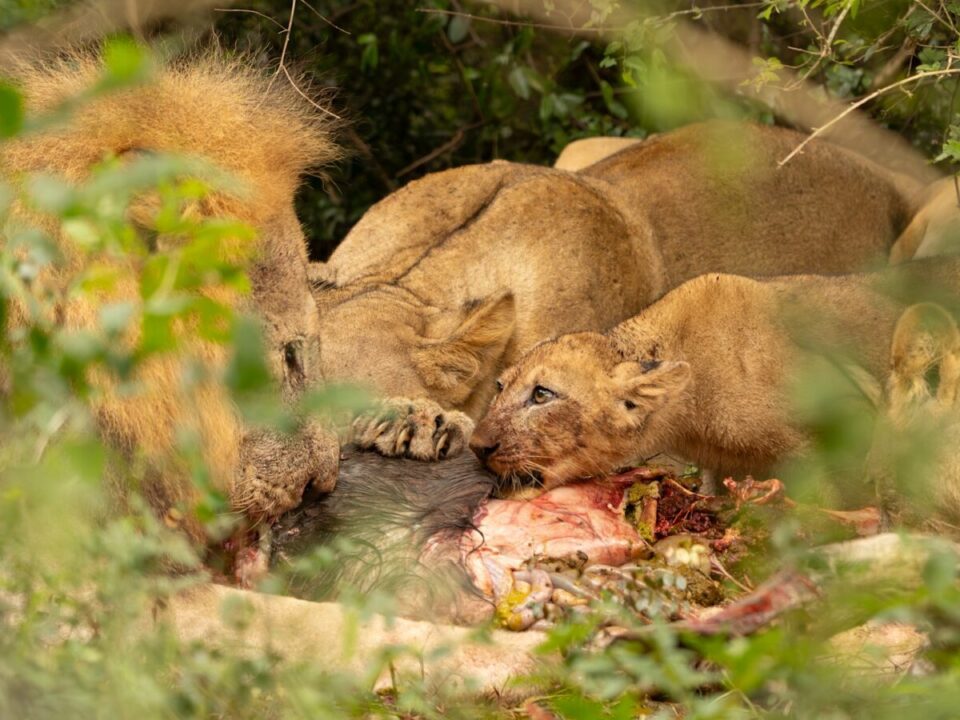
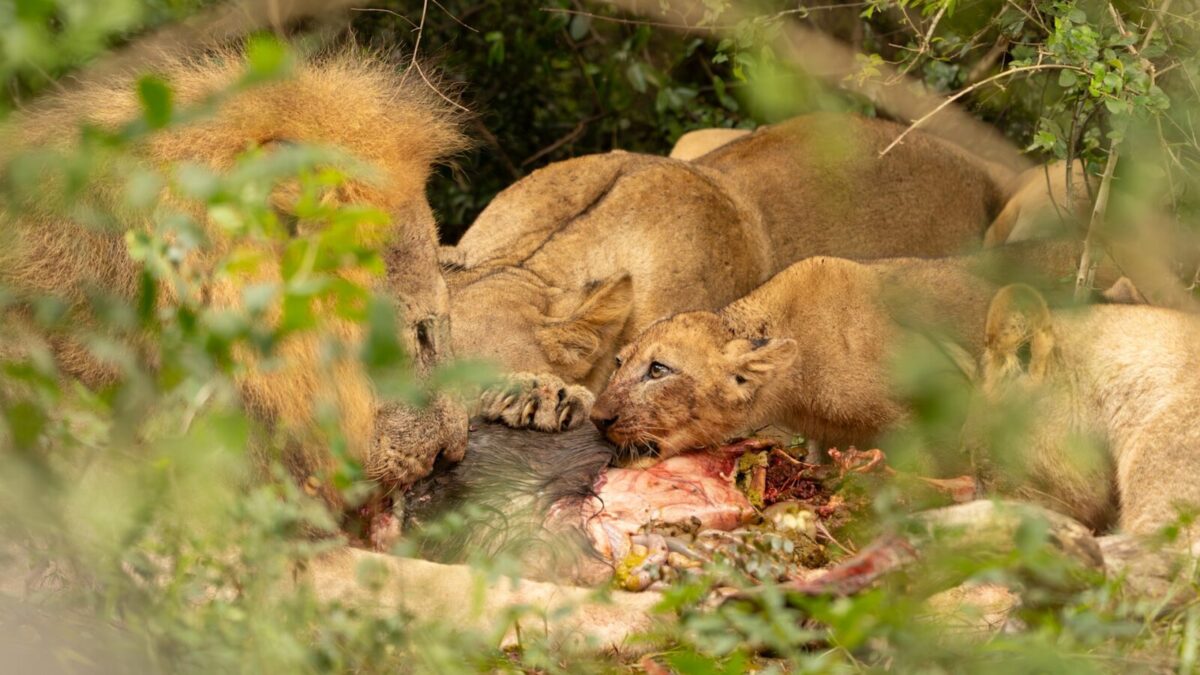
Lions frequently become more active during cooler evening and nighttime hours, particularly in environments where daytime heat limits movement. Their powerful senses and social relationships help them coordinate activity across territories. Night drives may reveal lions walking, calling, feeding, or interacting with other pride members.
Roaring becomes especially impressive after sunset because the surrounding environment often grows quieter. Male and female lions use vocalisations to communicate their presence and maintain contact with other individuals. Hearing distant roars can provide an unforgettable introduction to the atmosphere of the African wilderness.
Although lions sometimes hunt cooperatively, nighttime hunting behaviour varies according to prey, terrain, and group composition. Guides should never interfere with a pursuit or position vehicles in ways that influence its outcome. Responsible viewing allows travellers to observe natural behaviour without creating unnecessary disturbance.
Spotted Hyenas and Their Nighttime Behaviour
Spotted hyenas are highly intelligent carnivores that frequently become active during the evening and night. Their strong jaws, sophisticated social organisation, and adaptable feeding behaviour make them successful predators and scavengers. Despite their reputation for stealing kills, spotted hyenas regularly hunt their own prey.
Hyenas communicate through vocalisations, scent marking, and body movements that help maintain relationships within their clans. Their distinctive calls may travel across considerable distances and contribute to the sounds of the African night. Guides can explain how these signals influence social interactions.
During a night drive, visitors may encounter hyenas travelling along tracks, searching for food, or interacting around a carcass. Their behaviour provides insight into the complex relationships between African predators. Observing hyenas often challenges misconceptions about their ecological role.
African Civets: Secretive Mammals of the Night
African civets are solitary, predominantly nocturnal mammals that inhabit woodland, savannah, and forest environments. Their distinctive spotted and striped coats make them recognisable when guides locate them during night drives. Civets possess a varied diet that includes small animals, insects, fruit, and other available foods.
These mammals often move cautiously through vegetation while searching for feeding opportunities. Their behaviour differs from that of larger carnivores because they exploit a broad range of resources. This adaptability allows civets to occupy different African habitats.
Civet sightings can be particularly rewarding for travellers who have already experienced conventional Big Five safaris. The animals rarely attract the same attention as lions or elephants, yet they contribute significantly to ecosystem diversity. Night drives provide valuable opportunities to appreciate these lesser-known species.
Genets: Agile Climbers with Spotted Coats
Genets are small, agile carnivorans with elongated bodies, spotted coats, and long tails. They often become active after dark, moving through trees, shrubs, and rocky environments in search of food. Their climbing abilities allow them to exploit habitats that larger predators cannot easily access.
Genets feed on insects, small mammals, birds, and other available resources. They may move quickly through branches or pause to investigate unfamiliar sounds. Their cautious behaviour makes them challenging to observe for extended periods.
Guides sometimes identify genets through eye reflections or movement in vegetation. However, sightings require careful lighting practices because excessive illumination can disturb small nocturnal animals. Travellers should appreciate brief encounters without expecting animals to remain visible.
The Aardvark: Africa’s Remarkable Ant and Termite Specialist
The aardvark is one of Africa’s most unusual nocturnal mammals, recognised by its long snout, powerful digging claws, and specialised feeding behaviour. It uses its strong forelimbs to open termite mounds and ant nests before collecting insects with its long tongue. Its diet and digging habits make it an important participant in savannah ecosystems.
Aardvarks create burrows that may later provide shelter for other wildlife species. These excavations contribute to habitat diversity and offer refuge from predators and extreme temperatures. Their ecological influence extends beyond their own feeding requirements.
Aardvark sightings remain rare in many safari destinations because the animals are secretive and occupy large areas. Some private reserves in South Africa and Botswana offer opportunities under suitable conditions. Travellers interested in aardvarks should choose destinations with appropriate habitats and experienced guides while maintaining realistic expectations.
Pangolins: Rare and Threatened Nighttime Encounters
Pangolins are among Africa’s most unusual mammals because protective keratin scales cover much of their bodies. They feed primarily on ants and termites, using specialised tongues and powerful claws to access insect colonies. Several African pangolin species are predominantly nocturnal, making them difficult to observe during ordinary safaris.
Pangolins face serious conservation threats, particularly from illegal wildlife trade and habitat loss. Their rarity makes responsible viewing especially important. Guides should never handle, reposition, or disturb a pangolin simply to improve a visitor’s photograph.
A natural pangolin encounter can become a memorable experience, but sightings are exceptionally unpredictable. Travellers should avoid operators that promise guaranteed encounters or promote inappropriate interactions. Supporting ethical conservation tourism contributes to protecting these vulnerable animals.
Porcupines and Their Defensive Adaptations
African porcupines are primarily nocturnal rodents that move through suitable habitats searching for roots, tubers, and other plant material. Their long quills provide an effective defence against predators. Contrary to a common misconception, porcupines cannot shoot their quills at attackers.
When threatened, a porcupine may raise its quills, create warning sounds, or move defensively. These behaviours discourage predators from approaching too closely. Guides can explain how the quills function and why direct contact presents risks.
Porcupines sometimes appear along tracks or near feeding areas during night drives. Their distinctive appearance makes them particularly interesting for first-time safari visitors. Observing them without disturbance reveals how specialised physical adaptations support survival.
Bushbabies: Tiny Primates with Extraordinary Eyes
Bushbabies, also known as galagos, are small nocturnal primates that inhabit trees and woodland environments. Their large eyes help them function in low-light conditions, while powerful hind limbs allow impressive leaps between branches. Their vocalisations contribute to the distinctive sounds of African nights.
These primates feed on insects, tree gums, and other resources depending on the species. Their movements can be remarkably quick, making them difficult to photograph. Guides often identify their presence through calls before locating them visually.
Bushbabies demonstrate how nocturnal adaptations differ across animal groups. Their climbing and leaping abilities contrast with the ground-based hunting strategies of larger mammals. Observing them adds variety to a night safari.
Aardwolves and Bat-Eared Foxes
Aardwolves are specialised members of the hyena family that feed primarily on termites. Their slender bodies and distinctive manes distinguish them from spotted and brown hyenas. They often forage after dark, using their tongues to collect insects from suitable feeding areas.
Bat-eared foxes also feed extensively on insects, particularly termites, although their diets can include other small prey. Their unusually large ears help detect movement beneath vegetation and within the soil. They may become active during different periods depending on season and local conditions.
Both species are particularly interesting in open savannah and semi-arid habitats. Their feeding strategies reveal the importance of insects within African ecosystems. Night drives provide opportunities to observe wildlife that conventional predator-focused safaris sometimes overlook.
Nocturnal Birds: Owls and Nightjars
African nights also reveal bird species that depend on darkness for hunting and movement. Owls use specialised hearing, vision, and quiet flight to locate prey, while nightjars often feed on flying insects. Their behaviour adds an important dimension to nocturnal wildlife observation.
Different owl species occupy woodland, savannah, and rocky habitats across Africa. Guides may recognise them through distinctive calls or familiar perching locations. However, responsible observation requires avoiding excessive lighting and disturbance near nesting sites.
Nightjars can be particularly difficult to detect because their plumage blends with the ground and surrounding vegetation. Their calls and flight patterns provide useful identification clues. Birdwatchers often find night drives rewarding because they reveal species rarely encountered during daylight.
Reptiles and Other Creatures Active After Dark
Some African reptiles become more active during cooler evening hours, particularly in warm regions where daytime temperatures are demanding. Geckos may hunt insects around vegetation and rocky surfaces, while certain snakes move after sunset. Activity varies according to species, habitat, and seasonal conditions.
Scorpions and other invertebrates also contribute to nocturnal ecosystems. Some scorpions fluoresce under ultraviolet light, although observing them requires appropriate equipment and responsible practices. Travellers should never handle unfamiliar creatures.
Guides help visitors appreciate these smaller animals while maintaining safe distances. Their presence demonstrates that nighttime wildlife extends far beyond large mammals. Careful observation reveals the complexity of African ecosystems.
Best African Destinations for Night Game Drives
South Africa’s private reserves adjoining Kruger National Park are among the most established destinations for guided night drives. Selected reserves offer after-dark activities that may reveal leopards, civets, genets, hyenas, and other wildlife. Activity permissions and operating procedures depend on individual reserve regulations.
Botswana’s Okavango Delta and selected private concessions provide further opportunities for nocturnal wildlife viewing. The varied habitats support predators and smaller mammals, although activities differ between concession areas. Travellers should confirm whether night drives form part of their chosen safari programme.
Zambia’s South Luangwa region is particularly well known for night drives in authorised areas. Experienced guides may locate leopards and other nocturnal species during evening excursions. Tanzania and Namibia also offer selected night-viewing experiences, but national park rules and private-area permissions vary.
How to Prepare for a Night Safari
Night drives can feel considerably cooler than daytime activities, particularly in open safari vehicles. Travellers should carry warm clothing appropriate to the destination and season. Comfortable layers allow visitors to adjust as temperatures change.
Binoculars can help with wildlife observation, although low-light conditions limit their effectiveness. Cameras with suitable low-light capabilities may capture some encounters, but flash restrictions should always take priority. Visitors should avoid bright personal lights unless guides permit their use.
Patience remains one of the most important preparations. Some drives produce numerous sightings, while others reveal only brief movements or distant calls. Appreciating the sounds and atmosphere of the wilderness makes the experience rewarding even when larger animals remain hidden.
Responsible Night Wildlife Viewing
Responsible night drives require careful control of vehicle movement, lighting, and visitor behaviour. Guides should avoid chasing animals or repeatedly illuminating individuals that show signs of discomfort. The objective is to observe natural behaviour rather than force prolonged encounters.
Night-driving permissions vary between national parks, private reserves, and community-managed conservation areas. Travellers should choose operators that follow local regulations and use experienced guides. These standards protect wildlife while improving visitor safety.
The best night safaris combine patience, knowledge, and respect for the environment. Travellers who appreciate smaller animals and subtle behaviour often discover more than those who focus exclusively on predators. Ethical viewing helps preserve the conditions that make these experiences possible.
Plan Your Safari
African night drives reveal a remarkable world of nocturnal predators, specialised mammals, birds, and reptiles. From elusive leopards and secretive civets to aardvarks, bushbabies, and owls, nighttime wildlife demonstrates the extraordinary diversity of African ecosystems. Exploring these animals with experienced guides creates an unforgettable perspective on the wilderness.
Southern Africa Tours can arrange safari itineraries that include authorised night drives in South Africa, Botswana, Zambia, and other suitable destinations. Our team can recommend accommodation and guided activities that match your wildlife interests. Contact Southern Africa Tours to plan a safari that explores Africa’s wilderness after sunset.