

Zulu Culture in KwaZulu-Natal
July 27, 2026
Swahili Culture Along Africa’s East Coast
July 29, 2026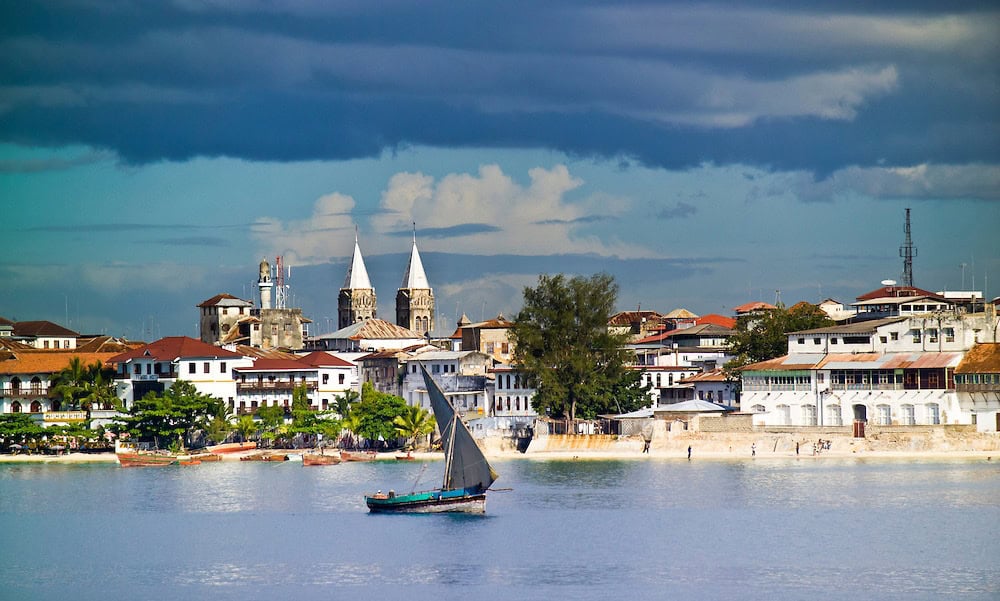
Stone Town, Zanzibar: History, Culture & Things to Do
Stone Town is the historic heart of Zanzibar and one of the most fascinating cultural destinations in East Africa. Its narrow streets, carved wooden doors, historic buildings, bustling markets, and oceanfront setting create a strong sense of place.
Located on the western coast of Unguja Island, Stone Town reflects centuries of African, Arab, Indian, and European influences. The town developed as an important trading center along the Indian Ocean, connecting Zanzibar with Arabia, Persia, India, and the African mainland.
Today, Stone Town offers much more than historic architecture. Visitors can explore ancient landmarks, discover Swahili culture, taste local food, visit museums, and watch spectacular sunsets over the Indian Ocean.
Whether you are visiting Zanzibar for a few days or combining the island with a safari in Tanzania, Stone Town deserves a place on your itinerary.
Why Visit Stone Town, Zanzibar?
Stone Town offers a different experience from Zanzibar’s famous beach resorts. Instead of spending the entire day beside the ocean, travelers can walk through historic streets and discover the island’s fascinating cultural heritage.
The town feels alive throughout the day. Local residents move through narrow lanes, small shops display traditional crafts, and food vendors prepare fresh seafood and Swahili dishes.
Stone Town also provides an excellent introduction to Zanzibar’s history. Its architecture and landmarks reveal the influence of different communities that lived and traded on the island over many centuries.
For travellers interested in culture, history, photography, and food, Stone Town offers plenty to discover within a relatively compact area.
History of Stone Town, Zanzibar
Stone Town developed over centuries as Zanzibar became an important center of Indian Ocean trade. Traders connected the island with coastal Africa, Arabia, Persia, and India, creating a diverse community and cultural landscape.
The town became particularly influential during the nineteenth century when Zanzibar served as the capital of the Omani Sultanate. Sultan Said bin Sultan moved his capital from Muscat to Zanzibar in 1840, strengthening the island’s role in regional trade.
Cloves, spices, ivory, and other goods passed through Zanzibar’s ports. Unfortunately, the island also played a major role in the East African slave trade, leaving a difficult and important part of its history.
Today, Stone Town preserves many reminders of these different periods. Its buildings, markets, religious sites, and museums help visitors understand the complex history behind Zanzibar’s cultural identity.
Stone Town’s UNESCO World Heritage Status
Stone Town became a UNESCO World Heritage Site in 2000 because of its cultural and architectural importance. The historic district preserves buildings and streets that demonstrate centuries of interaction between African and Asian cultures.
The architecture reflects Swahili traditions alongside Omani Arab and Indian influences. Carved wooden doors, balconies, courtyards, and coral-stone buildings are among the town’s most recognizable features.
Walking through the historic district provides an opportunity to see this cultural mixture at street level. Every narrow lane can reveal another architectural detail, small courtyard, historic shop, or traditional doorway.
UNESCO recognition has also increased attention toward protecting Stone Town’s historic character. Conservation remains important as the town continues to serve as a living community rather than simply a historical attraction.
Top Things to Do in Stone Town, Zanzibar
Stone Town offers many experiences for visitors who want to explore beyond Zanzibar’s beaches. Most major attractions sit within walking distance, making the historic district easy to explore on foot.
A guided walking tour is one of the best ways to understand the town. Local guides can explain the history behind buildings and introduce visitors to stories that are difficult to discover independently.
You can also combine sightseeing with food, shopping, photography, and cultural experiences. Allowing at least one full day gives you enough time to experience the town without rushing.
Visit the Old Fort of Zanzibar.
The Old Fort is one of Stone Town’s most recognizable landmarks. The fort stands near the waterfront and reflects Zanzibar’s long history of regional political and commercial importance.
The Omani Arabs built the fort in the late seventeenth century after taking control of Zanzibar from the Portuguese. Its thick walls provided protection and later served several other purposes.
Today, the Old Fort functions as a cultural and entertainment space. Visitors can explore its historic walls and enjoy events or performances held within the complex.
The fort also sits close to several other attractions, making it an easy stop during a Stone Town walking tour.
Explore the House of Wonders.
The House of Wonders, also known as Beit-al-Ajaib, is one of Stone Town’s most famous historic buildings. The building once served as a ceremonial palace for the Sultan of Zanzibar.
Its impressive scale and architectural design demonstrate the influence of the Omani Sultanate. The building also became known for its early modern features, which made it remarkable for its time.
The House of Wonders has faced significant structural challenges and restoration efforts. Visitors should check its current access status before planning an interior visit.
Even when viewing it from outside, the building remains an important part of Stone Town’s historic landscape.
See the Zanzibar Sultan’s Palace
The Sultan’s Palace, also called the Palace Museum, provides another opportunity to learn about Zanzibar’s royal history. The palace once housed members of the Omani royal family who ruled the islands.
The museum presents information about Zanzibar’s sultans and their families. Exhibits also help visitors understand the lifestyle and political influence of the ruling dynasty.
The building overlooks the Indian Ocean, adding to its appeal. Combining a palace visit with a walk along the waterfront creates a rewarding cultural experience.
Visit the Former Slave Market.
The former slave market is one of the most important historical sites in Stone Town. Zanzibar played a significant role in the East African slave trade before the trade was eventually abolished.
The Anglican Cathedral now stands on part of the former market site. The cathedral was built by the Universities’ Mission to Central Africa after the abolition of the slave trade.
Visitors can explore the site and learn about the people affected by slavery. The experience can be emotional, but it provides essential context for understanding Zanzibar’s history.
A knowledgeable local guide can help explain the historical events and their wider connection to East Africa.
Walk Through Darajani Market
Darajani Market offers a lively introduction to everyday life in Stone Town. The market sells fresh produce, spices, seafood, meat, clothing, and various household products.
Walking through the market allows visitors to experience the sights, sounds, and aromas of Zanzibar. It also provides excellent opportunities for photography, although you should always ask before photographing people.
The market is especially interesting for travellers who want to see local life beyond the main tourist attractions. It also provides a chance to discover ingredients commonly used in Swahili cuisine.
Visit respectfully and avoid blocking busy walkways, especially during peak trading hours.
Discover Stone Town’s Famous Zanzibar Doors
Stone Town’s carved wooden doors are among its most distinctive architectural features. Many doors feature intricate designs that reflect the cultural backgrounds and wealth of the families who commissioned them.
Some doors display Indian-inspired decorations, while others show Arab and Swahili influences. Their details can include geometric patterns, floral designs, brass studs, and elaborate carvings.
A walking tour focused on Stone Town’s doors can make an ordinary stroll much more interesting. Photography enthusiasts will also find countless details worth capturing throughout the historic district.
These doors represent more than decoration. They provide visible evidence of the different cultures that shaped Zanzibar over generations.
Experience Zanzibar’s Swahili Culture
Stone Town provides one of the best places to experience Zanzibar’s Swahili culture. The island’s identity developed through centuries of interaction between African communities and Indian Ocean traders.
Swahili traditions appear through language, architecture, music, food, clothing, and social customs. Visitors can experience this culture through local restaurants, markets, guided tours, and conversations with residents.
The best cultural experiences involve respectful interaction rather than simply observing people. Taking time to learn about local customs can make your visit more meaningful.
Stone Town, therefore, works well for travellers who want to understand the culture behind Zanzibar’s beautiful beaches.
Try Zanzibar’s Local Food.
Food is an important part of the Stone Town experience. Zanzibar’s cuisine combines African, Arab, Indian, and coastal influences into dishes with distinctive flavors.
Visitors can try seafood, grilled meats, rice dishes, chapati, samosas, and different preparations featuring local spices. Coconut, cloves, cardamom, cinnamon, and other spices appear frequently in Zanzibar cooking.
For an informal experience, visit the local markets and food stalls. You can also choose a restaurant serving traditional Swahili dishes for a more relaxed meal.
Food tours offer another excellent option because local guides can explain the history behind popular dishes and ingredients.
Enjoy the Stone Town Sunset.
Stone Town’s waterfront becomes especially beautiful in the late afternoon. As the sun approaches the horizon, the Indian Ocean takes on warm colors, and the historic buildings create a memorable backdrop.
Forodhani Gardens is one of the most popular places to experience the evening atmosphere. The area becomes lively as food vendors prepare seafood, Zanzibar pizza, skewers, and other local favorites.
A sunset dhow cruise offers another romantic option. Traditional sailing boats move across the water while passengers enjoy views of Stone Town from the sea.
For couples, this can be one of the most memorable experiences during a Zanzibar holiday.
Take a Spice Tour Near Stone Town
Zanzibar is famous for its spice production, and a spice tour provides insight into an important part of the island’s history. Many tours take place outside Stone Town in rural areas where visitors can see and smell different spices and tropical plants.
Guides may introduce travellers to cloves, cinnamon, vanilla, cardamom, nutmeg, and other plants. They also explain how spices are grown and traditionally used.
The experience connects Zanzibar’s modern tourism industry with its historic role in Indian Ocean trade. It also provides an opportunity to see a different side of the island beyond beaches and historic buildings.
A spice tour works particularly well when combined with a Stone Town sightseeing day.
Take a Traditional Dhow Cruise
Traditional dhow boats have played an important role in Indian Ocean trade for centuries. Today, these sailing vessels provide visitors with a relaxing way to experience Zanzibar’s coastline.
A dhow cruise can take place around sunset or during the day. Evening cruises are especially popular because they provide beautiful views as the sun disappears over the ocean.
Some experiences include drinks, snacks, or dinner, depending on the operator. Couples can choose private cruises for a more intimate experience.
For travellers staying in Stone Town, a dhow cruise offers an excellent change of pace after walking through the historic streets.
Visit the Freddie Mercury Connection.
Stone Town is closely associated with Freddie Mercury, the legendary singer and frontman of Queen. He was born in Zanzibar in 1946 and spent part of his early childhood on the island.
Visitors can learn about his Zanzibar connection while exploring Stone Town. Several places around the historic district are associated with his early life and have become popular stops for music fans.
The Freddie Mercury Museum provides information about his life and connection to Zanzibar. It offers an interesting addition to a cultural walking tour.
For music lovers, this connection adds another fascinating dimension to Stone Town’s international history.
Best Time to Visit Stone Town, Zanzibar
Stone Town can be visited throughout the year, although weather conditions vary between seasons. The dry periods generally provide comfortable conditions for walking, sightseeing, and combining the town with a beach holiday.
June through October is one of the most popular periods because of generally dry weather. December through February also offers warm conditions and works well for travellers combining Stone Town with coastal activities.
The long rains usually occur around March to May. Some days can bring heavy rainfall, although showers do not necessarily prevent sightseeing.
When planning your Zanzibar trip, consider both the weather and your preferred activities. A local tour operator can help you choose the best travel period for your itinerary.
How Many Days Do You Need in Stone Town?
Most travellers can experience Stone Town’s major highlights in one or two days. However, spending two nights gives you more time to explore without rushing between attractions.
One full day can include a historic walking tour, the Old Fort, Sultan’s Palace, Darajani Market, and the former slave market. You can then enjoy local food and a sunset along the waterfront.
With two days, you can add a spice tour, dhow cruise, food experience, or additional cultural activities. This approach also gives you more time to enjoy the atmosphere of the old town.
Stone Town also works well as the first or final stop on a longer Zanzibar itinerary.
Where to Stay in Stone Town, Zanzibar
Staying within or close to the historic district makes exploring Stone Town convenient. Travellers can choose from stylish boutique hotels, historic properties, and comfortable accommodations with traditional Zanzibar design.
Many properties feature Swahili-inspired architecture, carved wooden details, rooftop terraces, and views toward the Indian Ocean. Some also offer restaurants where guests can enjoy local and international cuisine.
Choose accommodation based on your planned activities and preferred travel style. Staying near the historic center makes walking tours and evening experiences easier.
If your trip focuses heavily on beaches, consider combining Stone Town with a few nights in another coastal destination. This creates a balanced Zanzibar holiday with culture, history, and relaxation.
How to Get Around Stone Town
Walking is the best way to explore the historic center. The narrow streets and pedestrian-friendly areas allow visitors to discover small shops, historic buildings, markets, and cultural sites at a comfortable pace.
For destinations outside Stone Town, taxis and private transfers provide convenient transportation. You can also arrange transport through your hotel or local tour operator.
A guided walking tour is particularly useful for first-time visitors. Local guides can explain the history behind landmarks while helping you navigate the maze-like streets.
Because Stone Town has many narrow passages, comfortable walking shoes are highly recommended.
Stone Town Travel Tips for First-Time Visitors
Dress respectfully when visiting Stone Town, particularly around religious sites and residential areas. Zanzibar has a predominantly Muslim population, so modest clothing helps visitors respect local customs.
Carry water during walking tours because temperatures can become warm, especially during the middle of the day. Comfortable shoes also make exploring the historic streets much easier.
Keep valuables secure and remain aware of your surroundings in crowded markets. When taking photographs of local people, ask permission first.
Most importantly, take your time. Stone Town becomes more rewarding when you slow down and notice its architecture, people, food, and everyday life.
Is Stone Town Worth Visiting?
Stone Town is absolutely worth visiting for travelers interested in history, culture, architecture, and authentic Zanzibar experiences. Its historic streets reveal a fascinating story shaped by Africa, Arabia, India, and the wider Indian Ocean world.
The town also provides experiences beyond sightseeing. Visitors can taste local food, explore markets, take dhow cruises, discover historic landmarks, and watch sunsets along the waterfront.
For travellers combining a Tanzania safari with Zanzibar, Stone Town provides an excellent cultural transition between wildlife adventures and beach relaxation.
Its unique atmosphere makes it one of the most memorable places to visit in Zanzibar.
Plan Your Stone Town, Zanzibar, Experience
Stone Town offers a fascinating introduction to Zanzibar’s history, culture, architecture, and coastal traditions. From historic palaces and carved doors to vibrant markets and sunset dhow cruises, the town provides experiences for many different travellers.
A well-planned Zanzibar itinerary can combine Stone Town with the island’s beaches, spice farms, and marine attractions. You can also combine Zanzibar with a Tanzania safari for a complete East African adventure.
If you want to experience the cultural heart of Zanzibar, allow enough time to explore Stone Town at a relaxed pace. With the right local guide and itinerary, your visit can become one of the highlights of your Tanzania journey.