
10 African Safari Camps with the Best Views
July 27, 2026
10 Most Photogenic Safari Locations in Africa
July 27, 2026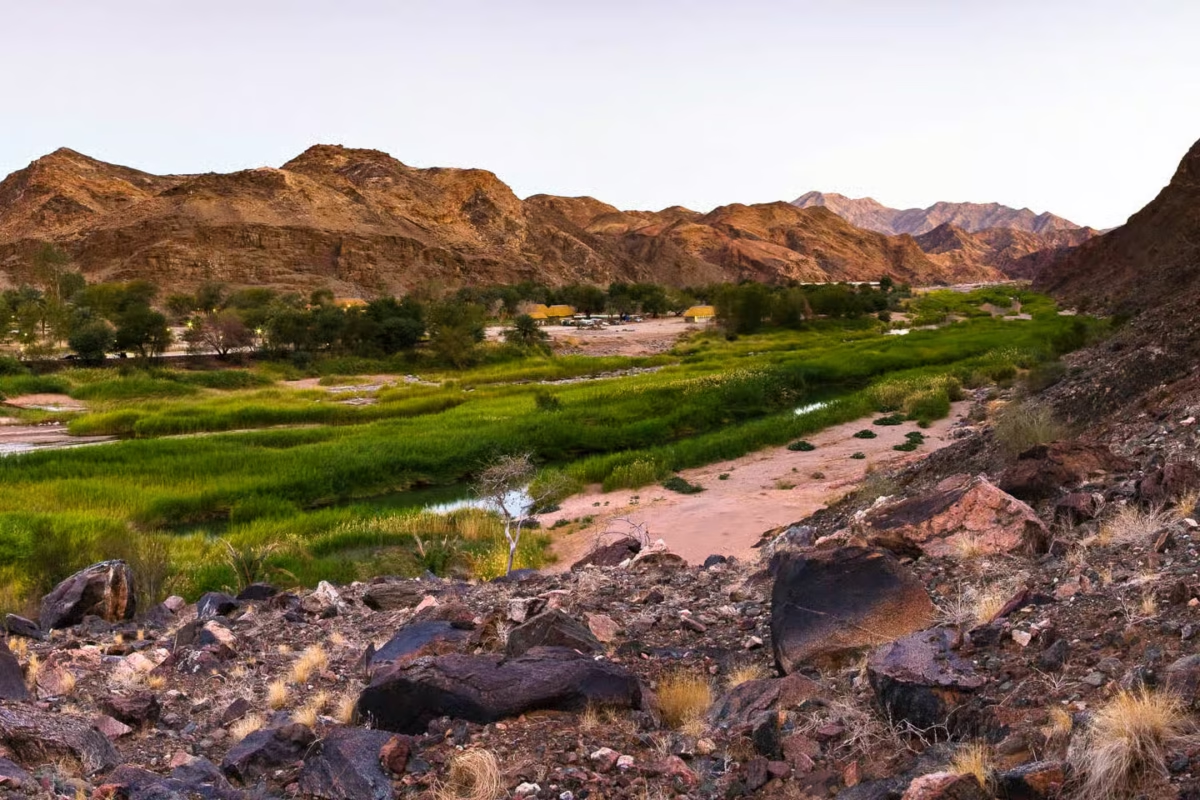
Top 10 Hidden Gems of Southern Africa Off the Beaten Track
Southern Africa is famous for iconic destinations such as Victoria Falls, Cape Town, Kruger National Park, and the Okavango Delta. However, beyond these well-known attractions lies another side of the region filled with remote landscapes, quiet wilderness areas, fascinating cultures, and authentic travel experiences.
For travellers who prefer fewer crowds, Southern Africa offers plenty of places to explore away from the usual tourist routes. These hidden gems provide opportunities to experience wildlife, dramatic scenery, local communities, and untouched wilderness at a slower pace.
For 2026 and 2027, travelling off the beaten track can be an excellent way to discover a more personal side of Southern Africa. The following destinations are ideal for adventurous travellers who want something different from the classic safari itinerary.
1. Liuwa Plain National Park, Zambia
Liuwa Plain National Park is one of Zambia’s most remote and fascinating wilderness destinations. The vast open plains stretch across western Zambia, creating a landscape that feels remarkably untouched.
The park is famous for the second-largest wildebeest migration in Africa. Thousands of wildebeest move across the plains during the annual migration, attracting predators such as lions, cheetahs, and hyenas.
Liuwa Plain also offers excellent birdwatching, particularly during the rainy season. Large flocks of cranes and other wetland species create spectacular scenes across the open grasslands.
The park receives far fewer visitors than Zambia’s better-known destinations. This makes it ideal for travellers seeking solitude and an authentic wilderness experience.
2. Tuli Block, Botswana
The Tuli Block lies in eastern Botswana near the borders with South Africa and Zimbabwe. This remote region offers dramatic landscapes, impressive wildlife, and a quieter alternative to northern Botswana.
The area is known for its sandstone formations, enormous baobab trees, and seasonal rivers. Elephants are particularly common, while lions, leopards, giraffes, and numerous antelope species also inhabit the region.
Walking safaris can provide a more intimate way to explore the landscape. Travellers can also enjoy horseback safaris and photography experiences in selected private areas.
Tuli Block works particularly well for travellers who want to explore Botswana beyond the Okavango Delta and Chobe National Park.
3. Tsodilo Hills, Botswana
Tsodilo Hills offers a completely different experience from Botswana’s traditional safari destinations. These ancient rock formations rise dramatically from the surrounding landscape in northwestern Botswana.
The area contains thousands of rock paintings created by San communities over many generations. Some paintings date back thousands of years, making Tsodilo Hills one of Africa’s most important archaeological and cultural sites.
Guided walks provide an opportunity to explore the hills while learning about their spiritual significance. Local guides can explain the stories and traditions associated with the area.
Tsodilo Hills is an excellent destination for travellers who want to combine nature, archaeology, and culture.
4. Lake Kariba, Zimbabwe
Lake Kariba is one of Africa’s largest artificial lakes and provides a peaceful alternative to Zimbabwe’s more famous attractions.
The lake stretches for hundreds of kilometres along the Zambezi River and offers beautiful views across its vast waters. Travellers can enjoy boat cruises, fishing, birdwatching, and sunset experiences.
The surrounding area also supports elephants, hippos, crocodiles, buffalo, and numerous bird species. Wildlife can often be observed along the shoreline during boat excursions.
A stay around Lake Kariba provides a slower travel experience. It is particularly appealing after a busy safari through destinations such as Hwange National Park.
5. Mapungubwe National Park, South Africa
Mapungubwe National Park is located in South Africa’s Limpopo Province near the borders with Botswana and Zimbabwe. The park combines wildlife, dramatic landscapes, and fascinating archaeological history.
The landscape features sandstone cliffs, baobabs, river valleys, and open bushland. Elephants, giraffes, lions, leopards, and other wildlife inhabit the area.
Mapungubwe is also home to the remains of an ancient African kingdom. The archaeological site provides insight into a sophisticated trading society that flourished centuries ago.
The combination of wildlife and history makes Mapungubwe a fascinating alternative to South Africa’s better-known safari destinations.
6. Bazaruto Archipelago, Mozambique
The Bazaruto Archipelago offers some of the most beautiful coastal scenery in Southern Africa. Located off Mozambique’s coast, the islands feature white beaches, turquoise waters, sand dunes, and rich marine ecosystems.
The archipelago is particularly famous for snorkelling, diving, sailing, and encounters with marine wildlife. Travellers may encounter dolphins, turtles, rays, and other fascinating species.
The islands also provide excellent opportunities for relaxation after a safari. Private beach experiences and secluded accommodation create an atmosphere of peace and exclusivity.
Bazaruto is ideal for travellers who want to combine wilderness adventures with an Indian Ocean escape.
7. Niassa Reserve, Mozambique
Niassa Reserve is one of Africa’s largest protected wilderness areas and remains remarkably remote. Its enormous size and limited tourism development give travellers an opportunity to experience genuine wilderness.
The reserve supports elephants, lions, wild dogs, leopards, buffalo, and numerous other species. Its remote location also means that wildlife encounters can feel particularly intimate.
Niassa is best suited to adventurous travellers who value isolation and conservation. The journey to reach the reserve is part of the experience.
For travellers looking beyond the popular safari circuits, Niassa offers a rare opportunity to explore one of Mozambique’s most untouched landscapes.
8. Ai-Ais and the Fish River Canyon, Namibia
Fish River Canyon is one of Namibia’s most spectacular natural landmarks and one of the largest canyons in the world. Despite its impressive scale, it receives far fewer visitors than many major African attractions.
The canyon stretches across a dramatic landscape of rocky cliffs, deep valleys, and rugged desert terrain. Sunrise and sunset create beautiful changes in colour across the rock formations.
The nearby Ai-Ais area offers hot springs and opportunities to explore the surrounding desert environment. Hiking and scenic drives provide different ways to experience the region.
The canyon is an excellent choice for travellers who want dramatic scenery without the crowds found at more famous destinations.
9. Lower Zambezi National Park, Zambia
Lower Zambezi National Park offers an extraordinary wilderness setting along the Zambezi River. Although increasingly recognised by safari travellers, it remains quieter than many of Africa’s most famous parks.
The river provides a beautiful backdrop for game viewing. Travellers can encounter elephants, hippos, crocodiles, lions, buffalo, and numerous bird species.
Canoe safaris are one of the park’s defining experiences. Moving quietly along the river provides a completely different perspective from a traditional game drive.
The combination of water, wildlife, mountains, and wilderness makes Lower Zambezi one of Zambia’s most rewarding destinations.
10. Tswalu Kalahari, South Africa
Tswalu Kalahari provides a rare opportunity to experience the vast landscapes of South Africa’s Kalahari region. The private reserve covers an enormous area and offers a strong focus on conservation and exclusive wilderness experiences.
The landscape features red sand, grasslands, rocky hills, and ancient baobab trees. Wildlife includes desert-adapted species as well as predators such as lions and cheetahs.
Tswalu also provides opportunities to explore the Kalahari on foot. Depending on conditions and activities, guests can discover smaller wildlife, plants, tracks, and other details often missed from a vehicle.
The remote setting makes Tswalu an excellent choice for travellers seeking privacy and a deeper connection with nature.
Why Visit Southern Africa’s Hidden Gems?
Travelling beyond the famous destinations allows you to experience Southern Africa at a different pace. Smaller visitor numbers can create quieter wildlife encounters and more personal interactions with guides and communities.
These destinations also reveal the incredible diversity of the region. You can move from desert landscapes and ancient archaeological sites to tropical islands, river ecosystems, and remote wildlife reserves.
Exploring lesser-known destinations can also support conservation and local communities. Tourism provides important income for remote areas while creating incentives to protect natural and cultural heritage.
Best Time to Explore Southern Africa’s Hidden Gems
The ideal time to visit depends on the destination and activities you want to experience. The dry season from May to October is generally excellent for wildlife viewing across many safari destinations.
The cooler months between June and September are particularly comfortable for walking safaris and outdoor activities. Wildlife also becomes easier to locate as animals gather around remaining water sources.
The warmer green season brings lush landscapes, migratory birds, newborn wildlife, and fewer visitors. Coastal destinations such as Mozambique can follow different seasonal patterns, so planning should consider the specific region.
How to Plan an Off-the-Beaten-Track Safari
Remote destinations require more careful planning than established tourist routes. Some parks have limited accommodation, fewer transport connections, and longer transfer times.
Choosing the right local safari operator can make the journey much easier. Experienced operators understand seasonal conditions, road access, domestic flights, accommodation availability, and conservation requirements.
It is also important to allow enough time for remote destinations. Trying to fit too many locations into one itinerary can reduce the quality of the experience.
A slower journey often provides the best opportunity to appreciate Southern Africa’s hidden landscapes.
Why Choose an Off-the-Beaten-Track African Safari?
An off-the-beaten-track safari allows travellers to experience places that feel less commercial and more connected to nature. The landscapes are often quieter, the wildlife encounters can feel more personal, and the journey itself becomes part of the adventure.
From the remote wilderness of Niassa to the ancient rock art of Tsodilo Hills, Southern Africa offers experiences far beyond the usual safari routes.
For 2026 and 2027, exploring these hidden gems can create a more meaningful African journey. You may return home with not only incredible photographs but also stories that few other travellers can tell.
Plan Your Southern Africa Adventure
Southern Africa rewards travellers who are willing to venture beyond the familiar. Whether you want remote wildlife, ancient cultures, dramatic deserts, or secluded beaches, there is a hidden destination waiting to be discovered.
A knowledgeable local safari operator can help you combine lesser-known destinations with carefully selected accommodation and reliable transport. This creates an itinerary that feels adventurous without sacrificing comfort.
Plan your Southern Africa safari for 2026 or 2027 and discover the remote places, remarkable wildlife, and unforgettable landscapes that lie beyond the usual tourist routes.