

How Safari Tourism Funds Conservation in Africa
July 29, 2026
Rhino Poaching Crisis
July 29, 2026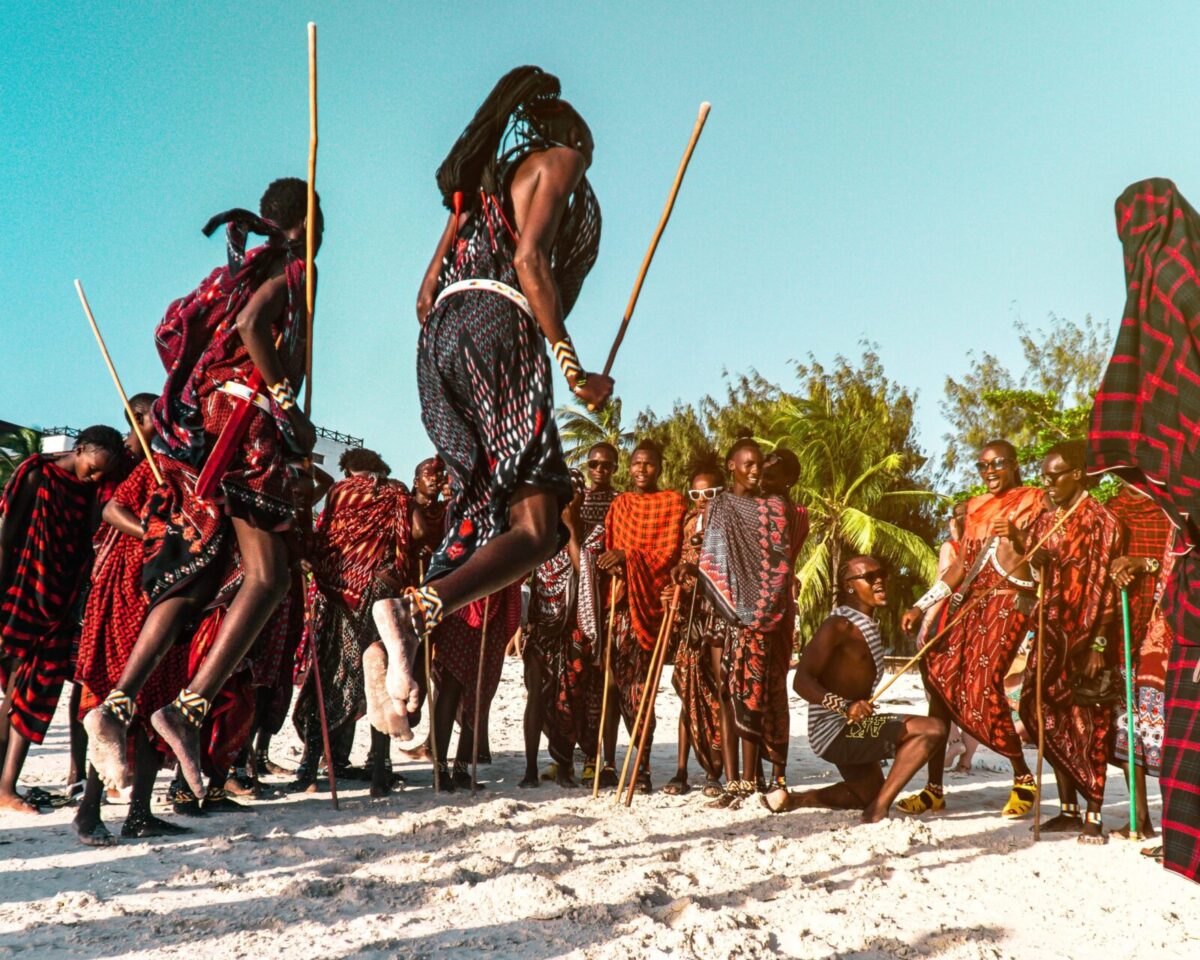
Community-Based Tourism in Africa: Why It Matters
Community-based tourism in Africa connects travellers with local communities, cultures, landscapes, and everyday life. Instead of keeping tourism benefits within large companies, this approach aims to place local people at the centre of the tourism experience.
Across the continent, communities live alongside national parks, forests, mountains, wetlands, and cultural sites. Tourism can create valuable opportunities in these areas when local people have meaningful roles in planning, managing, and benefiting from visitors.
Community-based tourism goes beyond cultural performances or village visits. It can include locally owned accommodation, guiding, craft markets, cultural experiences, community conservancies, food tours, and nature-based activities.
When managed responsibly, this form of tourism can support livelihoods while encouraging conservation. It can also help travellers understand Africa through authentic experiences shaped by the people who call these destinations home.
What Is Community-Based Tourism?
Community-based tourism is tourism that involves local communities in the ownership, management, or economic benefits of tourism activities. The model aims to ensure that residents have a meaningful role rather than simply serving as workers within externally controlled businesses.
A community may operate a lodge, cultural center, craft cooperative, guiding service, or conservation area. In other cases, communities partner with private tourism companies while receiving agreed financial or employment benefits.
The exact structure differs between destinations. Some projects operate as cooperatives, while others involve community trusts, conservancies, or partnerships with tourism operators.
The central idea remains similar. Tourism should create tangible benefits for local people while respecting their culture, land, resources, and long-term interests.
Why Does Community-Based Tourism Matter?
Tourism can generate substantial economic activity in rural areas. However, the benefits do not always reach the people living closest to attractions.
Community-based tourism helps address this challenge by creating opportunities for local ownership and employment. Income can support households while also contributing to community-wide projects.
The model can also strengthen cultural pride. When traditional knowledge, food, crafts, music, stories, and ceremonies become valued parts of tourism, communities have greater incentives to preserve them.
Most importantly, community-based tourism can connect tourism with conservation. When communities benefit from protecting natural resources, tourism can become an important reason to safeguard those resources.
How Community Tourism Benefits Local Communities
Tourism can create employment for guides, drivers, cooks, artisans, accommodation staff, cultural interpreters, and conservation workers. These jobs can provide income without requiring communities to leave their home areas.
Local businesses can also supply tourism companies with food, crafts, construction materials, transport, and other services. This creates economic benefits beyond the main tourism activity.
Some community tourism projects invest directly in shared priorities. These can include education, healthcare, clean water, infrastructure, and environmental programs.
The impact depends on how the project operates. Transparent management and fair revenue sharing are essential for ensuring that tourism creates genuine community benefits.
Community-Based Tourism and Conservation
Community-based tourism can strengthen conservation by giving local people an economic reason to protect natural resources. This approach is particularly important around national parks and wildlife areas.
Communities may establish conservancies that protect land for wildlife while generating income through tourism. Safari activities can then provide revenue for conservation and local development.
Tourism can also help protect forests, wetlands, and other ecosystems. When natural landscapes generate sustainable income, communities may have less pressure to convert them for activities that cause long-term environmental damage.
Conservation still requires strong management and government support. However, community participation can make conservation efforts more locally relevant and sustainable.
Community Conservancies in Africa
Community conservancies are an important example of community-based tourism. They allow local communities to manage land and natural resources while creating opportunities for wildlife tourism.
Kenya has developed several well-known conservancy models, particularly around the Maasai Mara and northern Kenya. These areas can provide important habitats beyond traditional national park boundaries.
Namibia also has a strong community conservancy model. Local communities manage wildlife areas and can benefit from tourism, conservation partnerships, and sustainable natural resource use.
These models can help protect wildlife corridors and larger ecosystems. They also give communities a stronger voice in decisions affecting their land.
Community Tourism in Kenya
Kenya offers many opportunities for travellers to experience community-based tourism. Maasai communities around the Maasai Mara have developed cultural experiences, guiding services, conservancies, and community enterprises.
Visitors can learn about traditional livelihoods, local history, crafts, food, and relationships with wildlife. These experiences can provide income directly or indirectly to participating communities.
Northern Kenya also offers community conservancies with important wildlife populations. Tourism revenue can support conservation while creating local employment and community development opportunities.
Responsible travellers should choose experiences where communities have genuine control and receive clear economic benefits. A respectful encounter should also avoid treating culture as a staged spectacle.
Community Tourism in Tanzania
Tanzania’s tourism industry provides opportunities for community participation around major wildlife destinations. Areas surrounding Serengeti, Ngorongoro, Tarangire, and other protected areas contain communities with deep cultural connections to the land.
Cultural tourism can introduce travellers to traditional knowledge, food, crafts, and local livelihoods. Community projects can also create employment and support conservation.
The Ngorongoro region is particularly significant because of the relationship between conservation, tourism, and pastoral communities. Tourism planning must therefore consider both wildlife protection and community interests.
Travellers can contribute by choosing local guides, buying directly from artisans, and supporting community-owned experiences. These choices help keep more tourism income within local economies.
Community Tourism in Uganda
Uganda offers community-based tourism experiences around several national parks and cultural destinations. Communities near Bwindi Impenetrable National Park, for example, participate in tourism through cultural experiences, crafts, guiding, and accommodation.
Gorilla trekking has also created employment and community revenue around Bwindi and other forest areas. These benefits can strengthen local support for protecting endangered mountain gorillas and their habitats.
Travellers can visit community projects after trekking or include cultural experiences within their itineraries. This creates a broader experience beyond wildlife viewing.
Community tourism in Uganda also extends beyond gorilla destinations. Visitors can explore local food, crafts, traditions, and village experiences in different parts of the country.
Community Tourism in Rwanda
Rwanda has developed community tourism opportunities around its national parks and cultural attractions. Tourism plays an important role in the country’s conservation and economic development strategy.
Communities around Volcanoes National Park can benefit from tourism connected to gorilla trekking and other activities. Employment, community projects, and local businesses can all form part of the wider tourism economy.
Cultural experiences can provide additional opportunities for local participation. Travellers may learn about traditional crafts, food, music, dance, and rural livelihoods.
A community-focused itinerary can therefore combine wildlife with cultural understanding. This creates a more complete travel experience while supporting local economic opportunities.
Community Tourism in Namibia
Namibia is one of Africa’s strongest examples of community conservancy development. Community conservancies allow local residents to participate in wildlife management and benefit from tourism.
These conservancies can cover extensive landscapes outside national parks. They provide habitats for elephants, desert-adapted lions, rhinos, and other wildlife.
Tourism revenue can support community development and conservation activities. It can also create employment through lodges, guiding, crafts, and wildlife management.
For travellers, visiting a community conservancy can offer a different perspective on conservation. You can see how local communities and tourism can work together to protect large natural landscapes.
Community Tourism in South Africa
South Africa has a wide range of community tourism initiatives. These include cultural villages, township experiences, community-owned accommodation, craft markets, heritage tours, and rural tourism projects.
Township tourism provides opportunities to explore contemporary communities rather than focusing only on traditional attractions. Responsible tours can introduce visitors to local food, history, entrepreneurship, music, and everyday life.
Rural tourism can also support communities near nature reserves and protected landscapes. Local guides can provide knowledge that adds depth to wildlife and cultural experiences.
South Africa’s diversity makes community tourism especially interesting. Travellers can experience different languages, cuisines, histories, traditions, and landscapes within one country.
Community Tourism in Botswana
Botswana has developed community-based conservation and tourism initiatives around important wildlife landscapes. Community involvement is particularly relevant in areas surrounding the Okavango Delta and other conservation regions.
Tourism can provide employment and income while supporting the protection of wetlands and wildlife habitats. Community participation also helps connect conservation with local livelihoods.
Visitors can support communities by choosing locally operated activities and purchasing crafts directly from producers. Cultural experiences can provide another way to understand life in the region.
Botswana’s conservation model demonstrates how tourism can connect wilderness protection with economic opportunities. The approach works best when communities have meaningful roles in decision-making.
Community Tourism in Zambia and Zimbabwe
Zambia and Zimbabwe also offer opportunities for community involvement in tourism and conservation. Communities living around national parks can benefit from employment, conservation partnerships, and tourism-related enterprises.
Victoria Falls provides an important tourism economy shared by communities and businesses across the region. Local crafts, cultural experiences, guiding, and hospitality create opportunities beyond traditional sightseeing.
In wildlife areas, community-based conservation can help address human-wildlife conflict. Tourism revenue can support initiatives that make living alongside wildlife more practical for local residents.
Travellers can support these efforts by using reputable local operators and purchasing locally made products. Every responsible choice helps keep more tourism value within destination communities.
Cultural Tourism and Local Heritage
Culture is one of Africa’s greatest tourism assets. Languages, music, dance, food, crafts, architecture, oral traditions, and ceremonies all contribute to the continent’s diverse heritage.
Community-based tourism can help preserve this heritage when local people control how their culture is presented. Visitors gain a deeper understanding while communities receive economic value from sharing their traditions.
Cultural tourism should never reduce people to stereotypes. A respectful experience recognizes that communities are living societies with modern lives, changing traditions, and diverse perspectives.
Travellers should approach cultural experiences with curiosity and respect. Ask permission before taking photographs and follow local guidelines around sacred or private activities.
Food and Community-Based Tourism
Food provides one of the easiest ways for travellers to connect with local communities. Markets, cooking classes, farm visits, and traditional meals can introduce visitors to regional flavours and ingredients.
Local food experiences can also support farmers, cooks, restaurants, and small businesses. More of the money spent by visitors can remain within the local economy.
African cuisine varies dramatically across regions. Travellers can discover East African dishes, Southern African braais, West African stews, North African flavors, and countless local specialties.
Food tourism also creates personal connections. Sharing a meal can provide a more relaxed opportunity to learn about local customs, family life, and traditions.
Handicrafts and Community Tourism
Handicrafts can provide important income for local artisans. Visitors often purchase baskets, textiles, jewelry, carvings, pottery, and other products during African journeys.
Buying directly from artisans can help ensure that more money reaches the person who created the product. It also encourages traditional skills to remain economically valuable.
Travellers should avoid purchasing products made from illegal wildlife materials. Responsible shopping supports crafts without contributing to wildlife exploitation.
Quality community tourism programs can also provide training and market access. These opportunities help artisans reach visitors while maintaining control over their products and pricing.
Women and Community-Based Tourism
Tourism can create valuable opportunities for women in rural and urban communities. Women may operate restaurants, craft businesses, guesthouses, guiding services, farms, or cultural enterprises.
Income from tourism can strengthen household financial security. It can also provide women with greater independence and opportunities to invest in education and businesses.
Women-led tourism enterprises can preserve important cultural knowledge. Food preparation, crafts, storytelling, and traditional skills often pass through generations.
For tourism to create lasting benefits, women need meaningful access to training, ownership, financing, and decision-making. Simply employing women is not enough to create genuine empowerment.
Youth and Tourism Employment
Young people can benefit significantly from community-based tourism. The sector creates opportunities in guiding, hospitality, photography, digital marketing, transport, conservation, and entrepreneurship.
Tourism skills can provide alternatives to migration from rural areas. Young people can build careers while remaining connected to their communities.
Technology also creates new opportunities. Young entrepreneurs can market local experiences through social media, websites, photography, and online booking platforms.
Training remains essential. Communities need access to hospitality, language, business, conservation, and digital skills to compete effectively in the tourism market.
Community Tourism and Wildlife Safaris
Community-based tourism can complement traditional wildlife safaris. Visitors can spend time in national parks while also meeting communities living around those protected areas.
A safari might include a community visit, cultural activity, local meal, craft experience, or guided nature walk. This creates a more diverse itinerary.
The combination can also demonstrate the connection between wildlife and people. Travellers gain insight into the challenges and opportunities communities face near protected areas.
This approach helps move safari tourism beyond game drives. It creates a broader understanding of the destination and the people who contribute to its conservation.
How Community Tourism Supports Conservation
Tourism can create direct and indirect conservation benefits. Community-owned tourism businesses generate income while community conservancies can protect wildlife habitats.
When residents receive financial benefits from wildlife, they may have stronger incentives to prevent poaching and habitat destruction. Tourism can therefore make conservation economically relevant at the local level.
Community tourism can also support environmental education. Guides and community leaders can explain local conservation challenges to visitors.
The approach works best when benefits are transparent and fairly distributed. Communities need to see real value from protecting the natural resources that attract tourists.
Challenges of Community-Based Tourism
Community-based tourism is not automatically successful. Projects can struggle with limited funding, poor infrastructure, inadequate marketing, and insufficient tourism skills.
Unequal distribution of revenue can also create tension. If only a small group benefits, the wider community may lose confidence in the project.
External organizations can sometimes dominate decision-making. Genuine community tourism requires local participation in important decisions rather than simply using communities as part of a tourism product.
Long-term success therefore requires strong governance. Training, transparency, local ownership, and fair partnerships are essential.
How Travellers Can Support Community Tourism
Travellers can make conscious choices about where they spend their money. Choose locally owned accommodation, restaurants, guiding services, and cultural experiences whenever possible.
Buy crafts directly from artisans rather than through unnecessary intermediaries. Ask about the origin of products and avoid anything made from protected wildlife materials.
Use local guides when appropriate. Their knowledge provides a richer experience while ensuring that tourism income reaches people living in the destination.
Respect local customs and privacy. Responsible community tourism should create a two-way exchange based on dignity, curiosity, and mutual respect.
How Tour Operators Can Support Communities
Tour operators can influence how tourism revenue reaches local communities. They can employ local guides, purchase supplies locally, and partner with community-owned businesses.
Operators can also include community experiences within itineraries. This creates demand for cultural tourism, local food, crafts, and other community services.
Fair payment matters as much as employment. Local partners should receive transparent and appropriate compensation for their work, land, knowledge, and services.
Tour operators should also communicate honestly with travellers. Clear information about community partnerships helps visitors understand how their spending creates local benefits.
Community Tourism and Sustainable Travel
Community-based tourism forms an important part of sustainable travel. It connects economic development with cultural preservation and environmental responsibility.
The model encourages travellers to spend money within local economies. It can also reduce the concentration of tourism revenue within a small number of international businesses.
Sustainability requires more than environmental protection. A tourism project should also consider local livelihoods, cultural integrity, fair employment, and long-term community interests.
When these elements work together, tourism can create lasting value. The destination benefits while travellers receive more meaningful experiences.
Is Community-Based Tourism Worth Including in an African Safari?
Community-based tourism can make an African safari more meaningful. Wildlife may be the main reason for your journey, but local communities provide important context for understanding the landscapes you visit.
A community experience can introduce you to food, history, crafts, traditions, conservation, and everyday life. These experiences often become some of the most memorable parts of a trip.
The key is choosing responsible projects. Look for experiences that demonstrate genuine local involvement, fair compensation, and respect for cultural values.
By adding community-based tourism to your itinerary, you can support local economies while gaining a deeper understanding of Africa. Your safari becomes not only a wildlife journey but also a human and cultural experience.
Plan a Community-Focused African Safari
Community-based tourism gives travellers an opportunity to experience Africa through the people who live in its cities, villages, forests, mountains, and wildlife regions. It creates opportunities for local businesses while supporting culture, conservation, and sustainable livelihoods.
When planning your next African safari, look beyond the traditional game drive. Add a locally guided cultural experience, community conservancy visit, cooking class, craft workshop, village walk, or locally owned accommodation.
Choose tourism partners that value transparency and community participation. With thoughtful planning, your journey can create meaningful memories while ensuring more of your tourism spending benefits the communities you visit.