
Bungee Jumping at Victoria Falls Bridge
July 29, 2026
Quad Biking in the Namibian Dunes
July 29, 2026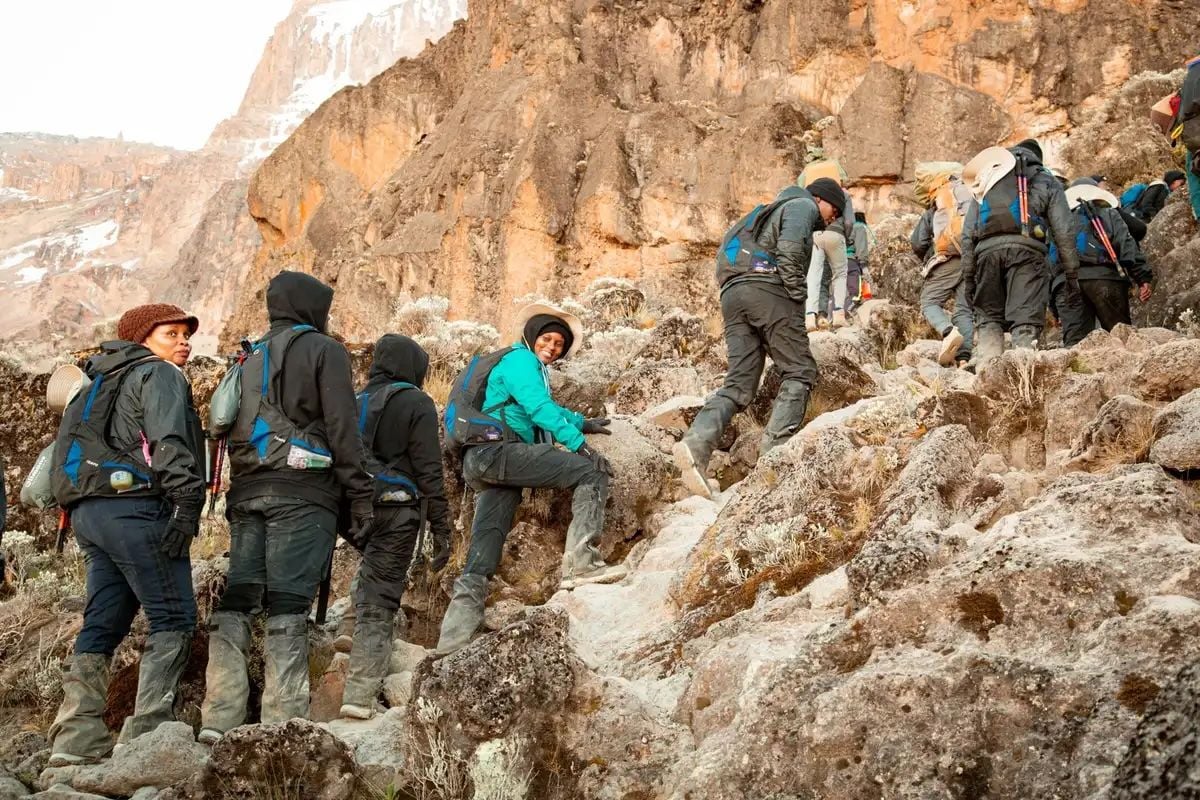
Climbing Kilimanjaro: Routes, Tips & Safari Combo Options
Climbing Mount Kilimanjaro is one of Africa’s most rewarding adventure experiences. Rising above Tanzania’s northern landscapes, the mountain offers travellers the chance to reach the highest summit in Africa.
Kilimanjaro stands at 5,895 metres above sea level. Its impressive height, changing ecosystems, and snow-covered summit attract trekkers from around the world.
A Kilimanjaro climb can also become part of a wider Tanzania safari. After several days on the mountain, travellers can continue to Serengeti National Park, Ngorongoro Crater, Tarangire, or other northern safari destinations.
Where Is Mount Kilimanjaro?
Mount Kilimanjaro stands in northern Tanzania, close to the border with Kenya. The mountain rises from the surrounding plains and dominates the landscape around Moshi and nearby communities.
Kilimanjaro lies within Kilimanjaro National Park. The protected area covers the mountain and its surrounding natural environment, including several distinct ecological zones.
Moshi is one of the main gateways for Kilimanjaro climbs. Arusha also works well as a starting point for travellers combining the mountain with a northern Tanzania safari.
The mountain’s location makes it easy to combine trekking with wildlife experiences. This combination allows travellers to experience both Tanzania’s high-altitude landscapes and its famous safari destinations.
How Difficult Is Climbing Kilimanjaro?
Climbing Kilimanjaro is physically demanding, but you do not need technical mountaineering skills for most standard routes. The main challenge comes from altitude, long trekking days, changing weather, and the steep summit ascent.
Altitude affects every climber differently. Even fit travellers can experience headaches, fatigue, nausea, or shortness of breath as they ascend.
Preparation therefore involves more than physical fitness. Choosing a route with a suitable itinerary, allowing enough time for acclimatization, and following your guides’ instructions can improve your chances of reaching the summit.
A gradual approach generally provides better acclimatization than rushing up the mountain. This is one reason longer routes often appeal to travellers who want a more comfortable and responsible climb.
Kilimanjaro’s Main Climbing Routes
Kilimanjaro has several established routes, each offering a different experience. The most commonly discussed routes include Machame, Marangu, Lemosho, Rongai, Northern Circuit, and Umbwe.
The routes differ in scenery, duration, accommodation style, traffic levels, and acclimatization opportunities. Your choice should therefore depend on more than simply selecting the shortest option.
Machame and Lemosho are especially popular among trekkers who want scenic landscapes and a gradual ascent. Marangu offers hut accommodation and a different trekking style.
Rongai approaches the mountain from the northern side, while the Northern Circuit provides a longer route around the mountain. Umbwe is steeper and more demanding, making it better suited to experienced trekkers.
Machame Route
The Machame Route is one of Kilimanjaro’s most popular trekking routes. It is often called the “Whiskey Route” and provides diverse scenery as it climbs through different ecological zones.
The route begins in rainforest before reaching higher moorland and alpine landscapes. Trekkers then continue toward the summit through increasingly rugged terrain.
Machame usually involves camping rather than sleeping in mountain huts. This creates a more immersive wilderness experience but requires travellers to adapt to several nights in tents.
The route also provides a useful acclimatization profile when trekked over a longer itinerary. Its combination of scenery and challenge makes it a popular choice for first-time Kilimanjaro trekkers.
Lemosho Route
The Lemosho Route is widely regarded as one of the most scenic approaches to Kilimanjaro. It begins on the western side of the mountain and passes through quieter sections before joining the southern circuit.
The longer approach provides more time for acclimatization. This can be helpful because altitude remains one of the biggest challenges on Kilimanjaro.
Lemosho also offers varied landscapes. Trekkers pass through rainforest, moorland, alpine desert, and high-altitude terrain before reaching the summit.
For travellers who have enough time, Lemosho can offer an excellent balance of scenery and acclimatization. It also works well for visitors who want a slower trekking experience before adding a safari.
Marangu Route
The Marangu Route is sometimes called the “Coca-Cola Route.” It remains one of the best-known Kilimanjaro routes and follows a relatively direct path toward the summit.
Unlike most other routes, Marangu uses mountain huts rather than tents. This can appeal to travellers who prefer a more structured sleeping arrangement.
The route may appear easier because of its gradual trail profile. However, the shorter ascent can provide less time for acclimatization, so altitude remains a serious consideration.
Marangu is suitable for travellers who prefer hut accommodation and a straightforward route. A longer itinerary can still improve acclimatization compared with rushing through the climb.
Rongai Route
The Rongai Route approaches Kilimanjaro from the northern side near the Kenyan border. It offers a different perspective from the southern and western routes.
The northern slopes generally receive less rainfall, which can make the route attractive during wetter periods. The landscape also tends to feel more remote in some sections.
Rongai provides a quieter alternative to some of the more popular routes. Trekkers may encounter fewer people during certain sections of the climb.
The route can also be combined with another descent route. This creates a more varied experience for travellers who want to see different sides of the mountain.
Northern Circuit Route
The Northern Circuit is Kilimanjaro’s longest main route. It takes a broad path around the northern side of the mountain before approaching the summit.
Its longer duration provides excellent opportunities for acclimatization. The route also offers extensive views and a quieter trekking experience.
The Northern Circuit suits travellers who have enough time and want to prioritize acclimatization. The additional days can also make the journey feel less rushed.
Although the route takes longer, the extra time can be valuable. A slower climb allows trekkers to adjust to altitude while enjoying the mountain’s changing landscapes.
Umbwe Route
The Umbwe Route is known for its steep and challenging profile. It reaches higher elevations relatively quickly and therefore requires careful consideration of altitude.
Experienced trekkers may appreciate its direct and demanding character. However, it is generally less suitable for beginners who have limited high-altitude trekking experience.
The route also provides dramatic scenery and a strong sense of adventure. Its steep sections require good fitness, careful footing, and confidence on challenging terrain.
Travellers choosing Umbwe should prioritize safety and acclimatization. A reputable operator can advise whether the route matches your experience and fitness.
Kilimanjaro Climbing Seasons
Kilimanjaro can be climbed throughout much of the year, but weather conditions vary significantly. The main trekking seasons generally correspond with the drier periods.
June through October often provides favourable trekking conditions. January through February can also offer relatively dry weather and good visibility.
The mountain has wet periods as well. Rain can make lower trails muddy and higher sections colder, while cloud can reduce visibility.
There is no guarantee of perfect weather during any month. Conditions can change rapidly at high altitude, so trekkers should prepare for cold, wind, rain, and sun.
How Many Days Do You Need to Climb Kilimanjaro?
Most successful Kilimanjaro itineraries take several days rather than attempting a rapid ascent. The exact duration depends on the route and the operator’s itinerary.
Longer climbs generally provide more time for acclimatization. They also allow trekkers to spread the physical effort across more days.
A five-day itinerary may look attractive because of its shorter duration, but it can provide less acclimatization time. Travellers should not choose a route only because it offers the fastest summit attempt.
For many visitors, seven to nine days provides a better balance between acclimatization, scenery, and physical challenge. Your guide can recommend the most appropriate schedule based on your route and circumstances.
Preparing Physically for Kilimanjaro
You should begin preparing several weeks or months before your climb. Regular walking, hiking, stair climbing, and cardiovascular exercise can help build endurance.
Longer weekend hikes are especially useful. They help your body adjust to spending several hours on your feet while carrying a daypack.
Strength training can also support your preparation. Focus on your legs, core, and overall stability rather than trying to build maximum strength.
Training should gradually increase rather than suddenly becoming intense. Consistency matters more than attempting extremely difficult workouts shortly before your departure.
Acclimatization and Altitude
Altitude is one of the most important factors on Kilimanjaro. As you climb higher, the air contains less available oxygen, which can cause altitude-related symptoms.
Common symptoms can include headache, tiredness, dizziness, reduced appetite, and nausea. More serious altitude illness can become dangerous and requires immediate attention.
The best approach is to ascend gradually and allow your body time to adjust. Guides monitor trekkers throughout the climb and can recommend rest, descent, or medical assistance when necessary.
Never ignore serious symptoms because you want to reach the summit. Your safety should always take priority over completing the itinerary.
The Importance of Walking Slowly
Kilimanjaro guides often encourage trekkers to walk slowly. The phrase “pole pole,” meaning “slowly slowly” in Swahili, captures an important part of the trekking approach.
A slow pace helps conserve energy and can support acclimatization. It also allows trekkers to maintain a steady rhythm during long days on the mountain.
Do not compare your pace with other climbers. Everyone responds differently to altitude, and the fastest person is not necessarily the most likely to reach the summit.
Following your guide’s pace can make the climb more manageable. It also gives you more time to appreciate the mountain environment.
What to Pack for Kilimanjaro
Packing for Kilimanjaro requires preparation for several climates. The lower slopes can feel warm, while the summit zone can become extremely cold and windy.
Layered clothing is essential. You should have moisture-wicking base layers, warm insulation, waterproof outer layers, gloves, a hat, and suitable trekking trousers.
Good hiking boots are equally important. Break them in before the climb to reduce the risk of blisters and discomfort.
Other useful items include a headlamp, water bottles or hydration system, sunglasses, sunscreen, trekking poles, personal medication, and a warm sleeping bag. Your operator should provide a detailed packing list before departure.
What Do You Eat on Kilimanjaro?
Food provides important energy during a Kilimanjaro climb. Meals usually focus on carbohydrates, protein, vegetables, fruit, and other foods that provide sustained energy.
Breakfast may include porridge, eggs, bread, fruit, or other simple foods. Lunch can include packed meals or hot food, while dinner is usually served at camp.
Hydration is equally important. Trekkers should drink regularly throughout the day and follow their guide’s advice about fluid intake.
Tell your operator about dietary restrictions before the climb. Many experienced operators can accommodate vegetarian, vegan, and other dietary requirements with advance notice.
Hiring a Kilimanjaro Guide
Climbing Kilimanjaro requires the support of licensed local guides and support staff. Choosing a reputable operator is therefore one of the most important decisions you will make.
Experienced guides understand the mountain, weather, altitude, and emergency procedures. They also monitor trekkers and can identify signs that someone may need to slow down or descend.
A strong operator should also treat porters fairly. Responsible trekking companies follow ethical porter practices and ensure staff receive appropriate support and working conditions.
Ask about guide experience, porter welfare, safety procedures, equipment, emergency plans, and group sizes before booking. A responsible operator should answer these questions clearly.
Reaching Uhuru Peak
Uhuru Peak is the highest point on Mount Kilimanjaro and stands at 5,895 metres above sea level. Reaching the summit is the defining moment for most climbers.
Summit night or summit day usually begins very early. Trekkers climb through darkness using headlamps before reaching the higher sections of the mountain.
The final ascent can be physically and mentally demanding. Cold temperatures, steep terrain, altitude, and fatigue make this section particularly challenging.
If weather and conditions allow, reaching the summit around sunrise can provide spectacular views. The sense of achievement after several days of trekking makes the moment especially powerful.
Kilimanjaro and Safari Combo Options
One of the best ways to extend a Kilimanjaro climb is with a northern Tanzania safari. The region contains several world-famous wildlife destinations within reasonable reach of the mountain.
A common combination includes Kilimanjaro, Tarangire National Park, Ngorongoro Crater, and Serengeti National Park. This itinerary allows travellers to combine mountain landscapes with some of Africa’s most famous wildlife.
You can also add Lake Manyara National Park for a shorter northern circuit. The exact combination depends on how much time you have after the climb.
Allow enough recovery time between the mountain and safari. A relaxed lodge stay can help your body recover before several days of game drives.
Kilimanjaro and Serengeti Safari
Combining Kilimanjaro with Serengeti National Park creates a spectacular Tanzania adventure. The mountain provides physical challenge, while the Serengeti offers extensive wildlife viewing across open plains.
A safari can include game drives looking for lions, elephants, cheetahs, leopards, buffalo, giraffes, and other wildlife. Depending on the season, you may also witness parts of the Great Migration.
The contrast between mountain trekking and game viewing makes the itinerary particularly rewarding. You move from high-altitude landscapes to the vast grasslands of northern Tanzania.
Consider spending a night or two recovering before beginning long game drives. This gives your body time to rest after the climb.
Kilimanjaro and Ngorongoro Crater
Ngorongoro Crater provides another excellent addition to a Kilimanjaro itinerary. The crater contains a remarkable concentration of wildlife within a dramatic volcanic landscape.
Game drives can provide opportunities to see lions, elephants, buffalo, hippos, flamingos, and other species. The crater’s compact ecosystem makes it a productive safari destination.
The combination with Kilimanjaro also creates an interesting geological journey. Both destinations reveal different aspects of Tanzania’s volcanic and natural history.
A few days on the mountain followed by Ngorongoro can provide a balanced adventure. You get the challenge of trekking before enjoying the more relaxed pace of wildlife viewing.
Kilimanjaro and Zanzibar
Travellers who want to finish their adventure at the beach can add Zanzibar to their itinerary. After climbing Kilimanjaro and exploring Tanzania’s northern parks, Zanzibar provides an opportunity to relax beside the Indian Ocean.
Stone Town offers a chance to explore Swahili history, architecture, food, and spice traditions. The island’s beaches then provide a peaceful setting for recovery.
This combination works particularly well for couples and honeymoon travellers. You can begin with adventure, continue with wildlife, and finish with several days of relaxation.
Flights between northern Tanzania and Zanzibar can make the combination practical. Your tour operator can help coordinate the mountain, safari, transfers, and island stay.
Kilimanjaro for Honeymooners
Kilimanjaro can form part of an adventurous honeymoon for couples who enjoy active travel. The experience creates a shared challenge and a memorable achievement.
After the climb, couples can continue to a safari lodge for several days of wildlife viewing. A Zanzibar beach stay can then provide a relaxing final chapter.
The itinerary should not be overly ambitious. Allow enough recovery time between the climb and other activities so that the experience remains enjoyable.
A private guide and carefully planned accommodation can also make the journey more comfortable. Couples can choose the route and safari style that best match their fitness and travel preferences.
Kilimanjaro and Responsible Tourism
Responsible tourism is important on Mount Kilimanjaro. The mountain receives many visitors, and tourism can place pressure on trails, campsites, wildlife, and local communities.
Choose an operator that follows responsible waste management practices. Avoid leaving plastic, food packaging, or other rubbish on the mountain.
Porter welfare also matters. Ethical operators provide fair treatment, appropriate equipment, reasonable loads, and proper working conditions.
Travellers can support responsible tourism by choosing reputable companies and respecting the mountain environment. Small decisions can help protect Kilimanjaro for future generations.
Common Mistakes to Avoid
One of the biggest mistakes is choosing the shortest possible itinerary. Saving a day or two may seem convenient, but additional acclimatization time can make a major difference.
Another common mistake is underestimating the cold. Kilimanjaro’s lower slopes may feel warm, but summit conditions can become extremely cold.
Poor footwear can also create problems. Blisters and foot pain can make long trekking days much harder, so boots should be comfortable and broken in before the climb.
Finally, do not ignore altitude symptoms. Communicate honestly with your guide and follow professional advice if you feel unwell.
Why Climb Kilimanjaro?
Kilimanjaro offers a rare opportunity to experience several ecological zones within one journey. You can begin among tropical vegetation and gradually enter moorland, alpine desert, and high-altitude landscapes.
The climb also provides a strong personal challenge. Reaching the summit requires patience, endurance, preparation, and teamwork.
For international travellers, the experience can become even more rewarding when combined with a Tanzania safari. Wildlife, culture, mountains, and beaches can all form part of the same journey.
Kilimanjaro is therefore more than a mountain climb. It can become the centrepiece of a wider African adventure that combines physical challenge with some of Tanzania’s most iconic experiences.
Plan Your Kilimanjaro Climb and Safari
Climbing Kilimanjaro requires careful preparation, but the rewards can be extraordinary. Choosing the right route, allowing enough time for acclimatization, preparing physically, and working with an experienced operator can make the experience safer and more enjoyable.
After reaching Uhuru Peak, continue your Tanzania adventure with a safari in Serengeti, Ngorongoro, Tarangire, or another northern park. You can then finish your journey with a relaxing stay in Zanzibar if you want to combine mountain adventure with the Indian Ocean.
Whether you are travelling alone, as a couple, with friends, or as part of a private group, Kilimanjaro can provide an unforgettable African experience. With responsible planning and enough time, you can combine Africa’s highest mountain with some of the continent’s finest wildlife and cultural experiences.