Poison Arrow Frog & Other Rare African Amphibians on Safari
November 5, 2026
Nocturnal Animals of Africa
November 5, 2026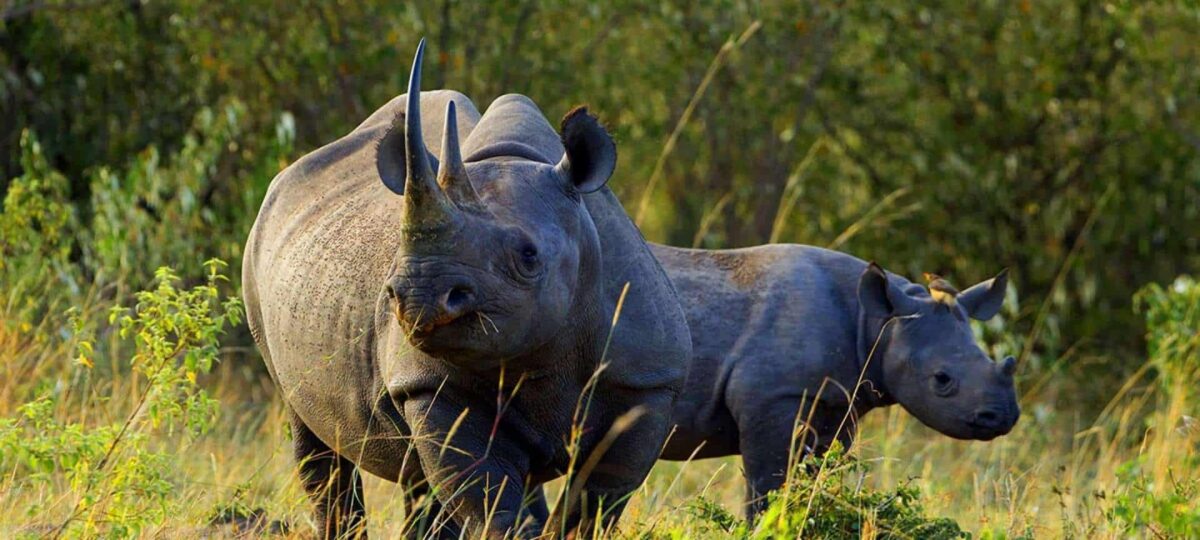
Africa’s Most Endangered Animals & Where to See Them
Africa supports extraordinary wildlife diversity, but many of its most remarkable animals face serious threats from habitat loss, illegal killing, human-wildlife conflict, and environmental change. Some species have declined to critically low population levels, while others survive in fragmented habitats that make long-term conservation increasingly difficult. Understanding Africa’s most endangered animals and where to see them helps travellers appreciate the importance of protecting the continent’s remaining wildlife populations.
Wildlife conservation involves more than preventing individual animals from disappearing. Healthy ecosystems depend on relationships between predators, herbivores, vegetation, and the communities that share surrounding landscapes. When species decline, these relationships can change in ways that affect entire habitats.
Responsible safari tourism can support conservation by generating revenue for protected areas and creating economic opportunities linked to wildlife protection. However, tourism alone cannot resolve every threat, and some endangered animals remain unsuitable for conventional viewing experiences. Travellers should choose destinations and activities that prioritise conservation, animal welfare, and community participation.
Understanding Endangered Wildlife in Africa
Conservation organisations assess extinction risk using scientific information about population trends, geographical distribution, habitat conditions, and threats. The International Union for Conservation of Nature maintains the Red List of Threatened Species, which categorises animals according to their assessed risk of extinction. Species classified as Vulnerable, Endangered, or Critically Endangered fall within the broader group considered threatened.
These categories describe different levels of risk rather than providing a simple ranking of how rare an animal appears during a safari. A species may occupy a relatively large geographical area but still face significant population declines. Another may survive in a very restricted region where a single major threat could affect much of its population.
Conservation assessments can also change as researchers obtain new information or populations respond to management efforts. Travellers should therefore consult current scientific sources when seeking precise population figures or conservation classifications. Understanding these distinctions helps create a more accurate picture of Africa’s endangered wildlife.
The African Forest Elephant
African forest elephants inhabit tropical forests across parts of Central and West Africa. They differ from African savannah elephants in body size, habitat preferences, and several physical characteristics. Their role in seed dispersal makes them particularly important to forest ecosystems.
The IUCN classifies the African forest elephant as Critically Endangered, reflecting severe population declines associated with poaching and habitat loss. Illegal ivory trade has placed substantial pressure on populations, while expanding human activities have fragmented important forest habitats. Conservation programmes focus on law enforcement, habitat protection, and reducing conflict with nearby communities.
Forest elephants are difficult to observe because they occupy dense tropical habitats. Gabon’s protected areas, including Ivindo and Loango, provide conservation settings where visitors may encounter forest wildlife through suitable guided experiences. Sightings remain unpredictable, and travellers should choose responsible operators that follow park regulations.
The African Savannah Elephant
African savannah elephants occupy grasslands, woodlands, and other habitats across parts of sub-Saharan Africa. Their large size and complex family relationships make them among the continent’s most recognisable mammals. They also influence ecosystems through vegetation modification, seed dispersal, and movement across extensive landscapes.
The IUCN classifies the African savannah elephant as Endangered, although population conditions vary substantially between regions. Some protected areas support relatively strong populations, while others face severe pressure from habitat fragmentation and illegal killing. Human-elephant conflict also creates challenges where animals move near farms and settlements.
Travellers can observe savannah elephants in destinations such as Botswana’s Chobe National Park, South Africa’s Kruger National Park, and Kenya’s Amboseli National Park. These locations offer opportunities to watch family interactions and natural feeding behaviour. Responsible viewing helps reduce disturbance while supporting conservation awareness.
The Black Rhinoceros
The black rhinoceros is one of Africa’s most threatened large mammals and remains a major focus of conservation programmes. The species occupies selected savannah, woodland, and semi-arid habitats where it feeds primarily on woody vegetation. Its hooked upper lip helps it browse leaves and branches.
The IUCN classifies the black rhinoceros as Critically Endangered, reflecting historical declines driven largely by poaching. Conservation authorities have invested heavily in anti-poaching protection, monitoring, and carefully managed population recovery programmes. Some populations have increased, but the species remains vulnerable to illegal wildlife trade.
Namibia provides important opportunities to learn about black rhino conservation, particularly through protected areas and specialised conservation initiatives. South Africa and Kenya also support significant conservation programmes. Travellers should follow strict guidance because rhino locations and security arrangements may require confidentiality.
The White Rhinoceros
White rhinoceroses are large grazing mammals that occupy suitable grassland and savannah habitats. Their broad mouths allow them to feed efficiently on short grasses, distinguishing their feeding strategy from that of black rhinoceroses. They remain important attractions within several southern African wildlife reserves.
The species faces continuing pressure from poaching, particularly where illegal demand for rhino horn threatens protected populations. The southern white rhinoceros has benefited from substantial conservation efforts, although recent declines remain a serious concern. The northern white rhinoceros is functionally extinct in the wild, with only two known females remaining and conservation efforts involving advanced reproductive research.
Travellers may encounter southern white rhinoceroses in selected South African reserves, including Hluhluwe-iMfolozi Park and protected areas associated with Kruger National Park. Wildlife-viewing arrangements should always respect security restrictions. Supporting responsible conservation tourism can help reinforce the value of protecting these animals.
The African Wild Dog
African wild dogs are highly social predators that live in cooperative packs and hunt using coordinated movement. Their distinctive patterned coats make individuals recognisable, while their strong social relationships support hunting and pup care. The species occupies selected savannah and woodland habitats across sub-Saharan Africa.
The IUCN classifies African wild dogs as Endangered because of population fragmentation and continuing threats. Habitat loss, conflict with people, disease, and accidental mortality affect populations across their range. Their need for extensive connected landscapes makes conservation particularly challenging.
Botswana’s Okavango Delta and Moremi Game Reserve offer rewarding opportunities to observe wild dogs in natural habitats. South Africa’s Kruger National Park and selected reserves also support populations, while Zambia and Zimbabwe contain important conservation areas. Sightings depend on pack movements and cannot be guaranteed.
The Cheetah
Cheetahs are famous for their extraordinary sprinting abilities, but their conservation challenges extend far beyond hunting performance. The species occupies open and lightly wooded habitats where suitable prey and sufficient space support its survival. Cheetahs generally occur at relatively low densities, making extensive landscapes important for maintaining populations.
The IUCN classifies the cheetah as Vulnerable, with habitat fragmentation, declining prey populations, and conflict with people contributing to its threats. Many cheetahs live outside formally protected areas, where they may encounter livestock and expanding agricultural activity. Conservation programmes therefore emphasise coexistence and habitat connectivity.
Namibia remains an important country for cheetah conservation, while Botswana, Kenya, Tanzania, and South Africa provide opportunities for responsible wildlife viewing. Travellers may observe cheetahs in the Serengeti, Maasai Mara, or selected southern African reserves. Ethical safaris avoid activities that interfere with hunting or encourage unnatural behaviour.
The Mountain Gorilla
Mountain gorillas live in high-altitude forests within the Virunga Massif and Uganda’s Bwindi Impenetrable National Park. Their complex social relationships and close genetic connection to humans make them among Africa’s most remarkable primates. Gorilla families generally contain a dominant silverback, adult females, younger males, and dependent offspring.
Mountain gorillas represent an important conservation success because sustained protection has helped their numbers recover from historically low levels. However, their restricted geographical distribution means they remain vulnerable to habitat pressures, disease, and human disturbance. The mountain gorilla is a subspecies of the eastern gorilla, which the IUCN classifies as Critically Endangered at the species level.
Travellers can participate in regulated gorilla trekking experiences in Uganda and Rwanda. Permits, group-size limits, and visitor health rules help manage tourism impacts. Responsible trekking supports conservation funding and local economic opportunities while protecting the animals from unnecessary disturbance.
The Grauer’s Gorilla
Grauer’s gorillas, also known as eastern lowland gorillas, occur in the Democratic Republic of Congo. They inhabit forest environments that support their feeding, movement, and social behaviour. This subspecies differs from mountain gorillas in geographical distribution and ecological conditions.
Grauer’s gorillas have experienced serious population declines associated with habitat loss, hunting, and instability affecting parts of their range. Conservation efforts face additional challenges because some habitats lie within regions where access and security conditions can change. Protecting these gorillas requires long-term habitat management and community engagement.
Kahuzi-Biega National Park is an important conservation area associated with Grauer’s gorillas. However, tourism access must depend on current security conditions and official park guidance. Travellers should never assume that trekking activities remain available without verification.
The African Penguin
African penguins inhabit coastal areas of southern Africa, particularly along the shores of South Africa and Namibia. Unlike penguins associated with polar environments, these birds live within a marine ecosystem influenced by the cold Benguela Current. They depend on suitable fish populations and secure breeding habitats.
The IUCN now classifies the African penguin as Critically Endangered following severe population declines. Reduced prey availability, fishing pressures, habitat disturbance, and other environmental challenges have affected breeding success and survival. Conservation organisations continue working to protect colonies and improve marine conditions.
Boulders Beach near Simon’s Town provides one of South Africa’s best-known opportunities to observe African penguins. Visitors can use designated boardwalks and viewing areas to watch birds without entering sensitive nesting habitats. Responsible tourism helps protect the colony while raising awareness of the species’ conservation needs.
The Ethiopian Wolf
The Ethiopian wolf is one of Africa’s rarest carnivores and occupies high-altitude Afroalpine habitats in Ethiopia. Its slender body, reddish coat, and specialised hunting behaviour distinguish it from other African canids. The species primarily hunts rodents within open mountain landscapes.
The IUCN classifies the Ethiopian wolf as Endangered because of its restricted range and continuing threats. Habitat loss, disease transmission from domestic dogs, and small population sizes create significant conservation challenges. Monitoring and vaccination programmes form important parts of protection efforts.
Bale Mountains National Park provides one of the best-known settings for observing Ethiopian wolves. Guided excursions can introduce travellers to the unique ecology of the Afroalpine environment. Sightings remain dependent on natural behaviour and prevailing conditions.
The Addax
The addax is a desert antelope adapted to extremely dry environments. Its pale coat, broad hooves, and specialised physiology help it survive in habitats where water and vegetation remain scarce. Historically, the species occupied extensive areas of the Sahara.
The IUCN classifies the addax as Critically Endangered because wild populations have declined dramatically. Hunting, habitat disturbance, and other pressures have reduced its distribution to extremely limited areas. Conservation breeding and reintroduction initiatives aim to improve its prospects.
The addax is not a realistic target for conventional African safari itineraries because wild populations remain exceptionally rare. Travellers interested in the species should focus on credible conservation information rather than expecting sightings. Its situation demonstrates the urgency of protecting desert biodiversity.
The Northern Giraffe and Threatened Giraffe Populations
Giraffes are among Africa’s most recognisable herbivores, but their conservation status varies between populations and taxonomic classifications. Some giraffe populations have declined because of habitat loss, illegal hunting, and fragmentation. Conservation organisations increasingly emphasise the importance of protecting distinct regional populations.
Northern giraffe populations have faced particular conservation concerns in several areas. Their survival depends on suitable woodland habitats and the ability to move between feeding areas. Conservation programmes include population monitoring, habitat protection, and carefully managed translocations.
Travellers can observe giraffes across numerous African safari destinations, but sightings alone do not reveal the conservation status of a particular population. Guides can explain regional differences and the challenges facing giraffes in different ecosystems. This information adds important context to wildlife encounters.
Why Habitat Loss Threatens African Wildlife
Habitat loss remains one of the most widespread threats affecting African wildlife. Agricultural expansion, infrastructure development, settlement growth, and other land-use changes can reduce the space available to animals. Fragmentation also separates populations and restricts natural movement.
Large mammals and wide-ranging predators are particularly affected when movement corridors disappear. Animals may encounter people more frequently as they search for food, water, or breeding opportunities. These interactions can create conflict that threatens both wildlife and local livelihoods.
Conservation planning increasingly considers landscapes beyond national park boundaries. Wildlife corridors, community conservancies, and sustainable land management can help maintain ecological connections. Effective protection requires cooperation between governments, conservation organisations, and local communities.
The Impact of Poaching and Illegal Wildlife Trade
Illegal wildlife trade continues to threaten several African species, particularly those targeted for valuable body parts. Rhinoceroses and elephants have experienced substantial pressure associated with demand for horn and ivory. Other species face hunting for meat, skins, or different commercial purposes.
Anti-poaching efforts include ranger patrols, intelligence gathering, law enforcement, and community partnerships. Technology can support monitoring, but successful conservation also depends on reducing demand and addressing the economic pressures that contribute to illegal activities. No single intervention can resolve every aspect of wildlife crime.
Travellers can support conservation by avoiding products made from threatened wildlife and choosing ethical tourism experiences. Responsible purchasing decisions reduce incentives for exploitation. Supporting credible conservation organisations can also contribute to long-term protection efforts.
How Climate Change Affects Endangered Species
Climate change can influence African wildlife through changing rainfall patterns, rising temperatures, and increasing environmental uncertainty. These changes may alter vegetation, water availability, and the distribution of suitable habitats. Species with restricted ranges or specialised ecological requirements may face particular challenges.
Droughts can place pressure on herbivores and the predators that depend on them. Changing marine conditions may affect fish populations and species such as African penguins. Mountain and forest ecosystems can also experience shifts that influence wildlife survival.
Conservation strategies increasingly consider how environmental conditions may change over time. Protecting connected habitats can provide opportunities for animals to adjust their movements. Continued research helps identify populations that require additional support.
Where to See Endangered Animals Responsibly
South Africa offers opportunities to observe rhinoceroses, African penguins, wild dogs, and other threatened wildlife within established protected areas. Botswana provides important habitats for elephants, cheetahs, and African wild dogs, while Namibia supports major conservation initiatives involving black rhinoceroses and desert-adapted species. These destinations allow travellers to combine wildlife viewing with learning about conservation.
Uganda and Rwanda provide regulated mountain gorilla trekking experiences, while Ethiopia offers opportunities to explore Ethiopian wolf habitats. Gabon’s protected forests support important populations of forest elephants and other threatened species. Each destination requires different travel arrangements and conservation considerations.
Travellers should remember that endangered species are often difficult to observe precisely because their populations remain small or their habitats are inaccessible. Responsible operators avoid promising guaranteed sightings or encouraging activities that disturb vulnerable animals. Conservation-focused travel values the protection of wildlife above the pursuit of photographs.
How Safari Tourism Supports Conservation
Safari tourism can generate revenue that contributes to protected-area management, ranger operations, and conservation infrastructure. Accommodation providers and guiding businesses may also create employment opportunities for communities near wildlife habitats. These economic benefits can strengthen incentives to maintain natural ecosystems.
However, tourism benefits depend on how operators manage activities and distribute economic opportunities. Poorly regulated tourism can disturb wildlife, damage habitats, or exclude nearby communities from meaningful participation. Responsible tourism requires clear standards and ongoing accountability.
Travellers can make informed choices by selecting operators that respect wildlife-viewing rules and support conservation initiatives. Asking about community employment, environmental practices, and protected-area contributions can help identify responsible businesses. These decisions allow tourism to play a constructive role in wildlife protection.
The Importance of Community-Based Conservation
Communities living near wildlife habitats often experience both the benefits and costs of conservation. Animals may damage crops, threaten livestock, or compete for resources, creating understandable concerns for residents. Conservation programmes must address these realities to achieve lasting success.
Community-based conservation initiatives seek to involve residents in decision-making and provide meaningful benefits from wildlife protection. Employment, tourism revenue, education, and conflict-prevention measures can support cooperation. The effectiveness of these programmes depends on local circumstances and fair participation.
Successful conservation recognises that wildlife protection and human well-being are closely connected. Communities require secure livelihoods and practical ways to coexist with animals. Supporting these needs strengthens the long-term prospects of endangered species.
Planning a Conservation-Focused African Safari
A conservation-focused safari begins with choosing destinations that support meaningful wildlife protection. Travellers should consider the species they want to observe, the quality of guiding, and the conservation practices associated with accommodation providers. Allowing enough time in each destination creates opportunities for deeper learning.
Visitors may also include educational activities that explain local conservation programmes. Guided nature walks, ranger talks, and visits to credible conservation initiatives can provide valuable context. These experiences help travellers understand the challenges involved in protecting threatened wildlife.
A well-planned itinerary balances wildlife viewing with realistic expectations. Some endangered animals remain elusive, and others occupy areas where tourism access is restricted. Respecting these limitations is an essential part of responsible conservation travel.
Plan Your Safari
Africa’s most endangered animals represent an extraordinary part of the continent’s natural heritage. From black rhinoceroses and African wild dogs to forest elephants, mountain gorillas, and African penguins, these species face different challenges that require sustained conservation efforts. Learning about their habitats and behaviour helps travellers understand why protecting wildlife remains so important.
Southern Africa Tours can arrange conservation-focused safaris in South Africa, Botswana, Namibia, Zambia, and other African destinations. Our itineraries emphasise responsible wildlife viewing, knowledgeable guides, and carefully selected accommodation. Contact Southern Africa Tours to plan a journey that combines memorable wildlife encounters with a deeper appreciation of African conservation.