The African Python
November 5, 2026
Africa’s Most Endangered Animals & Where to See Them
November 5, 2026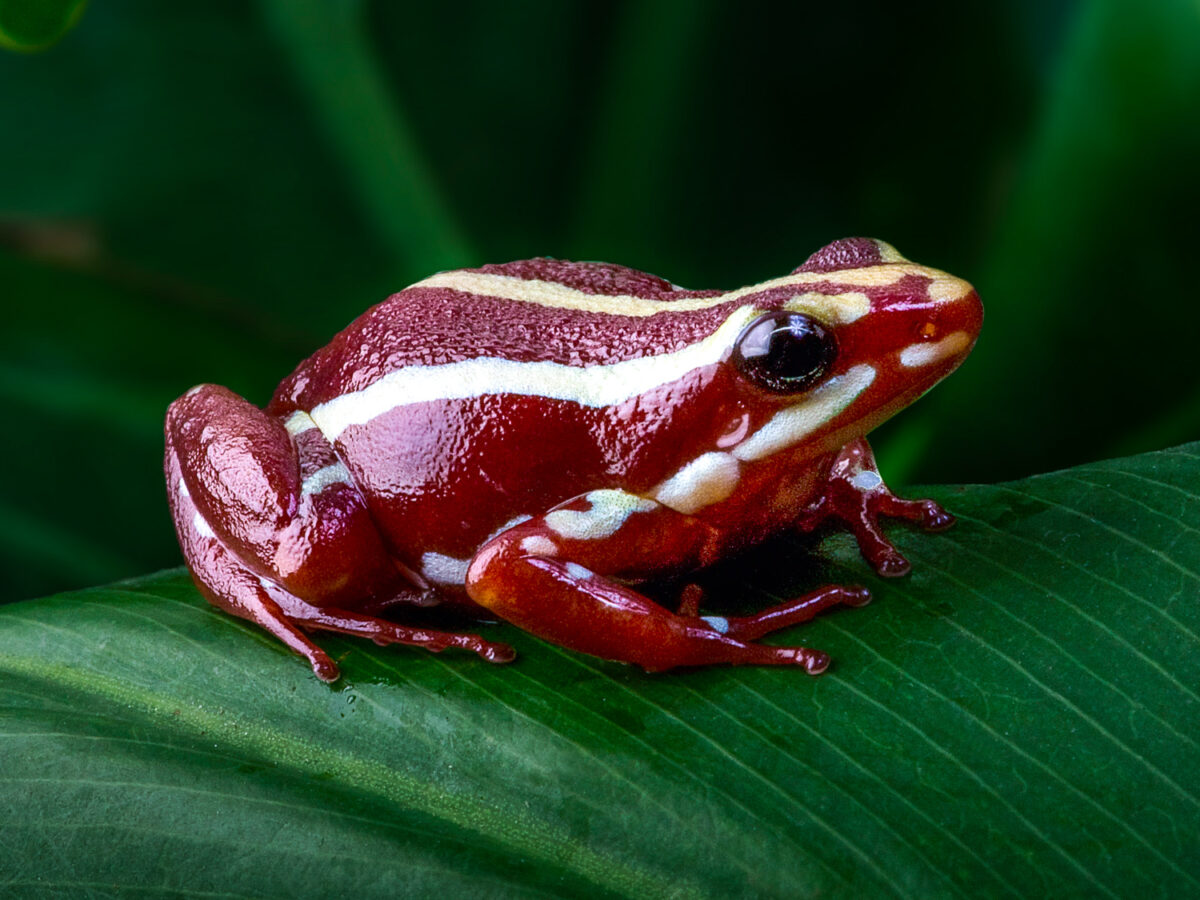
Poison Arrow Frog & Other Rare African Amphibians on Safari
Africa’s amphibians represent one of the continent’s most overlooked wildlife groups, occupying habitats that range from tropical rainforests and mountain streams to seasonal wetlands and dry savannahs. Frogs, toads, and other amphibians contribute to ecological processes through insect consumption, nutrient cycling, and their roles as prey for birds, reptiles, and mammals. Exploring rare amphibians Africa safari guide experiences introduces travellers to wildlife that often remains hidden beneath vegetation, beside streams, or within forest leaf litter.
Although the title refers to poison arrow frogs, an important distinction helps explain African amphibian diversity. True poison dart frogs, also called poison arrow frogs, belong to a group native to Central and South America rather than Africa. Africa nevertheless supports numerous fascinating amphibians, including species with toxic skin secretions, brightly coloured warning patterns, unusual reproductive strategies, and highly restricted geographical ranges.
For travellers interested in biodiversity, amphibian observation provides a rewarding complement to conventional Big Five safaris. Guided rainforest walks, wetland excursions, and specialist herpetology experiences can reveal species that visitors might otherwise overlook. These encounters also highlight the importance of conserving freshwater habitats and the surrounding vegetation.
Understanding Africa’s Amphibian Diversity
African amphibians occupy a remarkable variety of environments, reflecting the continent’s diverse climates and landscapes. Tropical forests support species adapted to moist vegetation and shaded streams, while savannahs contain frogs that emerge during seasonal rainfall. Mountain environments provide habitats for specialised amphibians that may occur nowhere else.
Most African amphibians depend on moisture during at least part of their lives, although reproductive strategies vary considerably. Many frogs lay eggs in water, where tadpoles develop before transforming into adults. Other species use vegetation, temporary pools, or specialised breeding sites to protect their young.
Amphibians also serve as indicators of environmental change because many species possess permeable skin and depend on particular moisture conditions. Pollution, habitat disturbance, and altered rainfall can affect their survival. Protecting amphibian habitats therefore contributes to broader ecosystem conservation.
Are Poison Arrow Frogs Found in Africa?
True poison dart frogs belong primarily to the family Dendrobatidae and occur naturally in the Americas. They are especially associated with tropical forests of Central and South America, where several species display bright warning colours and possess chemical defences. These frogs do not form part of Africa’s native amphibian fauna.
The term poison arrow frog developed from the historical use of toxic secretions from certain American frogs on hunting darts. However, not every poison dart frog possesses the same level of toxicity, and the use of toxins differs between species. Their biology should not be confused with that of African frogs that have evolved separate defensive adaptations.
Africa contains its own chemically defended amphibians, including some species with conspicuous colour patterns. These animals evolved independently and occupy different ecological relationships. Understanding the distinction helps travellers appreciate African amphibians without repeating misleading comparisons.
African Frogs with Toxic Skin Secretions
Several African amphibians produce skin secretions that discourage predators or provide protection against microorganisms. These chemicals vary widely in composition and biological effect. Their presence does not mean that every species poses a serious danger to people, but visitors should avoid handling unfamiliar frogs.
Certain African toads possess prominent glands that produce defensive secretions. Predators attempting to bite these animals may experience unpleasant effects that discourage further attacks. These adaptations contribute to survival in environments containing snakes, birds, and small mammals.
Researchers study amphibian skin chemistry because it reveals interesting relationships between ecology, evolution, and physiology. However, laboratory findings do not justify collecting animals or experimenting with their secretions. Responsible observation keeps amphibians within their natural habitats.
The African Clawed Frog
The African clawed frog is among the continent’s best-known amphibians because of its unusual appearance and importance in biological research. It possesses a flattened body, strong hind legs, and claws on several toes that help it manipulate food. Unlike many familiar frogs, it spends much of its life in water.
African clawed frogs inhabit suitable freshwater environments and feed on a variety of aquatic organisms. Their ability to survive in different water conditions has contributed to their broad distribution in parts of Africa. Human introductions have also established populations outside their native range, sometimes creating ecological problems.
The species played an important historical role in scientific research, including studies of embryonic development. Its widespread use in laboratories contributed to knowledge of vertebrate biology. In natural habitats, however, it remains an important component of freshwater food webs.
The Goliath Frog of Central Africa
The goliath frog is widely recognised as the world’s largest living frog species. It occurs in parts of Cameroon and Equatorial Guinea, where it depends on suitable riverine habitats. Its extraordinary size distinguishes it from most other amphibians and makes it an important subject of conservation interest.
Goliath frogs inhabit flowing freshwater environments associated with forest landscapes. Researchers have documented specialised reproductive behaviour involving the preparation of nesting sites near water. These behaviours demonstrate that amphibian parental investment can involve considerable effort.
Habitat disturbance and hunting have contributed to conservation concerns for the species. Its restricted distribution makes environmental protection particularly important. Travellers should not expect ordinary safari itineraries to provide reliable sightings because the frog occupies specialised habitats and requires careful conservation management.
The Purple Frog and Africa’s Unusual Burrowing Amphibians
Although the famous purple frog belongs to India rather than Africa, the continent supports several remarkable burrowing amphibians. Some African frogs spend much of their lives underground and emerge during suitable rainfall conditions. Their behaviour allows them to survive in environments where surface moisture is unreliable.
Burrowing frogs may possess compact bodies and powerful limbs adapted to digging. They often become most visible during breeding periods when rainfall creates temporary pools. These seasonal appearances can make them seem rare even where suitable populations exist.
Understanding burrowing behaviour reveals how amphibians survive in dry African landscapes. Many species avoid prolonged exposure to heat by remaining beneath the soil. Their dependence on seasonal rainfall also makes them vulnerable to changes in climate and habitat conditions.
African Bullfrogs and Their Remarkable Behaviour
The African bullfrog is one of the continent’s most impressive amphibians, recognised for its substantial size and powerful build. It occupies suitable savannah and grassland habitats, particularly in southern Africa. Much of its activity follows seasonal rainfall, when temporary pools provide opportunities for breeding.
Male African bullfrogs can display territorial behaviour around breeding sites and may defend developing offspring. Researchers have observed adults responding to environmental conditions that threaten tadpoles. These behaviours make the species especially interesting for travellers studying amphibian reproduction.
During dry periods, African bullfrogs may remain underground for extended periods. Their ability to reduce activity helps them survive unfavourable conditions. Rainfall can trigger sudden appearances, creating opportunities for observation that may last only a limited time.
Reed Frogs and Their Extraordinary Colours
African reed frogs include numerous species associated with vegetation near wetlands, streams, and seasonal pools. Many possess attractive colours and patterns that vary between species, populations, and sometimes individuals. Their small size and ability to remain concealed make them challenging to locate.
Reed frogs often become more active during humid evenings when conditions favour feeding and reproduction. Their calls contribute to the distinctive sounds of African wetlands. Guides familiar with local amphibians can identify species through vocalisations and habitat preferences.
These frogs demonstrate the importance of maintaining healthy vegetation around freshwater habitats. Removing reeds and other plants can reduce shelter and breeding opportunities. Wetland conservation therefore protects both amphibians and the wider wildlife community.
The Kihansi Spray Toad
The Kihansi spray toad is an extraordinary example of an amphibian with highly specialised habitat requirements. It originally occupied a very small spray-zone environment near the Kihansi River in Tanzania. Its dependence on constant moisture made it exceptionally vulnerable to changes in local water conditions.
Changes associated with river management severely affected its natural habitat, contributing to the disappearance of the wild population. Conservation breeding programmes helped preserve the species and supported efforts to reintroduce animals. The story demonstrates both the vulnerability of specialised amphibians and the potential value of coordinated conservation.
The Kihansi spray toad is not a conventional safari attraction. Its significance lies in conservation research and habitat restoration rather than routine visitor encounters. Learning about the species helps travellers understand how small environmental changes can threaten highly restricted populations.
The Golden Frog of South Africa
South Africa supports several highly localised amphibians, including species associated with mountain wetlands and specialised vegetation. The Table Mountain ghost frog, for example, occupies suitable streams and moist habitats within the Cape region. Its limited distribution creates conservation concerns when freshwater environments experience disturbance.
Ghost frogs possess adaptations that help them occupy flowing water habitats. Their tadpoles can cling to rocky surfaces in streams, reducing the risk of being swept away. These characteristics demonstrate how amphibians adapt to demanding aquatic environments.
Visitors exploring mountain habitats may learn about these frogs through guided ecological experiences. However, protected populations should not be disturbed or removed from their environments. Responsible tourism emphasises habitat appreciation rather than direct handling.
Amphibians of the Congo Basin Rainforest
The Congo Basin supports extensive tropical forests containing a rich diversity of amphibians. Moist forest floors, streams, swamps, and vegetation provide suitable habitats for numerous frog species. Some remain poorly studied because of the challenges associated with surveying remote rainforest environments.
Forest frogs often rely on camouflage, specialised calls, and reproductive adaptations to survive. Their presence contributes to insect regulation and food webs involving snakes, birds, and small mammals. These relationships make amphibians important components of tropical forest ecosystems.
Conservation challenges include forest clearance, mining, infrastructure development, and changes in freshwater conditions. Protecting large connected habitats helps maintain the environmental processes amphibians require. Responsible rainforest tourism can contribute to conservation awareness when it follows appropriate ecological guidelines.
Amphibians of Madagascar
Madagascar is internationally recognised for its extraordinary amphibian diversity and high levels of endemism. Many frog species occur nowhere else, reflecting the island’s long evolutionary isolation. Their colours, calls, and reproductive strategies attract researchers and specialist wildlife travellers.
Mantella frogs are particularly famous for their bright colours and chemical defences. They resemble some American poison dart frogs in appearance, but they belong to a different evolutionary lineage. Their striking patterns provide an excellent example of similar adaptations evolving independently.
Madagascar’s amphibians face serious threats from habitat loss and environmental change. Forest conservation remains essential because many species occupy small geographical ranges. Specialist guided walks can introduce travellers to these remarkable animals without disturbing sensitive habitats.
Why Amphibians Become Active After Rainfall
Rainfall strongly influences amphibian behaviour across many African environments. Moist conditions reduce the risk of dehydration and create temporary breeding opportunities. Frogs may begin calling, moving, and gathering around water soon after suitable rain.
Seasonal pools can support rapid reproductive activity because they provide temporary habitats for eggs and tadpoles. However, these pools may dry before development finishes, creating challenges for amphibians. Different species use specialised strategies to manage these risks.
Travellers interested in amphibian observation should consider seasonal rainfall patterns when planning their itineraries. Wet periods often provide greater opportunities for hearing and seeing frogs. However, heavy rain can also affect access to forest trails and remote destinations.
How to Observe African Amphibians Responsibly
Amphibian observation requires patience and careful attention to suitable habitats. Guided walks near wetlands, forest streams, and vegetation can reveal species that remain hidden during ordinary sightseeing. Listening for calls often provides the first indication of their presence.
Visitors should avoid handling amphibians because human skin products, oils, and other substances can harm sensitive animals. Moving frogs between habitats can also spread pathogens. Photography should take place without repositioning animals or damaging surrounding vegetation.
Guides can help identify species while maintaining appropriate conservation practices. Some habitats require permits or specialised access arrangements. Respecting these requirements protects amphibians and the environments they occupy.
Threats Facing Africa’s Rare Amphibians
Habitat loss remains a major threat to amphibians across Africa. Forest clearance, wetland drainage, pollution, and infrastructure development can destroy breeding sites and reduce suitable shelter. Species with restricted ranges face particular risks when environmental conditions change.
Amphibian diseases also create conservation concerns. Chytrid fungi have affected amphibian populations in different parts of the world, including Africa. Monitoring and biosecurity measures help researchers understand and reduce disease transmission.
Climate change may alter rainfall patterns and temperature conditions that influence amphibian reproduction. Protecting intact habitats and freshwater systems can improve the resilience of vulnerable populations. Conservation efforts require scientific research and cooperation with local communities.
Where to See Rare Amphibians in Africa
Madagascar provides some of the continent’s most rewarding specialist amphibian experiences, particularly in rainforest reserves with knowledgeable guides. South Africa’s Cape region offers opportunities to learn about endemic frogs and mountain-stream habitats. Tanzania and parts of Central Africa also support unusual amphibians associated with specialised environments.
Conventional safari destinations may reveal frogs around seasonal wetlands and waterholes, especially during rainy periods. Botswana’s Okavango Delta, Zambia’s wetlands, and South Africa’s protected landscapes support amphibian diversity. Sightings depend on season, habitat, and guiding expertise.
Travellers should select destinations according to their interests and realistic viewing opportunities. Rare species often require specialist excursions rather than ordinary game drives. A conservation-focused itinerary can combine amphibian observation with broader wildlife and habitat experiences.
Plan Your Safari
Africa’s amphibians reveal an extraordinary world of specialised adaptations, unusual reproductive strategies, and ecological relationships. From giant frogs and colourful mantellas to burrowing bullfrogs and delicate reed frogs, these animals contribute significantly to the continent’s biodiversity. Their conservation also highlights the importance of protecting forests, wetlands, and freshwater systems.
Southern Africa Tours can help travellers explore wildlife destinations where amphibians form part of a broader nature experience. Our itineraries can combine guided forest walks, wetland excursions, and responsible wildlife observation in suitable destinations. Contact Southern Africa Tours to plan a safari that explores Africa’s remarkable biodiversity beyond the Big Five.