

How to Get from Johannesburg to Kruger National Park
August 18, 2026
Table Mountain Guide
August 18, 2026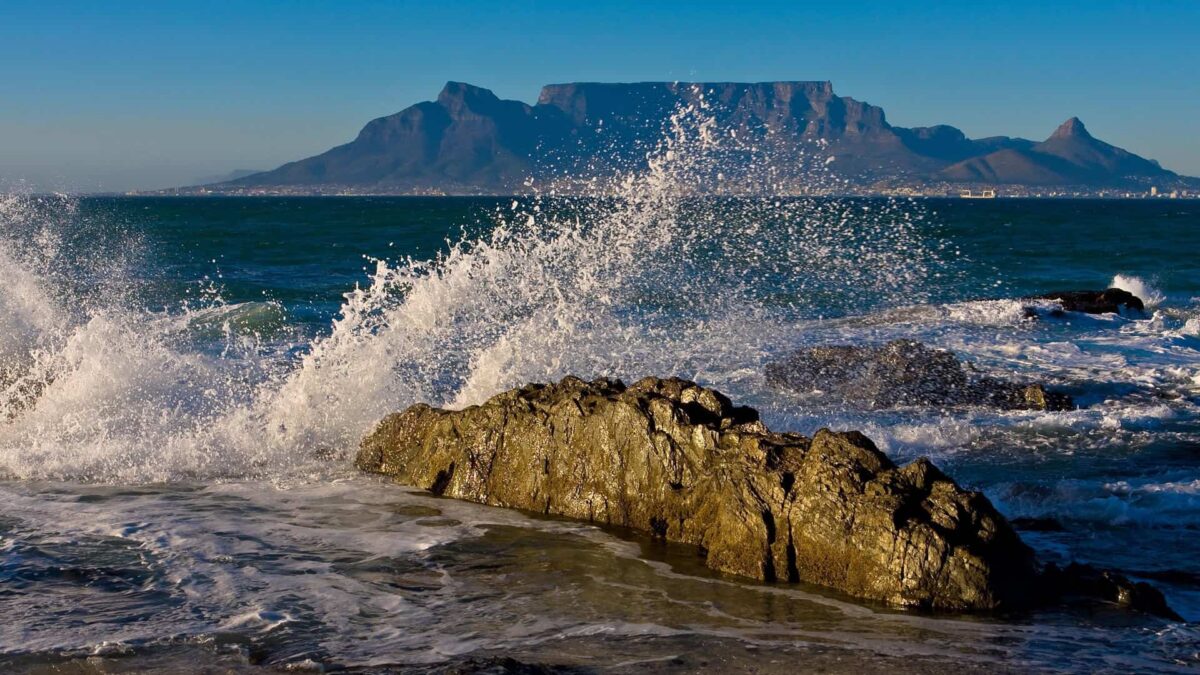
Robben Island: Mandela’s Prison & South Africa’s History
Robben Island stands as one of South Africa’s most important historical sites. Located off the coast of Cape Town, the island carries a powerful story of imprisonment, resistance, political struggle, and freedom.
The island became internationally famous because Nelson Mandela spent 18 years of his 27-year imprisonment there. However, Robben Island tells a much broader story that includes political prisoners, colonial rule, apartheid, and the people who fought against oppression.
Today, Robben Island welcomes visitors who want to understand South Africa’s past and its journey toward democracy.
Where Is Robben Island?
Robben Island lies about 7 kilometres from Cape Town’s coastline. You can see the island from parts of the city and Table Mountain on clear days.
The island covers roughly 5 square kilometres and has a relatively flat landscape. Despite its peaceful appearance today, it once served as a place of imprisonment and isolation.
Ferries usually depart from the Nelson Mandela Gateway at the V&A Waterfront. The journey across Table Bay also provides beautiful views of Cape Town.
Why Is Robben Island Famous?
Robben Island became famous because South African apartheid authorities imprisoned many political activists there.
Nelson Mandela spent 18 years on the island between 1964 and 1982. During his imprisonment, he performed hard labour and spent years in a small cell.
Other prominent anti-apartheid activists also experienced imprisonment on Robben Island. Their presence made the island an important centre of South Africa’s political history.
The island later became a symbol of resistance and the country’s eventual transition to democracy.
Nelson Mandela’s Prison Cell
One of the most significant stops on a Robben Island tour involves Nelson Mandela’s former prison cell.
The cell was small and contained only basic furnishings. Mandela spent many years in these harsh conditions while authorities restricted his freedom and political activities.
Visitors can see the environment where he lived and reflect on the conditions faced by political prisoners.
The cell has become one of South Africa’s most recognised historical spaces.
Nelson Mandela’s 18 Years on Robben Island
Mandela arrived on Robben Island in 1964 after receiving a life sentence for his role in the anti-apartheid struggle.
He remained there until 1982, when authorities transferred him to Pollsmoor Prison.
During his years on Robben Island, Mandela continued studying, communicating with fellow prisoners, and developing his political ideas.
His imprisonment did not end his influence. Instead, Robben Island became part of the story of his rise as an international symbol of resistance.
The Quarry Where Mandela Worked
Political prisoners performed hard labour on Robben Island. Mandela and other prisoners worked at the island’s limestone quarry.
The work exposed prisoners to difficult conditions. Bright sunlight and limestone dust also created health problems for some prisoners.
Today, the quarry forms part of the historical tour. It reminds visitors of the physical hardship that political prisoners experienced.
The site also became an important place of reflection for former prisoners.
Robben Island and Apartheid
Robben Island played a major role during South Africa’s apartheid era. The government used the prison to isolate political opponents and activists.
Prisoners came from different backgrounds and political organisations. Many opposed racial segregation and demanded equal rights.
Their imprisonment reflected the wider political conflict within South Africa.
Understanding Robben Island therefore requires understanding apartheid and the system of racial discrimination that shaped South African society.
Robben Island Before Mandela
Robben Island’s history began long before Mandela’s imprisonment.
European settlers used the island for various purposes from the colonial period onwards. Authorities also used it as a place of isolation for people with certain illnesses.
The island later developed a prison system that eventually held political prisoners during apartheid.
Its history therefore extends beyond the story of Mandela.
Robben Island as a Place of Exile
Robben Island also served as a place of exile and confinement during earlier periods of South African history.
Colonial authorities used the island to isolate people they considered political or social threats.
This long history created a connection between the island and political resistance that continued into the apartheid era.
Visitors can learn about these different periods during the tour.
The Prisoners Who Shaped History
Mandela was the island’s most famous prisoner, but many other activists played important roles in South Africa’s history.
Figures such as Walter Sisulu, Ahmed Kathrada, Govan Mbeki, and others spent years on Robben Island.
Their experiences demonstrate that the struggle against apartheid involved many individuals and organisations.
The island therefore represents a collective history rather than Mandela’s story alone.
Robben Island Museum
The Robben Island Museum manages the island and its heritage sites.
Tours usually combine the ferry journey with a guided visit around important historical locations.
Visitors can learn about the prison, political prisoners, Mandela’s cell, and other parts of the island’s history.
The museum also works to preserve the island’s historical significance for future generations.
The Robben Island Tour Experience
A typical visit begins at the Nelson Mandela Gateway at the V&A Waterfront. Visitors then board a ferry for the journey to the island.
Once there, guided transportation takes visitors around several important locations.
The tour usually includes the former prison, historical sites, and Nelson Mandela’s cell.
The exact itinerary and tour arrangements can change, so check current information before visiting.
How Long Does a Robben Island Tour Take?
Allow several hours for the complete experience. The visit includes the ferry journey, time on the island, and the return journey to Cape Town.
The ferry crossing itself forms an important part of the experience. Weather conditions can affect sailing times.
Avoid scheduling another major activity immediately afterwards.
Giving yourself enough time makes the visit more comfortable and reduces the risk of missing another booking.
Best Time to Visit Robben Island
Robben Island can be visited throughout the year. However, weather conditions can affect ferry operations.
Cape Town’s summer months often provide pleasant conditions and excellent views. Winter can bring stronger winds and rougher seas.
Morning departures can provide a good way to start your day. They also leave time for other Cape Town activities later.
Always check the latest ferry information before travelling to the departure point.
What to See Near Robben Island
The V&A Waterfront offers many attractions before or after your Robben Island visit.
You can explore restaurants, shops, museums, harbour views, and other attractions.
Table Mountain also provides an excellent addition to a Cape Town itinerary.
A well-planned day can combine Robben Island with other historical and cultural experiences around the city.
Robben Island and Cape Town History
Robben Island provides important context for understanding modern Cape Town and South Africa.
The city’s history includes colonialism, slavery, apartheid, resistance, and the development of modern democratic South Africa.
Visiting Robben Island alongside sites such as District Six and the Apartheid Museum in Johannesburg can create a broader understanding of the country’s past.
These experiences can add depth to a South African safari itinerary.
Is Robben Island Worth Visiting?
Robben Island is worth visiting if you want to understand South Africa beyond its wildlife and landscapes.
The experience can feel emotional, especially when you stand inside Mandela’s former cell or hear accounts from former prisoners.
It also provides a different perspective on the country.
A safari may introduce you to South Africa’s natural heritage, while Robben Island introduces you to its political and human history.
Tips for Visiting Robben Island
Book your tour ahead of time, particularly during busy travel periods. Ferry capacity can limit last-minute availability.
Arrive at the Nelson Mandela Gateway with enough time for check-in.
Wear comfortable shoes because the experience involves movement around different historical sites.
Bring sun protection during sunny weather and a light jacket when conditions become cooler.
Most importantly, approach the visit with respect. Robben Island represents painful experiences for many South Africans.
Combining Robben Island With a South African Safari
Robben Island can fit naturally into a wider South African itinerary.
You can spend several days exploring Cape Town before travelling to Kruger National Park or a private reserve.
Another option involves combining Cape Town with the Garden Route and a safari in the Eastern Cape.
This approach allows you to experience South Africa’s wildlife, landscapes, food, culture, and history during one journey.
Plan Your Robben Island Visit
Robben Island offers far more than a visit to an old prison. It provides an opportunity to understand the struggles that shaped modern South Africa.
Nelson Mandela’s years on the island remain central to its story, but thousands of other people also contributed to the country’s journey toward freedom.
Include Robben Island in your Cape Town itinerary if you want a deeper understanding of South Africa’s history.
After exploring the island, you can continue your journey through Cape Town’s cultural attractions or combine the experience with a memorable South African safari.