
Tanzania Safari Itinerary
July 27, 2026
Zambia Safari Itinerary
July 27, 2026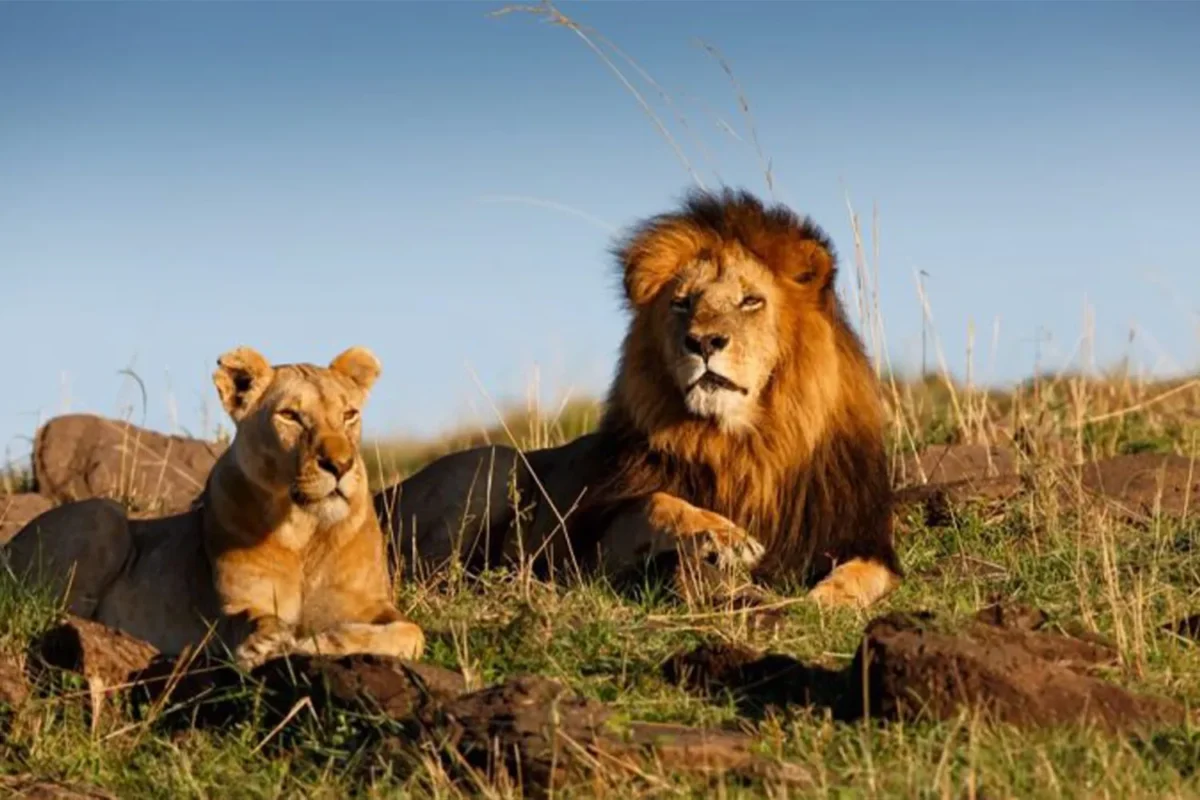
Kenya Safari Itinerary: 7 Days to See the Best of East Africa
Kenya is one of Africa’s most rewarding safari destinations. Its diverse landscapes, abundant wildlife, rich culture, and excellent safari infrastructure make it ideal for both first-time and experienced travellers.
A seven-day Kenya safari can combine the wildlife-rich Masai Mara with the scenic landscapes of Lake Nakuru and Amboseli National Park. This route provides a wonderful balance of Big Five encounters, dramatic scenery, birdlife, and cultural experiences.
The itinerary works well for couples, families, photographers, and travellers with limited time. It focuses on Kenya’s most famous safari destinations while keeping the journey practical and enjoyable.
For 2026 and 2027, Kenya remains an excellent choice for travellers seeking an authentic African safari with memorable wildlife encounters and beautiful landscapes.
Day 1: Nairobi to Amboseli National Park
Your Kenya safari begins in Nairobi, where you meet your guide and start the journey towards Amboseli National Park. The drive takes you through changing landscapes before reaching the open plains beneath Mount Kilimanjaro.
Amboseli is famous for its large elephant herds and spectacular mountain views. On clear days, Mount Kilimanjaro creates one of Africa’s most recognisable wildlife photography backgrounds.
After arriving at your lodge, enjoy lunch and some time to relax. Later, head out for your first game drive across the park.
You may encounter elephants, zebras, giraffes, buffalo, wildebeest, and various antelope species. Return to your lodge in the evening for dinner and a peaceful night beneath the African sky.
Overnight: Amboseli National Park
Meal Plan: Full Board
Day 2: Full-Day Amboseli Safari
Wake early for a morning game drive through Amboseli. Early hours often provide beautiful light and cooler conditions for wildlife viewing.
The park’s enormous elephant herds are among its greatest attractions. You may see elephants moving across the plains with Mount Kilimanjaro rising behind them.
Amboseli also supports lions, cheetahs, hyenas, giraffes, zebras, buffalo, and many bird species. Your guide can help you understand the relationships between wildlife, water, and the surrounding ecosystem.
Return to the lodge for lunch and relaxation before another afternoon game drive. The evening light can create excellent opportunities for photography.
Overnight: Amboseli National Park
Meal Plan: Full Board
Day 3: Amboseli to Lake Nakuru National Park
After breakfast, leave Amboseli and travel towards Lake Nakuru National Park. The journey takes you through changing landscapes as you move towards Kenya’s Great Rift Valley.
Lake Nakuru is known for its scenic setting and diverse wildlife. The park supports rhinos, buffalo, giraffes, lions, leopards, zebras, and numerous bird species.
After arriving, enjoy lunch before an afternoon game drive. The lake and surrounding escarpments create beautiful scenery for wildlife photography.
The park’s rhino population is one of its major attractions. Depending on the season and location, you may also see large numbers of flamingos around the lake.
Overnight: Lake Nakuru National Park
Meal Plan: Full Board
Day 4: Lake Nakuru to Masai Mara
Enjoy an early morning game drive before breakfast. This provides another opportunity to search for wildlife while the temperatures remain cool.
After breakfast, continue towards the Masai Mara National Reserve. The journey takes you through the Great Rift Valley and into the famous grasslands of southwestern Kenya.
The Masai Mara is one of Africa’s most productive wildlife destinations. Its open plains support large populations of lions, elephants, buffalo, giraffes, zebras, wildebeest, and other animals.
Depending on your arrival time, enjoy an afternoon game drive. You may already encounter wildlife before reaching your lodge.
Overnight: Masai Mara National Reserve
Meal Plan: Full Board
Day 5: Full-Day Masai Mara Safari
Today is dedicated to exploring the Masai Mara. Start with an early morning game drive while predators remain active and the light is ideal for photography.
The reserve is particularly famous for lions, cheetahs, and leopards. Open grasslands often provide excellent visibility, making it easier to observe predator behaviour.
The Mara also supports huge herds of wildebeest and zebras. During the Great Migration season, these animals move between the Serengeti and Masai Mara ecosystems.
Return to your lodge for lunch and relaxation before continuing with an afternoon game drive.
Overnight: Masai Mara National Reserve
Meal Plan: Full Board
Day 6: Masai Mara Wildlife and Cultural Experience
Enjoy another morning safari in the Masai Mara. Having several game drives gives you more opportunities to discover wildlife and explore different sections of the reserve.
Your guide can adjust the route according to recent sightings and your interests. Photographers may focus on predators, while families can enjoy watching large herds and learning about different animal species.
Later, consider visiting a local Maasai community. A respectful cultural visit can provide insight into traditional lifestyles, local customs, and the relationship between communities and wildlife.
Return to your lodge for your final evening in the Mara. Enjoy dinner while reflecting on your safari experiences.
Overnight: Masai Mara National Reserve
Meal Plan: Full Board
Day 7: Masai Mara to Nairobi
Wake early for your final game drive in the Masai Mara. This final outing provides one more chance to see wildlife before leaving the reserve.
After breakfast, begin your journey back to Nairobi. The drive takes several hours, so a scheduled or private flight can be a convenient alternative for travellers who prefer to save time.
Arrive in Nairobi and transfer to the airport or your next accommodation. If your international flight leaves later, you can enjoy a relaxed lunch or explore a few of Nairobi’s attractions.
Your seven-day Kenya safari ends with memories of elephants beneath Mount Kilimanjaro, rhinos beside Lake Nakuru, and the extraordinary wildlife of the Masai Mara.
Meal Plan: Breakfast
Why This 7-Day Kenya Safari Works
This itinerary combines three of Kenya’s most distinctive safari environments. Amboseli provides spectacular elephant encounters and views of Mount Kilimanjaro, while Lake Nakuru adds rhinos, birds, and dramatic Rift Valley scenery.
The journey then finishes in the Masai Mara, where several days provide time for excellent game viewing. This final section is particularly rewarding for travellers interested in big cats and large herds.
Seven days is enough to experience Kenya’s major highlights without trying to cover too much of the country. However, travellers with more time can add Samburu, Laikipia, or the Kenyan coast.
Best Time for a Kenya Safari
Kenya offers excellent safari experiences throughout much of the year. However, different seasons create different opportunities for wildlife viewing and photography.
The dry months between June and October are particularly popular. Wildlife often gathers around water sources, while shorter vegetation can improve visibility.
The Great Migration can bring large herds into the Masai Mara between roughly July and October. The exact timing changes each year because rainfall influences the movement of the animals.
January and February can also provide excellent safari conditions. These months often offer relatively dry weather and good opportunities for wildlife viewing.
The green seasons can be equally rewarding for photographers. Fresh vegetation, dramatic skies, newborn animals, and migratory birds can create beautiful scenes.
The Great Migration in Kenya
The Great Migration is one of the most famous wildlife spectacles in Africa. Huge numbers of wildebeest and zebras move between Tanzania’s Serengeti and Kenya’s Masai Mara in search of fresh grazing.
The Mara River crossings are among the most dramatic moments. However, the crossings depend on animal behaviour and river conditions, so they cannot be guaranteed.
Travellers should also remember that the migration is a year-round cycle. The herds spend different periods in different parts of the ecosystem.
If seeing the migration is your priority, your itinerary should be planned around current seasonal patterns. An experienced safari operator can help select the most suitable area and travel dates.
What Wildlife Can You See on a Kenya Safari?
Kenya offers excellent opportunities to see many of Africa’s most famous animals. The Masai Mara is particularly well known for lions, cheetahs, leopards, elephants, buffalo, and large herds of wildebeest and zebras.
Amboseli is famous for elephants, which often create memorable scenes across the open plains. The park also supports lions, cheetahs, giraffes, buffalo, hippos, and numerous bird species.
Lake Nakuru is particularly important for rhinos and birdlife. You can also encounter lions, leopards, giraffes, buffalo, zebras, and other wildlife.
Although sightings are never guaranteed, experienced guides can greatly improve your chances. Their knowledge of animal behaviour and recent movements adds significant value to the safari.
Can You See the Big Five in Seven Days?
Yes, it is possible to see the Big Five during a seven-day Kenya safari. The Big Five include lions, elephants, leopards, rhinos, and buffalo.
The Masai Mara provides particularly strong opportunities for lions, leopards, and buffalo. Amboseli adds excellent elephant viewing, while Lake Nakuru provides opportunities to see rhinos.
However, wildlife remains wild and unpredictable. No responsible safari operator should promise sightings of every species.
The best approach is to focus on the overall experience rather than ticking off a checklist. Every game drive can offer something unexpected.
Kenya Safari for Families
Kenya is an excellent destination for a family safari when the itinerary is designed around the children’s ages and interests.
Amboseli can be particularly enjoyable for children because elephant herds are often impressive and easy to observe across open landscapes. The Masai Mara also provides exciting predator and herd sightings.
Parents should consider the length of road journeys when travelling with younger children. Domestic flights can reduce travel time between destinations and create a more comfortable experience.
Family-friendly accommodation should also be selected carefully. Some safari camps have age restrictions, while others offer family rooms and activities designed for younger travellers.
Kenya Safari and Beach Holiday
A safari can easily be combined with a relaxing beach holiday on Kenya’s Indian Ocean coast.
After exploring the Masai Mara, you can fly to Mombasa, Diani Beach, Watamu, or another coastal destination. Several days beside the Indian Ocean provide a relaxing contrast to the early mornings and game drives of the safari.
Diani Beach is particularly popular for its white sand and warm tropical waters. Travellers can enjoy snorkelling, diving, dhow cruises, and relaxed beach days.
This combination works especially well for honeymooners and families seeking both adventure and relaxation.
What to Pack for a Kenya Safari
Pack lightweight clothing for warm days and warmer layers for early morning game drives. Neutral and natural colours are practical for safari activities and photography.
Comfortable shoes are useful for lodge activities and optional walks. A hat, sunglasses, sunscreen, and reusable water bottle should also be part of your day bag.
Binoculars are highly recommended because they make distant wildlife and birds much easier to observe. A camera with sufficient storage and spare batteries is also useful.
If you travel during the rainy season, carry a lightweight waterproof jacket. Your safari operator can provide more specific advice based on your travel dates and itinerary.
How to Make Your Kenya Safari More Comfortable
A successful Kenya safari depends on balancing wildlife activities with enough time to rest. Avoid changing accommodation every night when possible.
Spending several nights in the Masai Mara gives you more time to explore different areas and increases your chances of memorable sightings.
Private safari vehicles also provide greater flexibility. You can spend more time at interesting sightings and adjust the route according to your interests.
Domestic flights can save valuable time when travelling between distant destinations. This can be particularly useful during a seven-day itinerary.
Plan Your Kenya Safari
Seven days is enough to experience some of Kenya’s most iconic safari destinations. From elephants beneath Mount Kilimanjaro to rhinos around Lake Nakuru and predators across the Masai Mara, the journey offers incredible variety.
The best itinerary depends on your travel season, interests, accommodation preferences, and budget. You can also extend the trip with more time in the Masai Mara or several relaxing days on Kenya’s coast.
Plan your Kenya safari for 2026 or 2027 and discover extraordinary wildlife, dramatic landscapes, rich culture, and the unforgettable beauty of East Africa.