
Port Louis Mauritius Guide
October 5, 2026
Spitzkoppe Namibia
November 3, 2026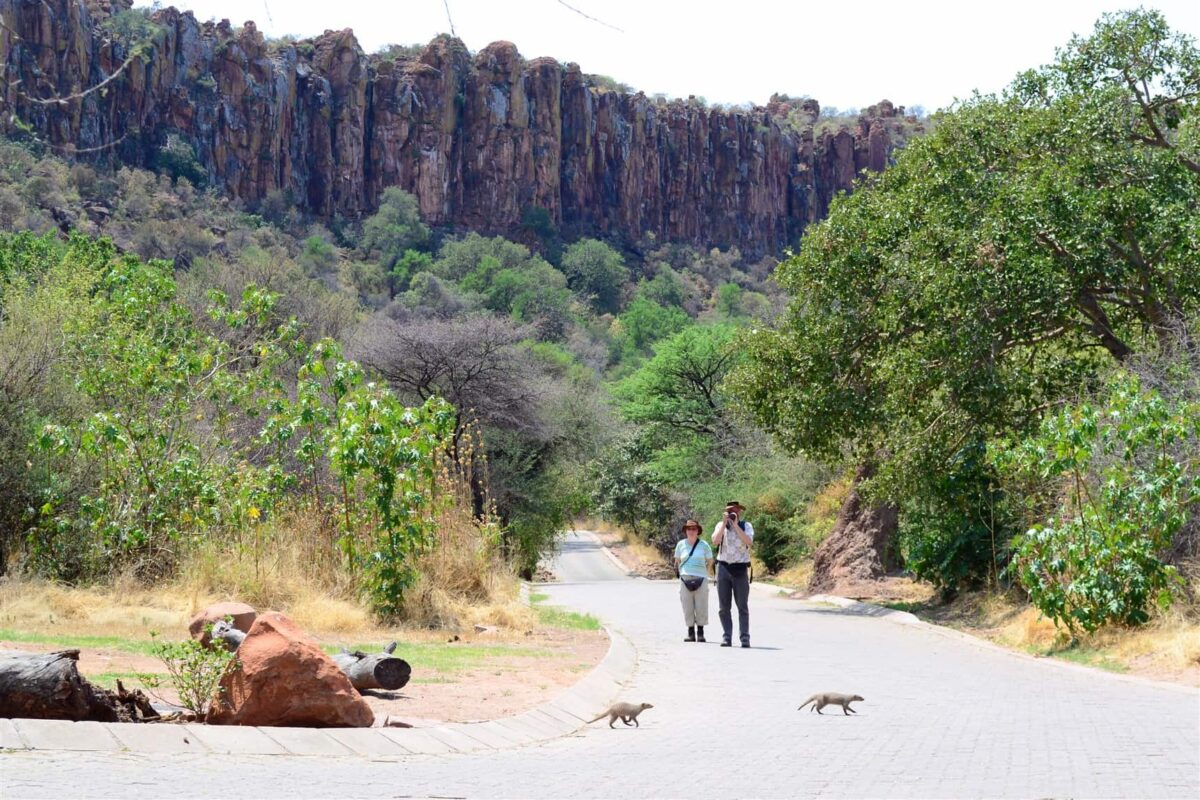
Waterberg Plateau Park, Namibia: Walking Safari in the North
Waterberg Plateau Park is one of Namibia’s most distinctive protected landscapes, combining dramatic sandstone cliffs, woodland habitats, and important wildlife conservation initiatives. Located in north-central Namibia, the park rises above the surrounding plains and offers a different experience from the open salt pans of Etosha National Park. Its combination of scenery, walking opportunities, and conservation history makes it an appealing addition to a northern Namibia safari.
The plateau’s steep sides create a striking natural landmark visible from considerable distances. Visitors can explore selected trails around the base, learn about the region’s ecological importance, and enjoy the peaceful atmosphere of the surrounding woodland. Some wildlife activities operate under specific management arrangements, so travellers should confirm current options before visiting.
Where Is Waterberg Plateau Park Located?
Waterberg Plateau Park lies in north-central Namibia, southeast of Otjiwarongo. The protected area occupies part of a prominent sandstone plateau surrounded by plains and woodland. Its elevated landscape creates a noticeable contrast with the flatter terrain found across much of the region.
The park is accessible by road from several major Namibian destinations. Travellers often include it during journeys between Windhoek and Etosha National Park. This position makes Waterberg a convenient stop for visitors who want to explore another natural environment without making a major detour.
The surrounding countryside includes farms, woodland, and open landscapes. Seasonal rainfall influences vegetation and wildlife activity, while the plateau’s cliffs remain the area’s dominant feature. Visitors can appreciate these contrasts through suitable walking routes and viewpoints.
The Geological Formation of Waterberg Plateau
The Waterberg Plateau consists largely of sandstone formations shaped by long-term geological processes. Over millions of years, erosion removed surrounding material and left the elevated plateau standing above the plains. Its steep cliffs and relatively flat upper surfaces create a distinctive landscape.
The sandstone displays warm colours that change with the angle of sunlight. Morning and evening light can highlight the cliffs’ textures and layered appearance. These conditions make the plateau particularly attractive to landscape photographers.
The geology also influences the area’s habitats. Different soils, slopes, and moisture conditions support varied vegetation around the plateau and its base. Understanding these relationships helps visitors appreciate why Waterberg differs from other Namibian protected areas.
Wildlife Conservation at Waterberg Plateau Park
Waterberg has played an important role in Namibia’s wildlife conservation history. The plateau’s relatively isolated upper environment has supported management programmes involving selected threatened and vulnerable species. Conservation strategies have changed over time, so visitors should confirm current wildlife populations and activity arrangements.
The surrounding habitats support different mammals, birds, reptiles, and smaller animals. However, Waterberg should not be approached as a conventional Big Five safari destination where every major species is readily visible. Its value lies in the combination of conservation, scenery, and specialised wildlife experiences.
Guided activities can help travellers understand the challenges of protecting animals within managed landscapes. Habitat conditions, veterinary considerations, and conservation priorities all influence wildlife programmes. Responsible tourism supports awareness of these efforts.
Walking Safaris and Hiking at Waterberg
Walking is one of the most rewarding ways to experience Waterberg’s natural environment. Selected trails allow visitors to explore woodland habitats, rocky slopes, and viewpoints overlooking the surrounding plains. The difficulty varies according to the route and terrain.
Guided walks can provide insight into animal tracks, plant adaptations, and the ecological relationships within the park. Guides may explain how seasonal conditions influence vegetation and wildlife movements. These details make walking experiences particularly interesting for travellers who enjoy learning about nature.
Visitors should follow established trails and respect any areas that require professional guidance. Steep terrain, heat, and uneven surfaces can make some routes demanding. Suitable footwear, drinking water, and realistic expectations are important for a comfortable experience.
Birdwatching at Waterberg Plateau
Waterberg’s cliffs and woodland habitats support a variety of bird species. Raptors, woodland birds, and other species may appear depending on season and local conditions. The mixture of habitats makes the area appealing to birdwatchers interested in more than open savannah species.
Early morning walks can provide opportunities to observe birds while temperatures remain comfortable. Listening for calls and watching movement among trees may reveal species that are difficult to notice during the hottest part of the day. Binoculars and a field guide can improve identification.
Birdwatching also encourages visitors to explore the park at a slower pace. Rather than concentrating exclusively on large mammals, travellers can appreciate the smaller details of the ecosystem. This approach often creates a more complete understanding of the protected landscape.
The Historical Significance of Waterberg
Waterberg holds an important place in Namibia’s history because of the 1904 Battle of Waterberg during the German colonial period. The conflict formed part of the events surrounding the genocide against the Herero and Nama peoples. Understanding this history is essential when exploring the region.
The battle and subsequent colonial actions caused immense suffering and displacement. Many Herero people fled into difficult environments, while German colonial policies contributed to catastrophic loss of life. These events remain central to Namibia’s historical memory.
Visitors should approach historical sites and interpretations with sensitivity. Waterberg’s landscape represents both natural beauty and a place associated with profound human tragedy. Learning about these events adds depth to the experience and encourages a more responsible understanding of the destination.
Exploring the Woodland Environment
The vegetation around Waterberg differs from the sparse landscapes found in some of Namibia’s drier regions. Woodland habitats provide shelter and food for birds, insects, and mammals. Seasonal rainfall influences the density and appearance of vegetation.
Visitors walking through these habitats can observe how plants adapt to local soil and moisture conditions. Trees and shrubs also influence the microclimate by providing shade and supporting other organisms. These relationships contribute to the park’s ecological diversity.
A guided nature walk can reveal details that visitors might otherwise overlook. Animal tracks, bird calls, and changes in vegetation provide clues about the surrounding ecosystem. Responsible walking practices help preserve these habitats.
Photography at Waterberg Plateau
Waterberg offers attractive opportunities for landscape and nature photography. The sandstone cliffs create strong visual features, while woodland vegetation provides contrasting colours and textures. Changing light conditions can transform the appearance of the plateau throughout the day.
Photographers may enjoy capturing panoramic views from authorised viewpoints. The surrounding plains provide a sense of scale that emphasises the plateau’s height. Early morning and late afternoon often offer softer light than midday.
Wildlife photography requires patience because animals may remain concealed within vegetation. Travellers should avoid disturbing wildlife or leaving designated routes in search of photographs. Respectful observation protects both the animals and visitors.
Best Time to Visit Waterberg Plateau Park
Waterberg experiences seasonal changes in temperature and rainfall. The dry season generally provides comfortable conditions for walking, although mornings and evenings can become cool. Vegetation may also become less dense during drier periods.
The wetter season creates greener surroundings and can increase bird activity. However, rain may affect trail conditions and outdoor plans. Travellers should check current access arrangements before undertaking longer hikes.
The best time depends on the activities visitors prioritise. Those interested in hiking may prefer cooler weather, while birdwatchers may appreciate seasonal changes in vegetation. Planning according to personal interests creates a more rewarding visit.
Where to Stay Near Waterberg Plateau
Accommodation options around Waterberg include park-related facilities and lodges within the wider region. Travellers can choose properties according to comfort preferences, available activities, and onward travel plans. Staying close to the park allows easier access to morning walks and scenic viewpoints.
Some accommodation providers may organise guided activities or provide information about park access. Visitors should confirm which experiences are currently available rather than assuming that every property offers the same programme. Meal arrangements and transport services should also be checked before booking.
Waterberg works well as an overnight stop, although nature enthusiasts may prefer additional time. A longer stay allows visitors to explore the landscape without rushing between destinations. The surrounding peaceful environment also suits travellers seeking a quieter safari experience.
How to Get to Waterberg Plateau Park
Most visitors reach Waterberg by road from Windhoek, Otjiwarongo, or other destinations in northern Namibia. The route includes established roads and may involve additional access sections depending on the accommodation selected. Travellers should confirm directions and road conditions before departure.
A rental vehicle offers flexibility for visitors following a self-drive itinerary. Private transfers and guided tours provide alternatives for those who prefer not to drive. Travel times depend on the starting point and the condition of the route.
Namibia’s distances can be considerable, so visitors should plan fuel stops and avoid unnecessary night driving. Carrying drinking water and essential supplies remains sensible. A carefully organised journey makes the visit more comfortable.
Combining Waterberg with Etosha National Park
Waterberg Plateau Park complements Etosha National Park by offering a different landscape and style of wildlife experience. Etosha is famous for its expansive salt pan, waterholes, and large mammal viewing opportunities. Waterberg provides woodland scenery, sandstone cliffs, and nature-focused activities.
Travellers can include both destinations during a northern Namibia safari. The combination allows visitors to appreciate different ecosystems while maintaining a practical travel route. Spending time at Waterberg can also provide a welcome break between longer driving days.
A balanced itinerary should allow sufficient time for Etosha’s game drives and Waterberg’s walking opportunities. The destinations offer different strengths, and neither needs to replace the other. Together, they provide a broader perspective on Namibia’s natural heritage.
Plan Your Safari
Waterberg Plateau Park offers a distinctive combination of sandstone scenery, woodland habitats, conservation history, and walking experiences. Its natural environment provides a rewarding contrast to Namibia’s more familiar desert and savannah destinations. Travellers who explore the plateau can appreciate both its ecological importance and its complex historical significance.