
Hwange National Park Guide
June 25, 2026
Ngorongoro Crater
June 25, 2026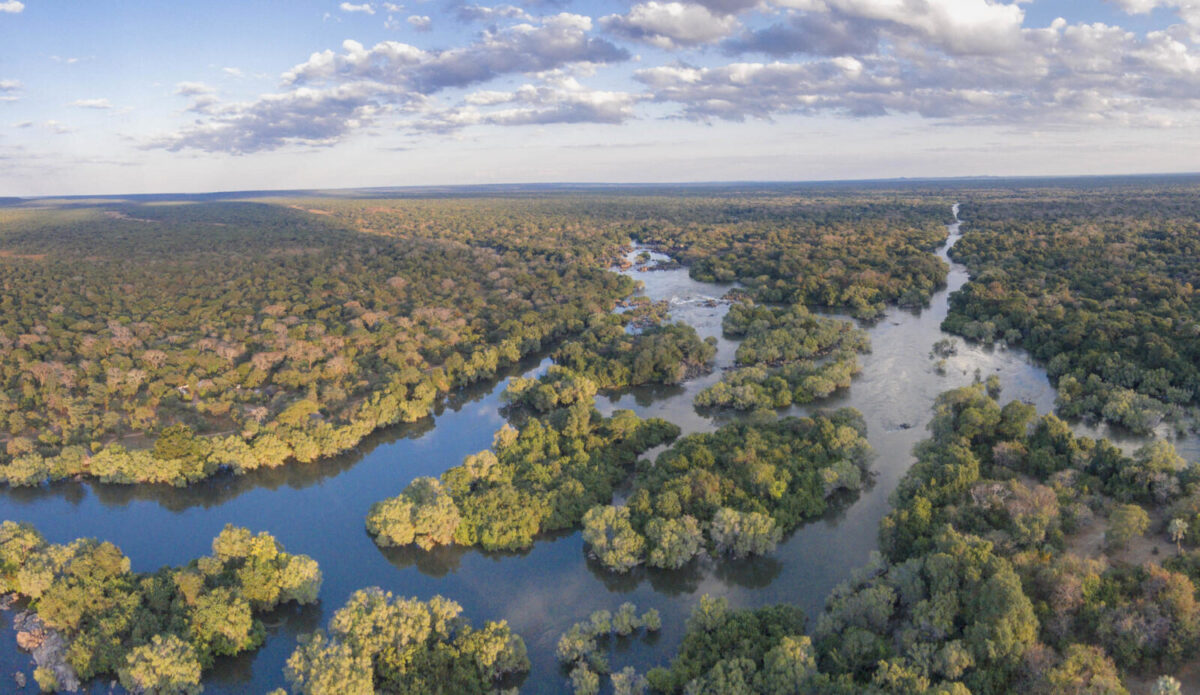
Kafue National Park: Zambia’s Hidden Safari Gem
Kafue National Park stands as one of Africa’s largest yet least crowded safari destinations, offering vast wilderness, diverse ecosystems, and exceptional wildlife viewing away from mass tourism routes. A Kafue National Park guide introduces travelers to a landscape that stretches across more than 22,000 square kilometers, combining floodplains, woodlands, rivers, and savannahs into one of Zambia’s most ecologically rich regions.
Despite its size and biodiversity, Kafue remains remarkably quiet compared to other major African parks. This creates a safari experience defined by solitude, raw wilderness, and intimate wildlife encounters. Lions roam open plains, leopards move through dense woodland, and huge antelope herds gather across the Busanga Plains during the dry season.
This Kafue National Park guide explores wildlife, safari regions, activities, accommodation, best time to visit, and essential travel insights for planning a Zambia safari off the beaten path.
Why Kafue National Park Is So Special
Kafue’s defining feature is its sheer scale combined with low visitor density. It offers one of the most untouched safari environments in Southern Africa, where travelers often drive for long stretches without encountering other vehicles.
A Kafue National Park guide highlights its diversity of habitats, which range from dense miombo woodlands to open floodplains and permanent river systems.
This ecological variety supports a wide range of wildlife species, making Kafue one of Zambia’s most important conservation areas.
Busanga Plains: The Jewel of Kafue
The Busanga Plains in the northern section of Kafue are the park’s most famous safari region. During the dry season, seasonal floodwaters recede to reveal expansive grasslands filled with wildlife.
A Kafue National Park guide highlights Busanga as one of the best areas in Africa for predator sightings in open terrain.
Large lion prides dominate the plains, often seen hunting lechwe, zebra, and buffalo. Cheetahs also thrive in this open landscape, where visibility allows high-speed chases.
Wildlife in Kafue National Park
Kafue supports an impressive diversity of wildlife species due to its varied ecosystems.
A Kafue National Park guide highlights elephants, lions, leopards, cheetahs, buffalo, hippos, and antelope species as core sightings.
Predator Species
The park has a strong predator population, including lions that adapt to both woodland and open plains environments. Leopards are frequently seen in forested areas, while cheetahs dominate the Busanga Plains.
Antelope and Plains Game
Unique antelope species such as red lechwe, puku, and sable antelope thrive in wetland and woodland zones. These species create dynamic prey-predator interactions across the park.
Birdlife
With over 500 recorded bird species, Kafue is a top destination for birdwatching, especially in wetland and river areas.
River Systems in Kafue National Park
The Kafue River and its tributaries form the backbone of the park’s ecosystem. These waterways support wildlife year-round and create rich floodplain habitats.
A Kafue National Park guide emphasizes the importance of river systems in sustaining both aquatic and terrestrial wildlife.
Hippos and crocodiles dominate the waterways, while elephants and antelope frequently gather along riverbanks during dry months.
Safari Activities in Kafue National Park
Game drives form the core safari experience in Kafue, offering exploration across vast and varied landscapes.
A Kafue National Park guide highlights both guided and self-drive safaris, although guided tours are recommended for remote areas like Busanga.
Boat safaris along the Kafue River offer a different perspective, especially for observing hippos, birds, and elephants.
Walking safaris are also available in select areas, providing close encounters with smaller ecosystem details.
Key Safari Regions in Kafue
Kafue’s large size means it offers distinct safari zones with different wildlife experiences.
A Kafue National Park guide helps travelers understand these regions for better itinerary planning.
Northern Kafue (Busanga Plains)
This is the most wildlife-rich and dramatic section, especially during the dry season when floodplains open up.
Central Kafue
The central region features river systems, woodlands, and mixed habitats with steady wildlife sightings.
Southern Kafue
The southern area is more remote and less visited, offering a true wilderness experience with limited tourism infrastructure.
Best Time to Visit Kafue National Park
Kafue offers year-round safari opportunities, but seasonal changes significantly affect accessibility and wildlife movement.
The dry season from June to October is the best time to visit, especially for Busanga Plains safaris when floodwaters recede and wildlife concentrates in open areas.
The wet season from November to April brings lush greenery, migratory birds, and newborn animals, though access to some regions becomes more difficult.
A Kafue National Park guide recommends the dry season for first-time visitors seeking optimal game viewing conditions.
Accommodation in Kafue National Park
Accommodation in Kafue ranges from luxury bush camps in Busanga to riverside lodges and remote tented camps.
A Kafue National Park guide highlights seasonal camps in the north for exclusive access to prime wildlife areas.
Many lodges are eco-friendly and designed to blend into the natural environment, offering close proximity to wildlife.
Due to the park’s size, lodges often provide guided safaris to maximize exploration of surrounding regions.
Wildlife Photography in Kafue
Kafue is an underrated destination for wildlife photography due to its open landscapes and low vehicle density.
A Kafue National Park guide emphasizes golden light, predator action in Busanga, and river scenes as key photographic highlights.
The absence of crowds allows photographers to capture undisturbed wildlife behavior.
Conservation and Wilderness Protection
Kafue plays a crucial role in Zambia’s conservation network, protecting large tracts of intact wilderness.
A Kafue National Park guide highlights anti-poaching initiatives and habitat protection programs as key conservation priorities.
Community-based conservation efforts also support surrounding villages and help maintain ecological balance.
Conclusion
Kafue National Park offers one of Africa’s most authentic and untouched safari experiences, defined by vast wilderness, diverse ecosystems, and exceptional predator-prey dynamics. From the wildlife-rich Busanga Plains to the river systems and remote southern regions, the park delivers a safari experience shaped by space, silence, and natural abundance.
A Kafue National Park guide reveals a destination where nature operates without crowds or interruption. Whether tracking lions across open plains, cruising along the Kafue River, or exploring remote woodlands, Kafue offers a rare and immersive African safari experience.