
Chobe National Park Guide
June 25, 2026
Kafue National Park
June 25, 2026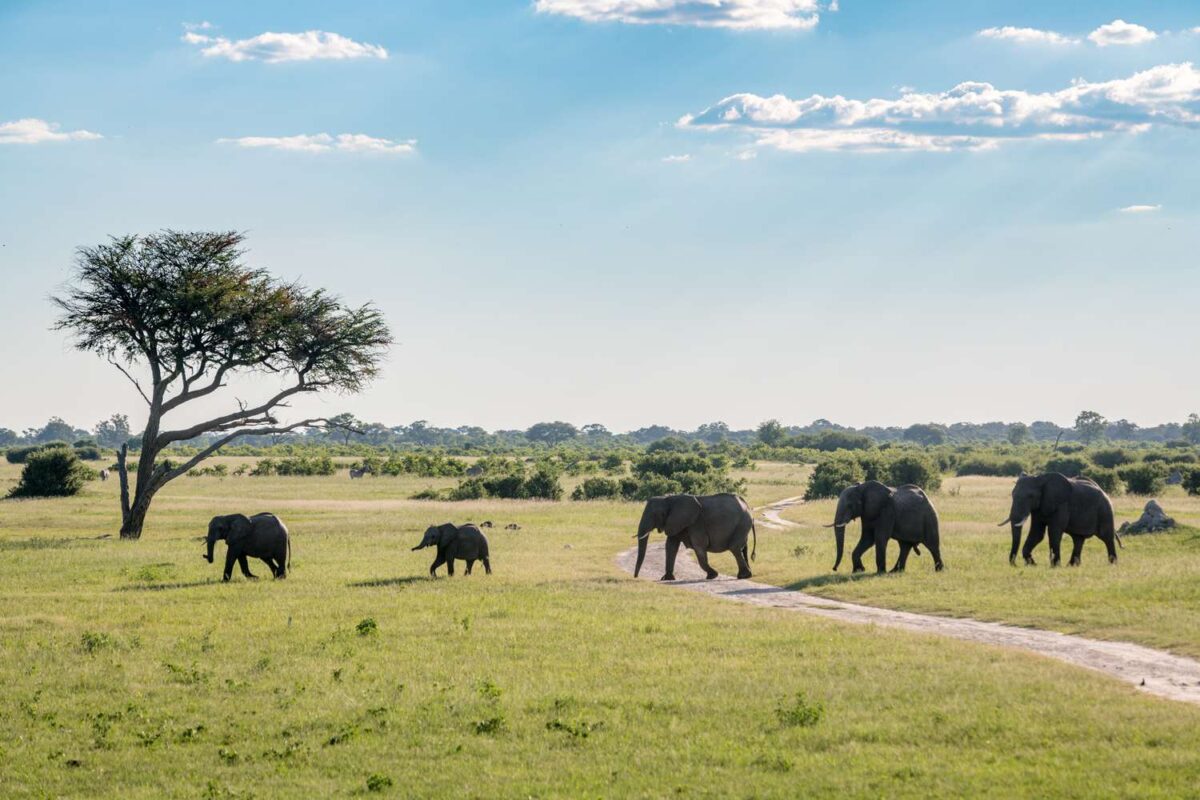
Hwange National Park Guide: Zimbabwe’s Elephant Kingdom
Hwange National Park stands as Zimbabwe’s largest and most wildlife-rich protected area, known globally for its massive elephant herds and vast, untamed wilderness. A Hwange National Park guide introduces travelers to a landscape where open savannahs, teak forests, and ancient sand dunes support one of the densest elephant populations in Africa, alongside an impressive diversity of predators and plains game.
The park sits close to Victoria Falls, making it a natural extension for safari travelers who want to combine one of the world’s great waterfalls with a classic Big Five wildlife experience. Hwange delivers wide horizons, seasonal waterholes, and a strong sense of wilderness that feels far removed from busy tourist circuits.
This Hwange National Park guide explores wildlife, safari experiences, key regions, accommodation, best time to visit, and essential travel insights for planning a Zimbabwe safari.
Why Hwange National Park Is Famous
Hwange is best known for its extraordinary elephant population, estimated to be among the largest in the world. During the dry season, large herds gather around artificial waterholes, creating dramatic wildlife scenes across the park.
A Hwange National Park guide highlights its combination of accessibility from Victoria Falls and its ability to deliver raw, uncrowded safari experiences.
Unlike smaller reserves, Hwange offers vast open spaces where wildlife moves freely across different ecosystems, creating a strong sense of untouched wilderness.
Elephant Herds of Hwange
Elephants define Hwange’s identity more than any other species. Herds of dozens or even hundreds gather at waterholes, especially during the dry months when natural water sources disappear.
A Hwange National Park guide emphasizes these gatherings as some of the most impressive elephant sightings in Southern Africa.
Artificial pumped waterholes play a key role in sustaining wildlife during dry periods, ensuring year-round game viewing opportunities.
Wildlife in Hwange National Park
Hwange supports a wide range of wildlife species, making it a full Big Five safari destination.
A Hwange National Park guide highlights lions, leopards, buffalo, elephants, and both black and white rhinos as key species.
Predators
The park has a strong lion population that frequently hunts large prey such as buffalo and zebra. Leopards are also present, often seen in wooded areas during early morning or late afternoon.
African wild dogs are another major highlight in Hwange, with one of the healthiest populations in Africa.
Plains Game
Species such as giraffes, zebras, impalas, sable antelope, kudu, and wildebeest thrive across the park’s diverse habitats.
Waterholes: The Heart of Hwange Safaris
Waterholes define wildlife viewing in Hwange, especially during the dry season.
A Hwange National Park guide highlights artificial pumped waterholes as essential wildlife gathering points.
These water sources attract elephants, buffalo, predators, and a wide variety of antelope species, often creating constant wildlife activity throughout the day.
Some lodges and hides overlook waterholes, allowing visitors to observe wildlife from close range without disturbing natural behavior.
Safari Activities in Hwange National Park
Game drives form the core safari experience in Hwange, offering both morning and afternoon excursions across different habitats.
A Hwange National Park guide highlights guided drives as the best way to explore remote areas and track wildlife movements.
Walking safaris are also available in certain private concessions, offering a more immersive bush experience.
Photographic hides at waterholes provide unique opportunities for close wildlife observation at eye level.
Key Regions of Hwange National Park
Hwange is a large park with distinct regions that offer varied safari experiences.
A Hwange National Park guide helps travelers understand these zones for better planning.
Main Camp Area
This central region offers reliable wildlife sightings and easy access to waterholes and lodges.
Northern Hwange
The northern section is more remote and less visited, offering a stronger sense of wilderness and higher chances of predator encounters.
Southern Hwange
The southern region features diverse landscapes and is often included in longer safari circuits.
Best Time to Visit Hwange National Park
Hwange offers excellent wildlife viewing year-round, but seasonal changes affect animal movement and visibility.
The dry season from May to October provides the best game viewing as animals concentrate around waterholes.
The wet season from November to April brings lush vegetation, migratory birds, and newborn wildlife, though animals disperse more widely.
A Hwange National Park guide recommends the dry season for consistent wildlife sightings and waterhole activity.
Accommodation in Hwange National Park
Hwange offers a wide range of accommodation options, including luxury safari lodges, tented camps, and eco-friendly bush stays.
A Hwange National Park guide highlights waterhole-facing lodges for the most immersive wildlife experience.
Many camps are located in private concessions bordering the park, offering exclusivity and guided safari experiences.
Some lodges also feature underground hides for close-up wildlife photography.
Birdlife in Hwange National Park
Hwange is home to over 400 bird species, making it a strong destination for birdwatching.
A Hwange National Park guide highlights raptors, waterbirds, and migratory species as key attractions.
The mix of savannah and woodland habitats supports a diverse avian population throughout the year.
Wildlife Photography in Hwange
Hwange is an excellent destination for wildlife photography, especially around waterholes where animals gather in large numbers.
A Hwange National Park guide emphasizes dramatic elephant scenes, predator interactions, and golden-hour lighting as key photographic highlights.
Hides positioned at waterholes allow for close-range photography without disturbing wildlife.
Conservation and Wildlife Protection
Hwange plays a critical role in Zimbabwe’s conservation strategy, especially for elephant protection and habitat preservation.
A Hwange National Park guide highlights anti-poaching efforts and water management systems as key conservation tools.
Collaboration with conservation organizations helps maintain healthy wildlife populations and protect endangered species.
Conclusion
Hwange National Park offers one of Zimbabwe’s most rewarding safari experiences, defined by massive elephant herds, rich predator populations, and vast untouched wilderness. From waterhole gatherings to remote game drives and hidden photographic hides, the park delivers consistent and immersive wildlife encounters.
A Hwange National Park guide reveals a destination where elephants shape the rhythm of the landscape and wilderness remains largely untouched. Whether exploring remote regions or observing wildlife at floodlit waterholes, Hwange delivers a powerful and authentic African safari experience.