
Cheetah Conservation Status
November 5, 2026
African Wild Dog vs Hyena
November 5, 2026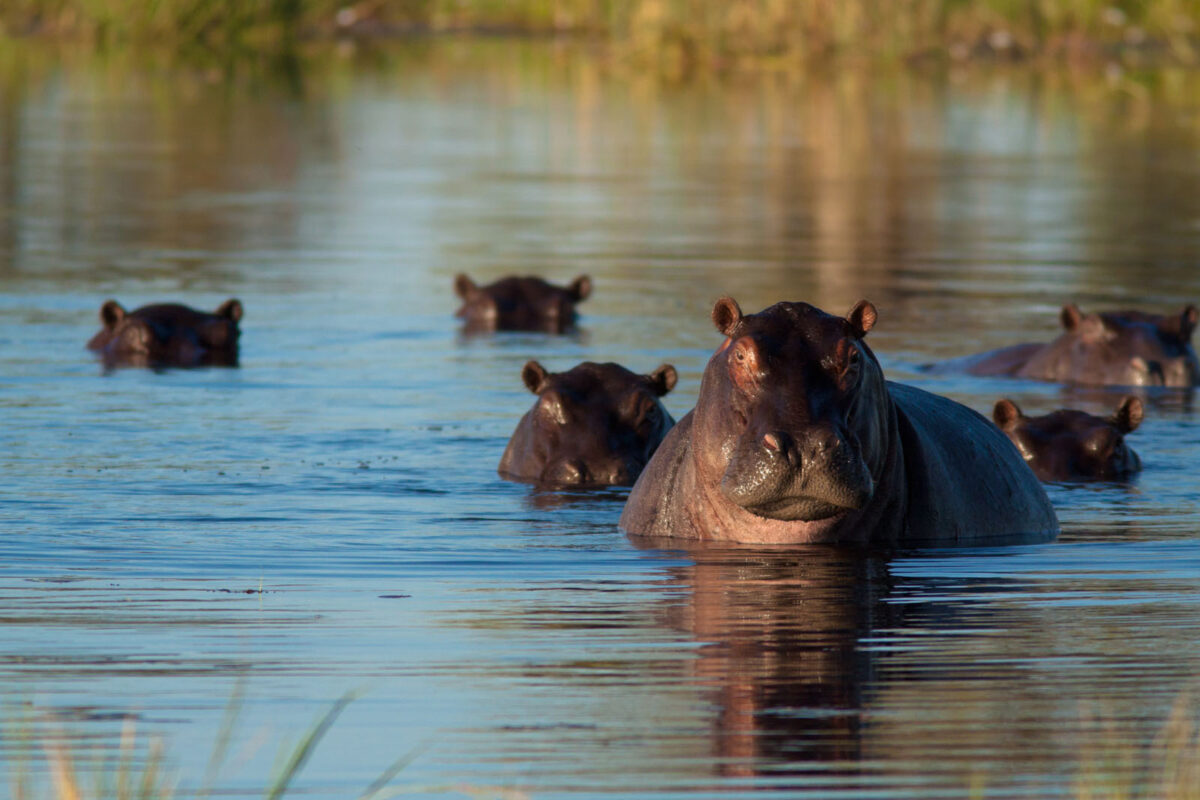
How Hippos Survive the African Dry Season Without Water
Hippopotamuses are among Africa’s most recognisable semi-aquatic mammals, famous for their enormous bodies, powerful jaws, and close association with rivers and lakes. They spend much of the day in water to protect their sensitive skin and regulate body temperature, yet many inhabit regions where seasonal drought reduces water availability. Understanding hippos dry season Africa survival strategies reveals how these animals respond to shrinking rivers, crowded pools, changing grazing conditions, and environmental stress.
Despite the title’s reference to surviving without water, hippos cannot normally endure prolonged dry conditions without access to suitable moisture and drinking water. Their survival depends heavily on locating remaining water sources, reducing exposure to heat, and moving between habitats when necessary. During severe drought, populations can experience substantial stress and mortality.
For safari travellers, observing hippos during the dry season provides an opportunity to understand the ecological importance of African waterways. Concentrations around shrinking pools reveal how seasonal conditions influence animal behaviour and competition. These encounters also demonstrate why freshwater conservation remains essential for wildlife survival.
Understanding the Hippopotamus and Its Habitat
The common hippopotamus is a large semi-aquatic mammal that occupies rivers, lakes, and suitable wetlands across parts of sub-Saharan Africa. Its body structure supports movement through shallow water, while its eyes, ears, and nostrils sit relatively high on the head. These features allow hippos to remain mostly submerged while monitoring their surroundings.
Hippos generally spend much of the day resting in water or muddy environments. They often emerge during cooler evening and nighttime hours to graze on terrestrial vegetation. This pattern helps them balance the need for cooling with their substantial feeding requirements.
Their dependence on both aquatic and terrestrial habitats makes them particularly sensitive to environmental changes. Water provides refuge from heat, while surrounding grasslands supply food. Healthy hippo populations therefore require access to connected resources.
Why Hippos Need Water to Survive
Hippos rely on water primarily for thermoregulation and skin protection. Their large bodies can accumulate substantial heat, particularly under intense African sunshine. Remaining submerged helps them avoid excessive exposure during the hottest hours.
Their skin also requires moisture because it is vulnerable to drying and damage. Hippos produce specialised skin secretions that provide some protection, but these do not eliminate the need for suitable aquatic habitats. Prolonged exposure to harsh dry conditions can create serious health risks.
Water also provides social and resting environments for groups of hippos. Rivers and pools allow animals to remain together while reducing heat stress. The loss of these habitats can therefore affect both physiology and social behaviour.
What Happens to Rivers During the African Dry Season?
Many African rivers experience seasonal changes in water levels as rainfall decreases. Some channels continue flowing throughout the year, while others become fragmented into isolated pools. The extent of these changes depends on regional climate, river systems, and upstream water conditions.
As water levels fall, hippos may concentrate in remaining deep sections. These areas provide essential refuge but can become crowded. Competition over space may increase as animals gather within smaller aquatic habitats.
Dry-season conditions also influence surrounding vegetation and grazing opportunities. Grass quality and availability may decline, forcing hippos to travel farther for food. Their survival depends on responding to both aquatic and terrestrial resource changes.
How Hippos Find Water During Drought
Hippos generally rely on familiar waterways and suitable aquatic habitats when seasonal conditions change. Individuals may move between river sections or other water sources where access remains possible. Their movements depend on landscape connectivity and the availability of suitable routes.
Some hippos travel overland to reach alternative habitats when local water conditions deteriorate. However, such movement can involve substantial risks, particularly in hot or heavily developed landscapes. The ability to relocate depends on environmental conditions and individual physical capacity.
Not every population can escape severe drought. Isolated pools, barriers, and extensive dry terrain may prevent animals from reaching safer areas. Conservation planning must therefore consider the availability of connected freshwater habitats.
Why Hippos Gather in Crowded Pools
During the dry season, hippos may concentrate in shrinking pools that retain sufficient water for resting and cooling. These gatherings can create impressive wildlife spectacles, particularly in river systems with strong seasonal fluctuations. However, crowding can increase competition and social tension.
Hippos establish relationships and spacing patterns within aquatic groups. Dominant males may defend particular areas, while females and younger animals occupy suitable positions. Reduced space can increase the frequency of aggressive interactions.
Crowding also affects water quality because large numbers of animals contribute substantial quantities of waste. In poorly flushed pools, oxygen levels and other environmental conditions may deteriorate. Severe changes can affect fish and other aquatic organisms.
How Hippos Regulate Body Temperature
Hippos possess several adaptations that help them manage heat, but immersion remains particularly important. Water absorbs heat and reduces direct exposure to intense sunlight. Resting in suitable aquatic habitats therefore helps maintain physiological balance.
Hippos may also use mud when water becomes shallow or limited. Mud can provide temporary protection from sunlight and help maintain moisture around the skin. However, it cannot fully replace adequate aquatic habitat during prolonged drought.
Their activity patterns further reduce heat exposure. Hippos generally feed during cooler hours rather than spending extended periods grazing under strong daytime sunshine. This behavioural adjustment helps conserve energy and limit thermal stress.
The Role of Hippo Skin Secretions
Hippos produce specialised skin secretions that can appear reddish or orange when exposed to the environment. These substances contribute to skin protection and possess properties that have attracted scientific interest. Their appearance has led to the popular but inaccurate description that hippos sweat blood.
The secretions are not blood and do not function exactly like human sweat. They help protect the skin, including against some effects of sunlight and microbial activity. However, they do not allow hippos to remain indefinitely away from water.
Understanding these secretions helps explain the relationship between hippo physiology and aquatic habitats. The animals possess protective adaptations, but their dependence on moisture remains substantial. Dry-season survival therefore requires access to suitable environmental conditions.
How Hippos Feed During the Dry Season
Hippos are primarily grazers that feed on terrestrial grasses during evening and nighttime hours. Their large bodies require substantial food intake, making suitable grazing areas important for maintaining physical condition. Seasonal rainfall influences the availability and nutritional quality of vegetation.
During the dry season, grasslands may become less productive. Hippos may travel farther from resting areas to locate suitable food. These movements can increase energy expenditure and expose animals to additional risks.
Feeding patterns vary according to local vegetation and environmental conditions. Some river systems retain productive grazing areas longer than others. The availability of food can therefore influence how well hippos withstand seasonal drought.
How Far Can Hippos Travel for Food?
Hippos commonly move from aquatic resting sites to nearby grazing areas after sunset. Their routes may extend several kilometres depending on vegetation and landscape conditions. Individuals often use familiar paths between water and feeding grounds.
Longer journeys may become necessary when suitable grass grows scarce near rivers. However, travelling farther requires additional energy and may increase exposure to human activities. Hippos can also encounter roads, farms, or settlements when moving through fragmented habitats.
Maintaining access between water and grazing areas is therefore important for conservation. Barriers that interrupt familiar routes can increase conflict and reduce feeding opportunities. Effective habitat management must consider both aquatic and terrestrial needs.
Hippo Behaviour During Severe Drought
Severe drought can place substantial pressure on hippo populations by reducing water availability and grazing resources. Animals may experience weight loss, increased competition, and greater physiological stress. Vulnerable individuals can face particularly serious risks.
Dominant animals may secure access to favourable aquatic areas, while others struggle to find suitable resting locations. Social tensions can increase when available space becomes limited. These interactions may result in injuries or displacement.
Drought mortality can occur when environmental conditions become extreme. Hippos cannot simply survive indefinitely without water because their bodies require moisture and protection from heat. Their responses demonstrate both behavioural flexibility and physiological limitations.
How Hippo Calves Survive the Dry Season
Hippo calves depend heavily on their mothers for nourishment and protection. Young animals remain close to adults while learning to navigate aquatic and terrestrial environments. Their smaller bodies and developing abilities can make them vulnerable during difficult conditions.
Crowded pools may create additional challenges for calves because adult movements and territorial interactions can become intense. Mothers often maintain close contact and respond defensively to perceived threats. Suitable shallow areas can provide important resting environments.
Reduced grazing resources may also affect maternal condition and milk production. These pressures can influence calf growth and survival. Protecting adequate water and food resources therefore benefits reproductive success.
Hippo Territorial Behaviour in Shrinking Rivers
Male hippos may defend aquatic territories that provide access to suitable resting and social areas. Territorial behaviour can involve vocalisations, displays, and aggressive encounters. The intensity of competition depends on population density and available habitat.
Shrinking rivers can concentrate animals into smaller spaces, increasing the likelihood of confrontation. Dominant males may attempt to maintain control over important areas. However, territorial relationships vary between populations and environmental conditions.
Safari guides often observe these interactions around dry-season pools. Visitors should maintain appropriate distances because hippos can react aggressively when disturbed. Responsible observation allows natural behaviour to continue without unnecessary interference.
Are Hippos More Dangerous During the Dry Season?
Hippos can be dangerous throughout the year, particularly when people approach them too closely or interfere with their movement. Dry-season crowding may increase tension in certain locations, but danger depends on individual circumstances. Travellers should never assume that apparently resting animals are harmless.
Hippos possess powerful jaws and can move rapidly over short distances. They may respond defensively when surprised, cornered, or separated from water. Boats and vehicles should maintain appropriate distances under the guidance of experienced professionals.
Responsible safari operators follow established safety procedures around waterways. Visitors should avoid walking near hippo routes without authorised guides. Respecting these precautions protects both people and wildlife.
How Hippos Affect Water Quality
Hippos contribute large quantities of organic material to aquatic environments through their waste. This material transfers nutrients from terrestrial grazing areas into rivers and pools. Under suitable conditions, these inputs influence aquatic food webs and nutrient cycling.
However, large concentrations of hippos in poorly flushed water can create ecological challenges. Decomposition may reduce dissolved oxygen levels, potentially affecting fish and other aquatic organisms. The severity depends on water volume, temperature, and flow conditions.
Researchers study these relationships to understand the ecological role of hippos. Their influence can be beneficial or disruptive depending on environmental circumstances. The animals therefore function as important components of freshwater ecosystems.
Hippos and Other Wildlife During Drought
Dry-season water sources attract numerous species, including elephants, buffalo, antelope, crocodiles, and birds. Their presence creates opportunities for wildlife observation but also increases competition around limited resources. Different animals use the same habitats in different ways.
Hippos may share rivers with crocodiles, although their interactions vary according to circumstances. Large adult hippos possess considerable strength, while vulnerable calves may face greater risks. These relationships contribute to the complexity of aquatic ecosystems.
Waterholes and river pools also provide opportunities to observe predator-prey interactions. However, wildlife behaviour remains unpredictable. Guides help visitors interpret encounters without disturbing the animals.
Best African Destinations to Observe Hippos
Botswana’s Okavango Delta and Chobe region provide outstanding opportunities to observe hippos in riverine and wetland habitats. Boat excursions can reveal groups resting in water, while guided activities introduce visitors to their ecological importance. Seasonal water conditions influence viewing opportunities.
Zambia’s South Luangwa National Park is particularly well known for hippo populations associated with the Luangwa River. During the dry season, animals may concentrate in remaining pools and channels. These conditions create opportunities to observe social behaviour and competition.
South Africa’s Kruger National Park and iSimangaliso Wetland Park also support hippos in suitable aquatic environments. Tanzania’s national parks and other African destinations provide further possibilities. The best location depends on habitat, season, and travel interests.
Best Time to See Hippos During the Dry Season
The dry season can provide rewarding opportunities to observe hippos because animals may gather around reliable water sources. Reduced vegetation can also improve visibility along some riverbanks. However, seasonal conditions vary between destinations.
In Zambia’s South Luangwa region, the dry-season months often create concentrations around the Luangwa River. Botswana’s water systems follow different seasonal patterns, particularly where floodwaters arrive after rainfall in distant catchments. Travellers should therefore consider the specific hydrology of each destination.
A knowledgeable safari planner can recommend suitable travel periods according to local conditions. Visitors should remember that wildlife movements and water levels change naturally. Flexible expectations help create a rewarding experience.
Photographing Hippos Safely
Hippos provide interesting photographic opportunities because of their distinctive appearance and social behaviour. Photographers may capture animals emerging from water, interacting in groups, or grazing during suitable conditions. River reflections and surrounding vegetation can add depth to compositions.
A telephoto lens allows photographers to remain at safe distances. Approaching hippos closely, particularly near calves or narrow waterways, creates unnecessary risks. Guides should determine suitable viewing positions according to animal behaviour.
Ethical photography avoids provoking aggressive displays or interfering with movement. Natural interactions provide the most meaningful images. Respecting wildlife safety rules remains essential during every encounter.
Climate Change and Hippo Survival
Climate change may influence hippo habitats through altered rainfall, higher temperatures, and changing freshwater availability. The effects differ between regions because African river systems respond to different climatic and geographical conditions. Some areas may experience more frequent or severe droughts.
Reduced water availability can increase competition and affect grazing resources. Changes in river flow may also influence aquatic ecosystems that support other wildlife. Conservation planning must therefore consider long-term environmental uncertainty.
Maintaining healthy watersheds and connected habitats can improve resilience. Protecting freshwater resources benefits hippos alongside fish, birds, crocodiles, and nearby communities. Effective management requires cooperation across entire river systems.
Why Freshwater Conservation Matters for Hippos
Hippos depend on healthy freshwater habitats for cooling, resting, and social behaviour. Pollution, water extraction, habitat alteration, and human disturbance can reduce the suitability of these environments. Their conservation therefore requires more than protecting individual animals.
River management must consider the needs of wildlife and communities that depend on freshwater resources. Sustainable water use and habitat protection can reduce conflict and ecological degradation. Conservation programmes benefit from involving local residents in planning and decision-making.
Protecting hippo habitats also supports wider biodiversity. Rivers and wetlands provide essential resources for numerous species. Healthy freshwater ecosystems remain fundamental to African wildlife conservation.
Plan Your Safari
Hippos survive seasonal drought through a combination of behavioural adjustments, access to remaining water sources, and movement between suitable habitats. However, they cannot endure prolonged water deprivation without serious consequences. Their dependence on aquatic environments makes freshwater conservation essential for their survival.
Southern Africa Tours can arrange wildlife safaris in Botswana, Zambia, South Africa, Tanzania, and other destinations where hippos inhabit remarkable river systems. Our itineraries combine experienced guides, carefully selected accommodation, and responsible wildlife-viewing activities. Contact Southern Africa Tours to plan a safari that explores the fascinating behaviour of Africa’s hippopotamuses.