Termite Mounds in Africa
November 5, 2026
Bush Walk at Night
November 5, 2026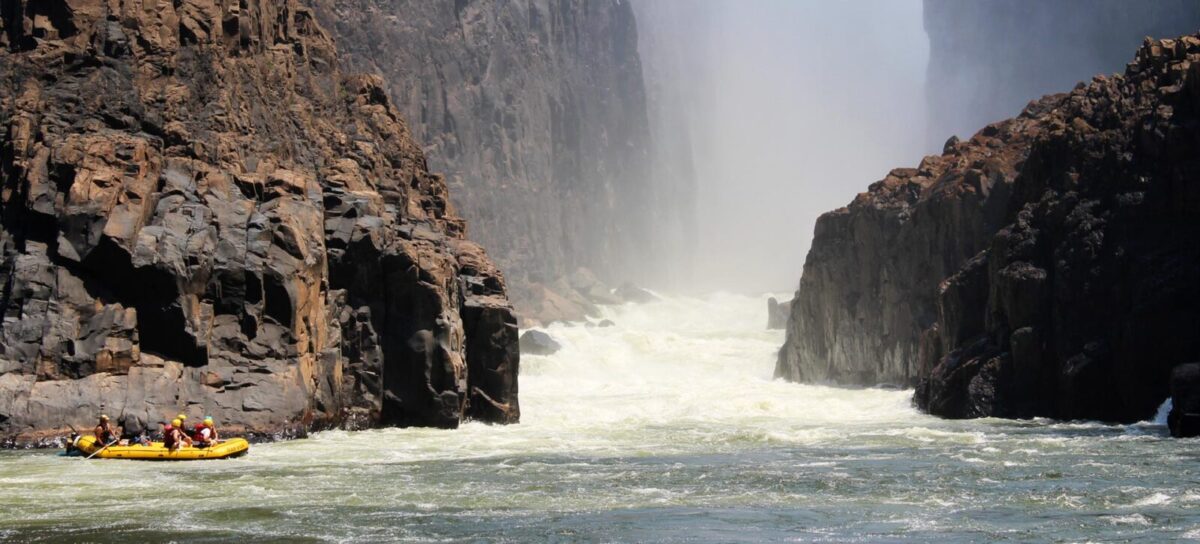
Canoe Through the Gorge: Rafting the Batoka Below Victoria Falls
Victoria Falls is one of Africa’s most spectacular natural attractions, but the adventure does not end at the waterfall’s edge. Downstream, the Zambezi River enters the dramatic Batoka Gorge, where steep rock walls frame a powerful river known for challenging white-water rapids. The landscape attracts adventurous travellers seeking an experience that combines extraordinary scenery with the excitement of moving through one of southern Africa’s most famous river corridors.
The canoe gorge Victoria Falls Batoka experience requires an important distinction between canoeing and white-water rafting. The Batoka Gorge’s main rafting sections contain powerful rapids that demand specialist equipment, experienced guides, and appropriate safety procedures. Ordinary recreational canoeing is not a suitable substitute for professionally organised white-water rafting through these sections.
For travellers visiting Victoria Falls, a guided rafting excursion can provide a remarkable perspective on the Zambezi River. The experience combines steep gorge scenery, demanding water conditions, and an appreciation of the forces that shaped the landscape. However, rafting involves significant risks and is not suitable for every visitor.
Understanding the Batoka Gorge
The Batoka Gorge lies downstream of Victoria Falls, where the Zambezi River flows between steep rock walls. Over geological time, erosion and changing waterfall positions helped create the dramatic gorge system. The landscape reveals the power of water moving through resistant rock.
The gorge extends downstream from the waterfall and contains a series of rapids and calmer sections. Its appearance changes according to river levels and seasonal conditions. The steep surrounding terrain contributes to the sense of isolation.
Visitors often see the gorge from viewpoints near Victoria Falls, but rafting provides a different perspective. From river level, the rock walls rise dramatically above the water. The scale of the landscape becomes particularly impressive.
Why Victoria Falls Creates Such Powerful Rapids
Victoria Falls marks a dramatic transition in the Zambezi River’s course. Water plunges into a narrow chasm before continuing through the gorge system. The downstream river encounters changes in gradient, channel shape, and rock formations.
These conditions create turbulent water and challenging rapids. Large waves, powerful currents, and complex hydraulic features may develop at different river levels. The characteristics of individual rapids change with seasonal flow.
The Batoka Gorge is therefore unsuitable for casual water exploration. Professional rafting operators assess river conditions and select appropriate routes. Their decisions determine whether an excursion can proceed safely.
Canoeing vs White-Water Rafting
Canoeing generally involves paddling a relatively narrow craft through suitable waterways. It can provide peaceful wildlife-viewing opportunities on calmer sections of African rivers. However, the activity requires appropriate conditions and equipment.
White-water rafting uses specialised inflatable rafts designed for turbulent water. Teams follow instructions from professional guides while navigating rapids. The experience involves greater physical demands and different safety procedures.
The Batoka Gorge’s famous adventure sections are associated primarily with white-water rafting rather than ordinary canoeing. Travellers seeking a calm canoe excursion should consider suitable upper-Zambezi activities instead. Choosing the correct activity is essential.
The Zambezi River Below Victoria Falls
The Zambezi is one of Africa’s major river systems, flowing through several countries before reaching the Indian Ocean. Near Victoria Falls, the river forms part of the border between Zambia and Zimbabwe. Its waters support important ecosystems and tourism activities.
Below the waterfall, the river enters a narrow gorge landscape that differs from the broader upstream channels. The confined setting intensifies the visual impact of the flowing water. Rock walls and rapids dominate the scenery.
River conditions vary substantially throughout the year. Seasonal rainfall and upstream flows influence water volume and rafting operations. Travellers should confirm current conditions before booking.
What Makes Batoka Gorge Rafting Famous?
Batoka Gorge attracts experienced adventure travellers because of its demanding white-water sections and dramatic scenery. The route contains internationally recognised rapids, including sections classified at high difficulty levels. These conditions make professional guiding essential.
The combination of powerful water and steep gorge walls creates an experience unlike conventional river excursions. Participants move through a landscape shaped by enormous geological forces. The surroundings add to the intensity of the activity.
Rafting operators adapt itineraries according to water levels and safety requirements. Not every rapid is suitable at every time of year. Some sections may close when conditions become too dangerous.
Understanding White-Water Rapid Grades
White-water rapids are commonly classified according to difficulty. Lower grades generally indicate simpler obstacles and more manageable currents, while higher grades describe increasingly challenging water. Classification systems provide useful guidance but cannot eliminate uncertainty.
The Batoka Gorge contains rapids associated with advanced white-water conditions. Some sections may reach Grade V difficulty under particular circumstances. Such rapids demand strong safety management and professional expertise.
Travellers should ask operators about the current route and its difficulty rather than relying on general descriptions. River levels can change the character of individual rapids. A reputable operator provides clear information before participation.
Preparing for a Batoka Gorge Rafting Trip
Preparation begins with selecting a reputable rafting operator and understanding the activity’s physical requirements. Participants should disclose relevant medical conditions and discuss any concerns before booking. The excursion can involve demanding paddling and challenging access routes.
Operators generally provide specialist rafting equipment, including suitable helmets and buoyancy aids. Guests should confirm what the package includes. Appropriate footwear and clothing are also important.
Travellers should avoid bringing loose valuables onto the river. Waterproof arrangements may be available for essential items, but equipment can still become wet or damaged. Following the operator’s packing advice improves comfort.
The Importance of the Safety Briefing
A professional rafting trip begins with a detailed safety briefing. Guides explain how participants should sit, paddle, respond to commands, and manage unexpected situations. The briefing also covers procedures for falling into the water.
Participants must understand that white-water rafting carries inherent risks. Strong currents, submerged obstacles, and changing river conditions can create dangerous situations. Professional supervision reduces risks but cannot remove them entirely.
Guests should ask questions before departure if instructions remain unclear. The guide’s directions must take priority throughout the activity. Responsible participation depends on cooperation.
Getting Down into the Gorge
Accessing rafting launch points may involve descending steep paths or stairways into the Batoka Gorge. The journey can be physically demanding, particularly in warm conditions. Operators should explain the expected walking requirements.
The descent provides striking views of the surrounding rock formations and river. Travellers begin to appreciate the gorge’s scale as they move towards the water. However, uneven terrain requires careful footing.
Some participants may find the access route as challenging as the rafting itself. Suitable footwear and realistic fitness expectations are important. Travellers with mobility limitations should discuss alternatives.
Boarding the Raft
At the launch point, guides organise participants and explain seating positions. Each person receives instructions about holding the raft, using paddles, and responding to commands. Team coordination becomes important before entering challenging water.
The raft’s design allows it to navigate turbulent sections, but participants must remain attentive. Sudden movements can affect balance. Guides manage positioning and route decisions.
The first moments on the river may provide an opportunity to practise paddling. However, conditions vary according to the launch location. Participants should remain prepared for changing water movement.
Entering the First Rapids
The transition from calmer water into a rapid can be exhilarating. Waves rise around the raft as the guide directs the team through the channel. Participants must paddle and maintain their positions according to instructions.
The experience can feel intense because water moves unpredictably around rocks and changing currents. Rafts may tilt or bounce as they pass through turbulent sections. The guide’s expertise helps manage the route.
Not every rapid produces the same experience. Some involve large waves, while others contain more technical obstacles. River levels influence their characteristics.
The Role of the Rafting Guide
A rafting guide must understand river hydraulics, route selection, rescue procedures, and group management. Their decisions influence how the raft approaches each rapid. Professional training and experience are essential.
Guides assess current water conditions rather than relying exclusively on previous trips. Changes in flow can alter obstacles and safe passages. They may decide to avoid certain sections when necessary.
Participants should follow instructions immediately and avoid independent decisions during difficult rapids. Teamwork contributes to the effectiveness of the excursion. The guide remains responsible for managing the activity.
What Happens If the Raft Flips?
Rafts can overturn in challenging white-water conditions, and participants may enter the river unexpectedly. This possibility forms part of the activity’s inherent risk. Operators should explain appropriate emergency procedures during the safety briefing.
Professional rafting teams use rescue equipment and established protocols suited to the river. Participants must follow instructions about body position, movement, and responding to assistance. Specific procedures depend on the situation.
Travellers should never assume that professional guiding makes capsizing harmless. Powerful currents and obstacles can create serious hazards. Understanding these risks is essential before choosing the activity.
The Physical Demands of Rafting
Batoka Gorge rafting can require substantial physical effort. Participants may paddle through demanding rapids, maintain balance in turbulent water, and navigate steep access paths. Heat and sun exposure can add to the challenge.
Fitness requirements depend on the route, water conditions, and operator. Some excursions may be unsuitable for travellers with certain medical conditions. Age and weight restrictions can also apply.
Guests should provide accurate information when booking. Operators can explain whether the activity matches individual ability. Choosing an appropriate experience improves both safety and enjoyment.
The Best Time for White-Water Rafting at Victoria Falls
Rafting conditions vary according to the Zambezi River’s seasonal water levels. Lower-water periods often provide access to routes associated with the Batoka Gorge’s famous rapids. However, the exact operating season changes with river flow.
High-water conditions can make certain sections unsuitable or require operators to suspend activities. Safety decisions depend on current measurements and professional assessments. Travellers should confirm availability close to their intended dates.
The best time for rafting may differ from the best time to see Victoria Falls at maximum flow. Visitors should consider which experience matters most. A well-planned itinerary can balance both interests.
Low-Water Rafting Conditions
Lower river levels can expose different rock formations and alter the character of rapids. Some operators offer longer rafting routes during suitable low-water conditions. The experience may include challenging technical sections.
However, lower water does not necessarily mean easier rafting. Certain rapids can become more complex as rocks and channels emerge. Difficulty depends on the individual section.
Travellers should rely on current operator assessments rather than broad seasonal assumptions. Professional guides determine which routes remain appropriate. Safety remains the central consideration.
High-Water Conditions in the Batoka Gorge
High water changes the volume and speed of the river, sometimes creating powerful hydraulic features. Certain rapids may become unsuitable for commercial rafting. Operators may restrict routes or suspend trips.
Visitors should understand that activity cancellations can occur for safety reasons. River conditions take priority over travel schedules. Reputable operators communicate changes and available alternatives.
High-water periods can still provide spectacular views of Victoria Falls and surrounding landscapes. Travellers can enjoy other activities when rafting is unavailable. Flexibility helps maintain a rewarding itinerary.
Wildlife Along the Zambezi River
The Zambezi River supports diverse wildlife, including birds, reptiles, and aquatic organisms. However, the Batoka Gorge rafting experience focuses primarily on white-water adventure rather than conventional wildlife viewing. The demanding river conditions require attention.
Birds may appear along cliffs and riverbanks, while other wildlife occupies suitable habitats. Sightings remain incidental to the activity. Travellers should not expect the same wildlife opportunities as a calm river safari.
Those interested in observing animals from the water may prefer a guided cruise or canoe excursion on suitable upstream sections. These activities provide different experiences. Combining them with rafting can create a varied Victoria Falls itinerary.
The Geology of Batoka Gorge
The Batoka Gorge reveals a dramatic geological history associated with the Zambezi River and Victoria Falls. The river has cut through rock formations over long periods, creating a sequence of steep-sided gorges. Erosion continues to influence the landscape.
The visible rock walls provide evidence of the forces that shaped the region. Their scale becomes especially impressive from the river. Guides may explain the gorge’s geological features during calmer sections.
Understanding the geology adds educational value to the adventure. The rapids exist because of the river’s interaction with the surrounding rock and gradient. The landscape forms an essential part of the experience.
Rafting from the Zimbabwe or Zambia Side
Victoria Falls is accessible from both Zimbabwe and Zambia, and rafting arrangements depend on the operator, launch location, and current regulations. Travellers should confirm which side their excursion departs from. Transport and border requirements may influence logistics.
Some packages include transfers from accommodation to the activity starting point. Others require additional arrangements. Clear booking information helps avoid confusion.
Visitors should also consider passport and visa requirements when combining activities across borders. Entry rules depend on nationality and travel plans. Southern Africa Tours can help coordinate suitable arrangements.
What to Wear for Batoka Gorge Rafting
Suitable clothing should allow comfortable movement and tolerate getting wet. Quick-drying garments are generally practical. Secure footwear with appropriate grip is important for river access and walking routes.
Sun protection may include sunscreen and suitable clothing, although loose items can become difficult to manage during rapids. Operators provide guidance about helmets and other equipment. Guests should follow those instructions.
Jewellery and unsecured personal items are best left at accommodation. Cameras and phones require special protection, and some operators restrict personal equipment on the raft. Practical preparation reduces distractions.
Photography During a Rafting Excursion
Photographing white-water rafting can be challenging because participants must focus on paddling and safety. Some operators provide professional photography or video services. Availability and charges vary.
Guests should avoid handling cameras during difficult rapids unless the operator specifically permits suitable equipment. Loose devices can create hazards or become lost. Safety instructions take priority over recording the experience.
Professional images can preserve memorable moments without distracting participants. Travellers should confirm photography options before booking. The experience itself remains more important than obtaining footage.
Environmental Responsibility on the Zambezi
The Zambezi River supports important ecosystems and communities. Adventure tourism should minimise waste, avoid unnecessary disturbance, and follow established environmental guidelines. Operators have responsibilities beyond delivering exciting activities.
Responsible rafting companies manage equipment, transport, and visitor behaviour carefully. They should avoid leaving litter in the gorge or damaging sensitive habitats. Sustainable practices help protect the destination.
Travellers can support these efforts by choosing reputable operators and respecting instructions. The long-term appeal of Victoria Falls depends on healthy natural environments. Conservation and tourism should reinforce one another.
Alternatives for Travellers Who Do Not Want to Raft
Not every visitor wants to participate in demanding white-water rafting. Victoria Falls offers numerous alternatives, including guided waterfall visits, scenic viewpoints, river cruises, and other activities. Availability depends on season and location.
A sunset cruise on suitable upstream sections provides a calmer experience. Travellers may enjoy scenery, birdlife, and wildlife observations from a professionally operated vessel. The atmosphere differs considerably from the Batoka Gorge.
Other visitors may prefer cultural experiences or scenic flights. Choosing activities according to personal comfort creates a more enjoyable holiday. Adventure should never require unnecessary pressure.
Combining Rafting with a Victoria Falls Safari
Victoria Falls provides a convenient starting point for exploring several southern African wildlife destinations. Zimbabwe’s Hwange National Park offers game drives and opportunities to observe elephants, predators, and other wildlife. Botswana’s Chobe region provides further safari possibilities.
Travellers can combine adventure activities with wildlife viewing over several days. The appropriate route depends on available time, accommodation preferences, and border logistics. Realistic scheduling helps avoid rushed transfers.
A balanced itinerary may include Victoria Falls sightseeing, rafting when conditions permit, and a multi-day safari. This combination introduces travellers to different aspects of southern Africa. Professional planning helps coordinate the experience.
Who Should Consider Batoka Gorge Rafting?
Batoka Gorge rafting appeals to adventurous travellers who understand the physical demands and risks of challenging white water. Participants should feel comfortable following instructions and working as part of a team. Previous rafting experience may be beneficial, depending on the route and operator requirements.
The activity may not suit travellers with certain medical conditions, mobility limitations, or concerns about turbulent water. Operators should explain restrictions clearly. Guests should not conceal relevant health information.
Travellers seeking a peaceful water excursion should choose a different activity. The Zambezi offers varied experiences, from calm cruises to demanding rapids. Selecting the right option is essential.
Why the Batoka Gorge Experience Is Memorable
The Batoka Gorge combines dramatic scenery with the physical challenge of navigating powerful water. Its steep rock walls create a striking backdrop, while the river demands attention and teamwork. The experience can leave a strong impression on participants.
The adventure also reveals a different side of Victoria Falls. Visitors who have admired the waterfall from above gain a new perspective on the downstream landscape. The gorge becomes more than a distant scenic feature.
The most rewarding experience comes from choosing an appropriate trip and respecting professional guidance. Adventure tourism should balance excitement with responsible risk management. This approach allows travellers to appreciate the setting without unnecessary danger.
Plan Your Safari
White-water rafting through the Batoka Gorge offers an adventurous way to explore the Zambezi River below Victoria Falls. The experience combines dramatic geology, powerful rapids, and professional river guiding. Travellers should distinguish this demanding activity from ordinary canoeing and carefully assess its physical and safety requirements.
Southern Africa Tours can arrange Victoria Falls itineraries that include professionally operated rafting excursions when conditions permit, alongside waterfall visits, Zambezi cruises, and wildlife safaris in Zimbabwe and Botswana. Our programmes consider seasonal river conditions, activity suitability, and individual travel preferences. Contact Southern Africa Tours to plan an African adventure that combines spectacular scenery with unforgettable experiences.