Canoe Through the Gorge
November 5, 2026
Swimming in the Okavango
November 5, 2026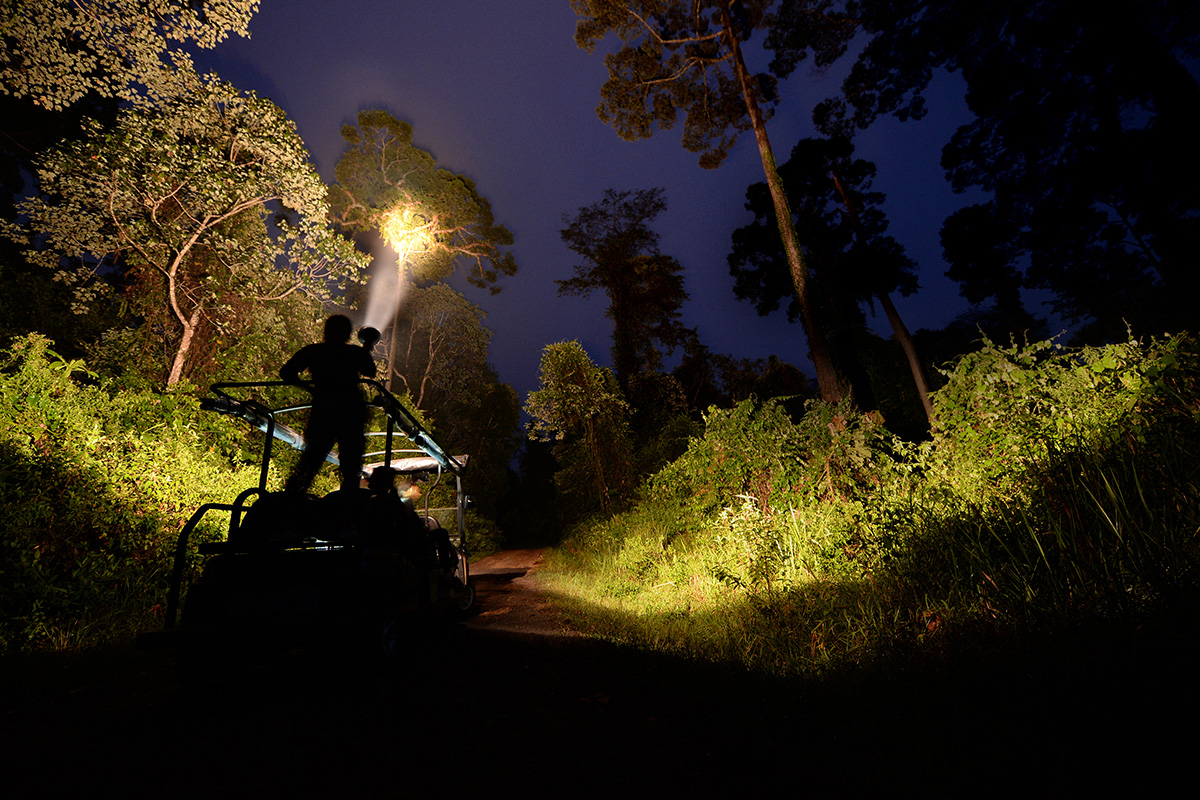
Bush Walk at Night: A Torchlit Safari Through the African Dark
The African wilderness changes dramatically after sunset. Animals that remain concealed during the day may become active, nocturnal birds begin calling, and unfamiliar sounds emerge from the surrounding vegetation. For travellers interested in experiencing this transformation, a professionally guided night bush walk can provide an extraordinary perspective on wildlife and the natural environment.
A bush walk night Africa torchlit guide experience differs from a daytime walking safari because darkness limits visibility and changes how participants interpret their surroundings. Guides rely on local knowledge, careful route selection, and appropriate lighting to identify wildlife signs and smaller nocturnal creatures. The experience emphasises awareness, observation, and safety rather than approaching dangerous animals.
Night walking activities are not available in every African national park or safari reserve. Many protected areas prohibit walking after dark, while selected private concessions or specialist properties may offer authorised excursions under strict procedures. Travellers should confirm availability and safety arrangements before booking.
Understanding a Night Bush Walk
A night bush walk is a guided activity that explores a suitable natural environment after sunset. Participants travel on foot with trained professionals who interpret wildlife sounds, tracks, vegetation, and nocturnal activity. The experience usually follows a carefully selected route.
Unlike a game drive, walking limits the distance covered and increases attention to smaller details. Guests may observe insects, spiders, amphibians, and other animals that become active at night. Larger wildlife may be heard or detected through signs rather than approached directly.
The purpose is to understand the nighttime ecosystem. A responsible guide avoids unnecessary disturbance and prioritises safe observation. The activity should never involve deliberately provoking dangerous animals.
How the African Bush Changes After Sunset
Daytime heat influences the activity patterns of many African animals. As temperatures fall, some species emerge to feed, hunt, or move between habitats. This transition creates a different soundscape and atmosphere.
Nocturnal insects may become particularly noticeable. Frogs call near water, owls communicate from trees, and small mammals search for food. Their activity reveals aspects of the ecosystem that daytime visitors may overlook.
Predators may also become active during evening and nighttime hours. However, their presence creates important safety considerations. Professional guides select routes that minimise the likelihood of dangerous encounters.
Why Walking at Night Feels Different
Darkness changes how people perceive distance, movement, and sound. A rustling branch may seem unusually loud, while a distant animal call can feel close. Participants often become more attentive to their surroundings.
Torchlight illuminates only a limited area, encouraging careful observation of small details. The experience can feel immersive because travellers cannot see the entire landscape at once. Guides help interpret unfamiliar sounds and movements.
The atmosphere may create excitement or nervousness, particularly for first-time participants. A clear safety briefing helps establish realistic expectations. Understanding the activity’s purpose makes the experience more rewarding.
Where Night Bush Walks Are Permitted
Night walking regulations vary considerably between African destinations. Many national parks restrict walking to daylight hours or require specific authorisation. Travellers should not assume that a night walk is available simply because a lodge offers ordinary walking safaris.
Selected private reserves, conservation areas, and specialist nature properties may provide guided nocturnal walks. Some focus on insects, amphibians, and smaller mammals rather than large predators. These activities can offer excellent educational value.
Operators must follow the rules governing their particular location. Current permissions, guide qualifications, and route conditions determine availability. Southern Africa Tours can help identify suitable experiences where authorised.
Preparing for a Torchlit Safari
Preparation begins with understanding the activity’s physical requirements and safety procedures. Guides explain the planned route, expected duration, and appropriate behaviour. Participants should disclose any relevant health or mobility concerns.
Comfortable closed footwear and practical clothing are essential. Long trousers may help protect legs from vegetation and insects. A light jacket can be useful in cooler environments.
Travellers should avoid carrying unnecessary equipment. A small camera, water, and suitable personal items may be sufficient. The operator should provide information about lighting and other required equipment.
The Importance of a Safety Briefing
A night walk should begin with a clear explanation of group procedures. Guides establish how participants should move, communicate, and respond to instructions. Maintaining group cohesion becomes especially important in darkness.
The briefing may also explain how to use torches without disturbing wildlife or other guests. Sudden movements and unnecessary noise can complicate observation. Participants should remain attentive throughout the excursion.
Professional guides must retain authority over route changes and decisions to stop. Weather, wildlife activity, or other conditions may require cancellation. Safety takes priority over completing a planned route.
Why Professional Guides Are Essential
Experienced guides understand the local environment and the risks associated with walking after dark. They know which habitats are suitable for nocturnal interpretation and which areas require avoidance. Their decisions reflect training and current conditions.
Guides may recognise animal calls, tracks, and subtle movements that inexperienced visitors would overlook. They also understand how lighting can affect wildlife behaviour. Their interpretation adds educational value.
Travellers should never attempt an independent night walk through large-mammal habitat. Familiarity with daytime trails does not establish nighttime safety. Authorised professional supervision is essential.
The Role of Torchlight
Torches allow participants to observe nearby terrain and selected wildlife without relying on vehicle headlights. Guides may use controlled beams to identify insects, reptiles, or other nocturnal organisms. Lighting techniques should minimise unnecessary disturbance.
Bright light can affect animal behaviour, particularly when directed continuously towards sensitive species. Responsible guides avoid prolonged illumination and follow local wildlife-viewing rules. The objective is observation rather than manipulation.
Participants should use lighting according to instructions. Moving beams unpredictably can distract other walkers and interfere with the guide’s assessment. Coordinated use improves the experience.
Listening to the Sounds of the Night
Night walking creates opportunities to identify wildlife through sound. Owls, nightjars, frogs, insects, and mammals contribute to a complex natural soundscape. Guides can explain which calls belong to particular species.
Sound identification requires experience because different animals may produce similar noises. Environmental conditions also influence how far calls travel. A distant sound does not necessarily indicate a nearby animal.
Listening quietly can become one of the most rewarding parts of the activity. Participants begin recognising patterns and relationships within the environment. The experience encourages patience and attention.
Nocturnal Insects and Their Ecological Importance
Insects form an important part of nighttime ecosystems. Moths, beetles, termites, and other species may become active after sunset. Their movements contribute to pollination, decomposition, and food webs.
Guides may explain how nocturnal insects interact with plants and predators. Some species visit flowers, while others search for food along the ground. Their behaviour reveals ecological processes that remain largely unnoticed during daytime safaris.
Visitors should avoid collecting or handling insects unnecessarily. Responsible observation protects delicate organisms and their habitats. Small wildlife can provide fascinating encounters without physical contact.
Scorpions and Nighttime Observation
Scorpions inhabit suitable environments across parts of Africa and may become active after dark. Some species fluoresce under ultraviolet light, creating opportunities for specialist educational observations. Guides must use appropriate equipment and procedures.
Scorpions possess venomous stings, and their medical significance varies between species. Travellers should never touch or attempt to capture them. Closed footwear and careful movement reduce unnecessary exposure.
A knowledgeable guide can explain scorpion behaviour, feeding, and ecological roles from a safe distance. The experience often challenges misconceptions about these animals. Respectful observation remains essential.
Spiders in the African Bush
Many spider species become active at night while searching for prey or maintaining webs. Torchlight may reveal reflective eyes or delicate silk structures among vegetation. Their presence demonstrates the diversity of small predators.
Spiders help regulate insect populations and contribute to ecological relationships. Most do not pose serious threats to people, but some species require caution. Visitors should avoid handling unfamiliar animals.
Guides can explain different hunting strategies and habitats. Some spiders build webs, while others pursue prey on the ground. These observations provide a fascinating introduction to nocturnal ecology.
Frogs and Amphibians After Dark
Frogs often become particularly vocal during warm or wet conditions. Their calls may attract attention near ponds, streams, and seasonal pools. Different species use distinctive sounds during communication and breeding.
Night walks in suitable habitats can provide opportunities to observe amphibians. Guides may explain how rainfall influences breeding activity and movement. Their presence often reflects the availability of appropriate freshwater environments.
Amphibians can be sensitive to disturbance and habitat degradation. Visitors should avoid touching them or entering fragile breeding areas. Responsible observation supports conservation.
Nocturnal Birds of Africa
Owls and nightjars are among the birds most closely associated with nighttime activity. Their specialised vision, hearing, and feeding behaviour allow them to exploit food resources after sunset. Different species occupy different habitats.
Guides may identify calls or locate birds resting on suitable perches. However, prolonged illumination can disturb them. Ethical observation requires restraint.
Nighttime birdwatching complements daytime excursions by introducing species that visitors might otherwise miss. The experience demonstrates the diversity of avian adaptations. Patience and quiet movement improve opportunities.
Small Nocturnal Mammals
Certain small mammals become more active after dark, including bushbabies, genets, and other species in suitable habitats. Their behaviour varies according to diet, environment, and local conditions. Some remain difficult to observe even during specialist excursions.
A guided walk may reveal tracks, calls, or brief sightings rather than prolonged encounters. Guides interpret these signs without pursuing animals aggressively. The educational value often comes from understanding behaviour.
Night walks should not promise particular mammal sightings. Wildlife movement remains unpredictable. Flexible expectations create a more rewarding experience.
Why Large Predators Require Special Caution
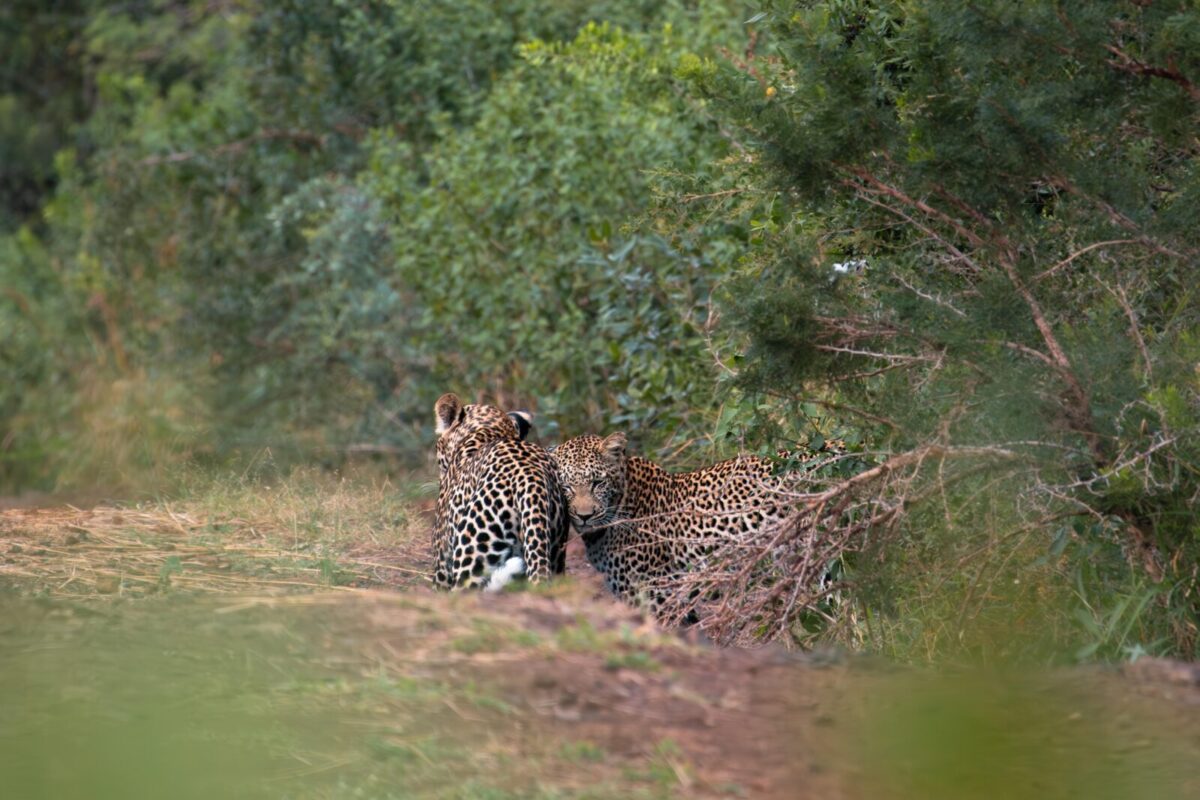
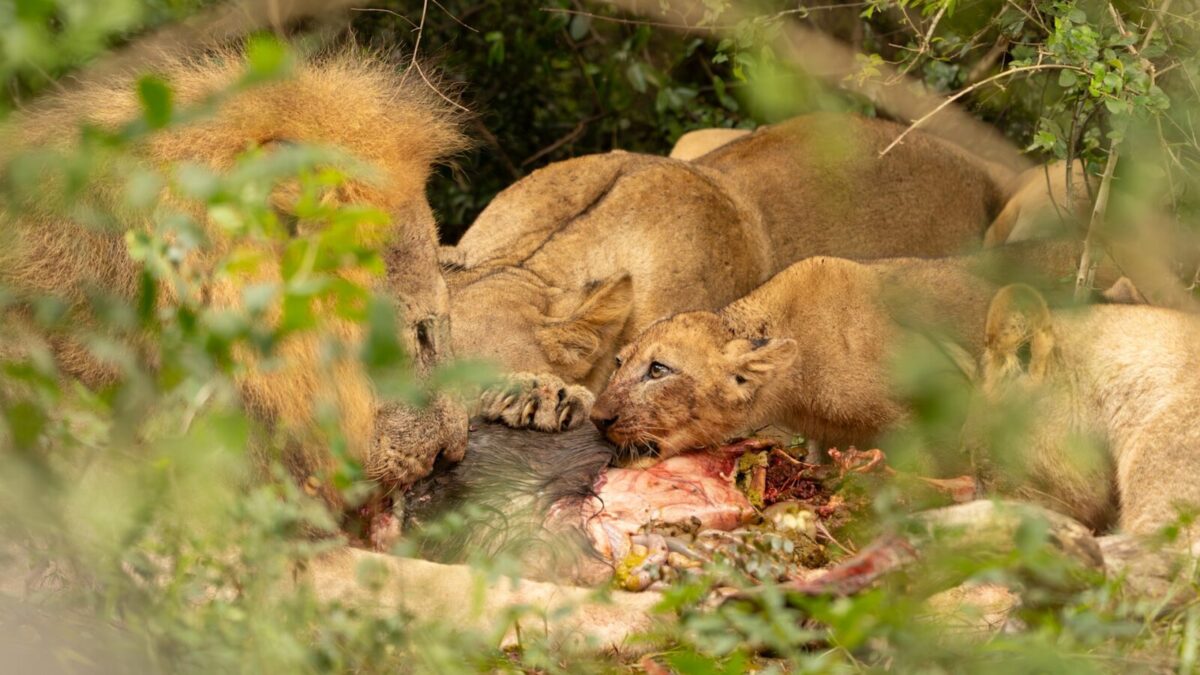
Lions, leopards, hyenas, and other large carnivores may become active at night. Their presence makes walking in certain habitats inherently risky. Responsible operators avoid routes where dangerous encounters are likely.
A night bush walk should never involve deliberately searching for lions or approaching predators on foot. Such behaviour creates unnecessary danger for participants and wildlife. Professional guides assess local conditions continuously.
Travellers interested in nocturnal predators may prefer authorised night game drives. Vehicles provide a different level of separation and allow exploration of suitable routes. The appropriate activity depends on regulations and operator expertise.
Elephants and Buffalo After Dark
Elephants and buffalo can move through woodland and grassland habitats after sunset. Their size and defensive capabilities create serious risks during unexpected encounters. Darkness can make detection more difficult.
Guides must consider recent wildlife activity when planning walking routes. Dense vegetation and limited visibility can increase hazards. An apparently quiet trail may still cross an animal movement corridor.
Participants should never attempt to approach large mammals during a night walk. The guide may change direction or end the activity when conditions become unsuitable. Such decisions reflect responsible practice.
Night Bush Walk vs Night Game Drive
A night game drive uses a vehicle to explore permitted routes after sunset. Guides may search for nocturnal mammals and other wildlife using appropriate lighting. The vehicle allows greater distances to be covered.
A night bush walk generally focuses on smaller organisms and the surrounding environment. Participants move slowly and observe details near the trail. The activity creates a different sensory experience.
Both activities require professional management and authorisation. Travellers should select the experience that matches their interests and comfort levels. Some itineraries may include both where available.
Photography During a Night Walk
Night photography can be challenging because light levels remain low and wildlife may move quickly. Compact equipment is often more practical than heavy camera systems. Photographers should prioritise safe movement.
Flash use may be restricted or inappropriate around certain species. Guides determine suitable lighting practices according to the environment. Guests should avoid disturbing animals for photographs.
Capturing the atmosphere of a night walk does not always require wildlife close-ups. Images of torchlit vegetation or silhouettes can communicate the experience. Responsible photography respects natural behaviour.
Night Walking During the Dry Season
Dry-season conditions may provide more predictable weather in some southern African destinations. Cooler evenings can make walking comfortable, although temperatures may fall substantially in winter. Appropriate clothing remains important.
Vegetation density and wildlife movement change with seasonal conditions. Some animals concentrate near water sources, increasing the need for careful route selection. Guides assess local circumstances before every excursion.
A dry season does not automatically make night walking safe. Large wildlife remains present throughout the year. Professional supervision and appropriate permissions remain essential.
Night Walking During the Rainy Season
Rainy-season conditions can create productive habitats for insects, frogs, and other nocturnal organisms. Warm evenings may encourage activity among species that remain less visible during dry periods. These conditions can provide interesting natural-history experiences.
However, rain can also create slippery trails, reduced visibility, and difficult access. Storms may require cancellation. Operators should adjust activities according to weather.
Travellers interested in amphibians and insects may appreciate suitable wet-season excursions. The experience depends on local habitat and regulations. A specialist guide can recommend appropriate opportunities.
Who Should Join a Night Bush Walk?
Night bush walks may appeal to travellers interested in ecology, photography, birdwatching, and unusual safari experiences. Participants should feel comfortable walking in darkness and following detailed instructions. The activity is generally more educational than physically demanding, although terrain varies.
Some operators impose minimum ages or fitness requirements. Travellers with mobility limitations should discuss accessibility before booking. Not every route suits every participant.
Guests uncomfortable with darkness or proximity to wildlife may prefer a guided night drive. A successful safari should match personal preferences. Choosing suitable activities improves enjoyment.
Conservation Benefits of Nocturnal Wildlife Education
Night walks can help visitors appreciate species that receive less attention than the Big Five. Insects, amphibians, and small mammals perform important ecological functions. Learning about them broadens conservation awareness.
Responsible tourism can support local guides and protected-area management. However, activities must avoid damaging sensitive habitats or disturbing wildlife. Environmental education should reinforce conservation principles.
Travellers who understand nocturnal ecosystems may become more aware of threats such as habitat loss and light pollution. These pressures affect wildlife beyond major safari destinations. Conservation depends on protecting entire ecological communities.
Planning a Safe Night Bush Walk
Travellers should confirm that an operator holds the appropriate permissions and employs qualified guides. They should ask about group size, route conditions, safety equipment, and emergency procedures. Clear information helps establish realistic expectations.
The activity should take place only in areas where the operator can manage risks appropriately. A reputable guide will cancel or change plans when conditions become unsuitable. Visitors should respect these decisions.
Night walking is not necessary for every safari itinerary. Game drives, guided daytime walks, and other activities can provide rewarding alternatives. The best choice depends on destination and personal interests.
Plan Your Safari
A guided night bush walk offers a distinctive opportunity to explore Africa’s nocturnal ecosystems. Torchlight, unfamiliar sounds, and careful observation reveal wildlife that often remains hidden during daylight. The experience requires professional supervision, appropriate permissions, and respect for the risks associated with walking after dark.
Southern Africa Tours can help travellers identify authorised nocturnal nature experiences and night game drives in suitable African destinations. Our itineraries prioritise qualified guides, responsible wildlife observation, and activities matched to individual interests. Contact Southern Africa Tours to plan a safari that explores the fascinating world of African wildlife after sunset.