Kasanka National Park
February 1, 2026
Liuwa Plain National Park
February 1, 2026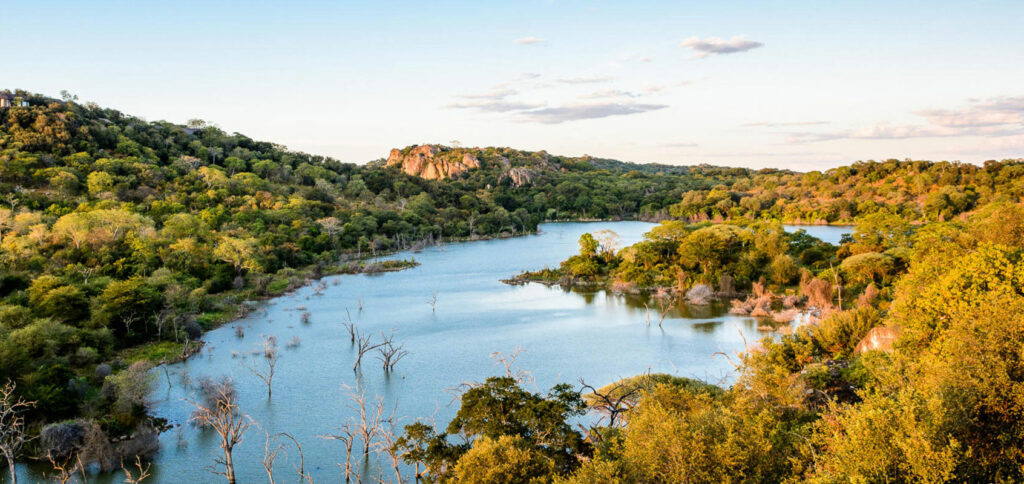
Home / Destinations / Zambia / Where to go to Zambia /
Lake Kariba
Lake Kariba ranks among the largest man-made lakes in the world and stands as one of Southern Africa’s most remarkable water-based safari destinations. The lake stretches along the border between Zambia and Zimbabwe and covers an immense surface area surrounded by mountains, forests, islands, and wildlife-rich shorelines. Its scale immediately defines the experience. Travellers often arrive expecting a lake, but Kariba feels more like an inland sea shaped by dramatic landscapes and constant wildlife movement.
The lake formed after the construction of the Kariba Dam on the Zambezi River in the late 1950s. Over time, the flooded valley created a thriving ecosystem that now supports fish populations, birdlife, crocodiles, hippos, and large mammals along the shoreline. Dead tree trunks still rise from sections of the water, creating one of the lake’s most iconic visual features and giving the landscape a raw, atmospheric appearance.
Lake Kariba combines safari travel with relaxation and water-based exploration. Travellers can spend mornings tracking wildlife along the shoreline and evenings watching sunsets over calm waters. The region attracts photographers, anglers, birdwatchers, safari travellers, and couples looking for scenic wilderness away from busy safari circuits.
Why Book This Destination
Explore More about Lake Kariba
Landscape and Environment Around Lake Kariba
Lake Kariba stretches for hundreds of kilometers through the Zambezi Valley and cuts across rugged terrain shaped by escarpments and forested hills. The surrounding environment changes from rocky shorelines and open water to woodland habitats filled with wildlife.
The lake creates a dramatic contrast against the dry landscapes of the Zambezi Valley. During sunrise and sunset, light reflects across the water and transforms the scenery into deep gold and orange tones. This gives the region a calm but visually powerful atmosphere throughout the day.
Many sections of the shoreline remain remote and undeveloped. Wildlife moves freely between forests and the water’s edge, especially during the dry season when animals depend heavily on the lake for drinking water. Islands scattered across the lake also add diversity to the environment and create isolated habitats for birds and smaller wildlife species.
The area experiences strong seasonal changes. The dry season creates clearer skies and concentrated wildlife activity, while the rainy season brings greener vegetation and dramatic storm formations over the water.
Wildlife Around Lake Kariba
Lake Kariba supports a wide range of wildlife both on land and in the water. The shoreline attracts elephants, buffalo, antelope, and predators that move through nearby forests and national park areas. Animals often gather close to the lake during the hottest parts of the dry season, which improves wildlife viewing opportunities.
Hippos dominate many quiet bays and channels, especially during the evening. Crocodiles rest along sandy banks and shallow edges of the lake, where they use the warm environment to regulate their body temperature.
Birdlife forms one of the strongest highlights around Lake Kariba. Fish eagles patrol above the water and create one of the region’s most recognizable safari sounds. Kingfishers, cormorants, herons, bee-eaters, and storks also appear frequently along the shoreline.
The lake also supports strong aquatic biodiversity. Tigerfish remain the most famous species and attract sport fishing enthusiasts from across Africa and beyond.
Boat Safaris and Houseboat Experiences
Boat safaris define the Lake Kariba experience. Travelers explore quiet channels, open water, and wildlife-rich shorelines while moving at a slow and relaxed pace. This creates a safari atmosphere built around scenery, observation, and calm exploration rather than constant movement.
Houseboats have become one of Lake Kariba’s signature experiences. These floating accommodations allow travelers to spend several days directly on the water while moving through different sections of the lake. Guests relax on open decks, watch wildlife from the shoreline, and enjoy uninterrupted sunset views.
Smaller safari boats also provide guided wildlife excursions. Guides navigate through shallow channels where hippos, crocodiles, and birds gather in high numbers. The slow pace allows photographers and birdwatchers to observe details closely.
Evenings on the lake often become the highlight of the journey. The water reflects changing sky colors while wildlife sounds carry across the shoreline in near-total silence.
Fishing in Lake Kariba
Lake Kariba ranks among Africa’s leading freshwater fishing destinations. The lake supports large tigerfish populations, which attract both experienced anglers and recreational travelers.
Tigerfish are known for their speed, strength, and aggressive feeding behavior. Fishing excursions usually take place from small motorboats guided by local experts familiar with seasonal fish movement and productive areas.
Other fish species such as bream and catfish also inhabit the lake, but tigerfish remain the primary focus for most visitors.
Fishing combines well with safari travel because many lodges and houseboats offer dedicated fishing trips alongside wildlife activities.
Safari Areas Around Lake Kariba
Several safari areas surround Lake Kariba and strengthen the region’s wildlife appeal. On the Zambian side, wildlife corridors connect sections of the lake to nearby protected areas and forest reserves.
On the Zimbabwean side, Matusadona National Park borders the lake and creates one of Southern Africa’s most scenic combinations of water and wildlife. Elephants, lions, buffalo, and antelope move between the park and the shoreline throughout the year.
These surrounding ecosystems allow travelers to combine land-based game drives with boat safaris and fishing experiences within the same itinerary.
The interaction between water and wildlife gives Lake Kariba a safari identity that differs from traditional savannah destinations.
Accommodation Around Lake Kariba
Accommodation around Lake Kariba ranges from luxury lakeside lodges to safari camps and fully serviced houseboats. Most properties focus on views, water access, and wildlife activity along the shoreline.
Luxury lodges offer spacious rooms, private decks, swimming pools, and guided safari activities. Many sit in elevated positions overlooking the lake, which provides wide panoramic views.
Midrange lodges maintain comfort while offering a more relaxed and nature-focused atmosphere. These properties often include fishing trips, sunset cruises, and guided wildlife excursions.
Houseboats provide the most immersive experience because guests live directly on the water for several days at a time.
Best Time to Visit Lake Kariba
The dry season from May to October offers the best overall conditions for wildlife viewing and boating activities. Animals gather close to the shoreline, skies remain clear, and temperatures stay comfortable during the cooler months.
Fishing conditions also improve during certain periods of the dry season when tigerfish activity increases.
The rainy season from November to April transforms the surrounding landscape into a greener environment. Storm clouds create dramatic scenery across the lake, and birdlife becomes more active during this period.
Water-based activities continue throughout much of the year, but seasonal weather conditions influence accessibility and visibility.
Who Should Visit Lake Kariba
Lake Kariba suits travelers who want a slower safari experience built around water, scenery, and relaxation. It works well for couples, photographers, birdwatchers, and anglers looking for something different from traditional safari circuits.
Adventure travelers enjoy combining boating, fishing, and wildlife viewing within one destination. The region also suits safari travelers who want quiet landscapes and low visitor density.
Lake Kariba appeals strongly to travelers who appreciate atmosphere, wide landscapes, and immersive wilderness experiences rather than fast-paced itineraries.
In Africa’s national parks, every sunrise paints a masterpiece — where the wild’s call echoes across endless horizons. Visiting these parks is to witness nature in its purest form, a timeless dance that stirs the soul.
Steps to Book Your Southern Africa Tour
Choose Your Adventure
Confirm Your Booking
Begin Your Journey
Ready to plan your tailor-made safari?