Lake Kariba
February 1, 2026
Livingstone and Mosi-oa-Tunya National Park
February 1, 2026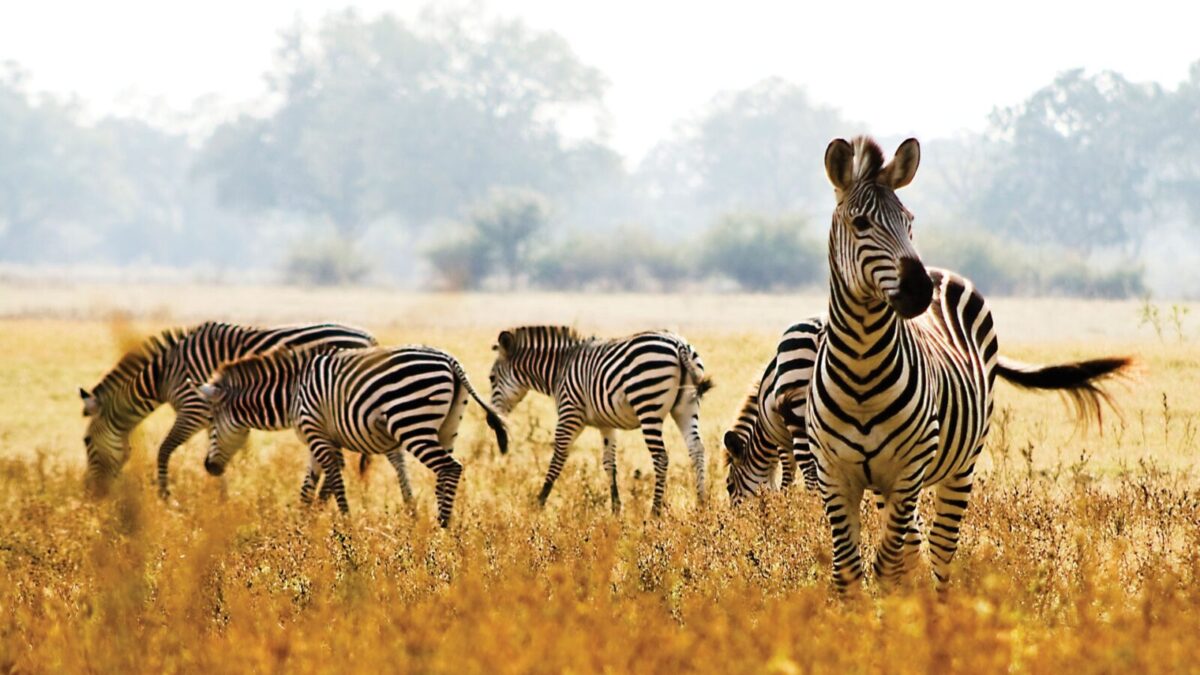
Home / Destinations / Zambia / Where to go to Zambia /
Liuwa Plain National Park
Liuwa Plain National Park stands among Africa’s most remote and untouched safari destinations. The park sits in western Zambia and stretches across vast open floodplains shaped by seasonal water movement and endless grasslands. It offers a completely different safari experience from Zambia’s woodland and river-based parks.
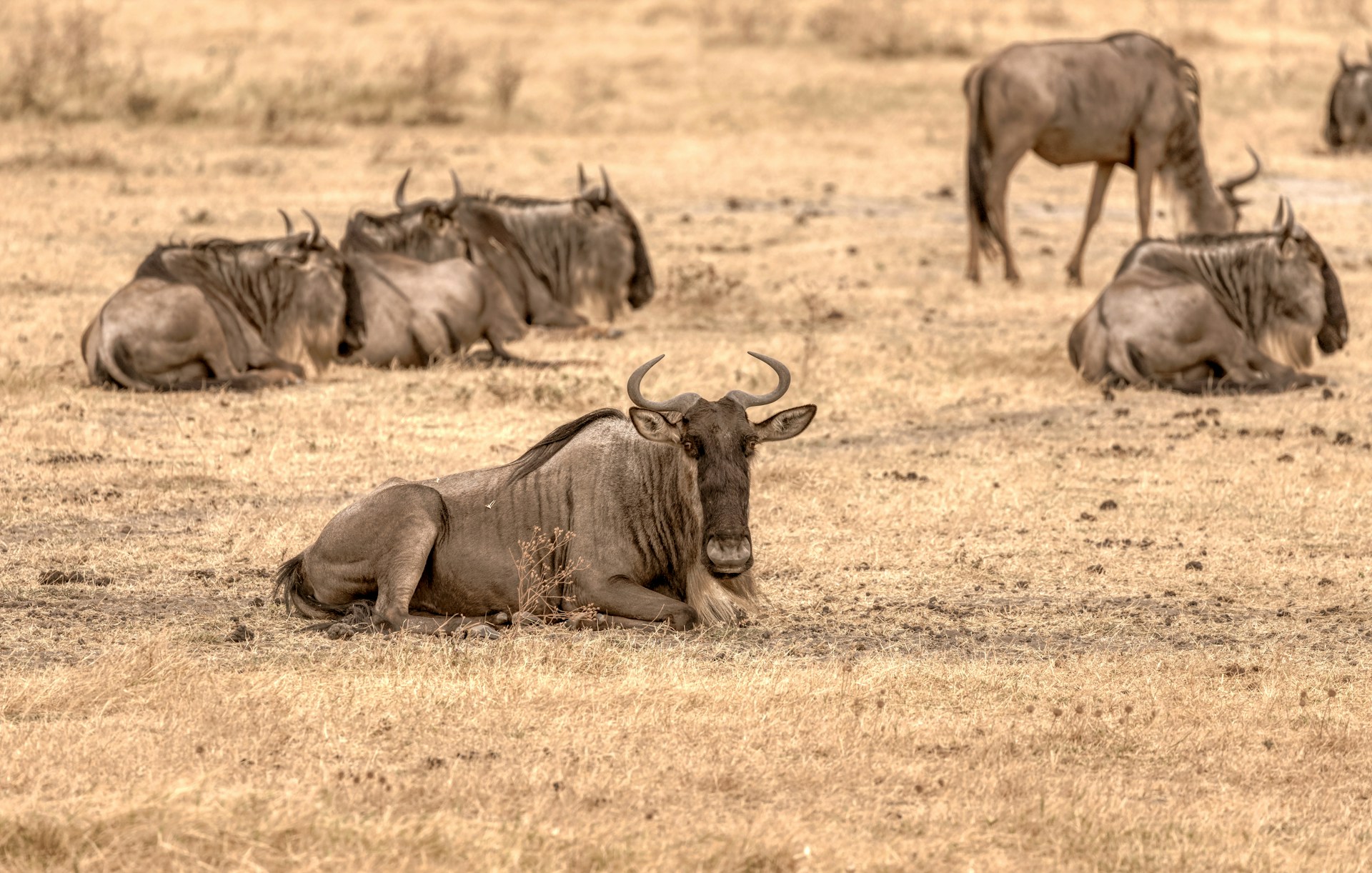
The landscape feels wide, exposed, and dramatic. During the rainy season, floodwaters spread across the plains and transform the ecosystem into a rich grazing ground. As water levels begin to retreat, thousands of wildebeest move across the grasslands in search of fresh pasture. This movement forms Africa’s second-largest wildebeest migration after the Serengeti.
Liuwa Plain also stands out because of its isolation. Very few travellers reach the park, which creates a strong sense of exclusivity and wilderness. Safari vehicles remain scarce, and wildlife sightings unfold without crowds or noise.
The park rewards travellers who appreciate raw landscapes, seasonal wildlife movement, and slow exploration. It focuses less on luxury tourism and more on natural immersion and conservation-driven travel.
Why Book This Destination
Explore More about Liuwa Plain National Park
Landscape and Environment of Liuwa Plain
Liuwa Plain features open floodplains, seasonal wetlands, and endless grasslands with very little tree cover. The horizon stretches far into the distance, which creates a strong sense of openness.
Seasonal flooding shapes the ecosystem. During the rainy season, water spreads across large sections of the plains and supports grass growth that attracts grazing animals.
As floodwaters begin to recede, the land changes rapidly. Fresh grazing areas emerge, and wildlife movement increases across the park.
The flat terrain creates dramatic skies and powerful sunset views. Storm systems move visibly across the plains during the wet season and add strong visual character to the landscape.
The environment feels wild and untouched due to the park’s remoteness and low visitor numbers.
The Wildebeest Migration in Liuwa Plain
Liuwa Plain hosts one of Africa’s most important wildlife migrations. Tens of thousands of wildebeest move across the plains in response to rainfall and fresh grass growth.
This migration follows seasonal patterns rather than fixed routes. Wildebeest spread across different sections of the park depending on water and grazing conditions.
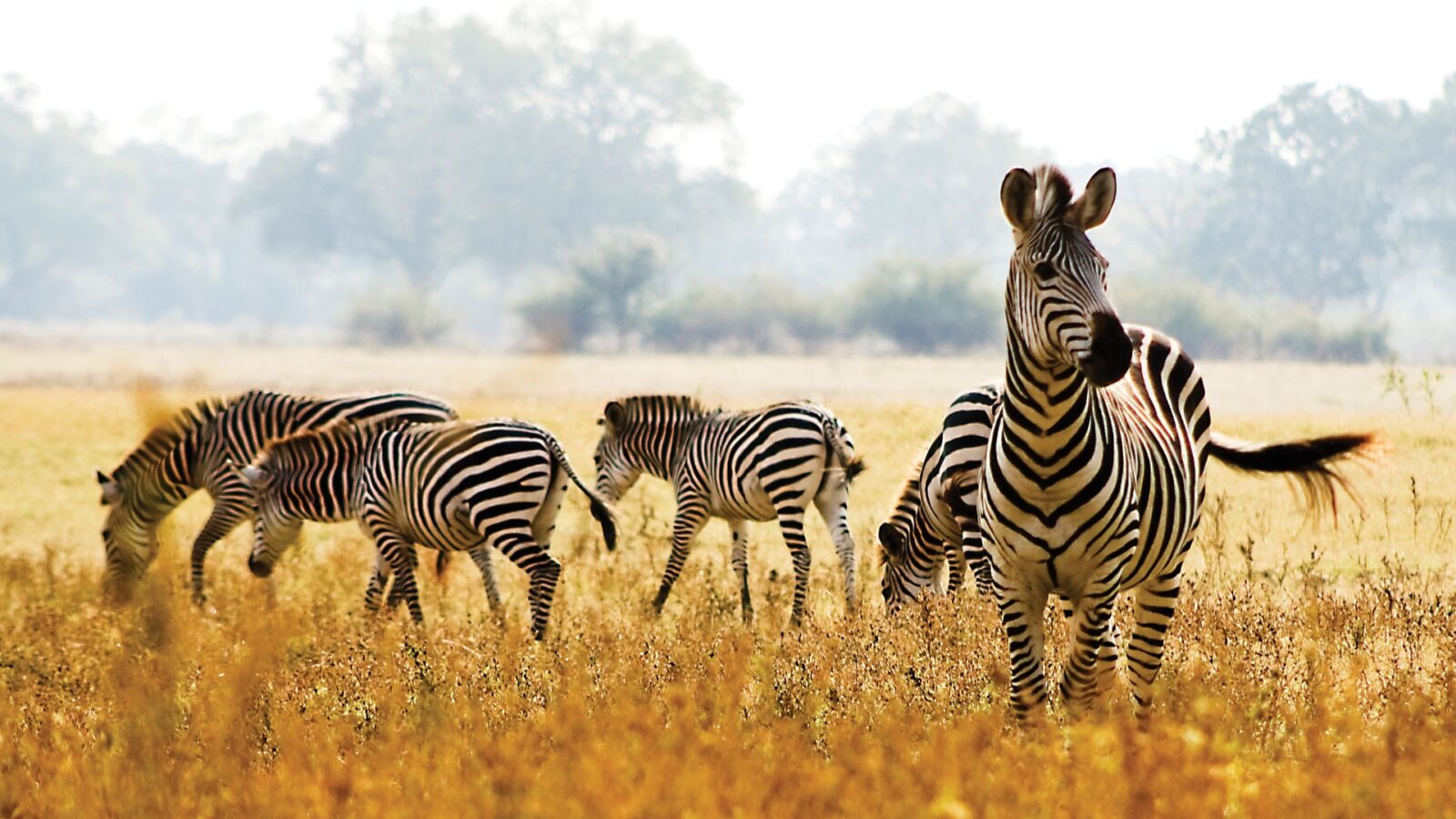
Zebras and other antelope species often move alongside the herds. Predators follow this movement and create dynamic wildlife interactions throughout the migration season.
Unlike the Serengeti, Liuwa’s migration unfolds in near-complete isolation. Travelers often witness large herds without other vehicles nearby.
The migration usually reaches peak visibility between November and December as rains begin to transform the plains.
Wildlife in Liuwa Plain National Park
Liuwa Plain supports a range of grassland and wetland wildlife species. Wildebeest dominate the ecosystem, but the park also supports predators and specialized birdlife.
Spotted hyenas remain highly active and form one of the park’s strongest predator populations. Lions have also returned through conservation efforts and continue to rebuild their presence.
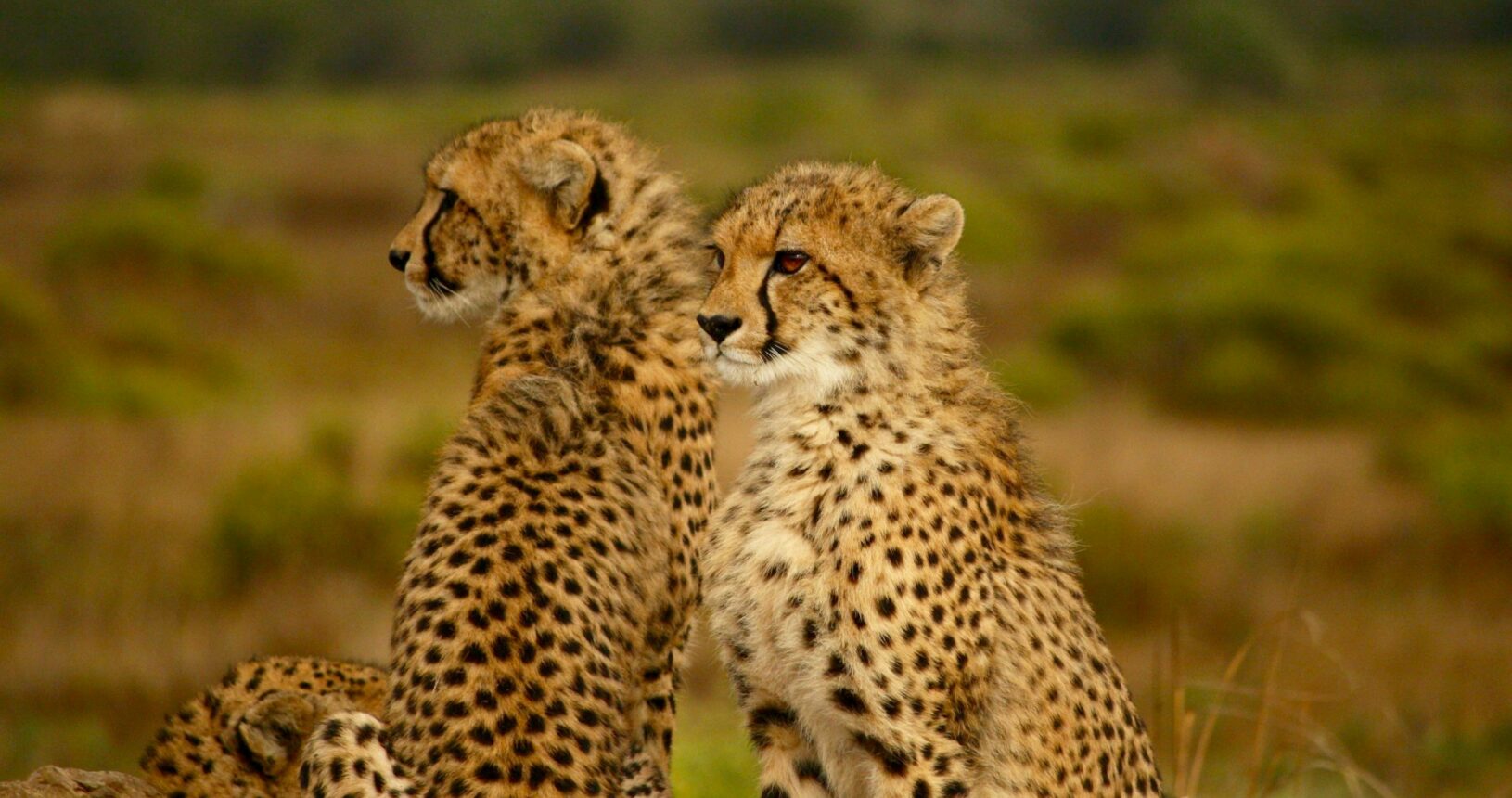
Cheetahs move across the open plains and use visibility to hunt grazing animals. Jackals and smaller predators also appear regularly.
Birdlife thrives during the wet season. Cranes, storks, egrets, and migratory species gather around seasonal wetlands and flooded grasslands.
Wildlife viewing depends heavily on seasonal conditions and water movement.
Safari Experience in Liuwa Plain
Safari experiences in Liuwa Plain focus on landscape immersion and seasonal wildlife movement rather than constant game density.
Game drives explore open plains where wildlife can appear across long distances. Guides track migration patterns and adjust routes based on seasonal conditions.
The open terrain creates strong photography opportunities. Travelers capture dramatic skies, reflections, and wildlife movement across the plains.
The park’s isolation also shapes the experience. You spend long periods without seeing other vehicles, which strengthens the feeling of wilderness.
Travel in Liuwa requires flexibility because road conditions change significantly during the rainy season.
Birdwatching in Liuwa Plain
Liuwa Plain attracts birdwatchers from across the region due to its wetland ecosystem and seasonal flooding.
Floodplains support waterbirds during the rainy season, while grasslands attract raptors and migratory species.
Species such as wattled cranes, crowned cranes, pelicans, and storks appear regularly in wetland areas.
The wide-open environment also makes bird observation easier because visibility remains excellent across the plains.
Birdlife reaches its highest diversity during and immediately after the rainy season.
Conservation and Community Importance
Liuwa Plain plays an important role in Zambia’s conservation efforts. Conservation programs focus on wildlife recovery, habitat protection, and community involvement.
Local communities maintain historical ties to the landscape and participate in conservation partnerships connected to the park.
Lion restoration programs have helped re-establish predator populations after years of decline.
The park’s low tourism numbers help preserve ecological balance and reduce environmental pressure.
Accommodation in Liuwa Plain
Accommodation in Liuwa Plain remains limited and exclusive. Small safari camps provide access to key wildlife areas while maintaining low environmental impact.
Luxury camps focus on comfort within a remote setting. Guests enjoy open plains views, guided game drives, and seasonal migration experiences.
The remote location limits large-scale lodge development, which helps maintain the park’s wilderness atmosphere.
Access often depends on seasonal road conditions or light aircraft transfers.
Best Time to Visit Liuwa Plain
The experience in Liuwa Plain changes dramatically with the seasons.
The migration season from November to December offers one of the best times to witness wildebeest movement across the plains. Storms and fresh grass create dramatic scenery during this period.
The dry season from May to October improves road access and creates easier travel conditions. Wildlife remains visible near remaining water sources.
The rainy season transforms the landscape but also creates travel challenges due to flooding and muddy terrain.
Each season offers different photographic and wildlife opportunities.
Who Should Visit Liuwa Plain National Park
Liuwa Plain suits experienced safari travelers who want remote wilderness and seasonal migration experiences. It appeals strongly to photographers, birdwatchers, and conservation-focused travelers.
The park does not suit travellers looking for dense year-round wildlife sightings or highly developed safari infrastructure.
Travelers who value solitude, dramatic landscapes, and natural migration systems will appreciate the park most.
In Africa’s national parks, every sunrise paints a masterpiece — where the wild’s call echoes across endless horizons. Visiting these parks is to witness nature in its purest form, a timeless dance that stirs the soul.
Steps to Book Your Southern Africa Tour
Choose Your Adventure
Confirm Your Booking
Begin Your Journey
Ready to plan your tailor-made safari?