Kafue National Park
February 1, 2026
Lake Kariba
February 1, 2026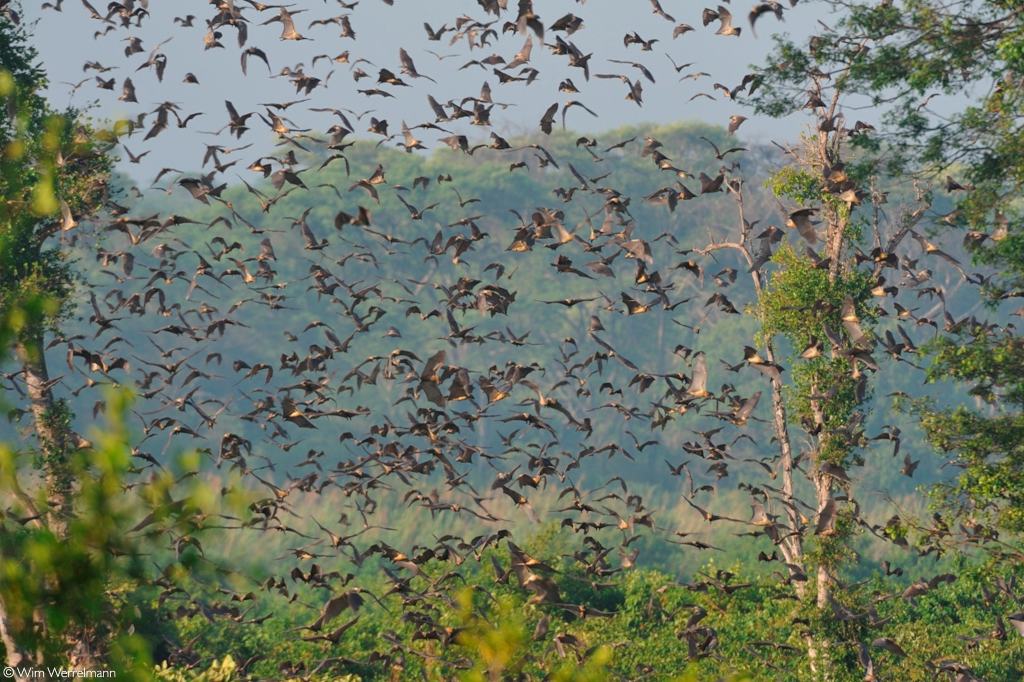
Home / Destinations / Zambia / Where to go to Zambia /
Kasanka National Park
Kasanka National Park ranks among Zambia’s most unique wildlife destinations because it combines wetlands, forests, rivers, and seasonal wildlife spectacles within a relatively compact protected area. The park sits in northern Zambia and protects an ecosystem shaped by permanent water sources, swamp forests, grasslands, and miombo woodland. Although Kasanka remains smaller than Zambia’s major safari parks, it delivers exceptional biodiversity and one of Africa’s most remarkable natural events.
The park has gained international recognition for the annual bat migration that takes place between October and December. During this period, millions of fruit bats arrive in the swamp forest and create the largest mammal migration on earth by number. The movement transforms the sky at sunset as enormous bat colonies rise above the forest canopy in search of fruit.
Kasanka also offers much more than its bat migration. The park supports strong birdlife, rare antelope species, primates, wetlands, and quiet safari experiences without heavy tourism pressure. Travellers explore the region through walking trails, game drives, canoe routes, and elevated wildlife hides that overlook rivers and floodplains.
The experience in Kasanka feels peaceful and immersive. Rather than focusing only on large predators, the park rewards travellers who appreciate ecosystems, birding, seasonal wildlife movement, and slow exploration.
Why Book This Destination
Explore More about Kasanka National Park
Landscape and Environment of Kasanka National Park
Kasanka features a rich mix of wetlands, papyrus swamps, floodplains, woodland, and evergreen forest patches. Permanent rivers and seasonal streams run through the park and create year-round water availability, which supports diverse habitats and wildlife species.
The landscape changes noticeably across different sections of the park. Swamp forests dominate low-lying wetland areas, while miombo woodlands cover drier ground and provide habitat for antelope and birdlife. Open grasslands appear around floodplain systems where grazing animals gather during certain seasons.
Water shapes nearly every part of the ecosystem. Rivers such as the Luwombwa and Kasanka flow through the park and support fish populations, birds, and aquatic wildlife. Mist often rises from wetland areas during early morning hours, creating calm and scenic safari conditions.
The combination of forest, swamp, and woodland gives Kasanka a distinct ecological identity compared to Zambia’s more open savannah parks.
The Bat Migration in Kasanka
The annual bat migration defines Kasanka’s global reputation. Between late October and December, millions of straw-colored fruit bats arrive from across Central Africa and gather inside a small section of swamp forest within the park.
During the day, the bats fill the trees in extraordinary numbers. At sunset, they rise into the sky in massive waves and spread across the surrounding region to feed on seasonal fruits. The movement creates one of Africa’s most dramatic wildlife spectacles.
The migration attracts photographers, conservationists, and wildlife enthusiasts from around the world. Elevated viewing platforms allow travelers to watch the bats emerge directly above the forest canopy.
Predators such as fish eagles and other raptors also gather during this period because the migration creates abundant feeding opportunities.
Unlike traditional safari events that focus on large mammals, the Kasanka migration highlights the ecological importance of smaller but highly influential species.
Wildlife in Kasanka National Park
Kasanka supports a diverse range of wildlife despite its relatively small size. Wetlands and forests create ideal habitat for species that rarely appear in Zambia’s drier safari regions.
The park protects sitatungas, rare swamp-dwelling antelopes specially adapted to wetland environments. Puku, bushbuck, reedbuck, and duiker also move through grassland and woodland areas.
Primates such as vervet monkeys and baboons appear regularly around forest edges and river systems.
Predator density remains lower than in Zambia’s major safari parks, but servals, civets, and smaller carnivores inhabit the area. Leopards also move quietly through parts of the park, although sightings remain less frequent.
The ecosystem supports rich biodiversity because of its permanent water and varied habitat structure.
Birdwatching in Kasanka National Park
Kasanka ranks among Zambia’s strongest birdwatching destinations. Wetlands, rivers, swamp forests, and woodland habitats attract a high diversity of resident and migratory species throughout the year.
Birdwatchers regularly spot African finfoots, wattled cranes, shoebills, kingfishers, bee-eaters, herons, and fish eagles in nearby wetland systems. Woodland areas also support hornbills, barbets, and various raptor species.
The park’s water systems create ideal conditions for wetland birds, especially during the rainy season when seasonal flooding expands feeding areas.
Birding in Kasanka feels relaxed because visitor numbers remain low and habitats stay quiet and undisturbed.
Safari Activities in Kasanka
Kasanka offers a slower and more ecological safari experience than traditional game-viewing parks. Activities focus on immersion, observation, and exploration of different habitats.
Walking safaris allow travelers to explore woodland trails and wetland edges while learning about smaller species, tracks, and plant life. Guides explain ecosystem relationships and seasonal changes throughout the park.
Game drives move through open grasslands and woodland areas where antelope and birdlife appear most frequently. Wildlife viewing feels calm and uncrowded due to the park’s low tourism numbers.
Canoe trips along sections of the park’s waterways provide another perspective of the wetlands and birdlife.
Observation hides near swamps and rivers allow quiet wildlife viewing without disturbing animals.
Conservation and Ecological Importance
Kasanka plays an important conservation role within Zambia’s wetland ecosystem network. The park protects habitats that support rare species and migratory wildlife.
Conservation programs focus heavily on wetland protection, biodiversity research, and community involvement. These efforts help preserve critical swamp forest systems and maintain wildlife corridors.
The bat migration also contributes to ecological balance because fruit bats help disperse seeds across large distances throughout Central Africa.
Kasanka’s management model combines tourism, conservation, and local community participation in order to support long-term sustainability.
Accommodation in Kasanka National Park
Accommodation in Kasanka includes safari lodges, tented camps, and bush camps positioned near wetlands and wildlife-rich areas. Most properties maintain a quiet and nature-focused atmosphere that matches the park’s style.
Luxury camps offer comfortable rooms, guided activities, and direct access to key birding and bat migration sites. These camps often include elevated viewing decks overlooking swamps or floodplains.
Midrange lodges provide practical comfort and strong guiding services while keeping guest numbers low.
The small scale of tourism infrastructure helps preserve the peaceful character of the park.
Best Time to Visit Kasanka National Park
The dry season from May to October offers easier road access and strong birdwatching opportunities. Wildlife gathers near permanent water sources during this period, which improves sightings.
The bat migration season from late October to December represents the park’s most famous travel period. This is the best time to witness the massive fruit bat movement.
The rainy season transforms the park into a greener and wetter landscape. Birdlife increases significantly, although some roads become more difficult to navigate.
Each season offers a different ecological experience depending on traveler interests.
Who Should Visit Kasanka National Park
Kasanka suits travelers who enjoy birdwatching, wetland ecosystems, and unusual wildlife spectacles. It appeals strongly to photographers, naturalists, and conservation-focused travelers.
The park does not focus on high predator density or traditional Big Five safaris. Instead, it rewards patience, observation, and appreciation for ecological diversity.
Travelers who want quiet safari experiences away from busy tourism circuits will find strong value in Kasanka.
In Africa’s national parks, every sunrise paints a masterpiece — where the wild’s call echoes across endless horizons. Visiting these parks is to witness nature in its purest form, a timeless dance that stirs the soul.
Steps to Book Your Southern Africa Tour
Choose Your Adventure
Confirm Your Booking
Begin Your Journey
Ready to plan your tailor-made safari?