Wildlife in Namibia
February 1, 2026
Kasanka National Park
February 1, 2026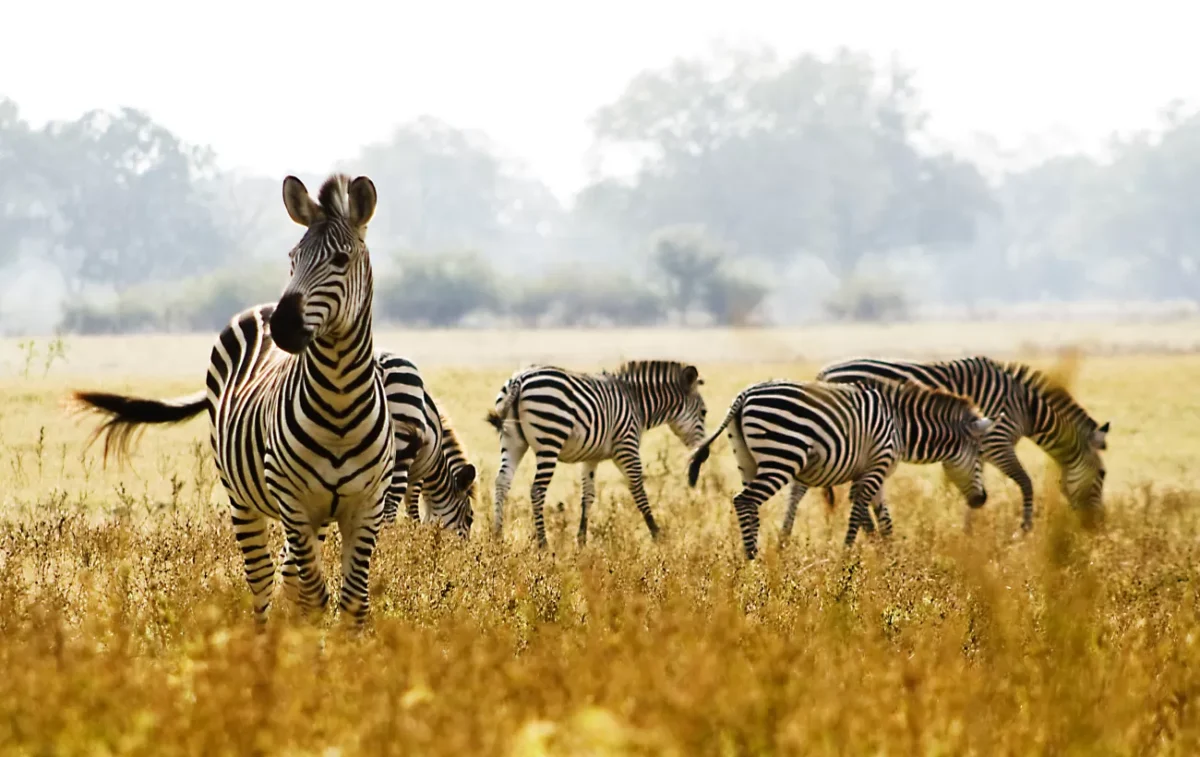
Home / Destinations / Zambia / Where to go to Zambia /
Kafue National Park
Kafue National Park stands as the largest national park in Zambia and one of the biggest protected wilderness areas in Africa. The park stretches across an enormous section of western and central Zambia and covers a landscape filled with rivers, floodplains, woodlands, and open grasslands. Its size creates remarkable ecological diversity and supports a wide range of wildlife species across different habitats.
Unlike more compact safari destinations, Kafue offers a sense of scale that shapes the entire experience. Travellers move through landscapes that feel endless, with long stretches of untouched wilderness and very few vehicles. The park does not rely on crowded wildlife sightings or busy safari circuits. Instead, it rewards patience, exploration, and immersion in nature.
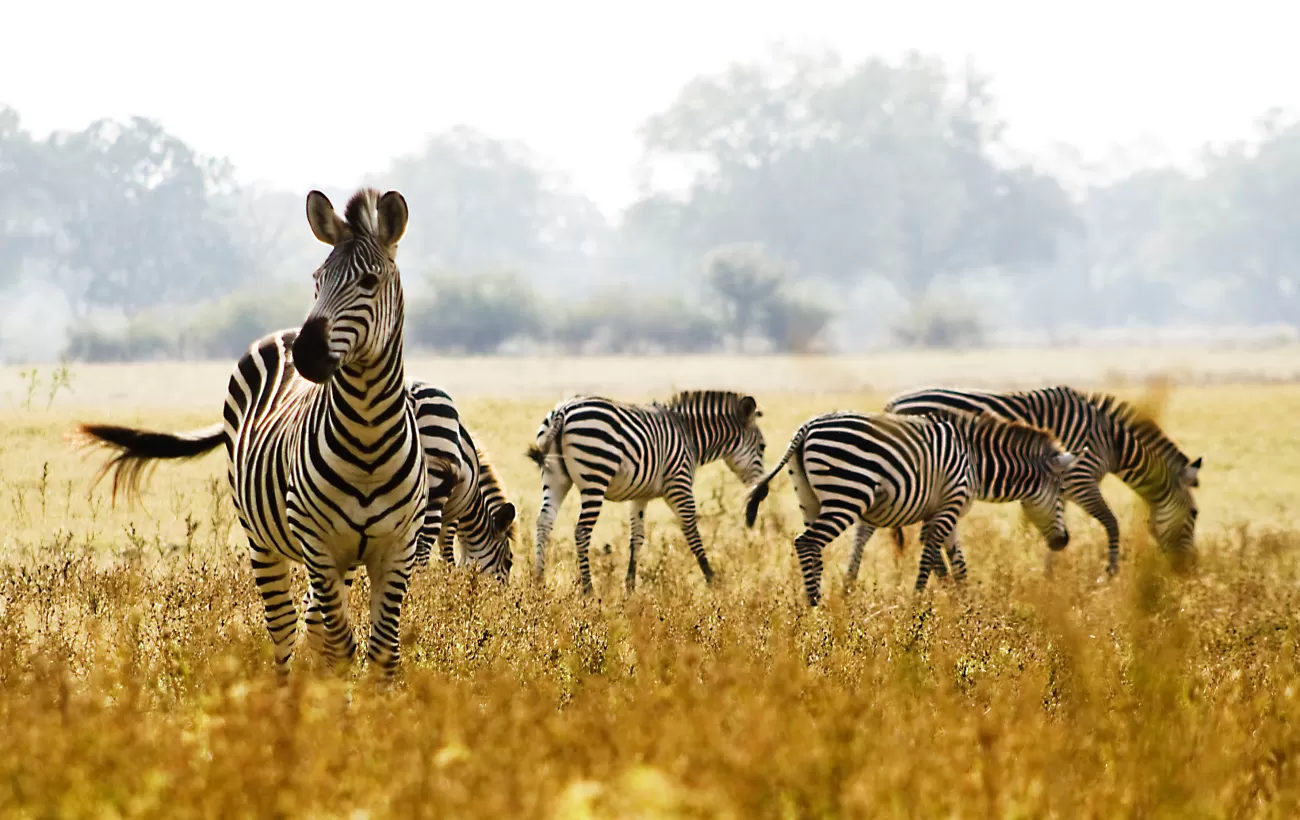
Kafue also delivers one of Zambia’s most varied safari experiences. Travellers can explore floodplains filled with antelope herds, cruise along river systems rich in birdlife, track predators through woodland habitats, and walk through remote bush areas with experienced guides. Each region of the park offers a different ecological character.
Despite its immense size and wildlife diversity, Kafue still receives fewer visitors than many famous African safari parks. This keeps the atmosphere quiet and exclusive while preserving the park’s untamed identity.
Why Book This Destination
Explore More about Kafue National Park
Landscape and Environment of Kafue National Park
Kafue contains one of the most diverse landscapes in Southern Africa. Rivers, seasonal wetlands, dense woodlands, and open plains combine to create habitats that support both grazing animals and predators.
The Kafue River runs through much of the park and shapes its ecosystem. Tributaries, lagoons, and floodplains spread outward from the river and create fertile wildlife zones throughout the year.
Miombo woodland dominates large sections of the park and provides shelter for antelope, elephants, and predators. Open grasslands appear in other regions, especially around the Busanga Plains in the north.
The Busanga Plains form one of Kafue’s most famous landscapes. Seasonal flooding transforms the plains into rich grazing grounds that attract large herbivore populations and the predators that follow them.
The scale of the environment gives Kafue a strong wilderness atmosphere. Travellers often spend hours exploring without seeing another vehicle.
Wildlife in Kafue National Park
Kafue supports one of the richest wildlife populations in Zambia due to its varied habitats and large protected area.
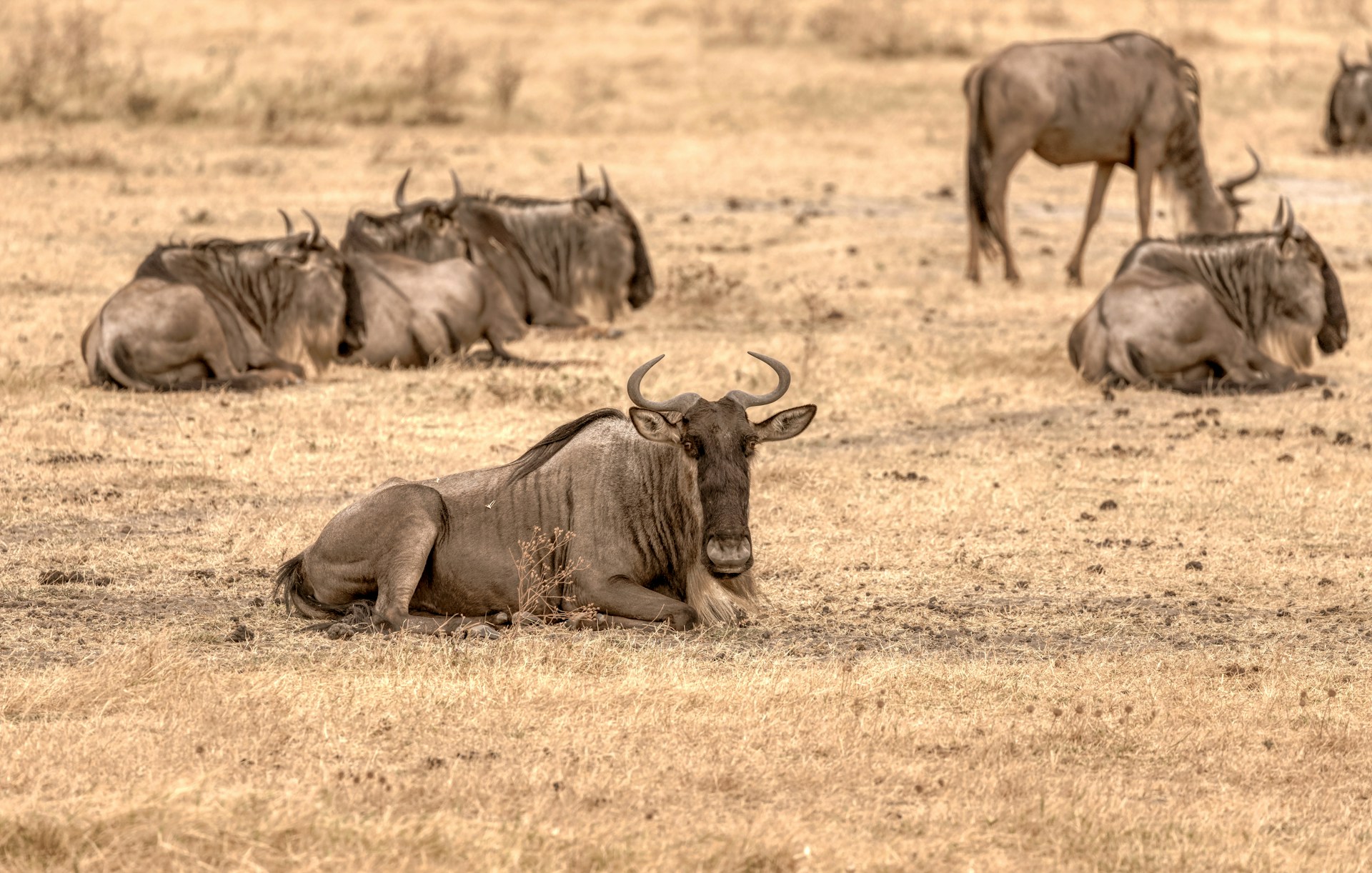
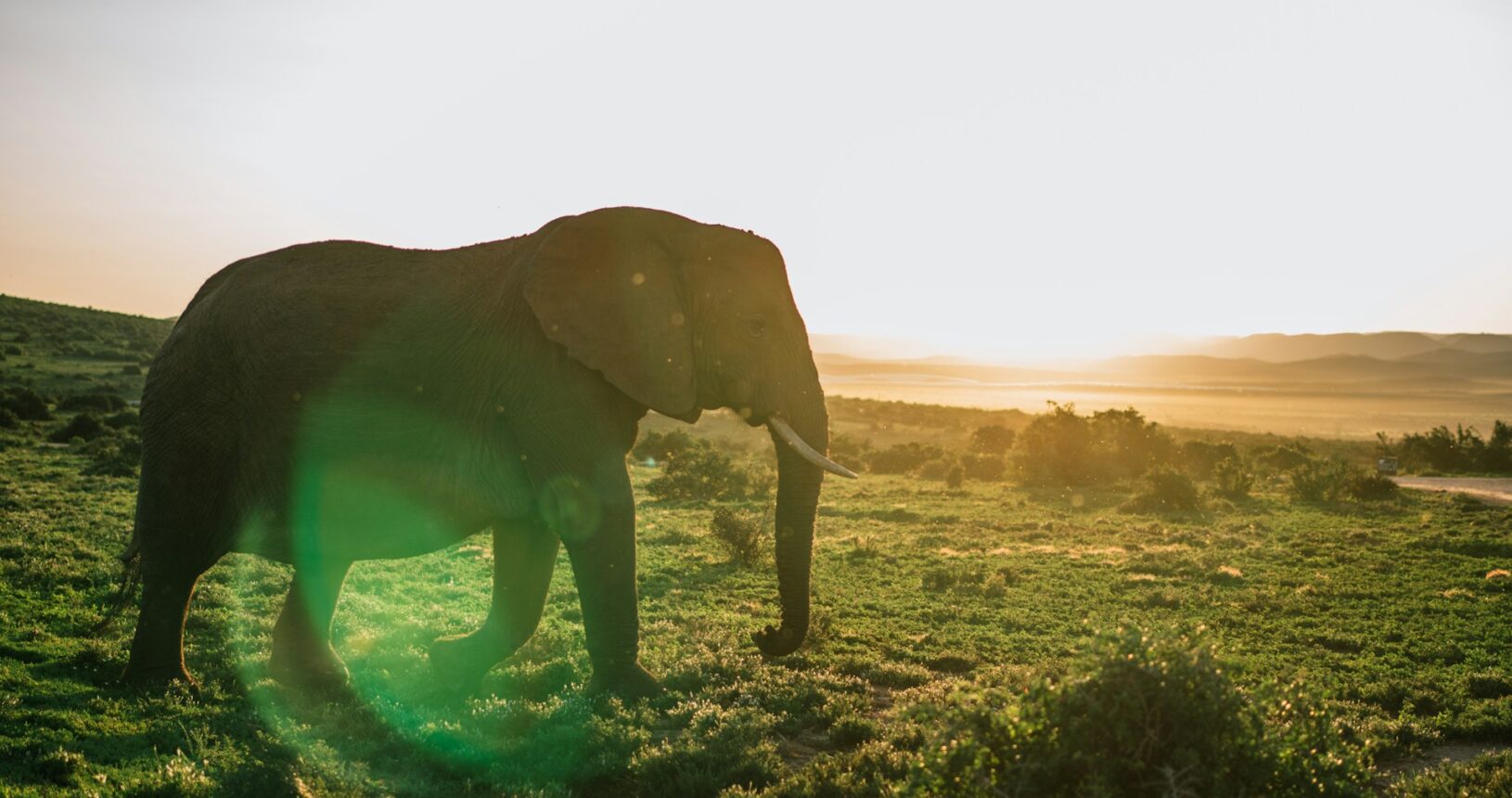
Elephants move through woodland and river systems across the park. Buffalo herds gather near floodplains, while antelope species such as puku, sable, red lechwe, and kudu appear in different ecological zones.
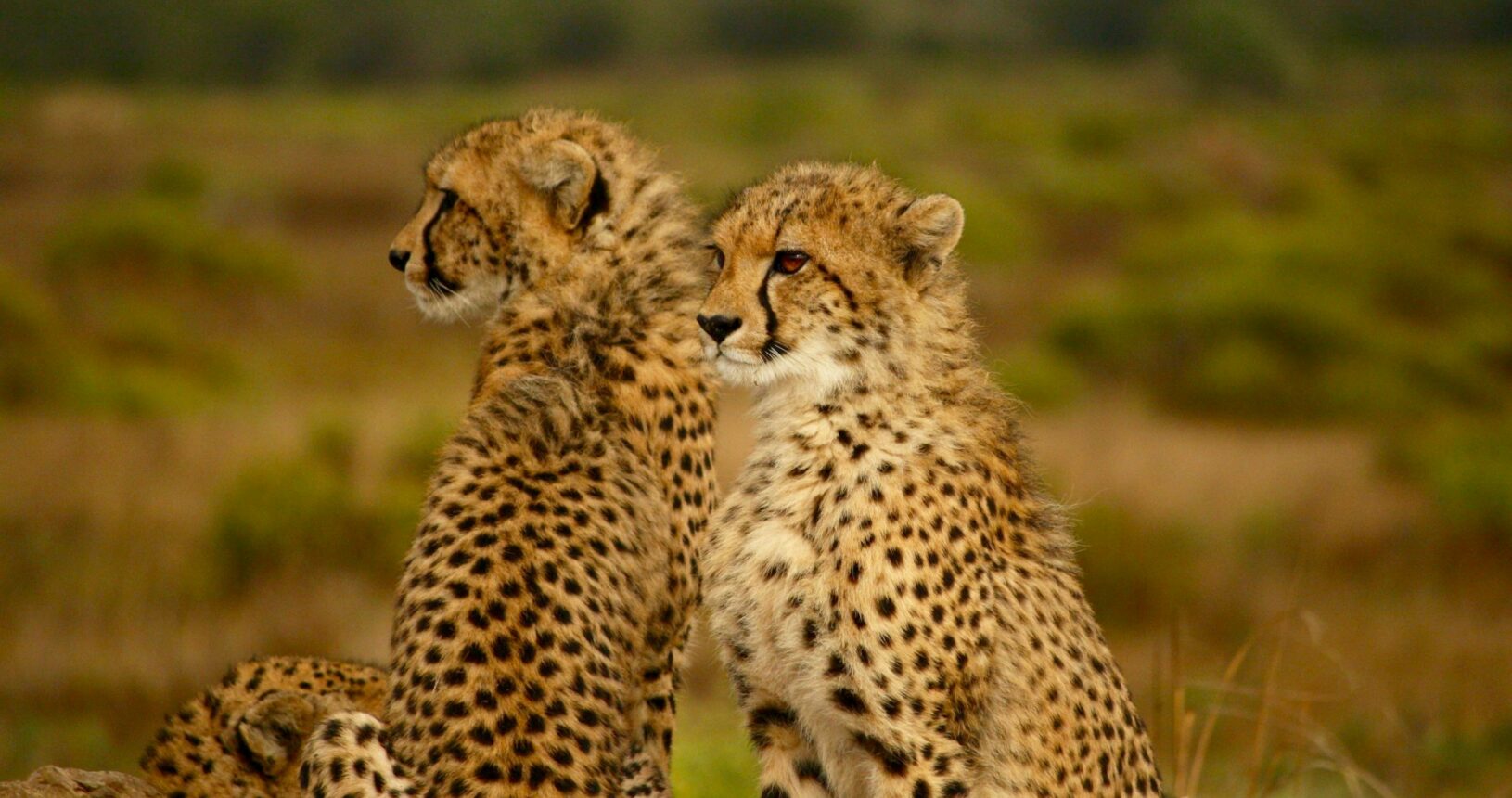
The park also supports strong predator populations. Lions patrol open plains and woodland edges, while leopards move through denser vegetation and riverine forests. Cheetahs appear mainly around the Busanga Plains where open terrain supports high-speed hunting.
Wild dogs thrive in parts of Kafue and represent one of the park’s major conservation successes. The remote nature of the park helps protect these highly mobile predators.
Hippos and crocodiles dominate many river sections, while birdlife flourishes across wetlands and floodplain systems.
The Busanga Plains Experience
The Busanga Plains rank among the most important wildlife areas inside Kafue National Park. These floodplains sit in the northern section of the park and attract large concentrations of animals during the dry season.
As seasonal waters begin to retreat, fresh grass grows across the plains and draws antelope herds into open grazing areas. Predators follow this movement and create strong game-viewing opportunities.
Lions often rest on termite mounds that rise above the plains, while cheetahs use open visibility to track prey. Large herds of red lechwe and puku move through the grasslands throughout the day.
The scenery also stands out dramatically. Morning mist, open skies, and reflective floodwaters create excellent photography conditions.
Safari drives in Busanga feel expansive and uninterrupted because visitor numbers remain relatively low.
Boat Safaris and River Exploration
The Kafue River and its connected waterways create opportunities for boat safaris and river-based wildlife viewing.
Boat trips move through calm channels where hippos, crocodiles, and waterbirds gather along the banks. Elephants and buffalo frequently appear near the shoreline during the dry season.
The slow pace of river safaris allows travellers to observe wildlife behaviour closely while enjoying quieter sections of the park.
Sunset cruises also provide scenic views across the floodplains and river systems. Birdlife becomes particularly active during late afternoon hours when temperatures begin to cool.
River exploration adds a different perspective to the safari experience and complements traditional game drives.
Walking Safaris in Kafue
Walking safaris allow travellers to experience Kafue at ground level. Guides lead small groups through woodland and floodplain habitats while explaining animal tracks, vegetation, and ecosystem relationships.
These walks focus on awareness and observation rather than covering large distances quickly. Travellers learn how wildlife interacts with the landscape and how guides interpret movement patterns.
Walking safaris also reveal smaller ecological details often missed during vehicle-based exploration. Insects, birds, plant species, and spoor become central parts of the experience.
The remote atmosphere of Kafue strengthens the feeling of immersion during guided walks.
Birdwatching in Kafue National Park
Kafue supports exceptional bird diversity due to its combination of wetlands, woodland, and river habitats. Birdwatchers can observe hundreds of species across different sections of the park throughout the year.
Wetlands attract cranes, storks, egrets, herons, and migratory waterbirds. Woodland habitats support hornbills, barbets, bee-eaters, and raptors.
The Busanga Plains become especially productive during the wet season when seasonal flooding creates ideal feeding conditions for waterbirds.
The park’s low tourism density allows quiet and uninterrupted birdwatching experiences.
Accommodation in Kafue National Park
Accommodation in Kafue ranges from luxury bush camps to comfortable midrange safari lodges positioned near rivers, floodplains, and wildlife corridors.
Luxury camps focus on privacy, guiding quality, and access to remote safari areas. Guests often stay in tented suites or chalets overlooking river systems or open plains.
Midrange lodges provide comfortable safari experiences with guided activities and smaller guest numbers.
Many camps operate seasonally, especially around the Busanga Plains, where access depends on flood conditions.
The low concentration of lodges helps preserve the park’s quiet wilderness character.
Best Time to Visit Kafue National Park
The dry season from May to October offers the best wildlife viewing conditions. Animals gather near rivers and remaining water sources, which improves sightings across the park.
The Busanga Plains usually become fully accessible from around July onward as floodwaters retreat.
The cooler months from June to August provide comfortable temperatures for game drives and walking safaris.
The wet season from November to April transforms the park into a greener environment with increased birdlife and dramatic landscapes. However, heavy rains can limit road access in certain areas.
Each season offers a different safari experience depending on traveller interests.
Who Should Visit| Kafue National Park
Kafue suits travellers who want remote wilderness, varied ecosystems, and low-density safari experiences. It appeals strongly to photographers, birdwatchers, conservation travellers, and experienced safari enthusiasts.
The park works especially well for travellers who enjoy combining game drives, boat safaris, and walking experiences within one destination.
Kafue also suits visitors who value space and solitude rather than crowded wildlife sightings.
In Africa’s national parks, every sunrise paints a masterpiece — where the wild’s call echoes across endless horizons. Visiting these parks is to witness nature in its purest form, a timeless dance that stirs the soul.
Steps to Book Your Southern Africa Tour
Choose Your Adventure
Confirm Your Booking
Begin Your Journey
Ready to plan your tailor-made safari?