Remote Safaris
February 10, 2026
Great Migration Safaris
February 10, 2026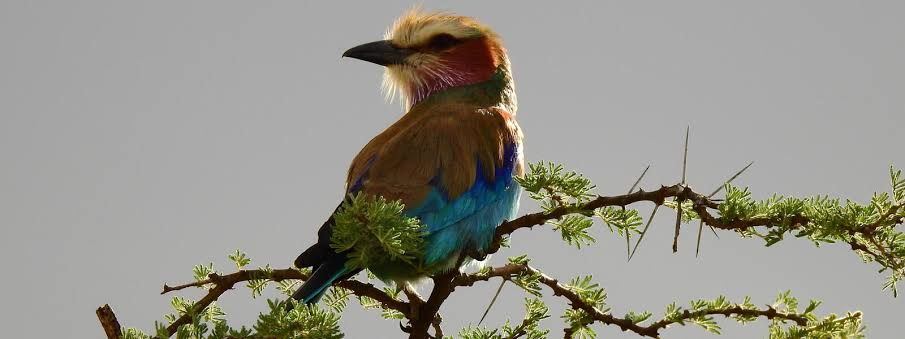
Birding Safaris in Tanzania
A birding safari in Tanzania offers a unique way to explore the country’s incredible natural landscapes. While Tanzania is famous for lions, elephants, and the Great Migration, it also ranks among Africa’s best bird watching destinations.
With more than 1,100 recorded bird species, Tanzania provides exceptional opportunities for both experienced birders and travelers who simply enjoy nature. The country’s diverse habitats support a remarkable variety of birds, including colorful forest species, large birds of prey, waterbirds, and rare regional endemics.
From the grasslands of the Serengeti to the forests of the Eastern Arc Mountains and the wetlands of Lake Manyara, every region offers different birding experiences. A Tanzania birding safari combines wildlife viewing, photography, and peaceful exploration of some of Africa’s most beautiful environments.
Why Book This Destination
Explore More about Birding Safaris in Tanzania
Why Choose Tanzania for a Birding Safari?
Tanzania is one of the most rewarding destinations for bird enthusiasts because of its extraordinary habitat diversity. The country includes savannah plains, tropical forests, wetlands, mountains, lakes, and coastal ecosystems.
Each environment supports different bird species. Open grasslands attract ostriches, secretary birds, and raptors, while forests provide homes for colorful species found nowhere else in the world.
The country’s location along important migratory routes also makes it a great destination throughout the year. During certain seasons, migratory birds join Tanzania’s resident species, creating even greater diversity.
A birding safari in Tanzania allows travelers to experience nature at a slower pace while discovering the hidden beauty of the country’s ecosystems.
Bird Diversity in Tanzania
The incredible variety of wildlife in Tanzania includes a spectacular range of bird species. The country records more than 1,100 species, making it one of Africa’s top bird watching destinations.
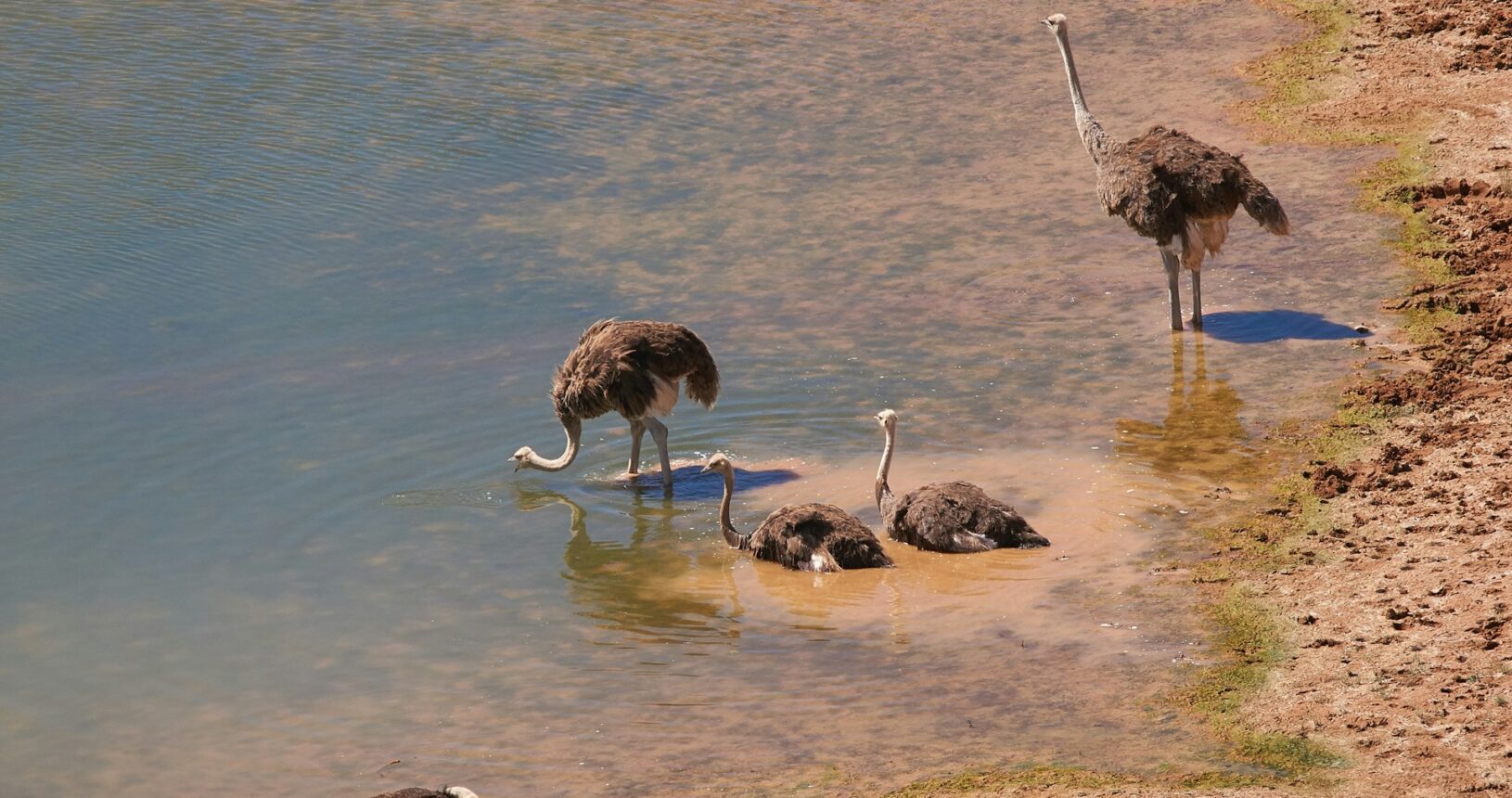
Bird enthusiasts can observe large birds such as ostriches, marabou storks, crowned cranes, and secretary birds. The skies also feature impressive predators, including eagles, hawks, vultures, and kestrels.
Colorful species such as lilac-breasted rollers, bee-eaters, kingfishers, and sunbirds create excellent photography opportunities.
Tanzania also protects several endemic and near-endemic species found only within specific regions, especially in forest ecosystems.
Birding in Serengeti National Park
The Serengeti National Park offers more than the famous Great Migration. It also provides outstanding birding opportunities across its vast grasslands and woodland areas.
The open plains attract ground birds such as ostriches, kori bustards, and secretary birds. Raptors are also common, including tawny eagles, bateleur eagles, and various vultures.
During game drives, visitors often notice colorful birds following wildlife. Oxpeckers, for example, feed on parasites found on large mammals such as buffaloes and giraffes.
The combination of iconic wildlife and diverse bird species makes Serengeti an excellent destination for a complete safari experience.
Bird Watching in Ngorongoro Conservation Area
The Ngorongoro Conservation Area offers some of Tanzania’s most rewarding birding experiences. The combination of forests, grasslands, wetlands, and volcanic landscapes creates habitats for many species.
Lake Magadi, located inside the Ngorongoro Crater, attracts large numbers of flamingos and other waterbirds. The crater’s grasslands support raptors, ground birds, and many smaller species.
The surrounding highland forests provide opportunities to see forest birds and species adapted to cooler mountain environments.
Birding in Ngorongoro combines spectacular scenery with excellent wildlife viewing.
Birding in Lake Manyara National Park
Lake Manyara National Park remains one of Tanzania’s most famous birding destinations. The park contains forests, wetlands, and open areas that attract hundreds of bird species.
The alkaline lake attracts large flocks of flamingos, pelicans, storks, and other waterbirds. During certain seasons, the shoreline becomes a spectacular display of color and movement.
The park also supports forest birds, including hornbills, kingfishers, and various songbirds.
A visit to Lake Manyara provides one of the best opportunities to experience Tanzania’s bird diversity in a compact area.
Birding in Tarangire National Park
Tarangire National Park offers excellent bird watching throughout the year. The park’s baobab trees, river systems, and woodland habitats support a wide range of species.
Visitors can observe colorful birds such as lilac-breasted rollers, yellow-collared lovebirds, and barbets.
The Tarangire River attracts many birds during the dry season when wildlife gathers around remaining water sources.
The park’s peaceful environment allows birders to enjoy close observations away from crowded safari routes.
Forest Birding in Tanzania
Tanzania’s forests provide some of the country’s most unique birding experiences. The Eastern Arc Mountains contain ancient forests with many rare species.
Udzungwa Mountains National Park protects important forest habitats and offers opportunities to see endemic birds. The area is known for species that do not occur anywhere else.
Other forest destinations include the Usambara Mountains and coastal forests, where visitors can discover rare and colorful bird species.
Forest birding requires patience because many species remain hidden among dense vegetation. However, the experience provides some of Tanzania’s most rewarding discoveries.
Coastal and Island Birding
Tanzania’s coastal areas and islands provide excellent birding opportunities. Zanzibar, Mafia Island, and coastal wetlands support many marine and coastal bird species.
Visitors can observe herons, egrets, kingfishers, sandpipers, and other water-associated birds.
The combination of bird watching and beach experiences makes coastal Tanzania ideal for travelers who want both relaxation and nature exploration.
A safari extension to Zanzibar can add a different dimension to a Tanzania wildlife adventure.
Best Time for a Birding Safari in Tanzania
A birding safari in Tanzania is possible throughout the year, but different seasons provide different experiences.
The months between November and April are especially rewarding because migratory birds arrive from Europe and Asia. During this period, bird numbers increase, and many species display breeding colors.
The dry season from June to October provides excellent wildlife viewing because animals gather around water sources. Bird activity remains strong, especially in national parks.
For photographers, the green season offers beautiful landscapes, nesting activity, and excellent opportunities to capture birds surrounded by lush scenery.
Bird Photography in Tanzania
Tanzania provides excellent conditions for bird photography. The variety of habitats and species creates endless opportunities for capturing memorable images.
A camera with a suitable zoom lens helps photographers capture birds from a respectful distance. Binoculars also improve identification and viewing.
Early mornings and late afternoons provide the best light for photography. During these times, birds are often more active and easier to observe.
Patience remains essential during bird photography. Some of Tanzania’s rarest species require careful observation and time.
Combining Birding with a Wildlife Safari
One of the advantages of a Tanzania birding safari is the opportunity to combine bird watching with traditional wildlife experiences.
While searching for birds, travelers can also encounter elephants, lions, giraffes, zebras, and other iconic animals.
Professional guides often have strong knowledge of both wildlife and bird species. They can explain bird behavior, identify calls, and help visitors find special sightings.
This combination makes Tanzania ideal for travelers who want a complete nature experience.
Conservation and Bird Protection in Tanzania
Protecting bird habitats remains an important part of Tanzania’s conservation efforts. National parks and protected areas preserve ecosystems that support thousands of bird species.
Responsible tourism helps fund conservation programs and supports communities living near protected areas.
Birding tourism also encourages habitat protection because visitors value the preservation of natural environments.
By choosing responsible safari operators, travelers contribute to protecting Tanzania’s remarkable birdlife.
Plan Your Safari
A birding safari in Tanzania reveals a different side of Africa’s natural beauty. Beyond the famous wildlife, Tanzania offers an incredible world of colors, sounds, and unique bird species waiting to be discovered.
From flamingos beside volcanic lakes to colorful rollers flying across the Serengeti plains, every birding experience creates unforgettable memories.
With diverse habitats, expert guides, and world-class national parks, Tanzania remains one of Africa’s best destinations for bird lovers and nature enthusiasts.
In Africa’s national parks, every sunrise paints a masterpiece — where the wild’s call echoes across endless horizons. Visiting these parks is to witness nature in its purest form, a timeless dance that stirs the soul.
Steps to Book Your Southern Africa Tour
Choose Your Adventure
Confirm Your Booking
Begin Your Journey
Ready to plan your tailor-made safari?