Mountain Climbing Safaris
February 10, 2026
Birding Safaris
February 10, 2026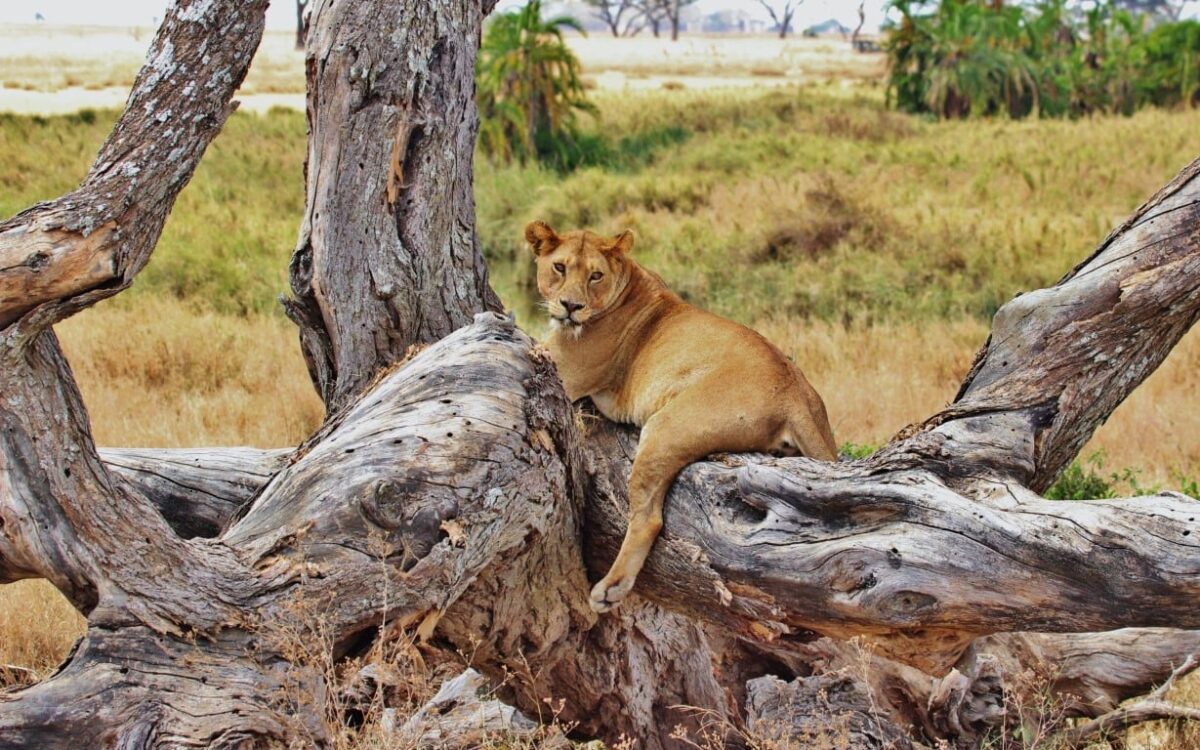
Remote Safaris in Tanzania
Remote safaris in Tanzania offer travelers the chance to explore wild landscapes away from busy tourist routes. These experiences focus on privacy, authentic encounters, and deeper connections with nature. Instead of following crowded safari circuits, remote safaris take visitors into lesser-known wilderness areas where wildlife thrives in peaceful surroundings.
Tanzania is one of Africa’s best destinations for remote safari adventures because of its vast protected areas, diverse ecosystems, and untouched landscapes. From the wild plains of Ruaha National Park to the waterways of Nyerere National Park and the forests of Mahale Mountains, Tanzania provides exceptional opportunities for exploration.
A Tanzania remote safari allows travelers to experience Africa in a more exclusive way. Guests enjoy quiet game drives, personalized guiding, and unique wildlife encounters far from large crowds.
Why Book This Destination
Explore More about Remote Safaris in Tanzania
Why Choose a Remote Safari in Tanzania?
A remote safari in Tanzania provides a more intimate alternative to traditional safari experiences. Many travelers now seek destinations that offer privacy, fewer vehicles, and authentic wilderness experiences.
Remote parks often have lower visitor numbers compared to famous destinations such as the Serengeti and Ngorongoro Crater. This creates a calmer atmosphere where guests can enjoy wildlife sightings without competition from many safari vehicles.
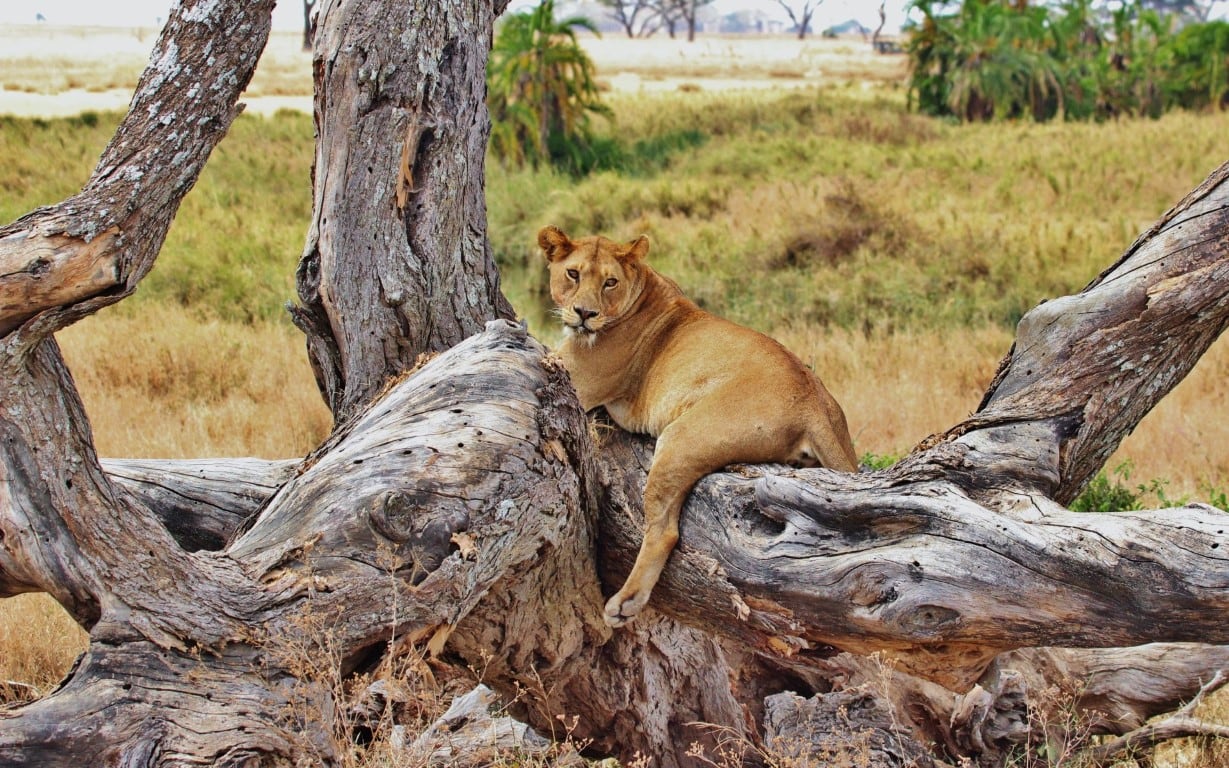
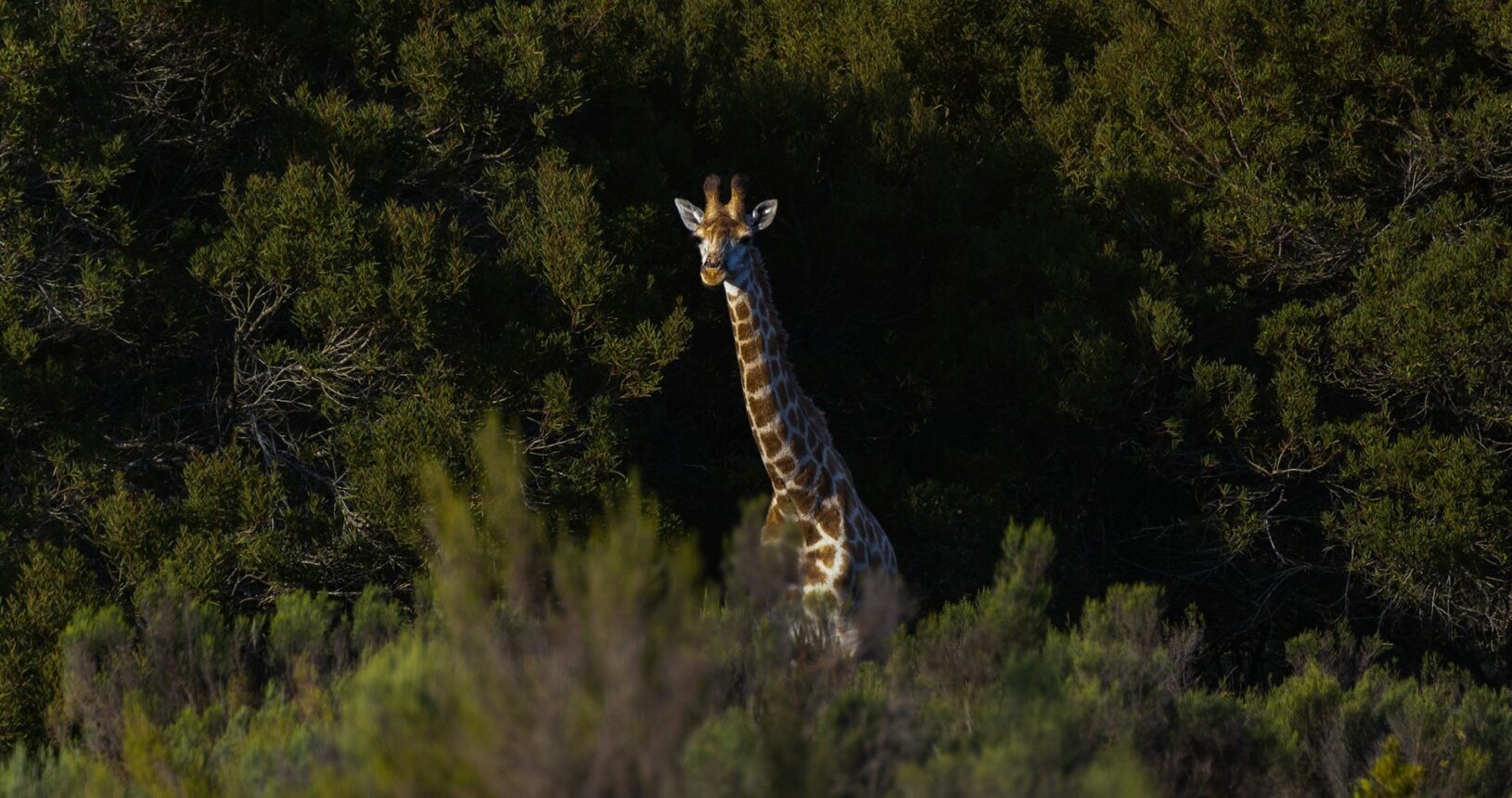
These areas also support incredible biodiversity. Travelers can encounter elephants, lions, leopards, wild dogs, buffaloes, giraffes, and many other species while exploring untouched environments.
Remote safaris are ideal for travelers who value adventure, exclusivity, and the feeling of discovering a hidden part of Africa.
Ruaha National Park: Tanzania’s Wild Heart
Ruaha National Park is one of the best destinations for a remote safari in Tanzania. Located in the southern part of the country, Ruaha protects one of East Africa’s largest wilderness areas.
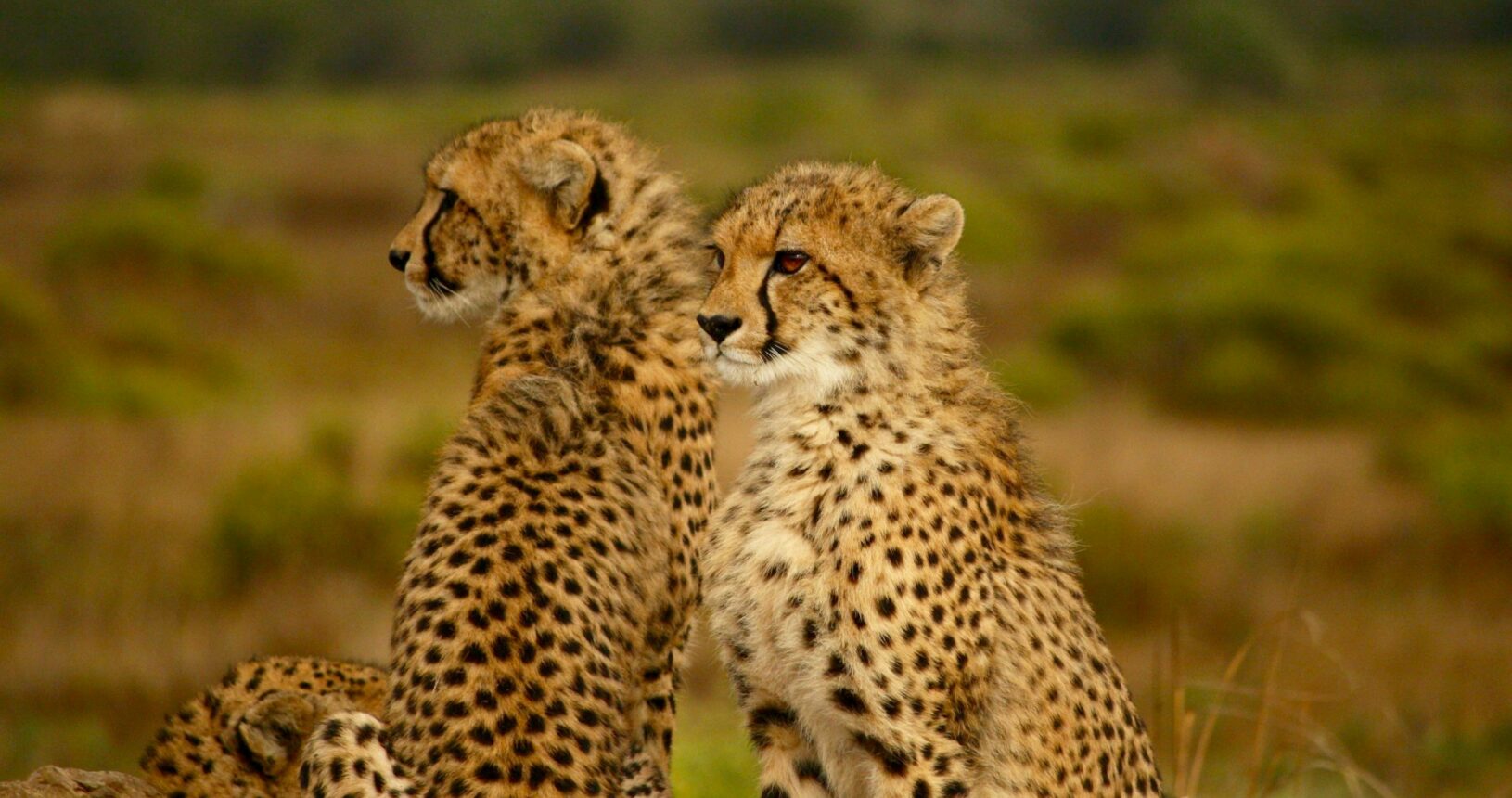
The park is famous for its large elephant populations, dramatic landscapes, and excellent predator sightings. Lions, leopards, cheetahs, and African wild dogs thrive in the park’s diverse habitats.
Ruaha offers a true wilderness atmosphere because fewer travelers visit compared to northern safari destinations. Game drives often take place with very few other vehicles around.
The Great Ruaha River attracts wildlife during the dry season, creating excellent opportunities to observe animals gathering around water sources.
A Ruaha remote safari provides adventure, solitude, and unforgettable wildlife experiences.
Nyerere National Park: Remote Wildlife and River Adventures
Formerly known as Selous Game Reserve, Nyerere National Park offers one of Tanzania’s most unique remote safari experiences.
The park covers a vast wilderness area with rivers, lakes, wetlands, and open landscapes. Its size allows visitors to explore areas that feel completely untouched.
Nyerere is famous for its boat safaris along the Rufiji River. Guests can observe hippos, crocodiles, elephants, and waterbirds from a peaceful perspective.
The park also offers walking safaris and traditional game drives. These activities create a deeper understanding of the ecosystem and its wildlife.
For travelers seeking a diverse and quiet safari experience, Nyerere provides an exceptional wilderness adventure.
Mahale Mountains National Park: Remote Chimpanzee Experiences
Located along the shores of Lake Tanganyika, Mahale Mountains National Park offers one of Tanzania’s most remote wildlife experiences.
The park combines tropical forests, mountains, and crystal-clear waters. It is famous for its wild chimpanzee populations and long-term conservation research.
Chimpanzee trekking in Mahale allows visitors to walk through ancient forests while searching for these intelligent primates.
Beyond chimpanzees, the park offers beautiful hiking opportunities, bird watching, and relaxing boat experiences on Lake Tanganyika.
Because of its remote location, Mahale provides a rare sense of discovery and isolation.
Katavi National Park: Africa’s Hidden Wilderness
Katavi National Park represents one of Tanzania’s most untouched safari destinations. Located in western Tanzania, the park offers vast landscapes and exceptional wildlife viewing with very few visitors.
The park is known for large buffalo herds, elephants, hippos, and impressive predator activity.
During the dry season, animals gather around shrinking water sources, creating dramatic wildlife scenes.
Katavi provides the feeling of exploring Africa as early travelers experienced it, with wide-open landscapes and incredible solitude.
A Katavi safari suits adventurous travelers searching for a truly remote African experience.
Serengeti Private and Remote Safari Experiences
Although the Serengeti National Park is Tanzania’s most famous safari destination, travelers can still enjoy remote experiences within the ecosystem.
Private concessions and less-visited areas provide exclusive access to wildlife habitats away from busy areas.
Remote Serengeti safaris offer opportunities to experience the Great Migration, predator sightings, and incredible landscapes in a quieter setting.
Mobile camps allow travelers to stay close to seasonal wildlife movements while enjoying comfort in the wilderness.
A private Serengeti safari combines iconic wildlife with a more personal experience.
Best Time for Remote Safaris in Tanzania
The best time for a remote safari in Tanzania depends on the destination and activities you want to enjoy.
The dry season from June to October is popular because wildlife gathers around water sources, making animals easier to locate.
During this period, parks such as Ruaha, Nyerere, and Katavi provide excellent game viewing opportunities.
The green season from November to May creates beautiful landscapes, fewer visitors, and excellent bird watching opportunities.
The best months for a remote safari often depend on your preferred experience, whether you want wildlife concentration, photography opportunities, or peaceful exploration.
Activities on Remote Safaris
A Tanzania remote safari offers more than traditional game drives. These experiences often include activities that create a deeper connection with nature.
Walking safaris allow visitors to explore the wilderness on foot while learning about animal tracks, plants, and ecosystems from expert guides.
Boat safaris provide opportunities to discover rivers and wetlands while observing aquatic wildlife.
Night game drives in selected areas reveal nocturnal animals such as leopards, bush babies, and other creatures rarely seen during the day.
Cultural experiences with local communities also add meaning to remote safari journeys.
Accommodation on Remote Safaris
Remote safari accommodation focuses on comfort while maintaining a close connection with nature.
Mobile tented camps provide flexibility and allow travelers to stay near wildlife areas during different seasons.
Small safari lodges offer personalized service, peaceful surroundings, and excellent access to remote locations.
Many camps operate with sustainability in mind, using environmentally friendly practices and supporting conservation programs.
The smaller size of remote camps creates a more private and exclusive atmosphere.
Photography on Remote Safaris
Remote safaris in Tanzania provide excellent opportunities for wildlife photography. Fewer vehicles and untouched landscapes allow photographers to capture natural moments without distractions.
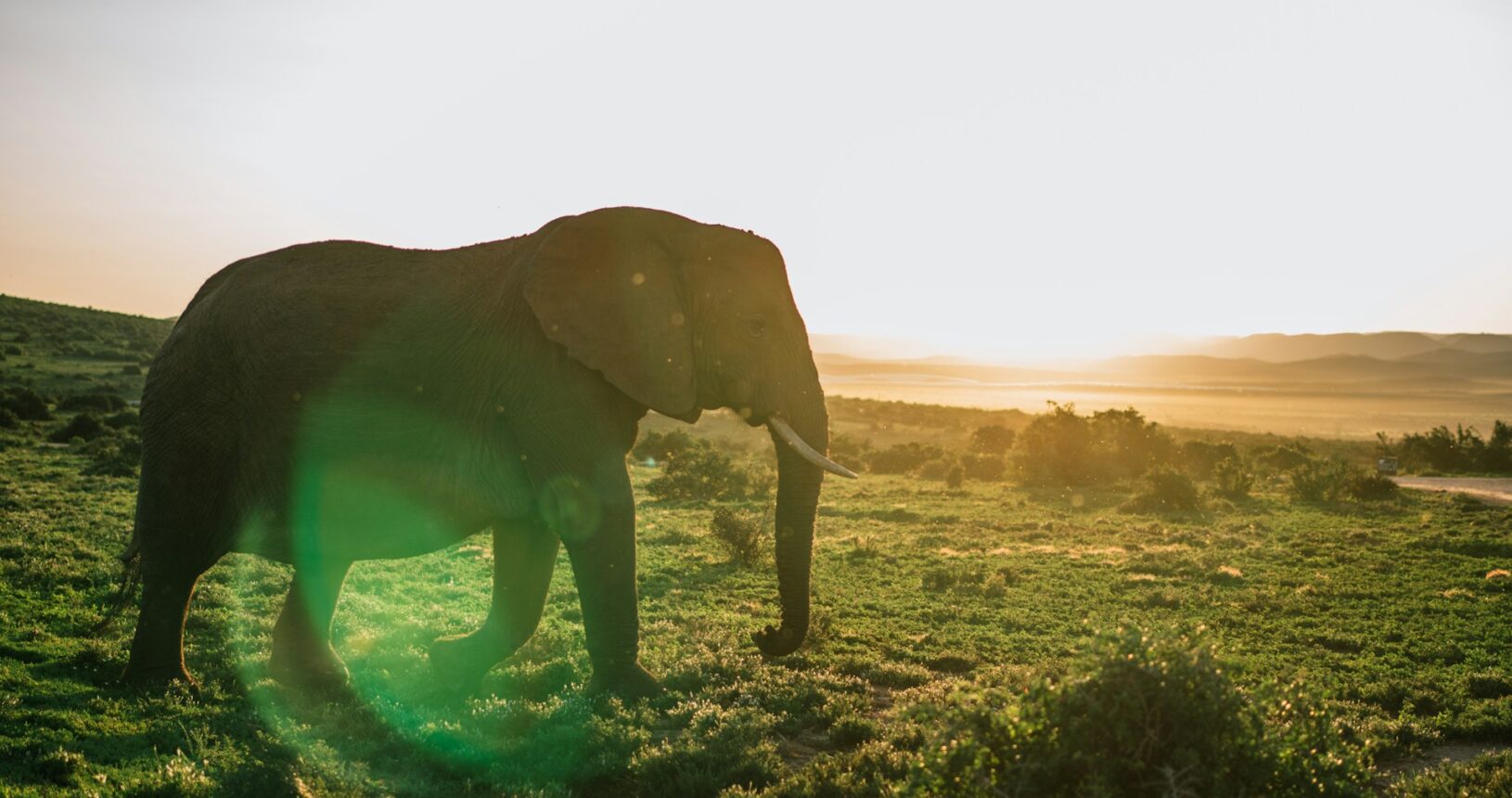
The quiet environment helps visitors observe animal behavior more closely. Photographers can capture elephants moving through wilderness areas, predators hunting, and birds in their natural habitats.
Early mornings and late afternoons provide the best lighting conditions for photography.
Remote destinations also offer unique landscape photography opportunities, from rivers and mountains to endless wilderness views.
Conservation and Responsible Remote Tourism
Remote safaris play an important role in protecting Tanzania’s wilderness areas. Tourism revenue supports conservation efforts, wildlife monitoring, and community development programs.
Many remote safari operators work closely with local communities to create sustainable opportunities.
Responsible travel practices help reduce environmental impact and protect fragile ecosystems.
By choosing remote safari experiences, travelers contribute to preserving some of Africa’s most important wilderness areas.
Who Should Choose a Remote Safari?
A remote safari in Tanzania suits travelers looking for privacy, adventure, and authentic wildlife encounters.
It is ideal for photographers, couples, honeymoon travelers, experienced safari visitors, and anyone who wants to escape crowded destinations.
Families and first-time safari travelers can also enjoy remote experiences when they choose suitable locations and accommodation.
Remote safaris provide a slower, more meaningful way to experience Tanzania’s natural beauty.
Plan Your Safari
Remote safaris in Tanzania reveal the country’s wildest and most untouched landscapes. From the predator-rich plains of Ruaha to the chimpanzee forests of Mahale Mountains and the rivers of Nyerere, these journeys provide unforgettable experiences.
Tanzania’s remote wilderness areas offer privacy, adventure, and authentic connections with nature. Travelers who venture beyond the popular routes discover a side of Africa filled with silence, beauty, and incredible wildlife.
For those seeking a truly exclusive safari experience, Tanzania’s remote destinations provide the perfect escape into the heart of the wild.
In Africa’s national parks, every sunrise paints a masterpiece — where the wild’s call echoes across endless horizons. Visiting these parks is to witness nature in its purest form, a timeless dance that stirs the soul.
Steps to Book Your Southern Africa Tour
Choose Your Adventure
Confirm Your Booking
Begin Your Journey
Ready to plan your tailor-made safari?