Birding Safaris
February 10, 2026Horseback Riding Safaris
February 10, 2026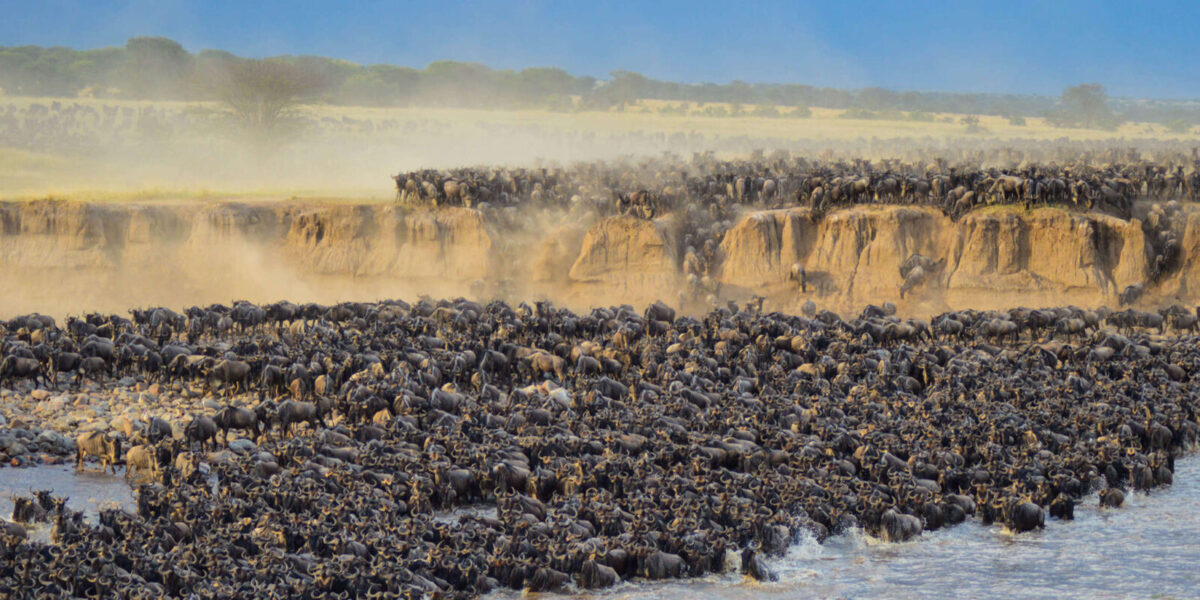
Great Migration Safaris in Tanzania
Great Migration safaris in Tanzania offer one of the most extraordinary wildlife experiences on Earth. Every year, more than one million wildebeests, hundreds of thousands of zebras, and large numbers of gazelles move across the Serengeti ecosystem in search of fresh grass and water.
This incredible natural journey creates dramatic scenes of survival, movement, and predator encounters. Lions, cheetahs, leopards, hyenas, and crocodiles follow the herds, creating some of Africa’s most unforgettable wildlife moments.
Tanzania provides the longest and most diverse part of the migration cycle. The Serengeti hosts the herds for much of the year, from the calving season in the south to the dramatic river crossings in the north.
A Tanzania Great Migration safari combines spectacular wildlife viewing, beautiful landscapes, and expert-guided experiences in one of Africa’s most famous wilderness areas.
Why Book This Destination
Explore More about Great Migration Safaris in Tanzania
What Is the Great Migration?
The Great Migration is an annual movement of millions of grazing animals through the Serengeti-Mara ecosystem. The journey follows seasonal rainfall patterns as animals search for fresh grazing areas and water.
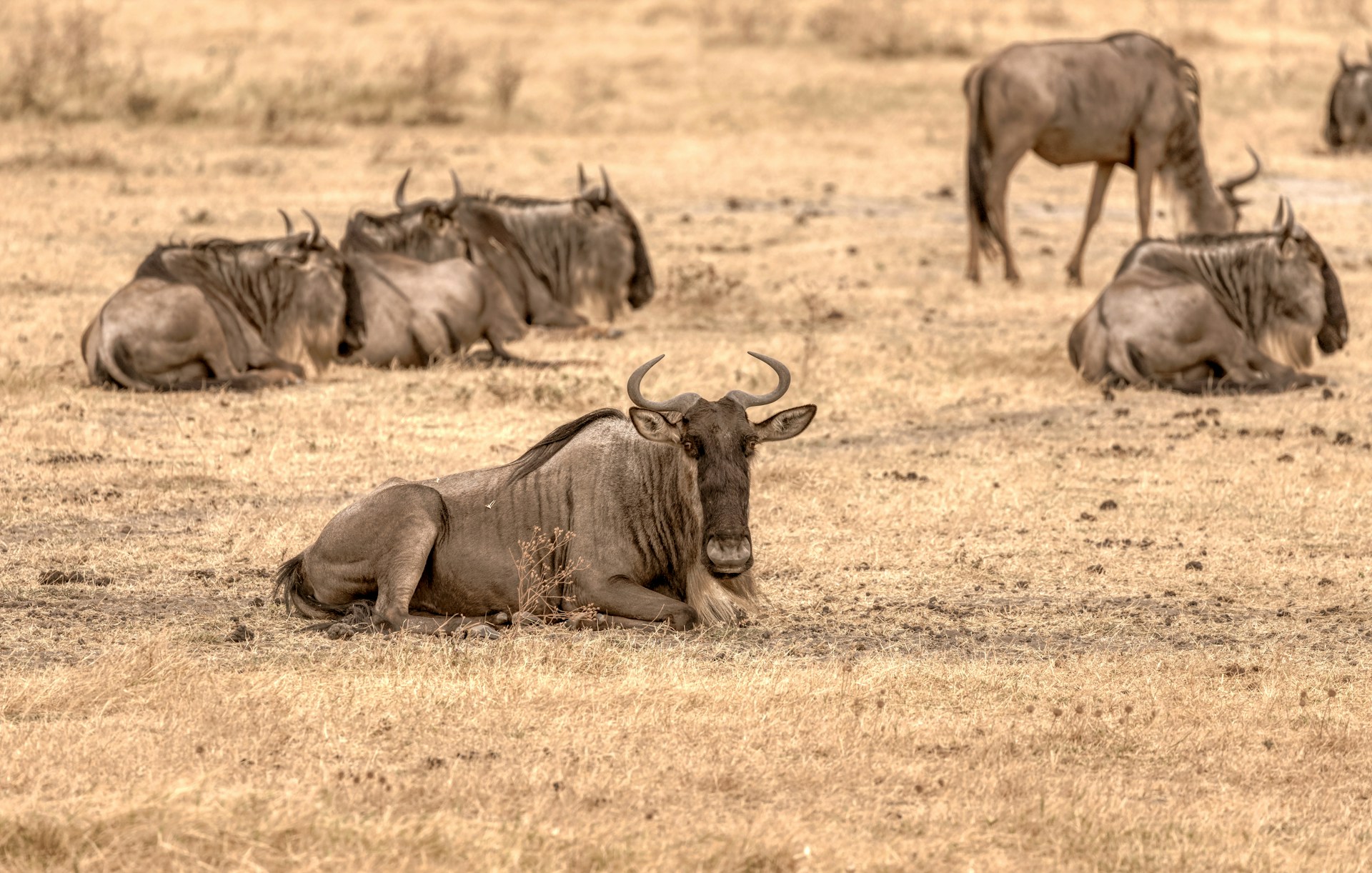
Wildebeests lead the migration, while zebras and gazelles travel alongside them. Together, these animals create one of the largest wildlife movements in the world.
The migration does not follow a fixed schedule because weather conditions influence animal movements. Rainfall determines when herds begin moving between different areas.
The cycle continues throughout the year, with different regions of Tanzania offering unique migration experiences during each season.
Why Choose Tanzania for a Great Migration Safari?
Tanzania offers some of the best opportunities to experience the Great Migration safari experience because most of the migration takes place within the country.
The Serengeti National Park protects a vast ecosystem with endless grasslands, woodlands, and seasonal rivers. These landscapes support millions of grazing animals and large predator populations.
Unlike shorter migration viewing periods in Kenya’s Maasai Mara, Tanzania provides opportunities throughout many months of the year.
Travelers can witness newborn animals in the southern Serengeti, dramatic herd movements through the central plains, and river crossings in the northern Serengeti.
Great Migration Calving Season in Southern Serengeti
The year begins with one of the most remarkable stages of the migration. Between January and March, large herds gather in the southern Serengeti and Ndutu region.
During this period, thousands of wildebeest calves are born within a short time. The abundance of young animals attracts predators, creating excellent wildlife viewing opportunities.
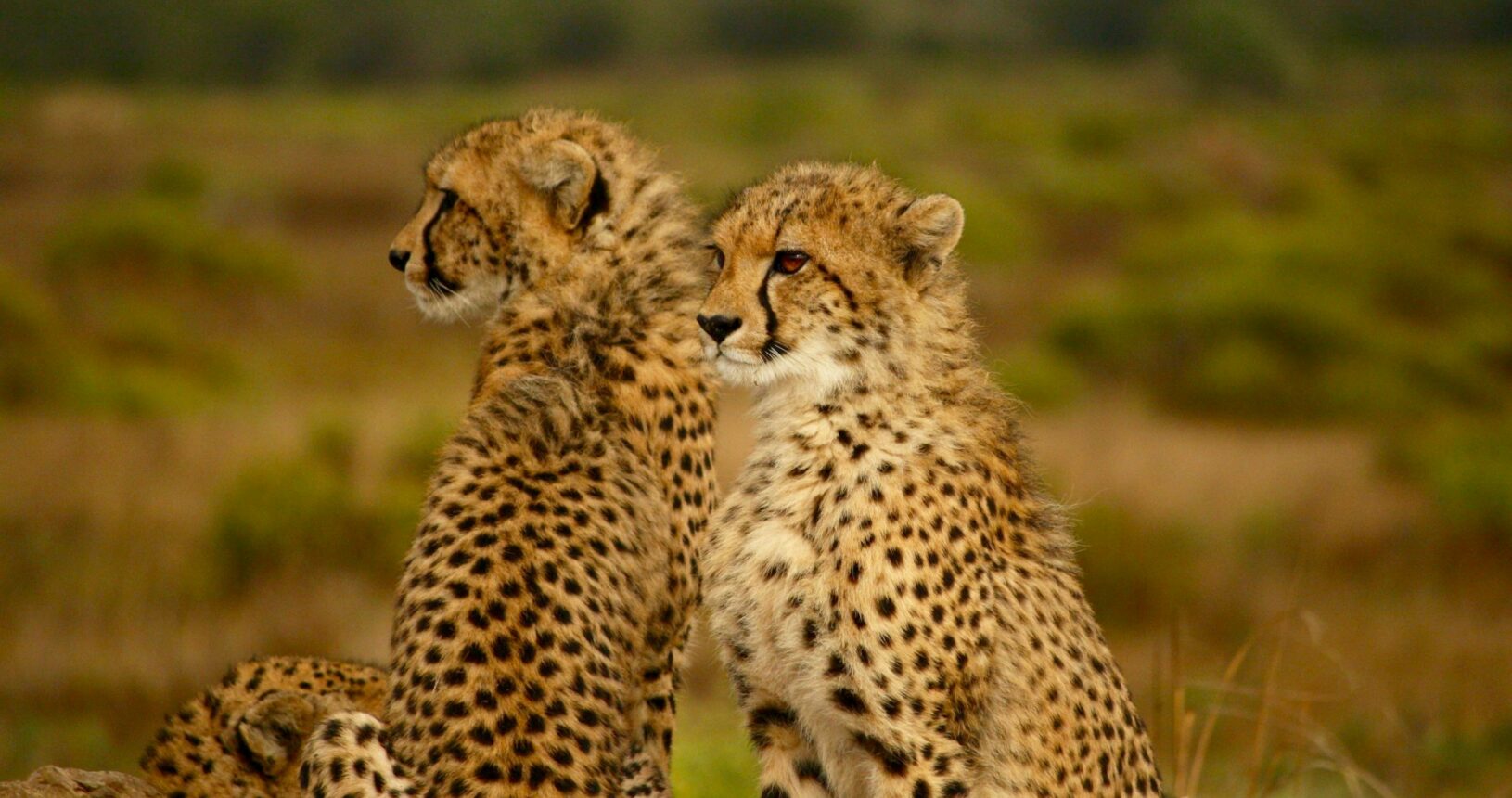
Visitors can witness lions, cheetahs, and hyenas following the herds. The open plains provide excellent visibility for photography and wildlife observation.
The calving season offers a powerful experience because travelers see both the beauty and challenges of life in the wild.
Migration Through Central Serengeti
From around April to June, the herds begin moving through the central Serengeti. This period offers excellent opportunities to observe large animal movements across the plains.
The Seronera Valley remains one of the most popular areas because it supports abundant wildlife throughout the year.
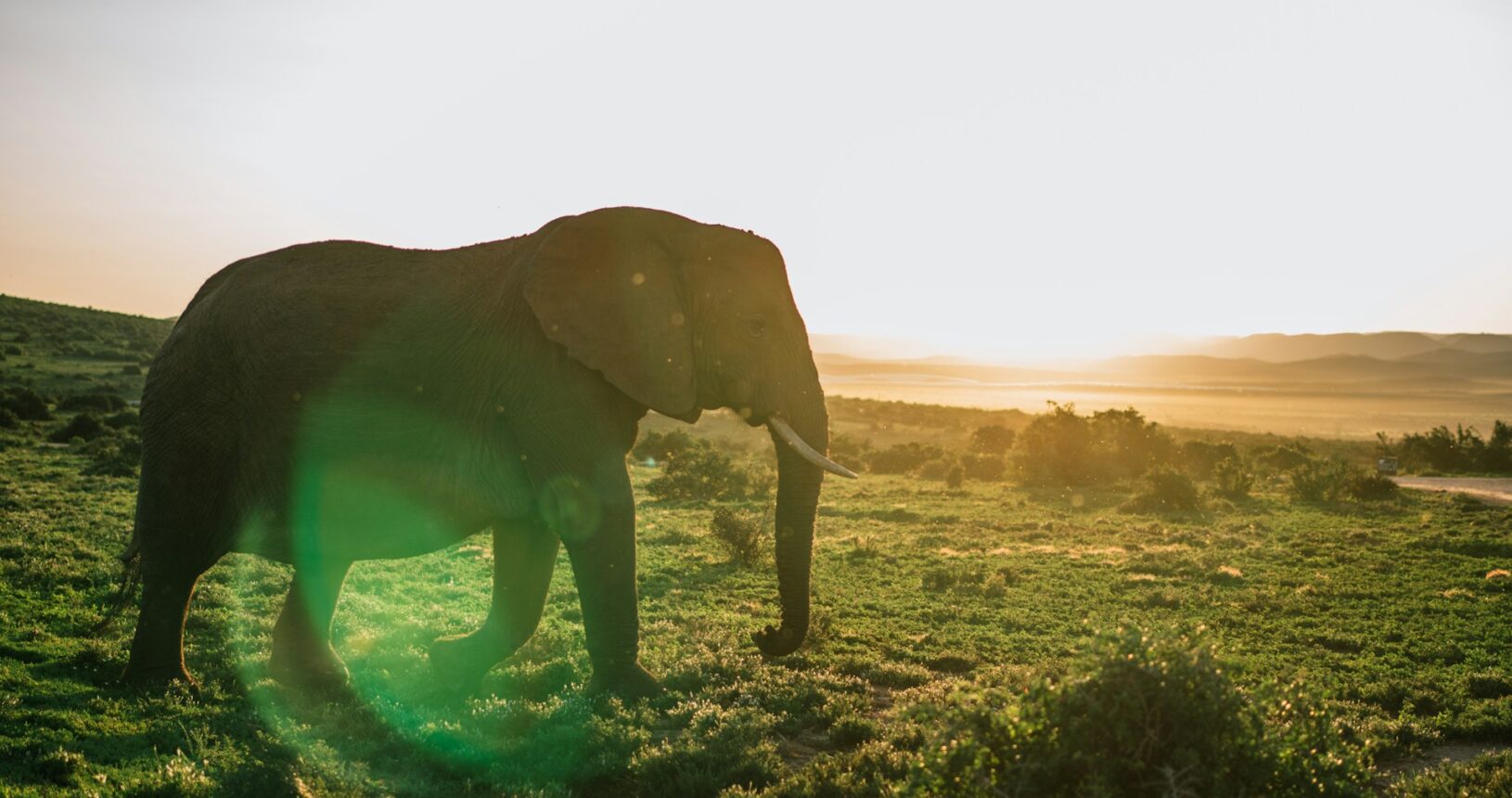
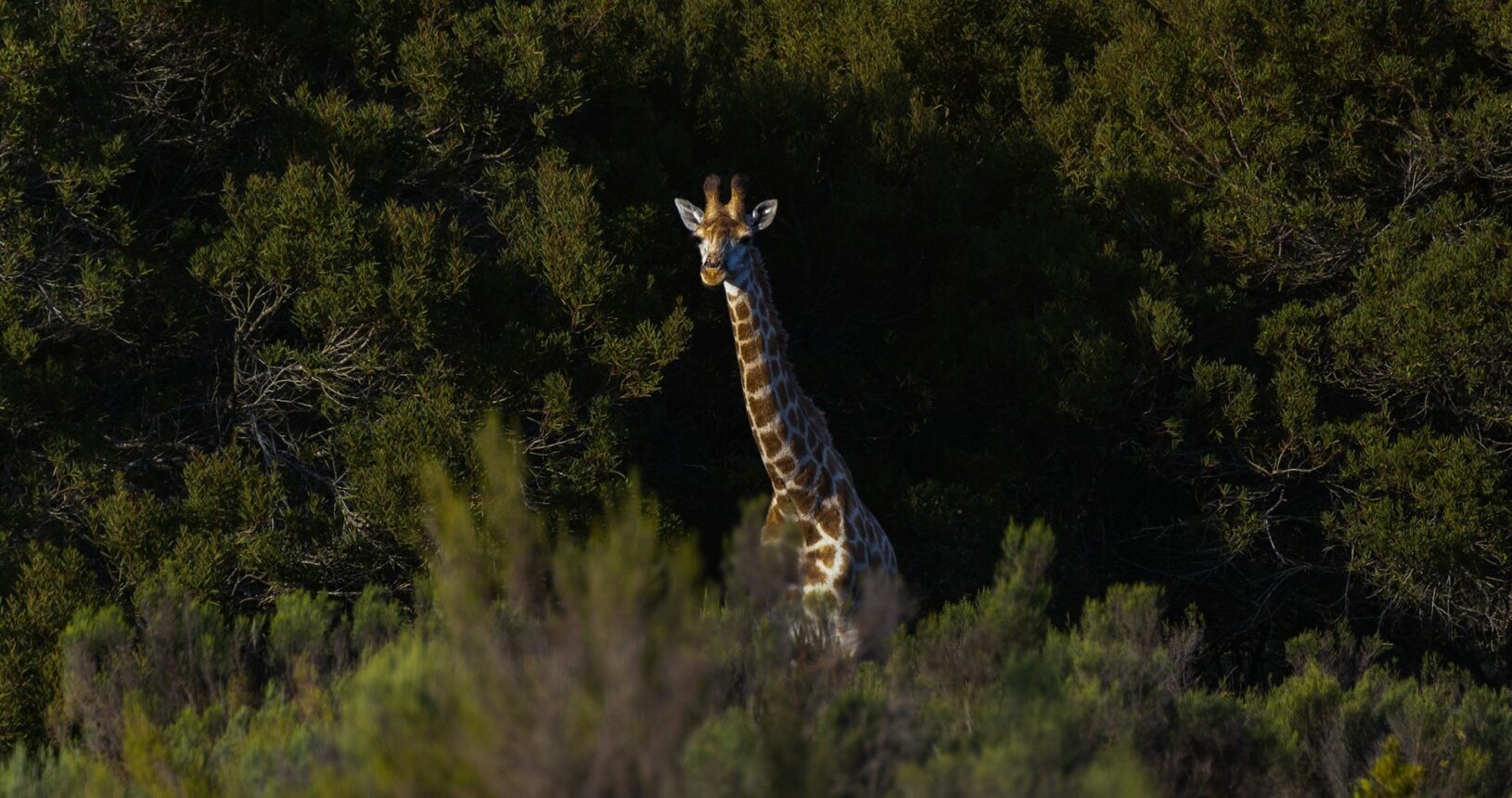
Visitors can see wildebeests and zebras gathering in large groups while predators remain nearby. The area also provides opportunities to see elephants, giraffes, buffaloes, and many bird species.
A central Serengeti safari provides a balance between migration viewing and classic wildlife encounters.
Western Serengeti and Grumeti River Crossings
During May and June, many herds move toward the western Serengeti. The Grumeti River becomes one of the major challenges during their journey.
The river crossings create dramatic scenes as animals navigate deep water while avoiding predators such as crocodiles.
Although smaller than the famous Mara River crossings, Grumeti crossings provide incredible viewing opportunities with fewer visitors.
The western Serengeti also offers beautiful landscapes and excellent predator sightings.
Northern Serengeti and Mara River Crossings
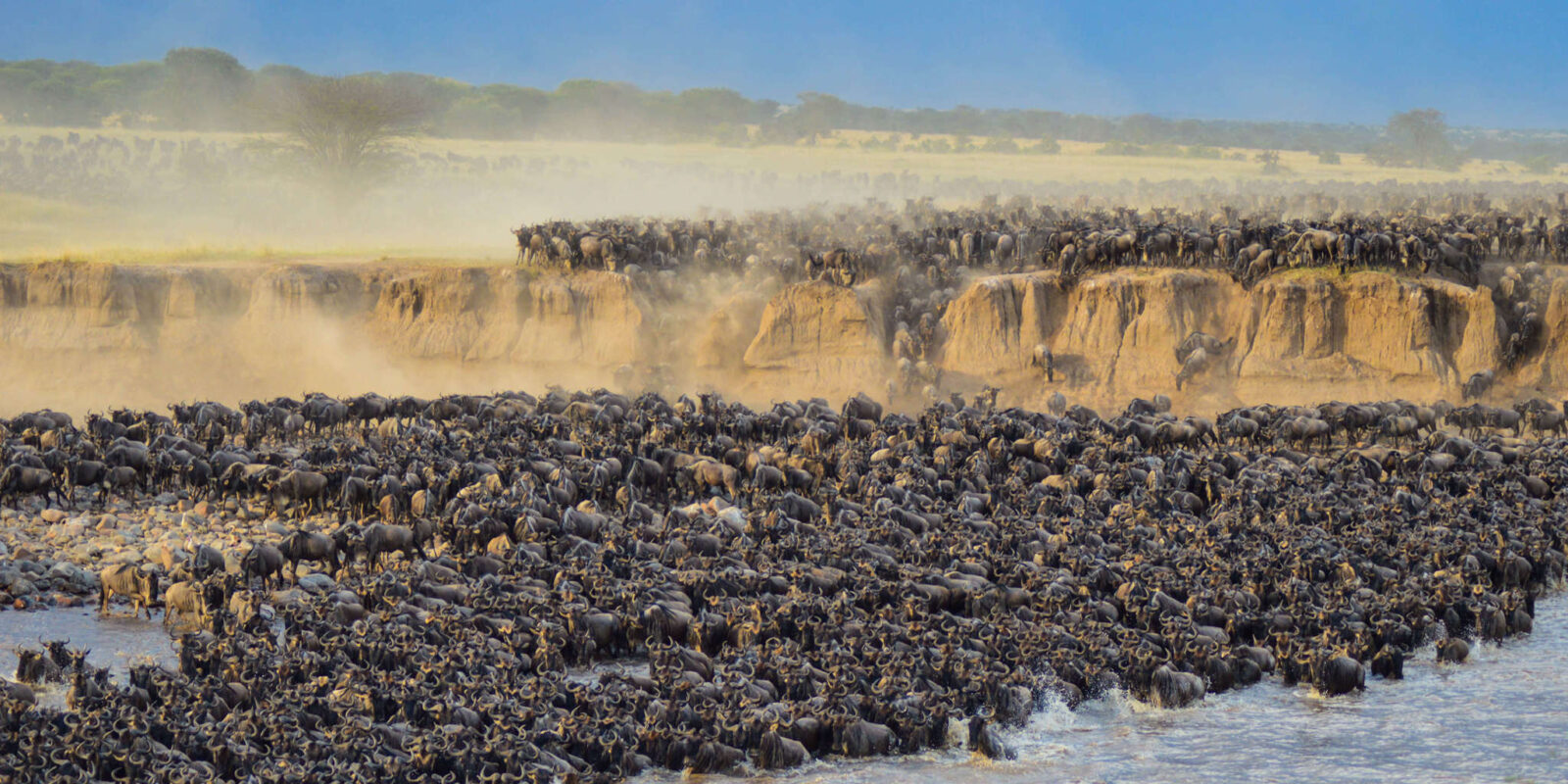
The northern Serengeti provides one of the most dramatic stages of the Great Migration in Tanzania. Between July and October, herds move toward the Mara River before crossing into Kenya.
The Mara River crossings represent one of nature’s most intense wildlife spectacles. Thousands of wildebeests gather along riverbanks before making the dangerous journey across the water.
Crocodiles wait in the river, while predators watch from nearby areas. The combination of risk, movement, and survival creates unforgettable scenes.
Timing remains unpredictable because animals decide when to cross. Patience and expert guides improve the chances of witnessing this incredible event.
Wildlife Beyond the Migration
Although the Great Migration remains the main attraction, Tanzania offers much more wildlife during these safaris.
The Serengeti supports large populations of lions, elephants, leopards, cheetahs, buffaloes, and giraffes.
Predators follow the migrating herds throughout the year, providing excellent opportunities for wildlife enthusiasts.
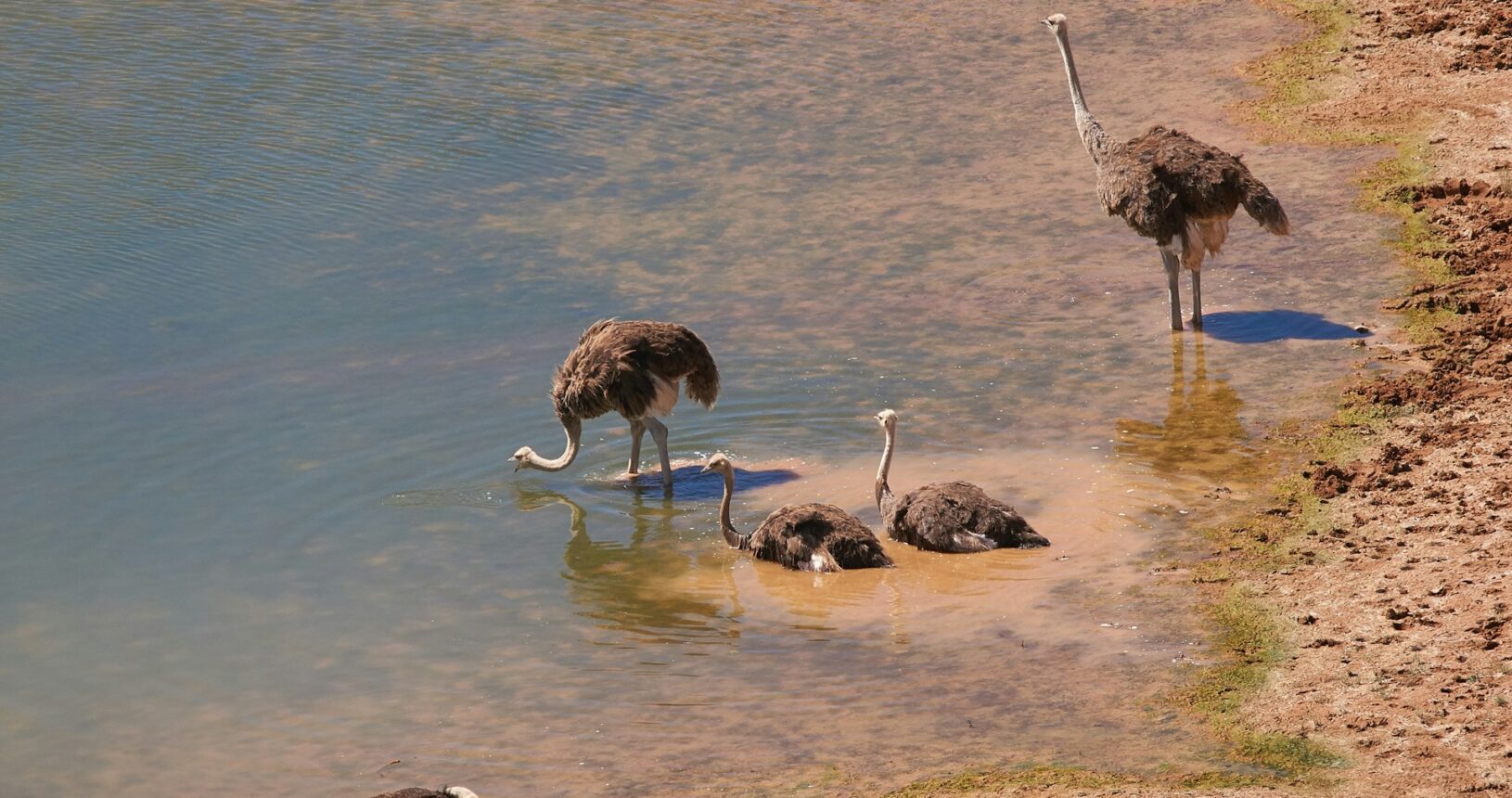
Visitors can also observe hippos, crocodiles, antelopes, ostriches, and hundreds of bird species.
A Great Migration safari in Tanzania provides a complete wildlife experience beyond the movement of wildebeests.
Best Time for Great Migration Safaris in Tanzania
The best time for a Tanzania Great Migration safari depends on the experience you want to see.
January to March offers the calving season in the southern Serengeti. This period provides excellent opportunities to see newborn animals and predator activity.
April to June allows travelers to experience herd movements through the central and western Serengeti.
July to October provides opportunities for northern Serengeti river crossings, although exact timing depends on rainfall and animal movements.
November and December bring fresh rains that encourage herds to begin moving back toward southern grazing areas.
Every season offers a different perspective of this natural wonder.
Great Migration Safari Activities
A Great Migration safari in Tanzania includes many exciting activities beyond traditional game drives.
Game drives provide the best opportunity to follow the herds and observe predators. Experienced guides track animal movements and choose locations based on seasonal patterns.
Hot air balloon safaris offer breathtaking views of migrating herds from above. Watching thousands of animals move across the Serengeti plains creates an unforgettable experience.
Photography safaris allow travelers to capture dramatic wildlife moments with professional guidance.
Walking safaris in selected areas provide a closer connection with the environment and smaller details of the ecosystem.
Accommodation During a Great Migration Safari
Tanzania offers a wide range of safari accommodation options near migration areas.
Mobile tented camps provide some of the best experiences because they move with the migration routes. Guests stay close to wildlife activity while enjoying comfortable facilities.
Permanent lodges in Serengeti also provide excellent access to wildlife areas. Many properties offer beautiful views, professional guides, and personalized services.
Choosing the right location matters because migration movements change throughout the year.
Photography Tips for the Great Migration
The Great Migration safari experience creates incredible photography opportunities. Capturing these moments requires preparation and patience.
A camera with a zoom lens helps photograph wildlife from a safe distance. Extra batteries and memory cards are useful because exciting sightings can happen quickly.
Early mornings and late afternoons provide the best lighting conditions. These times also offer increased animal activity.
Respecting wildlife remains important. Professional guides help photographers capture amazing images while protecting animal welfare.
Conservation and Responsible Tourism
The Great Migration depends on protecting the Serengeti ecosystem. Conservation programs help preserve wildlife habitats, migration routes, and natural resources.
Tourism supports conservation through park fees and responsible travel practices. Local communities also benefit through employment and tourism-related opportunities.
Choosing responsible safari operators helps protect this unique ecosystem for future generations.
The continued survival of the Great Migration depends on cooperation between conservation organizations, communities, and visitors.
Plan Your Safari
Great Migration safaris in Tanzania provide one of the world’s most unforgettable wildlife adventures. From watching newborn wildebeests in the southern Serengeti to witnessing dramatic river crossings in the north, every season offers something extraordinary.
Tanzania’s vast landscapes, incredible wildlife, and expert safari experiences make it the ultimate destination for travelers seeking the Great Migration.
A journey through the Serengeti is more than a safari. It is an opportunity to witness one of nature’s greatest stories unfold across Africa’s endless plains.
In Africa’s national parks, every sunrise paints a masterpiece — where the wild’s call echoes across endless horizons. Visiting these parks is to witness nature in its purest form, a timeless dance that stirs the soul.
Steps to Book Your Southern Africa Tour
Choose Your Adventure
Confirm Your Booking
Begin Your Journey
Ready to plan your tailor-made safari?