Okavango Delta
February 1, 2026
Tsodilo Hills
February 1, 2026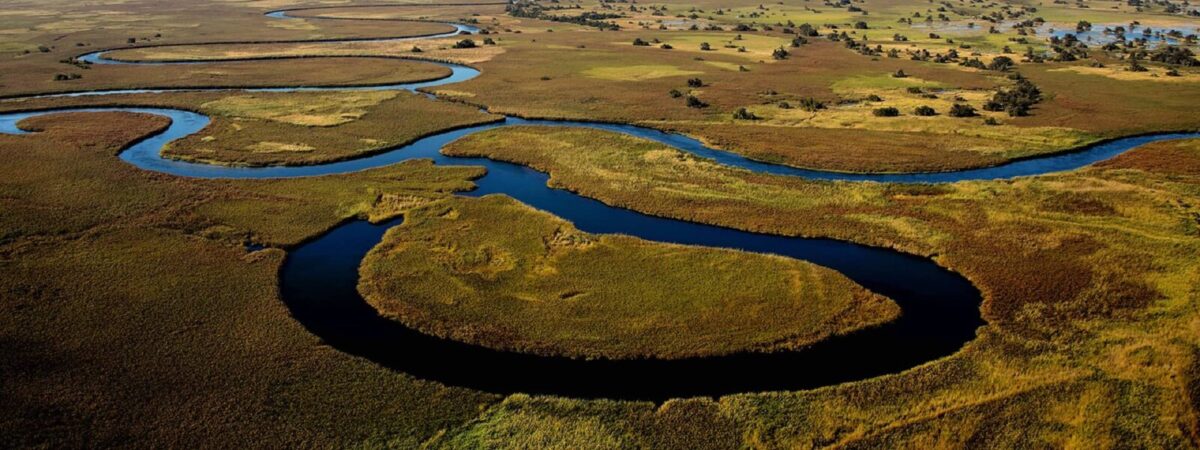
Okavango Panhandle
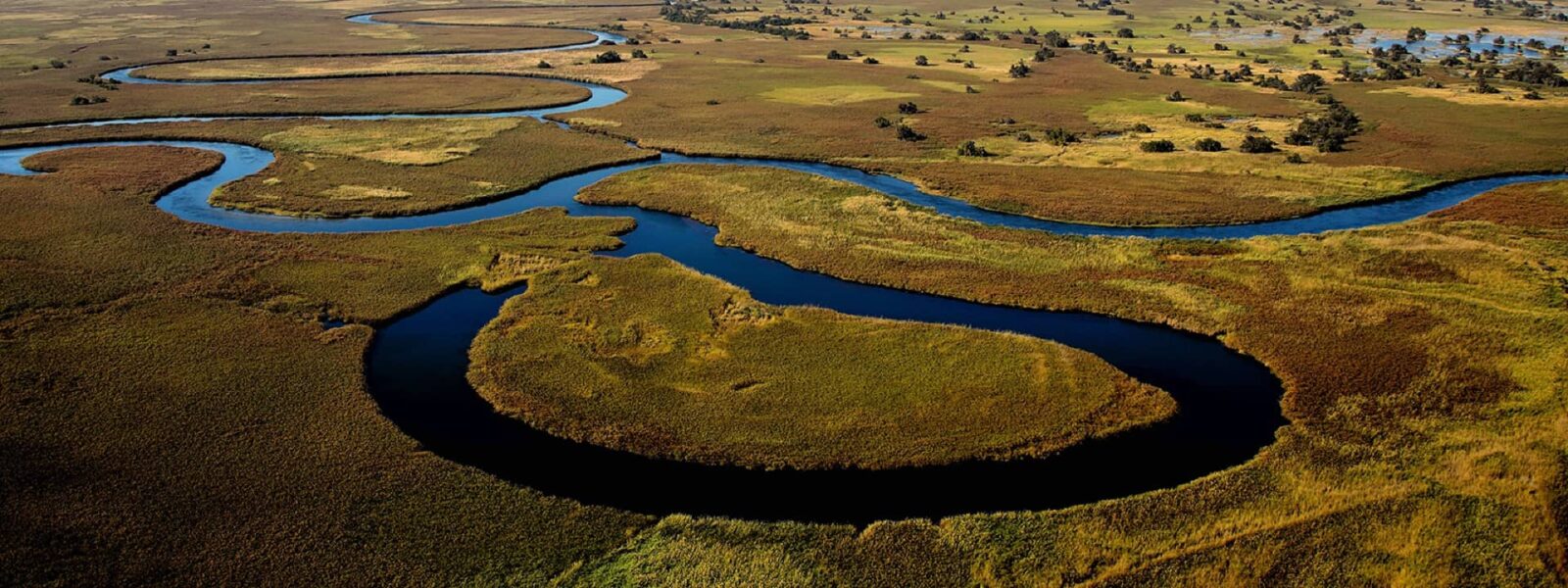
The Okavango Panhandle forms the northern entrance to the Okavango Delta. The river flows from Angola into Botswana and maintains a consistent depth before it spreads into the wider delta system.
This steady flow shapes the environment. Water remains present throughout the year, which creates a stable ecosystem compared to the seasonal flooding seen further south. The region feels more linear and structured, with the river acting as the central feature around which all activity takes place.
Tourism remains low in volume, which allows a more private and relaxed safari experience
Why Book This Destination
Explore More about Okavango Panhandle
Landscape and River System
The landscape of the Panhandle centers on the Okavango River itself. Deep channels cut through dense papyrus and reed beds, while lagoons open into wider sections where water spreads more gently.
The banks support trees and vegetation that provide shade and habitat for wildlife. The river moves slowly, creating calm water conditions that suit boat-based exploration.
This environment does not change as dramatically as the central delta. Instead, it maintains a steady rhythm, which allows consistent access to water activities throughout the year.
Wildlife in the Okavango Panhandle
Wildlife in the Panhandle differs from the high-density game areas of the central delta. Large mammals such as elephants, hippos, and crocodiles appear regularly along the river.
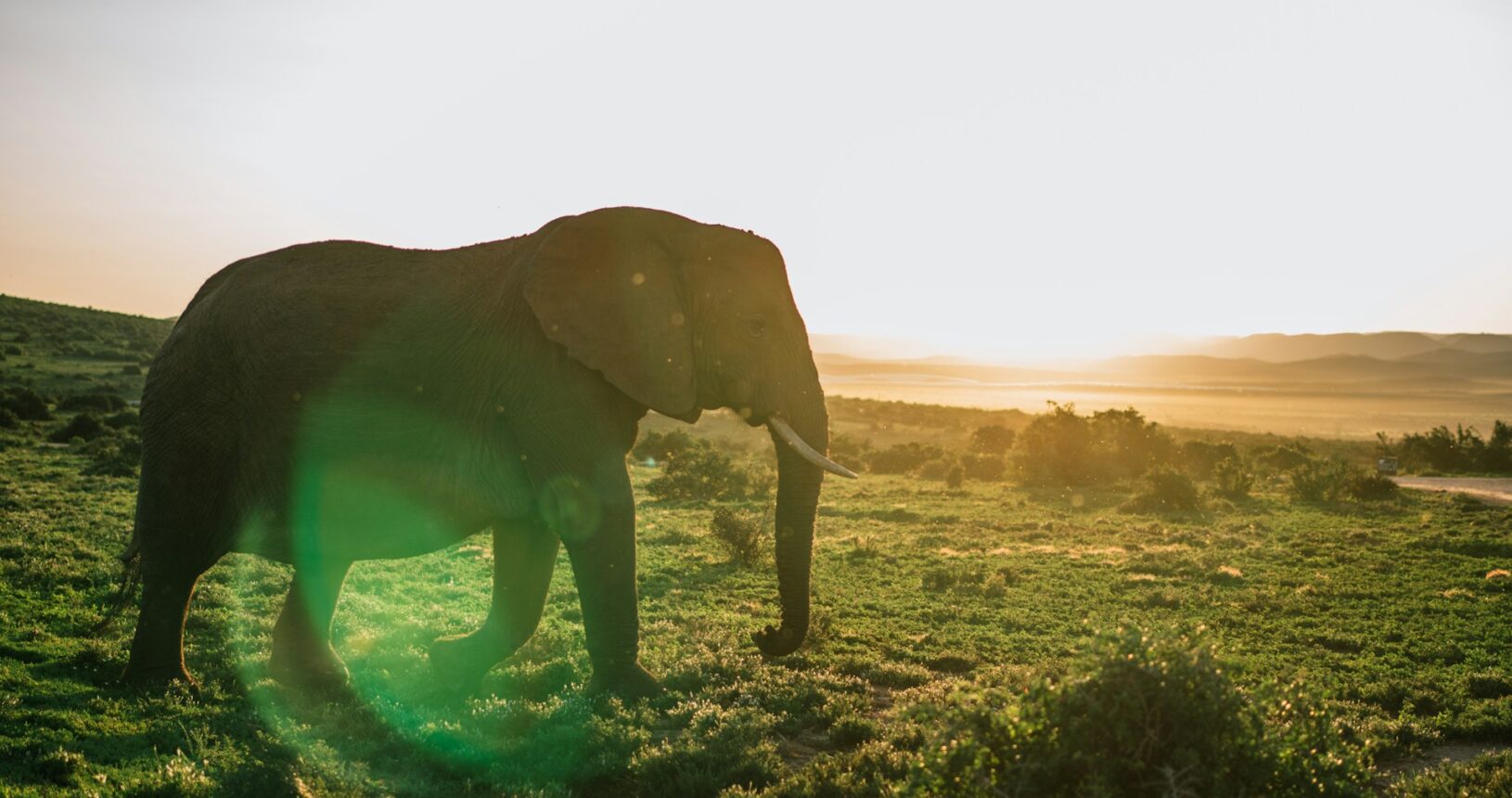
Elephants often move between the river and surrounding woodland, especially during dry periods when water becomes essential. Hippos remain active within deeper channels, while crocodiles rest along the banks.
Antelope species such as lechwe and sitatunga adapt well to wet environments and often appear near the water’s edge. The presence of permanent water supports these specialized species.
The region does not focus on large predator sightings. Instead, it offers a balanced view of river-based wildlife and aquatic ecosystems.
Birdlife and Nature Experience
The Okavango Panhandle ranks among the best birding destinations in Southern Africa. The combination of water, reeds, and woodland attracts a wide range of species.
Birds gather along riverbanks, within papyrus beds, and across lagoons. Kingfishers, herons, fish eagles, and many migratory species thrive in this environment. The density and variety of birdlife create a constant sense of activity.
Birdwatching here does not require long searches. The environment naturally supports large populations, and sightings occur throughout the day.
Safari Experience in the Okavango Panhandle
Safaris in the Panhandle focus on water-based activities rather than traditional game drives. Boat cruises move along the river, allowing close observation of wildlife and birdlife.
Mokoro excursions provide a slower and quieter way to explore shallow channels. Guides navigate through reeds and narrow waterways, offering a close connection to the environment.
Fishing forms a major part of the experience. The Panhandle supports species such as tigerfish, which attract anglers from around the world. Fishing trips combine relaxation with skill, often taking place in scenic and quiet settings.
Game drives remain limited in this region due to the dominance of water and dense vegetation. The focus stays on river exploration and observation.
Accommodation in the Okavango Panhandle
Accommodation in the Panhandle includes small lodges and tented camps positioned along the riverbanks. These properties provide direct access to the water and focus on comfort within a natural setting.
Rooms often include river views, private decks, and open designs that allow airflow and connection to the surroundings. The scale remains small, which helps maintain privacy and a relaxed atmosphere.
Some lodges specialize in fishing experiences, while others focus on general safari activities and birdwatching. The overall style remains informal yet comfortable.
Best Time to Visit the Okavango Panhandle
The Panhandle offers year-round access due to its permanent water system. Each season provides a different experience.
The dry season, from May to October, attracts wildlife to the river, which increases visibility along the banks. Conditions remain clear and suitable for boat activities.
The green season, from November to April, brings rainfall and increased bird activity. Migratory species arrive, and the landscape becomes more vibrant.
Travelers can choose timing based on their interests, whether focused on wildlife, birdlife, or fishing.
Accessibility and Getting There
The Okavango Panhandle can be reached by road from Maun or by charter flights to nearby airstrips. Road travel takes several hours and requires a reliable vehicle.
Fly-in options provide faster access and connect directly to lodges. Many travelers include the Panhandle as part of a broader Botswana safari.
Who Should Visit the Okavango Panhandle
The Okavango Panhandle suits travelers who prefer a slower, water-focused safari experience. It appeals to birdwatchers, anglers, and those seeking a quieter environment.
The region works well as an addition to a traditional safari itinerary. It balances high-density wildlife areas such as Moremi or Chobe with a more relaxed and scenic experience.
It may not suit travelers focused on frequent predator sightings or fast-paced game drives.
Planning Your Okavango Panhandle Safari
A stay of two to three nights allows enough time to explore the river and enjoy key activities. Many itineraries combine the Panhandle with the Okavango Delta, Moremi Game Reserve, or Chobe National Park.
Planning should consider travel logistics, as distances can be long. Booking early helps secure preferred lodges, especially during peak seasons.
Conclusion
The Okavango Panhandle offers a safari defined by water, calm movement, and natural rhythm. Its permanent river system supports rich birdlife, aquatic species, and a quieter form of exploration.
Travelers who visit the Panhandle step into a different side of Botswana, where the focus shifts from high-density wildlife to observation, relaxation, and connection to the river environment. This makes it a valuable and distinctive addition to any Southern Africa safari.
In Africa’s national parks, every sunrise paints a masterpiece — where the wild’s call echoes across endless horizons. Visiting these parks is to witness nature in its purest form, a timeless dance that stirs the soul.
Steps to Book Your Southern Africa Tour
Choose Your Adventure
Confirm Your Booking
Begin Your Journey
Ready to plan your tailor-made safari?