
Okavango Panhandle
February 1, 2026
Tuli Block
February 1, 2026
Tsodilo Hills
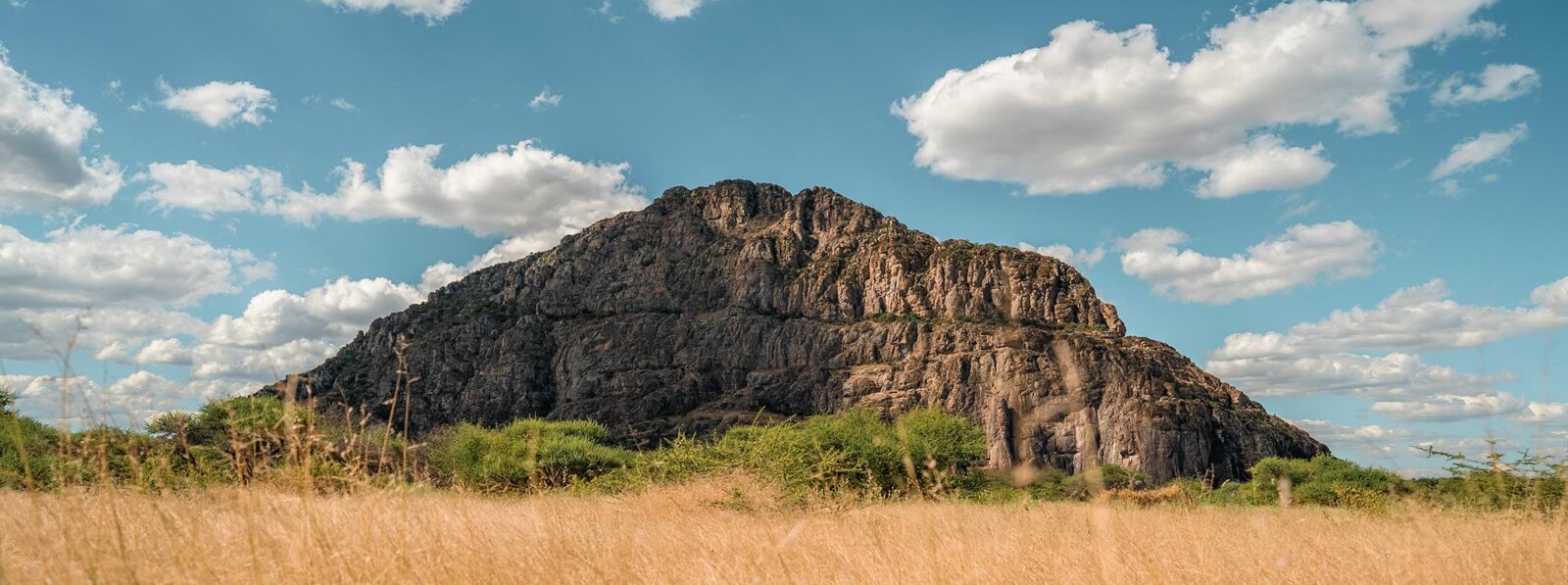
Tsodilo Hills stands as a UNESCO World Heritage Site and consists of four main hills: Male Hill, Female Hill, Child Hill, and a smaller unnamed hill. These formations rise sharply from the surrounding plains, creating a striking contrast against the otherwise flat terrain.
The site holds immense cultural value. Local San communities regard the hills as sacred and refer to them as the “Louvre of the Desert” due to the thousands of rock paintings found across the area. The environment feels quiet and remote, with limited development that helps preserve its integrity.
Why Book This Destination
Explore More about Tsodilo Hills
Landscape and Geological Formation
The hills rise abruptly from the Kalahari sands, creating a rugged and elevated terrain. Rocky slopes, narrow paths, and exposed surfaces define the landscape. From the base, the hills appear as isolated formations, but once inside, they reveal a complex network of trails, viewpoints, and sheltered rock faces.
Vegetation remains sparse, with hardy plants adapted to dry conditions. The elevation provides wide views across the surrounding plains, which enhances the sense of isolation and scale.
This landscape shapes the experience. Visitors move on foot, following guided paths that lead to rock art sites and viewpoints. The terrain requires moderate physical effort, but the rewards come through perspective and discovery.
Rock Art and Cultural Significance
Tsodilo Hills contains over 4,000 rock paintings, created over thousands of years by early inhabitants of the region. These artworks depict animals, human figures, and symbolic patterns that reflect daily life, beliefs, and spiritual practices.
Guides explain the meaning behind specific paintings, offering insight into how ancient communities understood their environment. The art does not appear randomly. It often sits in sheltered areas or near significant features, which suggests deliberate placement.
The hills also hold spiritual importance for the San people. Many consider the area a sacred site where ancestral spirits remain present. This cultural layer adds depth to the visit, turning it into more than a visual experience.
Experience at Tsodilo Hills
A visit to Tsodilo Hills centers on guided walking exploration. Local guides lead visitors along established trails, sharing knowledge about the rock art, history, and landscape.
The experience unfolds gradually. As visitors move through the hills, they encounter paintings, viewpoints, and natural features that build a broader understanding of the site. The pace remains steady, allowing time to observe and reflect.
Unlike traditional safaris, the focus here shifts away from wildlife and toward cultural interpretation. The quiet environment and absence of crowds create a more personal and reflective experience.
Wildlife and Natural Environment
Wildlife around Tsodilo Hills remains limited compared to Botswana’s main safari parks. Small antelope, birds, and reptiles inhabit the area, but large game rarely appears.
The natural environment still plays a role in the experience. The hills provide a habitat for species adapted to dry conditions, and birdlife can be observed around rocky areas and sparse vegetation.
The emphasis remains on landscape and cultural heritage rather than wildlife density.
Accessibility and Getting There
Tsodilo Hills lies in a remote part of northwestern Botswana, near the Namibian border. Access usually involves a drive from Maun or nearby settlements, using a 4x4 vehicle due to sandy and uneven roads.
The journey adds to the experience, as it moves through open and sparsely populated areas. Visitors often include Tsodilo Hills as part of a broader itinerary that may also cover the Okavango Panhandle or other northern Botswana destinations.
Accommodation Options
Accommodation near Tsodilo Hills remains simple and limited. Basic campsites and small lodges provide access to the area, focusing on practicality rather than luxury.
Many travelers stay in nearby regions such as the Okavango Panhandle and visit the hills as part of a guided excursion. This approach allows for a more comfortable base while still experiencing the site.
The limited accommodation helps maintain the quiet and preserved nature of the area.
Best Time to Visit Tsodilo Hills
The dry season, from May to October, offers the most comfortable conditions for walking and exploration. Temperatures remain lower, and trails stay easier to navigate.
The hotter months, from November to April, bring higher temperatures that can make walking more demanding. However, the landscape takes on a different character during this time, with occasional greenery after rains.
Early morning visits provide the best conditions for both comfort and photography.
Who Should Visit Tsodilo Hills
Tsodilo Hills suits travelers interested in history, culture, and landscape rather than traditional wildlife safaris. It appeals to those who enjoy walking, learning, and exploring places with deep meaning.
The site works well for photographers, cultural travelers, and those looking to add variety to a Botswana itinerary. It may not suit visitors focused solely on game viewing.
Planning Your Visit
A half-day to full-day visit allows enough time to explore key trails and rock art sites. Guided tours remain essential, as they provide context and ensure responsible access to the area.
Travelers often combine Tsodilo Hills with destinations such as the Okavango Panhandle or Moremi Game Reserve. This creates a balanced itinerary that includes both cultural and wildlife experiences.
Conclusion
Tsodilo Hills offers a different perspective on safari travel, where the focus shifts from wildlife to history and human connection with the landscape. The rock art, spiritual significance, and unique setting create an experience that feels both educational and deeply engaging.
For travelers seeking more than traditional game viewing, Tsodilo Hills adds depth and meaning to a journey through Botswana and Southern Africa.
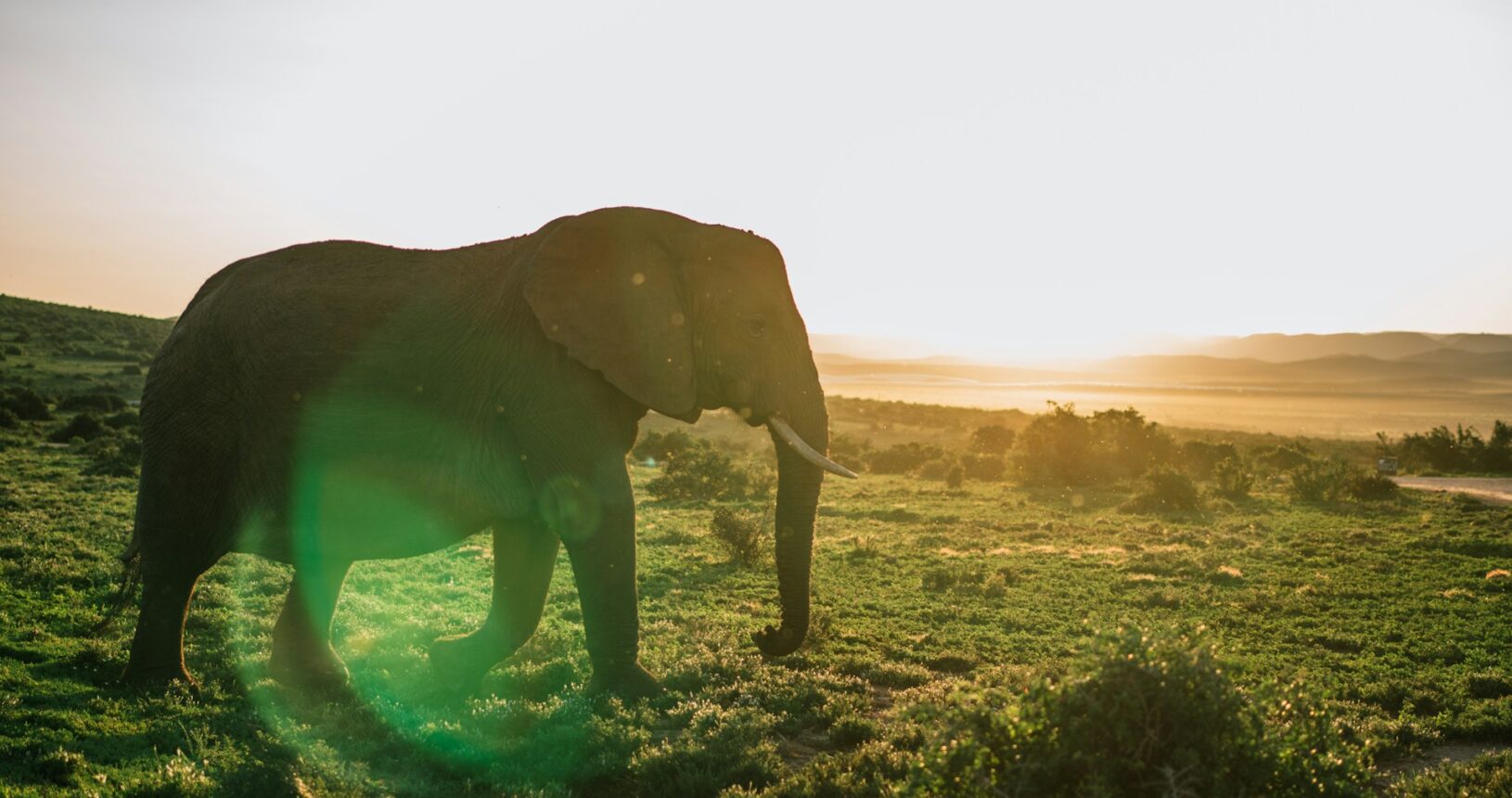
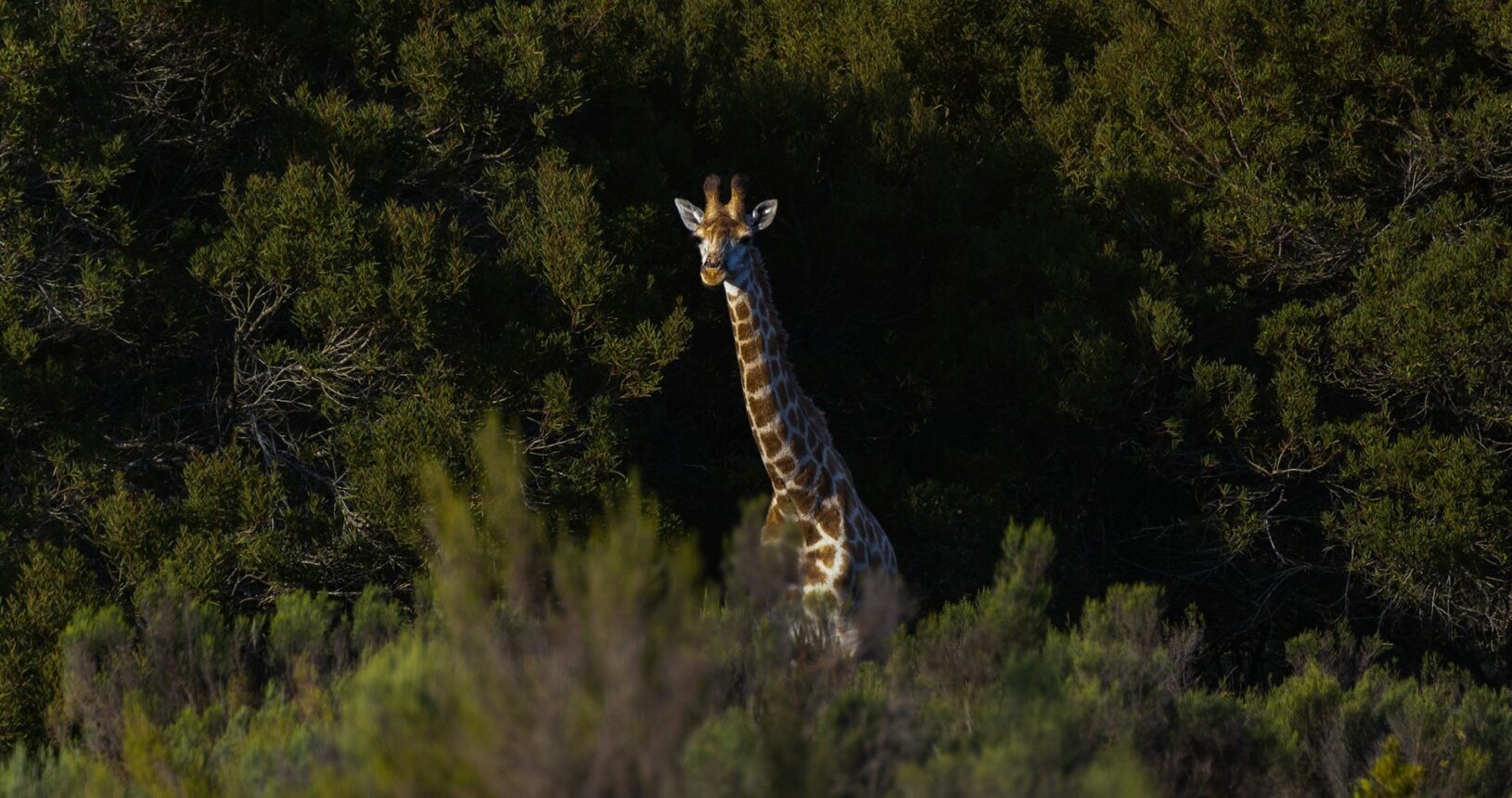
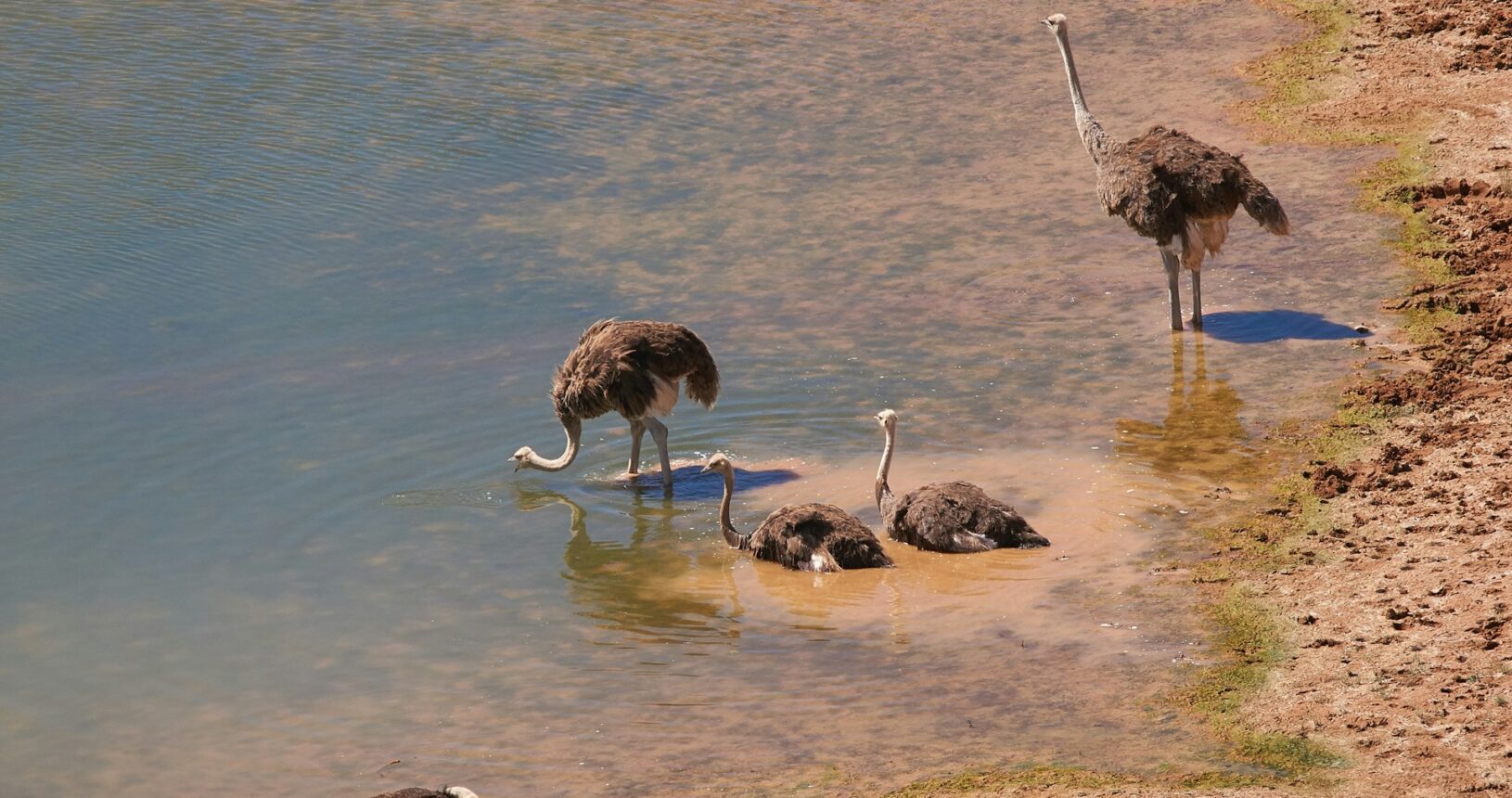
In Africa’s national parks, every sunrise paints a masterpiece — where the wild’s call echoes across endless horizons. Visiting these parks is to witness nature in its purest form, a timeless dance that stirs the soul.

Steps to Book Your Southern Africa Tour
Choose Your Adventure
Confirm Your Booking
Begin Your Journey
Ready to plan your tailor-made safari?