Nxai Pan National Park
February 1, 2026
Okavango Panhandle
February 1, 2026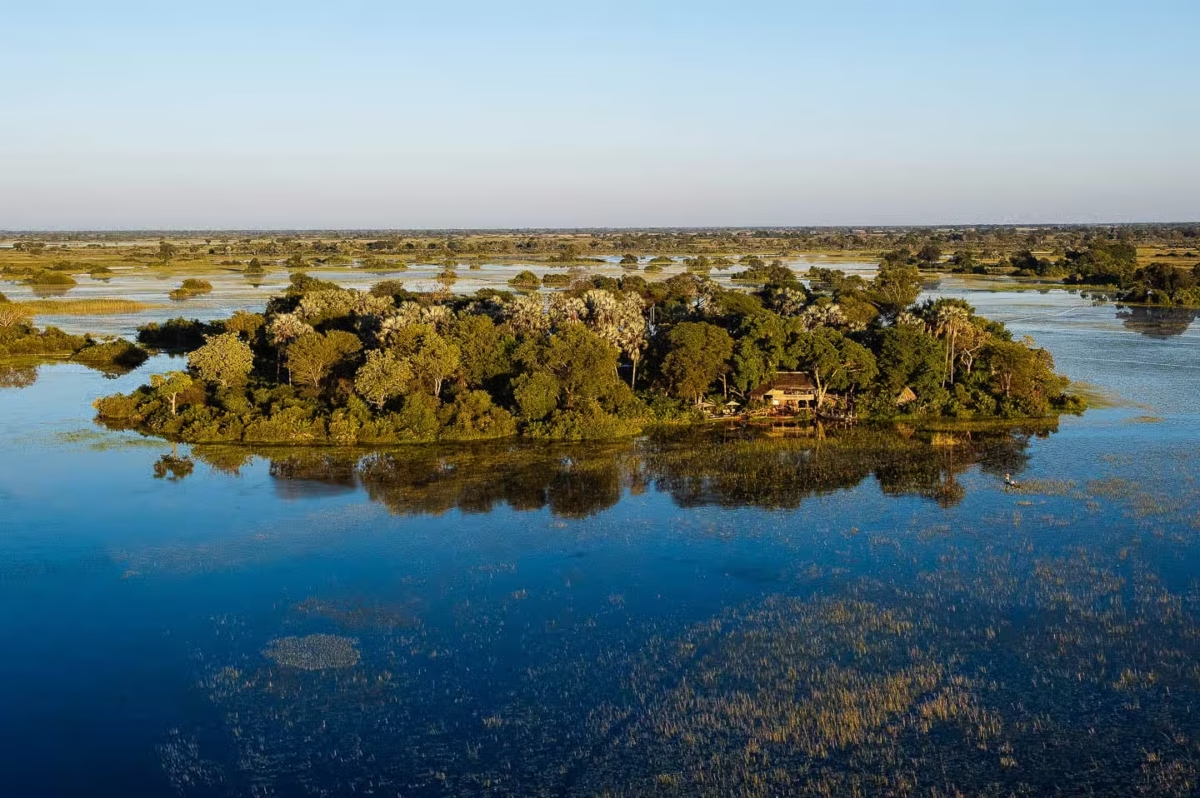
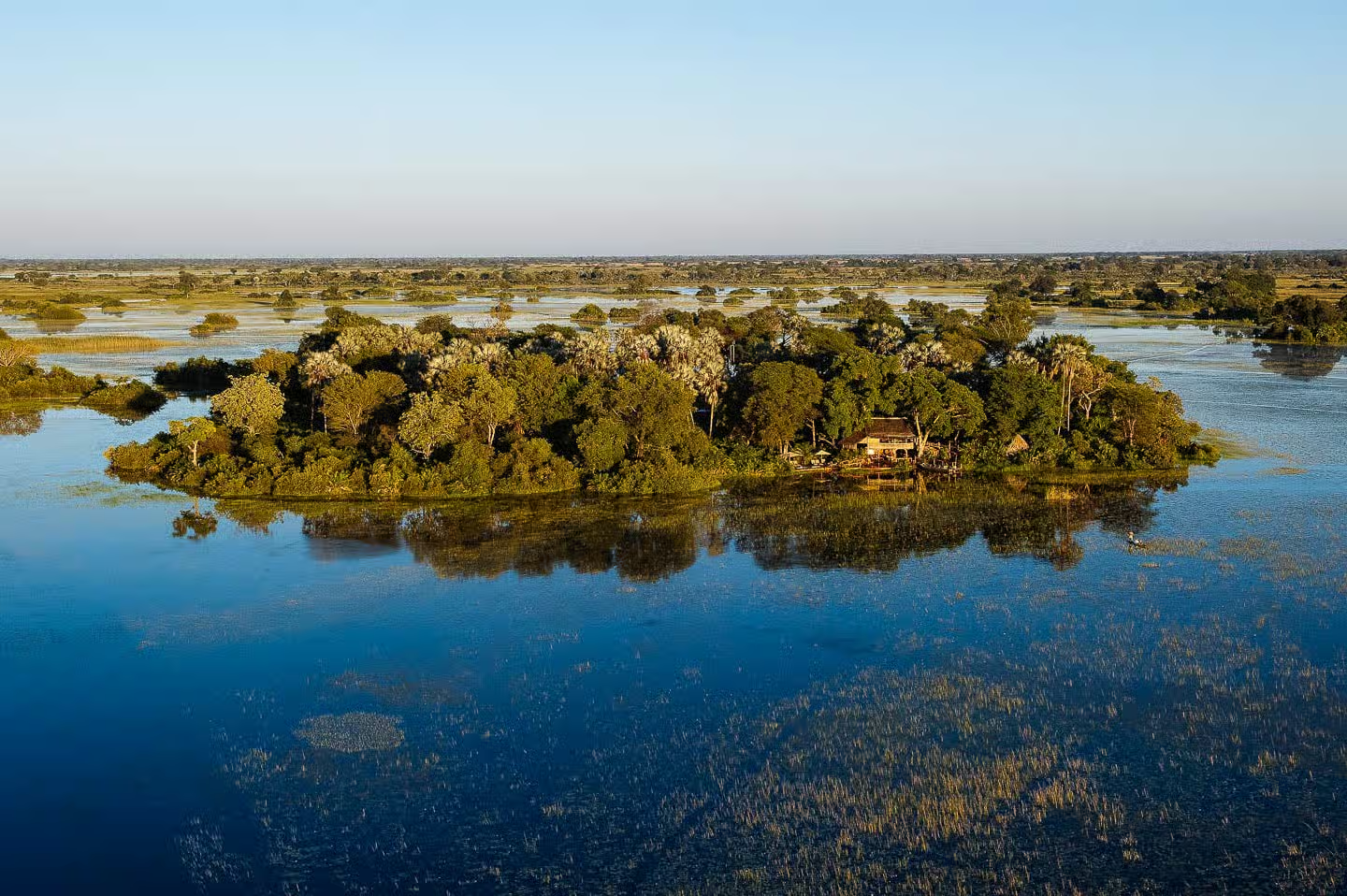
Okavango Delta
The Okavango Delta forms where the Okavango River reaches the Kalahari Basin and spreads out instead of flowing to the sea. This creates a vast wetland system that changes shape each year as floodwaters arrive from Angola.
The delta covers thousands of square kilometers and supports one of the richest ecosystems in Africa. Conservation efforts and controlled tourism protect this environment, which keeps visitor numbers low and preserves the natural balance.
Safaris in the delta combine land and water exploration. Guests move between islands, channels, and floodplains, which allows a deeper understanding of how wildlife adapts to changing conditions.
Why Book This Destination
Explore More about Okavango Delta
Landscape and Seasonal Flooding
The landscape defines the Okavango experience. Water arrives during the dry months, usually between May and August, and spreads slowly across the delta. This creates a mosaic of habitats that include open floodplains, reed-lined channels, lagoons, and wooded islands.
As water levels rise, animals move toward higher ground. This movement concentrates wildlife on islands and along edges where land and water meet. When water recedes, grazing areas expand, and animals spread out again.
This cycle shapes every safari. Guides adjust routes based on current conditions, which keeps the experience flexible and varied. The constant change ensures that no two visits feel the same.
Wildlife in the Okavango Delta
The Okavango Delta supports a wide range of wildlife across its different habitats. Elephants move in large numbers between islands and water channels, often crossing shallow floodplains in visible groups. Buffalo, lechwe, and other antelope species gather in areas with fresh grass and water.
Predators remain active throughout the delta. Lions hunt in open floodplains, while leopards use wooded areas for cover. African wild dogs move across large territories and provide some of the most exciting sightings.
The presence of water influences behavior. Animals drink, feed, and interact along the edges of channels and lagoons, which increases the chances of observing natural activity.
Birdlife thrives in this environment. Species gather in large numbers around wetlands, making the delta one of the best birding destinations in Southern Africa.
Safari Experience in the Okavango Delta
Safaris in the delta combine different activity types, each offering a unique perspective. Game drives take place on islands and seasonal tracks, where guides follow wildlife across varied terrain.
Mokoro safaris provide one of the most distinctive experiences. Guides pole traditional canoes through shallow channels, moving quietly past reeds and water plants. This allows close observation of wildlife without disturbing the environment.
Boat safaris explore deeper channels and lagoons, where hippos and crocodiles often appear. These trips also offer excellent opportunities for birdwatching.
Walking safaris add another layer, focusing on tracks, plants, and smaller species. This approach brings a closer connection to the ecosystem and highlights details that vehicles often miss.
Accommodation in the Okavango Delta
Accommodation in the Okavango Delta focuses on small, high-quality lodges and tented camps. Properties limit guest numbers to maintain exclusivity and reduce environmental impact.
Lodges often sit on islands or along water channels, offering direct access to key safari areas. Rooms include open designs, private decks, and views over floodplains or lagoons.
Tented camps provide a more immersive experience, allowing guests to hear and feel the surrounding environment while maintaining comfort. Many properties operate on a full-service basis, with guided activities and meals included.
The overall experience combines comfort with strong access to nature.
Best Time to Visit the Okavango Delta
The dry season, from May to October, offers the most concentrated wildlife viewing. Floodwaters arrive during this period, which pushes animals onto higher ground and closer to water channels.
The green season, from November to April, brings rainfall and new vegetation. The landscape becomes lush, and birdlife increases significantly. Wildlife spreads out more, but the scenery becomes more vibrant.
Each season offers a different experience. The dry season focuses on wildlife density, while the green season highlights landscape and birdlife.
Accessibility and Getting There
Most travelers reach the Okavango Delta by light aircraft from Maun or Kasane. Flights land at small airstrips close to lodges, followed by short transfers into camp.
Road access remains limited due to water and terrain conditions. Fly-in safaris provide the most efficient and reliable way to reach remote areas within the delta.
Who Should Visit the Okavango Delta
The Okavango Delta suits travelers who want a high-quality and immersive safari experience. It appeals to those who value variety, as the combination of land and water activities creates a well-rounded journey.
Photographers benefit from diverse landscapes and wildlife behavior. Luxury travelers find exclusive lodges with strong service standards. Nature enthusiasts gain a deeper understanding of how ecosystems function.
The delta may not suit travelers looking for quick or budget-focused safaris, as its remote location and structure require more planning.
Planning Your Okavango Delta Safari
A stay of three to five nights allows enough time to explore different areas and activity types. Many itineraries combine the delta with Chobe National Park or other Botswana destinations to add contrast.
Booking early remains important, especially during peak dry season months. Lodges operate with limited capacity, and demand stays high.
Conclusion
The Okavango Delta offers a safari that feels dynamic, immersive, and deeply connected to nature. Its seasonal flooding, diverse habitats, and strong wildlife populations create an experience that changes with time and movement.
Travelers who explore the delta do not just observe wildlife. They move through an ecosystem shaped by water and life, where every detail contributes to a broader understanding of the natural world. This depth makes the Okavango Delta one of the most remarkable safari destinations in Southern Africa.
In Africa’s national parks, every sunrise paints a masterpiece — where the wild’s call echoes across endless horizons. Visiting these parks is to witness nature in its purest form, a timeless dance that stirs the soul.
Steps to Book Your Southern Africa Tour
Choose Your Adventure
Confirm Your Booking
Begin Your Journey
Ready to plan your tailor-made safari?