Bush Walk at Night
November 5, 2026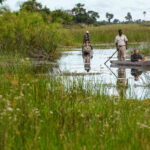
Mokoro at Dawn
November 5, 2026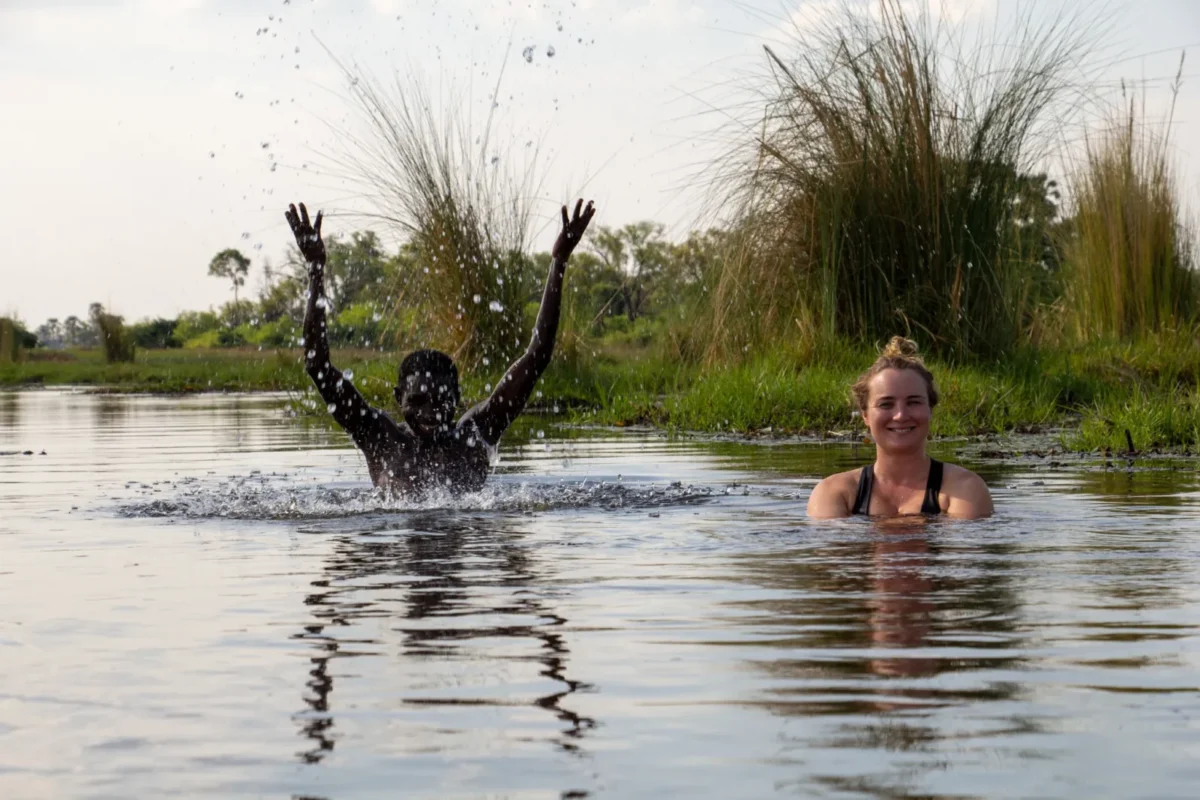
Swimming in the Okavango: Is It Safe? Our Guide Says Yes
Botswana’s Okavango Delta is one of Africa’s most extraordinary wetland destinations. Its channels, lagoons, islands, and seasonal floodplains create a landscape where water shapes nearly every aspect of the safari experience. Travellers exploring the region often wonder whether they can swim in its clear-looking waterways, particularly during hot afternoons when the surrounding wilderness appears peaceful.
The swimming Okavango Delta safe guide question requires a careful answer. Swimming may be possible in certain locations under specific, professionally assessed conditions, but the delta’s natural waterways are not generally safe places for independent swimming. Hippos, crocodiles, waterborne health risks, changing currents, and submerged hazards make unsupervised entry dangerous.
A responsible safari guide will never declare the entire Okavango Delta safe for swimming. Instead, guides evaluate individual locations, follow concession regulations, and recommend appropriate alternatives. Many safari camps offer swimming pools where travellers can cool down without entering wildlife habitats.
Understanding the Okavango Delta’s Waterways
The Okavango Delta lies in northern Botswana and receives floodwaters from rivers originating in the Angolan highlands. These waters spread across a broad inland system of channels, floodplains, lagoons, and islands. The resulting habitats support an extraordinary diversity of plants and animals.
Water levels change throughout the year as seasonal floods move through the system. Some channels remain permanent, while others become accessible only during particular periods. These changes influence boat travel, wildlife movement, and recreational activities.
The water may appear calm and inviting, especially where sunlight reveals sandy bottoms and aquatic vegetation. However, appearance does not establish safety. Dangerous wildlife and environmental hazards can exist even in apparently shallow or peaceful locations.
Can You Swim in the Okavango Delta?
Swimming in the Okavango Delta is not an activity that travellers should undertake independently. Certain safari operators may occasionally offer swimming or wading experiences in specifically assessed locations, subject to current conditions and local rules. Such opportunities are exceptions rather than a general recommendation.
A guide must consider wildlife presence, water depth, visibility, currents, and access to emergency assistance. Even professional assessment cannot eliminate every risk. Guests should never interpret a previous safe experience as proof that the same location remains safe.
Travellers seeking a relaxing swim should generally choose accommodation with a maintained swimming pool. This option provides a more controlled environment and avoids unnecessary interference with wildlife. Safety should take priority over the novelty of entering natural waterways.
Why Hippos Make Swimming Dangerous
Hippos occupy suitable channels, pools, and lagoons throughout the Okavango Delta. They use water for cooling and resting and may react defensively when people approach too closely. Their enormous size and powerful jaws create serious hazards.
A hippo may remain mostly submerged, making its presence difficult to recognise from the surface. Individuals can also move between waterways and nearby vegetation. A location that appears empty may still contain an animal.
Swimming near hippos is particularly dangerous because people cannot reliably predict their reactions or movements. Guides maintain appropriate distances during boat and mokoro excursions. Travellers should never enter water where hippos may be present.
Crocodiles in the Okavango Delta
Nile crocodiles inhabit the delta’s freshwater ecosystems and represent another major reason to avoid independent swimming. These powerful predators can remain concealed near banks or beneath the water’s surface. Their presence may not be obvious to inexperienced observers.
Crocodiles use aquatic habitats for hunting, resting, and movement. They can approach prey without producing obvious surface disturbance. Clear-looking water does not guarantee that crocodiles are absent.
Travellers should never rely on personal observation to determine whether a channel is crocodile-free. Professional guides consider known habitat use and current conditions, but the safest recreational option remains a properly managed swimming pool.
Why Clear Water Does Not Mean Safe Water
Some Okavango channels appear exceptionally clear because of local water conditions and vegetation. This clarity contributes to the delta’s beauty, but it can create a misleading impression of safety. Visibility alone cannot establish the absence of dangerous animals or other hazards.
Aquatic vegetation may conceal submerged branches, uneven ground, and sudden changes in depth. Water movement can also vary between channels. These conditions make unfamiliar locations difficult to assess.
Water quality presents additional concerns. Natural freshwater systems may contain microorganisms or parasites capable of causing illness. Travellers should avoid assuming that visually clean water is suitable for swimming or drinking.
Waterborne Health Risks
Natural freshwater environments can expose swimmers to infectious organisms. Depending on location and conditions, these may include bacteria, parasites, and other pathogens. The precise risk varies across waterways and seasons.
Schistosomiasis, also known as bilharzia, is a freshwater-associated parasitic infection present in parts of Africa. Its distribution is localised and depends on environmental and biological factors. Travellers should seek current destination-specific medical advice rather than assuming all water is equally risky.
Accidental swallowing of untreated water can also create health concerns. Swimming in a maintained pool with appropriate water treatment reduces many of these risks. Preventive planning helps travellers enjoy the destination more comfortably.
What Safari Guides Consider Before Water Activities
Professional guides assess environmental conditions before arranging any water-based activity. Their evaluation may include wildlife signs, known animal movements, water levels, weather, and access routes. They also follow the regulations of the concession or protected area.
Guides may cancel or change an activity when conditions become unsuitable. Such decisions reflect professional responsibility rather than poor service. Wildlife movement can alter safety conditions quickly.
Visitors should ask what an activity involves before participating. A mokoro excursion, motorboat safari, and swimming activity carry different risks. Understanding those differences helps travellers make informed decisions.
Are There Designated Swimming Areas?
The Okavango Delta does not function like a conventional beach destination with universally designated public swimming zones. Activities depend on individual concessions, camps, and local operating conditions. Travellers should not assume that a lagoon or channel is open for swimming.
Some accommodation providers may discuss specific natural-water experiences, but availability and safety requirements can change. Visitors should obtain direct confirmation from the operator and follow all restrictions. A casual suggestion from another traveller is not sufficient.
For most guests, a lodge swimming pool offers the most practical solution. Pools provide opportunities to cool down without entering habitats occupied by crocodiles or hippos. Many properties combine pool facilities with scenic wetland views.
Swimming Pools at Okavango Safari Camps
Several established safari camps offer swimming pools as part of their accommodation facilities. These may overlook floodplains, woodland, or other natural scenery. Guests can enjoy the atmosphere of the delta while remaining within the lodge environment.
Pool availability varies between properties, and some smaller camps do not provide one. Travellers who consider swimming essential should confirm facilities before booking. Seasonal closures or maintenance may also affect access.
Guests should follow property rules and supervise children carefully. Even a swimming pool requires ordinary water-safety precautions. The presence of nearby wildlife also means visitors should remain within designated guest areas.
Why Mokoro Safaris Are a Better Way to Experience the Water
A mokoro excursion allows travellers to explore shallow Okavango channels without entering the water. A trained poler guides the craft through suitable routes, providing opportunities to observe birds, aquatic plants, and surrounding scenery. The slow pace creates a peaceful experience.
Mokoro activities still involve natural-water hazards, so professional guiding remains essential. Operators assess wildlife activity and select appropriate channels. Passengers should remain seated and follow instructions.
The activity provides an intimate connection with the delta’s waterways while avoiding the unnecessary risks of recreational swimming. It also introduces visitors to local traditions and ecological knowledge. For many travellers, this becomes a safari highlight.
Motorboat Safaris in the Delta
Motorboat excursions allow travellers to explore deeper channels and lagoons where water levels permit. These activities can provide opportunities to observe waterbirds, hippos, crocodiles, and other wildlife from suitable distances. Guides select routes according to conditions.
Passengers should follow instructions about seating and movement. Life jackets and other safety equipment should meet the operator’s requirements. Travellers should never enter the water during an excursion unless the operator has explicitly authorised a properly assessed activity.
Motorboat safaris complement game drives and mokoro experiences. They reveal different aspects of the wetland ecosystem. Combining activities can provide a richer understanding of the Okavango.
Why Swimming Near Elephants Is Unsafe
Elephants sometimes cross channels or feed near floodplain margins. Their movements create memorable safari encounters, particularly when groups travel between islands. However, their presence does not make the water suitable for swimming.
Elephants are powerful animals that can respond defensively when disturbed. Entering water near them can interfere with movement and create dangerous situations. Calves and family groups require particular respect.
Guides maintain appropriate viewing distances during boat excursions. Visitors should never attempt to approach swimming or drinking elephants in the water. Observing from a suitable craft provides a safer and more responsible experience.
Seasonal Flooding and Water Safety
The Okavango’s annual flood cycle changes water depth, channel connectivity, and accessibility. Floodwaters often arrive during Botswana’s drier months because rainfall in the Angolan highlands takes time to travel downstream. This creates distinctive seasonal conditions.
Changing water levels can expose or conceal obstacles and alter currents. Areas that appear familiar may become different after flooding. Professional operators continuously reassess routes.
Seasonal changes also influence wildlife distribution. Hippos, crocodiles, and other animals respond to habitat availability. Travellers should never assume that conditions remain constant between visits.
Swimming During the Dry Season
The dry season often provides attractive weather for safari activities, but it does not make natural waterways automatically safe for swimming. Wildlife may concentrate around remaining water sources in some areas. These concentrations can increase the importance of avoiding close contact.
Air temperatures vary throughout the season. Early winter mornings may be cold, while later months can become very warm. Visitors may feel tempted to enter the water during hot afternoons.
A lodge pool provides a more suitable place to cool down. Travellers can still enjoy water-based wildlife activities through professionally guided excursions. The destination offers many ways to experience its wetlands without swimming.
Swimming During the Rainy Season
Botswana’s rainy season generally brings warmer conditions and greener landscapes. Local rainfall can influence surface water, vegetation, and wildlife movements. However, the delta’s flood cycle also depends on water arriving from upstream catchments.
Rainfall may reduce visibility or change the condition of channels. Storms can create additional hazards for water activities. Guides adjust excursions according to weather.
Travellers should avoid entering natural water simply because temperatures are high. The presence of crocodiles, hippos, and other risks remains relevant throughout the year. Responsible planning provides safer alternatives.
Is It Safe for Children to Swim in the Okavango?
Children should not swim independently in the delta’s natural waterways. Wildlife hazards, uncertain water conditions, and potential health risks make unsupervised swimming inappropriate. Families should use suitable lodge facilities instead.
Parents should confirm whether their accommodation offers a pool and whether the property has specific age restrictions. Some safari camps also impose minimum ages for water-based activities. These requirements reflect safety and operational considerations.
Children can still enjoy the Okavango through guided game drives, boat excursions, and other age-appropriate experiences. A family itinerary should balance adventure with comfort. Professional planning helps identify suitable properties.
What to Do If You Fall into the Water
An accidental fall from a boat or mokoro requires immediate attention from the professional guide. Travellers should follow the operator’s emergency instructions and avoid improvising responses. Panic can complicate an already dangerous situation.
Safety briefings should explain appropriate behaviour and equipment before departure. Passengers should understand how to remain stable in the craft. Operators should maintain suitable emergency procedures.
The best approach is prevention. Remaining seated, avoiding sudden movements, and respecting guide instructions reduce unnecessary risks. Travellers should choose reputable operators with appropriate safety practices.
Can You Wade Through Shallow Channels?
Shallow water is not necessarily safe for wading. Crocodiles, hippos, submerged hazards, and waterborne organisms can occur in places that appear accessible. Depth alone does not establish safety.
Certain professionally guided activities may involve limited water contact under specific conditions. Such experiences require local assessment and authorisation. Travellers should never attempt to recreate them independently.
Visitors should also avoid walking barefoot through unfamiliar wetlands. Sharp objects, unstable ground, and other hazards may be present. Appropriate footwear and professional supervision matter.
Responsible Tourism Around the Delta’s Waterways
The Okavango Delta supports important freshwater ecosystems that require careful protection. Wildlife depends on channels, lagoons, and floodplains for feeding, breeding, and movement. Recreational activities should avoid disturbing these processes.
Responsible operators manage boat routes, waste, and visitor behaviour according to local rules. They maintain appropriate distances from animals and avoid sensitive habitats. These practices contribute to conservation.
Travellers can support protection by choosing reputable camps and following guide instructions. Avoiding unnecessary swimming in wildlife habitats reduces disturbance and personal risk. Respect for the ecosystem improves the safari experience.
Best Alternatives to Swimming in the Okavango
Travellers can experience the delta’s water through mokoro excursions, motorboat safaris, scenic flights, and guided activities where available. Each provides a different perspective on the landscape. Wildlife observation remains central to the experience.
A lodge swimming pool offers a relaxing option during warmer hours. Guests can enjoy views of the surrounding wilderness without entering natural channels. Some properties also provide shaded terraces and wellness facilities.
Combining several activities creates a balanced itinerary. Visitors can explore wetlands during the morning and relax at camp in the afternoon. This approach offers comfort without compromising safety.
Choosing an Okavango Camp with Water Activities
Camp location influences the range of activities available. Some properties specialise in water-based excursions, while others focus on game drives. Seasonal water levels can change the programme.
Travellers should confirm whether mokoro, motorboat, and pool facilities are available during their intended travel dates. They should also ask about activity restrictions and safety procedures. Clear information prevents unrealistic expectations.
Accommodation quality involves more than luxury features. Experienced guides, responsible operations, and suitable facilities contribute to a rewarding stay. Southern Africa Tours can help identify properties that match individual interests.
Common Misconceptions About Okavango Swimming
One misconception is that clear water must be safe. In reality, dangerous animals and environmental hazards may remain concealed. Water clarity provides little reliable information about wildlife risk.
Another misconception is that a guide’s presence automatically makes swimming safe. Professional supervision improves decision-making but cannot eliminate every danger. A responsible guide may refuse a swimming request when conditions are unsuitable.
A third misconception is that swimming becomes safe during particular months. Seasonal conditions change, but wildlife remains present throughout the year. Travellers should rely on current local assessments rather than broad assumptions.
Plan Your Safari
Swimming in the Okavango Delta requires considerable caution because its waterways support hippos, crocodiles, and other natural hazards. Although some operators may permit carefully assessed water-contact experiences in exceptional circumstances, independent swimming is not recommended. A maintained lodge pool provides a more reliable option for relaxation.
Southern Africa Tours can arrange Botswana safaris that combine mokoro excursions, motorboat activities, game drives, and accommodation with suitable swimming facilities. Our itineraries prioritise professional guiding and responsible wildlife experiences. Contact Southern Africa Tours to plan an Okavango Delta safari that balances adventure, comfort, and safety.