Tracking Rhino on Foot in Zimbabwe
November 5, 2026
Bush Breakfast on Safari
November 5, 2026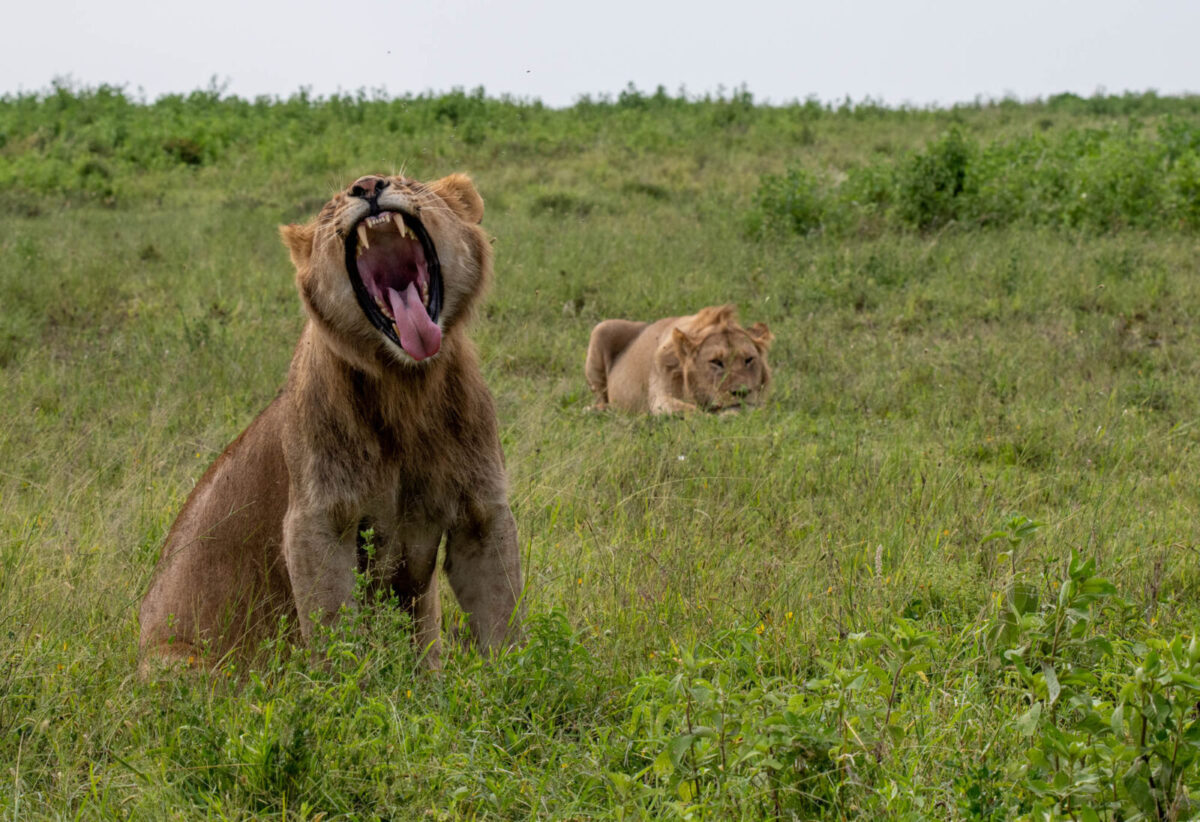
Waking Up to Lions Roaring Outside Your Tent: That Feeling
Few sounds capture the atmosphere of an African safari more powerfully than a lion roaring in the darkness. The deep calls can travel across open landscapes, interrupting the quiet of the night and reminding travellers that their accommodation sits within a living wilderness. Hearing lions from a safari tent creates a memorable combination of excitement, curiosity, and respect for the animals beyond the camp.
The lions roaring outside tent safari experience is especially distinctive because sound can make wildlife feel much closer than it actually is. A distant lion may appear to be nearby, particularly when the surrounding landscape remains quiet. Although the experience can feel dramatic, professional safari camps operate with safety procedures designed to manage wildlife activity around accommodation.
For many travellers, these nighttime sounds become some of the most enduring memories of an African journey. A safari does not end when the game drive returns to camp. The wilderness continues its natural rhythm after sunset, providing an atmosphere that conventional hotels rarely reproduce.
The Unique Atmosphere of Sleeping in the African Bush
Safari accommodation often places guests close to natural habitats where wildlife moves freely. Depending on the destination, travellers may stay in permanent lodges, luxury tented camps, or smaller seasonal properties. Each offers a different relationship with the surrounding environment.
Tented camps can create a particularly immersive atmosphere because canvas walls allow natural sounds to remain audible. Guests may hear insects, frogs, birds, or distant mammals throughout the night. These sounds contribute to the experience of staying in the wilderness.
However, tented accommodation does not necessarily mean sleeping without protection. Well-managed camps use appropriate structures, trained staff, and established safety procedures. The exact arrangements depend on the property and its location.
The First Lion Roar in the Darkness
Imagine settling into a safari tent after an evening game drive and dinner. The surrounding camp becomes quiet as guests return to their rooms. Suddenly, a deep roaring call breaks the stillness.
The sound may begin with several low notes before developing into a powerful sequence. Other lions may answer from different directions, creating the impression of a conversation across the landscape. The calls can continue intermittently before the night becomes quiet again.
The experience can feel extraordinary because the animals remain unseen. Travellers must rely on sound rather than photographs or direct observation. This uncertainty adds to the atmosphere.
Why Lions Roar at Night
Lions use roaring as part of their communication system. Their calls can help advertise presence, maintain contact, and communicate territorial information. Both male and female lions roar, although their vocal behaviour varies according to social circumstances.
Roaring often becomes noticeable during evening and nighttime hours, when lions may be active and environmental conditions allow sounds to travel. However, lions can vocalise during daylight as well. Their behaviour does not follow a rigid schedule.
A roar does not necessarily indicate aggression or an approaching attack. It may simply reflect communication between animals occupying the same landscape. Understanding this distinction helps travellers interpret the experience more accurately.
How Far Can a Lion’s Roar Travel?
Lion roars can travel several kilometres under favourable conditions. Distance depends on wind, terrain, vegetation, background noise, and atmospheric conditions. Open landscapes may allow sound to carry particularly well.
This explains why a lion can appear much closer than it actually is. A powerful call may reach a camp from an animal located well beyond the immediate surroundings. Sound alone rarely provides a reliable measure of distance.
Safari guides and camp staff may recognise general directions or familiar calling patterns, but they cannot always identify the exact location of a lion. Guests should avoid assuming that every loud roar comes from an animal beside their tent.
Why Lions Sound Different at Night
Nighttime conditions can change how people perceive sound. Reduced human activity and quieter surroundings make animal calls more noticeable. The absence of visual information can also increase attention to unfamiliar noises.
A lion’s roar contains low-frequency components that create a powerful impression. These sounds may seem to resonate through the surrounding landscape. The experience can feel especially intense when heard from inside a quiet tent.
Psychological expectations also influence perception. Travellers who know that lions occupy the area may become more alert to every sound. Understanding these effects helps explain the emotional intensity of nighttime wildlife encounters.
The Difference Between Roaring and Other Lion Sounds
Lions produce several vocalisations beyond their familiar roars. They may grunt, growl, snarl, and use softer contact calls during social interactions. Each sound can occur in different circumstances.
Roaring often serves communication across greater distances, while other vocalisations may accompany close social interactions. Growling and snarling can occur during feeding competition or defensive situations. Context remains important when interpreting sounds.
Guides can explain the differences during wildlife encounters. Learning to recognise vocalisations adds depth to safari experiences. However, visitors should not attempt to approach animals based on sounds.
Are Lions Really Outside the Tent?
Hearing lions does not establish their exact location. They may be several kilometres away or moving through a broader area near camp. Only trained staff with suitable information can assess local wildlife activity.
Some safari camps operate within unfenced wildlife areas where animals may occasionally move nearby. Others have boundaries or management arrangements that influence wildlife access. Guests should understand the specific conditions of their accommodation.
Regardless of the setting, visitors should remain inside their rooms at night unless staff provide instructions. Attempting to locate a roaring lion independently creates unnecessary danger. Professional camp procedures exist for good reasons.
Is It Safe to Sleep in a Tented Safari Camp?
Well-managed safari camps use safety practices suited to their environments. These may include trained personnel, designated walking routes, nighttime escorts, and clear guest instructions. Safety depends on following these procedures consistently.
Tented accommodation varies widely in construction and security features. Some properties use substantial permanent structures, while others operate more traditional canvas camps. Travellers should ask about arrangements before booking.
No wilderness accommodation can eliminate every natural risk. However, responsible operators assess wildlife activity and manage guest movement carefully. Visitors contribute to safety by respecting camp rules.
Why Guests Should Never Leave Their Tents Alone at Night
Wild animals may move through or near safari camps, particularly in unfenced areas. Darkness reduces visibility and makes unexpected encounters more difficult to manage. Guests should therefore avoid walking independently unless the property explicitly permits it.
Many camps provide staff escorts between accommodation and communal areas after dark. These escorts understand the layout and local safety procedures. Guests should use the available arrangements rather than assuming short distances are harmless.
If an unusual sound occurs near a tent, visitors should remain inside and contact staff through the designated communication method when necessary. Opening doors or stepping outside to investigate can create unnecessary risks. Calm compliance with camp instructions is essential.
What to Do When You Hear Lions Roaring
The appropriate response is usually to remain inside the accommodation and enjoy the sound from a safe position. Guests can listen without attempting to identify the animal’s exact location. The experience often becomes more enjoyable once they understand the meaning of the calls.
If the sound causes concern, travellers can contact camp staff using the provided system. Staff can explain local conditions and respond when necessary. Guests should follow their instructions rather than making independent decisions.
Recording the sound from inside a safe room may be possible, provided it does not involve disturbing wildlife. Visitors should avoid using lights or leaving the tent for a better recording. Safety always takes priority.
The Emotional Experience of Hearing Lions
Hearing lions at night can produce excitement, nervousness, or a sense of wonder. These reactions often reflect the unfamiliarity of sleeping near wild animals. The sound creates a direct connection with the surrounding ecosystem.
For some travellers, the experience becomes a highlight of the safari. Others may initially feel uncomfortable and gradually become more confident as they understand camp procedures. Individual responses differ.
The emotional impact often comes from recognising that the wilderness continues independently of human activities. Lions communicate, move, and hunt according to their natural behaviour. Visitors experience a small part of that world.
How Lion Prides Communicate After Dark
Lions live in social groups whose members maintain relationships through movement, scent marking, and vocal communication. Roaring can help individuals advertise their presence and maintain contact. These functions contribute to social organisation.
Male lions may roar during territorial activity, while females also vocalise in different social circumstances. Calls can occur when individuals are separated or responding to other lions. The meaning depends on context.
Hearing several lions answer one another can reveal that multiple animals occupy the wider area. However, sound alone does not reliably establish pride size or exact relationships. Guides may provide additional context based on local knowledge.
Why Some Camps Hear More Lions Than Others
Lion vocal activity depends on population distribution, habitat, social circumstances, and seasonal conditions. Camps located within suitable lion territories may experience calls more frequently. However, even productive wildlife areas can remain quiet for several nights.
The surrounding landscape also influences sound transmission. Open plains may allow calls to travel farther than dense woodland. Wind and background noise can affect what guests hear.
Travellers should avoid selecting accommodation solely on promises of nighttime roaring. Wild animals do not perform according to schedules. A camp’s overall wildlife setting and guiding quality provide more reliable reasons for choosing it.
Other Sounds You May Hear on Safari
African nights contain a remarkable variety of wildlife sounds. Spotted hyenas produce distinctive whoops and other vocalisations, while owls call from trees. Frogs and insects may create continuous background sounds near water.
Elephants can communicate through low-frequency vocalisations, although many calls remain difficult for humans to hear. Hippos produce loud sounds around rivers and pools. Different habitats create different nighttime soundscapes.
Learning to recognise these sounds makes the safari more engaging. Guides can explain which species commonly occur around camp. Guests may discover that some unfamiliar noises come from relatively small animals.
Sleeping in Botswana’s Wildlife Camps
Botswana offers immersive safari accommodation within landscapes such as the Okavango Delta, Moremi Game Reserve, and selected private concessions. Some camps operate in areas where wildlife moves freely. Guests may hear a variety of animals after dark.
The Okavango’s waterways and floodplains create distinctive soundscapes. Frogs, birds, hippos, and terrestrial mammals contribute to the nighttime atmosphere. Lion calls may occur where suitable populations occupy the area.
Camp design and safety arrangements vary between properties. Travellers should select reputable operators with experienced staff. The combination of comfortable accommodation and natural surroundings creates a memorable experience.
Sleeping in South Africa’s Private Reserves
South Africa’s Greater Kruger region contains numerous safari lodges and tented camps within productive wildlife habitats. Some properties operate in private reserves connected to the broader ecosystem. Lion populations contribute to the area’s wildlife appeal.
Guests may hear lions, hyenas, and other animals from their rooms, depending on location and conditions. Guided game drives provide opportunities to observe wildlife during permitted activity periods. The experience combines comfort with immersion in nature.
Accommodation options range from intimate camps to substantial luxury lodges. Travellers can choose according to budget, preferred atmosphere, and guiding style. Safety standards remain an essential consideration.
Sleeping in Zambia’s Safari Camps
Zambia’s South Luangwa National Park and surrounding safari areas are known for immersive bush experiences. Tented camps and lodges may sit near rivers or woodland habitats where wildlife remains active. Nighttime sounds contribute to the destination’s atmosphere.
South Luangwa supports lions, leopards, hyenas, elephants, and numerous other species. Their movements vary according to season and local conditions. Guests may hear animal calls without seeing the animals responsible.
Zambia also offers guided walking safaris in suitable areas, creating additional opportunities to learn about wildlife signs and behaviour. These activities require professional supervision. A carefully planned itinerary can combine several types of safari experiences.
Sleeping Near the Serengeti and Maasai Mara
Tanzania’s Serengeti and Kenya’s Maasai Mara provide opportunities to stay in tented camps within famous savannah ecosystems. Seasonal wildlife movements influence the atmosphere of different locations. Large herbivore populations support important predator communities.
Lions may communicate across open landscapes during evening and nighttime hours. However, calls depend on individual behaviour and cannot be guaranteed. Guests may also hear hyenas, antelope, and other wildlife.
Mobile and permanent camps offer different experiences. Travellers should consider location, comfort, and operating procedures. Reputable properties provide guidance about moving around camp safely.
Choosing the Right Safari Tent
Safari tents vary from simple canvas accommodation to spacious suites with private bathrooms and extensive amenities. The appropriate choice depends on comfort expectations and the desired level of immersion. Both permanent and seasonal camps can provide rewarding experiences.
Travellers who feel anxious about wildlife sounds may prefer accommodation with substantial walls or more enclosed structures. Others enjoy the atmosphere created by canvas tents. Discussing preferences before booking helps identify suitable properties.
Safety procedures matter more than decorative features. Guests should ask about nighttime escorts, emergency communication, and wildlife management. Clear information supports confident travel decisions.
How to Sleep Comfortably in the Bush
Preparing for nighttime conditions helps travellers enjoy their accommodation. Comfortable clothing, suitable bedding, and an understanding of camp procedures reduce unnecessary concerns. Most established lodges provide the essential amenities required for a restful stay.
Guests sensitive to unfamiliar sounds may benefit from discussing their concerns with staff. Understanding common wildlife calls can make them less intimidating. However, visitors should remain attentive to safety instructions.
A safari itinerary should also allow sufficient rest between activities. Early morning game drives can create demanding schedules. Comfortable accommodation contributes to the overall quality of the journey.
Wildlife Photography After Dark
Nighttime wildlife photography requires careful attention to park regulations and animal welfare. Some reserves permit guided night drives, while others prohibit vehicle activity after sunset. Guests should follow local rules.
Photographing animals near accommodation can create safety concerns. Visitors should never leave their tents or approach wildlife for photographs. Bright lights and flash can also disturb animals.
The sounds of lions may provide a memorable experience without any photograph. Recording a brief audio clip from a safe position can preserve the atmosphere when permitted. Responsible observation remains more important than obtaining images.
Why the Experience Stays With Travellers
The memory of lions roaring at night often lasts because it engages the senses differently from ordinary wildlife viewing. Guests may remember the darkness, the stillness, and the powerful calls more clearly than a particular photograph. The experience creates a strong sense of place.
It also changes perceptions of the wilderness. Animals remain active beyond the hours of scheduled game drives. Their behaviour continues whether people observe it or not.
For many travellers, this realisation becomes one of the most meaningful parts of an African safari. The experience encourages respect for natural ecosystems. It demonstrates that wildlife tourism offers more than daytime sightings.
Plan Your Safari
Waking up to lions roaring outside a safari tent can create an unforgettable connection with the African wilderness. The calls reveal the communication and social behaviour of one of Africa’s most iconic predators. Understanding camp safety procedures allows travellers to appreciate the experience with confidence.
Southern Africa Tours can arrange immersive tented safaris in Botswana, South Africa, Zambia, Tanzania, and Kenya. Our itineraries combine carefully selected accommodation, experienced guides, and responsible wildlife experiences. Contact Southern Africa Tours to plan a safari where the sounds of the African bush become part of your journey.