
Bush Breakfast on Safari
November 5, 2026
My First Leopard Sighting
November 5, 2026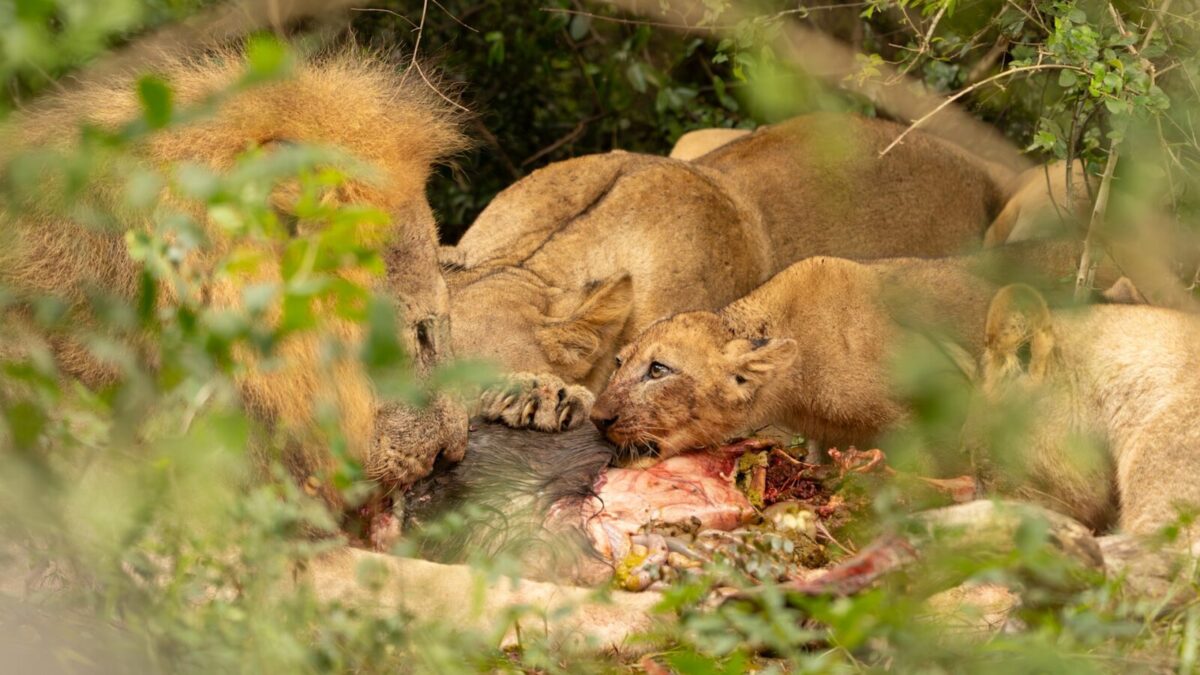
Watching a Kill on Safari: Emotional & Overwhelming
Watching a predator hunt and kill another animal can become one of the most emotionally intense experiences on an African safari. Wildlife documentaries often present hunting scenes as dramatic spectacles, but witnessing an actual encounter from a safari vehicle can feel very different. The sounds, movements, uncertainty, and visible struggle between predator and prey create a powerful reminder that survival in the wilderness involves both opportunity and loss.
Understanding the watching kill safari Africa experience requires acknowledging that travellers may respond in different ways. Some feel fascinated by the behaviour and ecological relationships they observe, while others experience sadness, discomfort, or shock. These reactions can occur together, particularly when a predator captures a young or vulnerable animal.
A responsible safari guide helps visitors understand what they are witnessing without turning the encounter into entertainment at the expense of wildlife. Predation forms an essential part of natural ecosystems, but travellers do not have to enjoy every aspect of it. Respectful observation and realistic expectations allow visitors to approach these moments thoughtfully.
Understanding Predation on an African Safari
Predation occurs when one animal captures and consumes another as a source of food. It influences population dynamics, animal behaviour, and ecological relationships across African landscapes. Lions, leopards, cheetahs, hyenas, and African wild dogs use different hunting strategies to obtain prey.
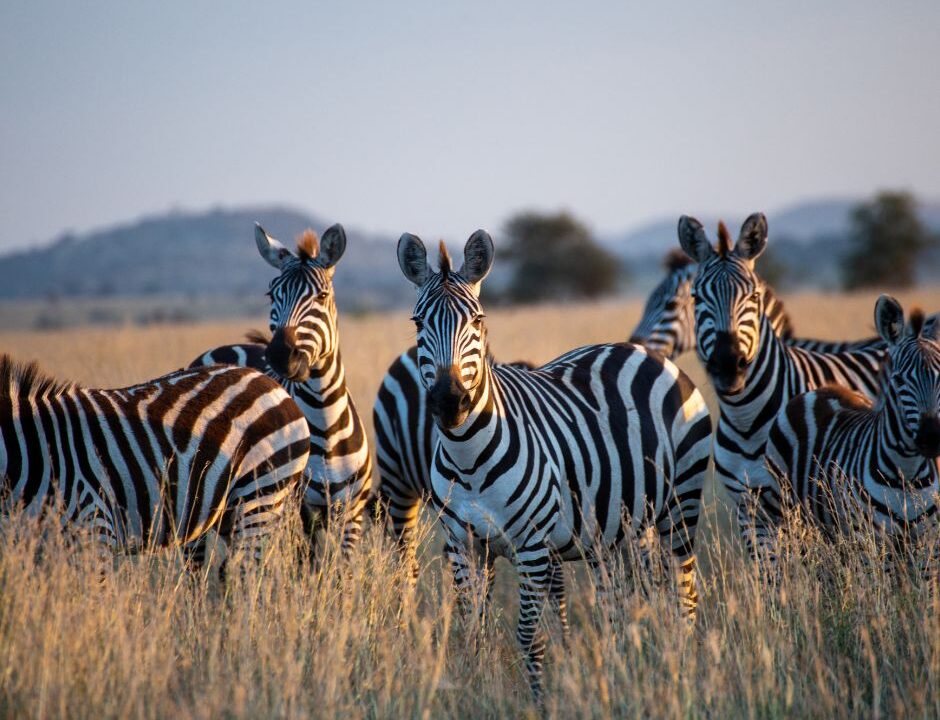
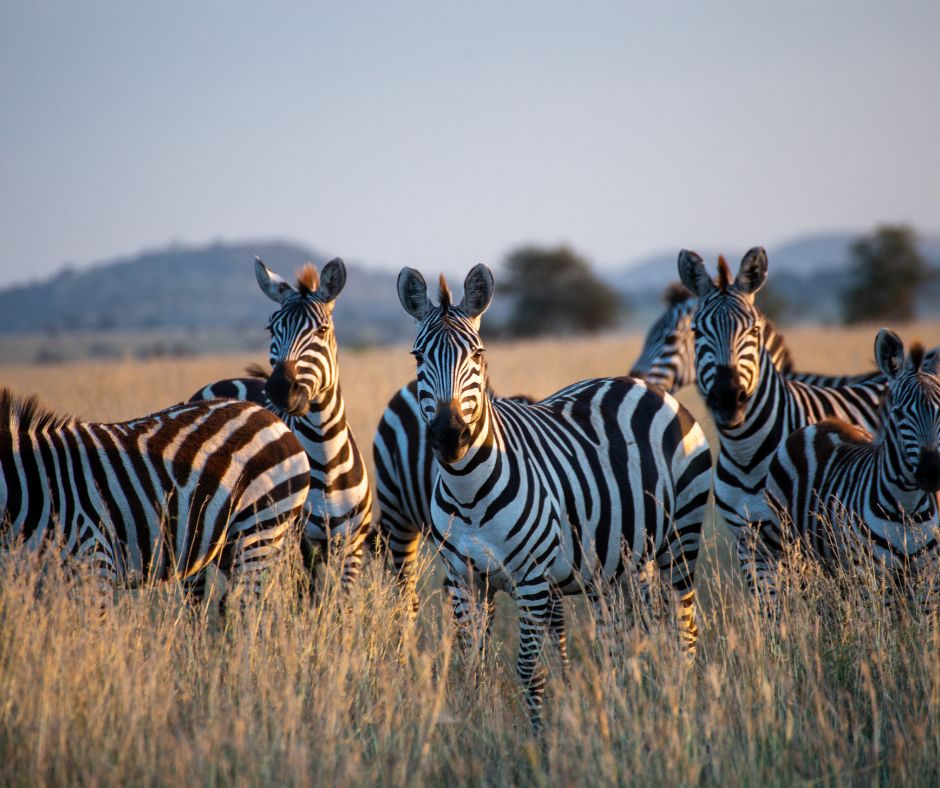
Large herbivores also possess adaptations that improve their chances of survival. Antelope rely on vigilance and speed, buffalo use strength and group defence, and zebras respond through rapid movement and powerful kicks. These characteristics contribute to the continuing interaction between predators and prey.
A safari encounter may reveal only a small part of this process. Visitors might observe the initial stalking, a brief chase, or a predator feeding after a successful hunt. Each stage offers different insights into wildlife behaviour.
Why Watching a Kill Feels Different From Television
Wildlife documentaries use editing, narration, and carefully selected footage to present predator-prey encounters. Viewers often understand the likely outcome before the sequence ends. A real safari encounter unfolds without those storytelling controls.
Travellers may watch animals moving quietly for an extended period before anything happens. The hunt can end unsuccessfully, or events may develop suddenly. This uncertainty creates an emotional intensity that recorded footage cannot fully reproduce.
The physical setting also changes the experience. Visitors hear natural sounds and observe the reactions of nearby animals. The encounter feels immediate because the wildlife exists independently of human expectations.
The First Signs of a Hunt
A hunting encounter may begin with subtle changes in predator behaviour. A lioness might lower her body into the grass, while a cheetah may focus intently on a distant antelope. These movements suggest attention and preparation, although they do not guarantee an attack.
Guides interpret body language, wind direction, vegetation, and prey movement. They may explain why a predator chooses a particular approach or waits for favourable conditions. This information helps travellers understand the situation.
The surrounding animals also provide clues. Antelope may raise their heads, gather together, or produce alarm calls. Their vigilance demonstrates the constant pressure that predators place on prey populations.
The Moment a Predator Begins the Chase
A hunt can change from quiet observation to rapid movement within seconds. Predators may accelerate towards prey that suddenly attempts to escape. The resulting chase demands attention because both animals respond quickly to changing conditions.
Different predators use different techniques. Cheetahs rely on rapid acceleration and agility, while lions often use short powerful attacks. African wild dogs may pursue prey through coordinated movement over longer distances.
The outcome remains uncertain until the encounter concludes. Many hunting attempts fail because prey escape or predators abandon pursuit. Understanding this uncertainty prevents travellers from assuming that every chase ends in a kill.
When the Predator Captures Its Prey
A successful capture can be difficult to witness because the prey animal may struggle. The predator acts according to its feeding requirements rather than human ideas about fairness. Its behaviour reflects adaptations that developed through evolutionary processes.
Travellers may experience sadness for the prey while recognising the predator’s need to survive. These feelings are not contradictory. Wildlife encounters often reveal the complexity of natural relationships.
Guides should avoid sensationalising the moment or encouraging unnecessary excitement. Calm explanations allow guests to process what they are seeing. Respect for both animals remains important.
Why Safari Guests React Emotionally
People develop emotional responses to animals through personal experiences, cultural influences, and empathy. Watching a vulnerable animal struggle can trigger strong feelings, particularly when the prey is young. Some travellers may find the encounter upsetting.
Other guests may focus on the predator’s physical abilities or the rarity of observing a successful hunt. They may feel excitement and sadness simultaneously. These responses reflect different ways of processing the same event.
There is no requirement to watch every stage of a hunt. Guests can look away or ask the guide to move on when circumstances permit. A thoughtful safari experience respects individual comfort levels.
The Role of the Safari Guide During a Kill
A professional guide helps guests interpret the encounter while maintaining appropriate distance. The guide may explain the predator’s hunting strategy, the prey’s defensive behaviour, and the ecological significance of predation. These explanations provide context without minimising the emotional impact.
Guides also manage vehicle positioning to avoid interfering with either animal. Blocking escape routes or pushing predators towards prey can alter natural behaviour. Responsible operators avoid such practices.
After the encounter, the guide may answer questions or allow guests time to reflect. This approach recognises that wildlife observation involves both education and emotion. Good guiding extends beyond identifying species.
Why Safari Vehicles Must Never Interfere
Interfering with a hunt can create serious consequences for wildlife. Driving between a predator and its prey may prevent an animal from obtaining food or disrupt a potential escape. Such interference can affect survival and natural behaviour.
Safari vehicles should remain on permitted routes and follow the regulations of the protected area. Guides must avoid surrounding animals or creating pressure through excessive vehicle movement. Ethical viewing requires restraint.
Travellers should never ask a guide to rescue prey from a natural predator or help the predator capture it. Both actions interfere with ecological processes. Human intervention is appropriate only under specific authorised wildlife-management circumstances.
Why Predators Need to Hunt
Carnivores depend on animal-derived nutrients to survive. Lions, leopards, cheetahs, and other predators must obtain sufficient food to maintain body condition and support reproduction. Their hunting behaviour forms part of their natural biology.
Successful hunts also support dependent young animals. Lionesses may provide food for cubs, while cheetah mothers must capture prey to nourish growing offspring. African wild dog packs cooperate in feeding pups and other members.
Understanding these requirements helps travellers view predation within a broader ecological context. The death of one animal can support the survival of several others. This relationship remains fundamental to wildlife ecosystems.
How Prey Animals Avoid Predators
Herbivores possess numerous adaptations that reduce predation risk. Impala use speed and agility, zebras rely on vigilance and powerful kicks, and buffalo may respond through collective defence. These abilities influence predator hunting strategies.
Many prey species also live in groups, allowing several individuals to monitor the surrounding environment. Alarm calls and sudden movements can alert companions to danger. Group living does not eliminate risk, but it can provide advantages.
The interaction between predator and prey adaptations helps explain why hunts frequently fail. Predators must overcome animals that have evolved effective defensive strategies. Every encounter reflects this continuing ecological relationship.
Watching Lions Hunt on Safari
Lions are among the predators most frequently associated with dramatic safari hunting scenes. They may hunt alone or cooperate with other pride members. Their strategies depend on prey species, terrain, and group composition.
Large herbivores such as wildebeest, zebra, and buffalo provide important food sources in many ecosystems. However, capturing these animals can be dangerous. Lions may suffer injuries during unsuccessful or successful attacks.
Safari travellers may observe stalking, chasing, feeding, or interactions between pride members. Each stage reveals different aspects of lion behaviour. Actual hunting success remains unpredictable.
Watching Cheetahs Hunt
Cheetahs possess remarkable acceleration and agility that support rapid pursuit hunting. They frequently target suitable antelope in open or lightly vegetated habitats. Their hunting strategy depends on approaching prey closely before accelerating.
A cheetah chase can unfold quickly, making it difficult for observers to follow every movement. The predator must balance speed with the ability to turn and respond to prey behaviour. Many attempts end without a capture.
After a successful hunt, cheetahs may rest briefly before feeding. Competition from larger predators can threaten their access to food. These challenges demonstrate that capturing prey represents only one part of survival.
Watching Leopards Hunt
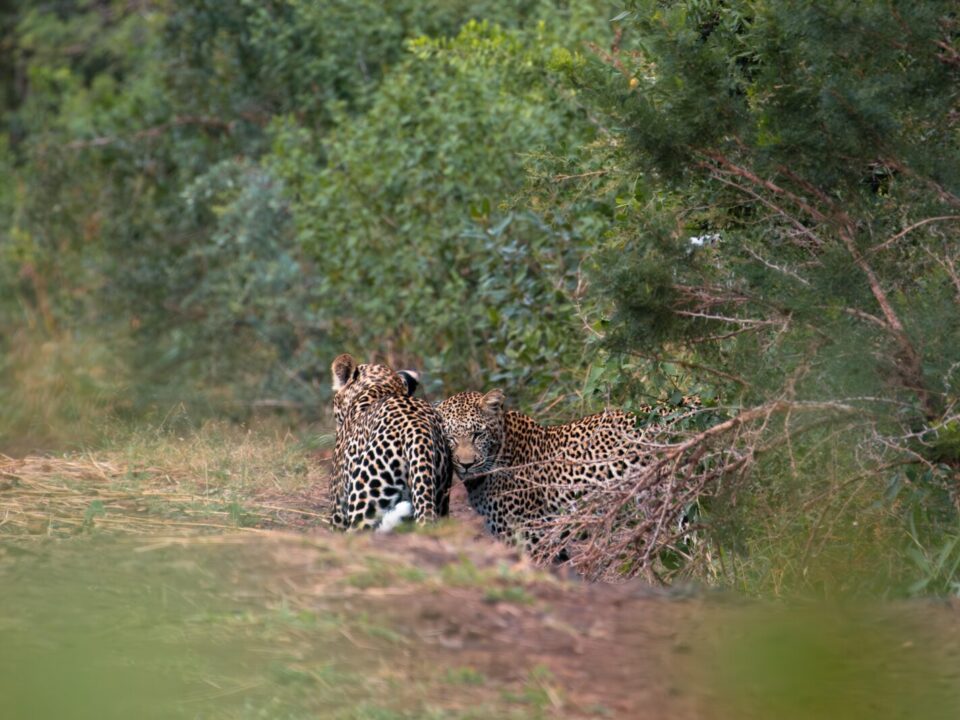
Leopards often rely on concealment and surprise when hunting. Their spotted coats help them blend into vegetation, allowing them to approach prey quietly. They may target antelope, smaller mammals, birds, and other available animals.
A leopard encounter can be particularly difficult to observe because much of the action occurs within dense cover. Visitors may hear alarm calls or see brief movements before the animal disappears. Sometimes the first visible evidence is a leopard carrying prey.
Leopards may transport carcasses into trees to reduce competition with other predators. This behaviour provides opportunities to observe their strength and climbing ability. Guides explain the ecological advantages without disturbing the animal.
African Wild Dogs and Cooperative Hunting
African wild dogs are highly social predators that often hunt through coordinated pursuit. Pack members communicate and respond to one another while moving across suitable habitats. Their cooperation contributes to hunting effectiveness.
Watching wild dogs hunt can feel especially intense because events may develop rapidly and involve several animals. Their feeding behaviour can also appear confronting to observers unfamiliar with natural predation. Guides should explain the behaviour calmly.
Wild dog packs depend on successful hunting to support adults and pups. Their conservation challenges make responsible viewing particularly important. Vehicles should never interfere with pursuit routes or denning areas.
Hyenas as Hunters and Scavengers
Spotted hyenas are effective hunters that also exploit available carcasses. Their strong jaws and endurance allow them to capture prey and consume substantial portions of animal remains. Their ecological role extends beyond the stereotype of scavenging.
Hyena hunts may involve individuals or coordinated groups, depending on prey and circumstances. Their interactions with lions and other predators can create competition over food. These encounters reveal complex relationships within carnivore communities.
Observing hyenas feeding may be emotionally challenging for some travellers. However, their behaviour contributes to nutrient cycling and ecosystem functioning. Understanding these roles encourages respect for an often misunderstood species.
What Happens After a Successful Kill?
After a predator captures prey, feeding behaviour varies according to species, group size, and competition. Lions may gather around a carcass, while a solitary leopard often feeds independently. Hyenas and scavenging birds may arrive later.
Competition can become intense when several carnivores attempt to access the same food source. Vocalisations, defensive displays, and physical confrontations may occur. These interactions demonstrate the value of animal remains within the ecosystem.
Scavengers eventually consume portions that predators leave behind. Insects and microorganisms contribute to further decomposition. The nutrients return to ecological processes that support vegetation and other organisms.
The Importance of Scavengers
Vultures, hyenas, jackals, and other scavengers exploit carcasses that become available through predation or natural mortality. Their feeding helps remove organic material and redistributes nutrients. Different species specialise in consuming different parts of a carcass.
Vultures can locate food across extensive landscapes, while terrestrial scavengers investigate carcasses through scent and observation. Their activities contribute to ecosystem functioning. Healthy scavenger populations provide important ecological services.
Several African vulture species face serious conservation threats. Poisoning, habitat changes, and other pressures affect their survival. Protecting scavengers remains an important part of wildlife conservation.
How Predation Influences Ecosystem Balance
Predators influence prey populations through hunting and behavioural pressure. Their presence can affect where herbivores feed, rest, and move. These relationships contribute to the structure of African ecosystems.
However, ecosystem balance involves many factors beyond predation. Rainfall, disease, vegetation, competition, and human activities also influence wildlife populations. No single predator controls an entire ecosystem.
Conservation management therefore considers relationships between multiple species and habitats. Protecting healthy predator communities supports biodiversity. Responsible tourism can help communicate these ecological connections.
Should Children Watch a Kill on Safari?
Families should consider children’s ages, personalities, and previous exposure to wildlife experiences. Some children may find predator-prey encounters educational, while others may feel frightened or distressed. Parents and guides should respond to individual needs.
Before a safari, adults can explain that wild predators must hunt to survive. Age-appropriate discussions help children understand the natural context. However, preparation does not guarantee that every encounter will feel comfortable.
If a child becomes upset, the family can ask the guide to move away when it is safe and appropriate. Respecting emotional boundaries helps maintain a positive safari experience. Wildlife education should encourage curiosity rather than distress.
Photographing a Hunt Responsibly
Predator-prey encounters can produce dramatic photographs, but ethical considerations remain essential. Photographers should avoid asking guides to move vehicles into positions that interfere with animal behaviour. Natural events must take priority over images.
A telephoto lens allows observers to maintain distance while recording details. Continuous shooting may help capture rapid movement, but photographers should also take time to observe without a camera. The experience extends beyond the resulting photographs.
Visitors should consider how they share graphic wildlife images publicly. Contextual explanations can help audiences understand natural predation. Sensational captions may misrepresent animal behaviour.
Best Places to Observe Predator Behaviour
Tanzania’s Serengeti National Park and Kenya’s Maasai Mara National Reserve provide opportunities to observe predators within productive savannah ecosystems. Seasonal herbivore movements influence hunting opportunities. However, successful kills cannot be guaranteed.
South Africa’s Greater Kruger region supports lions, leopards, hyenas, and other carnivores. Botswana’s Okavango Delta offers diverse predator habitats, while Zambia’s South Luangwa National Park provides rewarding wildlife observation. Each destination presents different conditions.
Travellers interested in predator behaviour may benefit from spending several nights in one area. Repeated game drives improve opportunities to observe natural interactions. Experienced guides provide valuable interpretation.
Processing an Emotional Wildlife Encounter
After witnessing a kill, travellers may need time to reflect. Discussing the experience with a guide can help explain unfamiliar behaviour and ecological relationships. Some visitors may prefer quiet reflection instead.
Recognising the predator’s need for food does not require suppressing empathy for the prey. Both perspectives can coexist. Wildlife observation often challenges simplified ideas about nature.
The experience may deepen appreciation for conservation and the complexity of survival. Travellers begin recognising that every animal faces different pressures. This understanding can become one of the most lasting outcomes of a safari.
Plan Your Safari
Watching a kill on safari can be fascinating, emotional, and overwhelming. The encounter reveals the realities of predator survival and the relationships that sustain African ecosystems. Responsible observation allows travellers to learn from these moments without interfering with wildlife.
Southern Africa Tours can arrange predator-focused safaris in South Africa, Botswana, Zambia, Tanzania, and Kenya. Our itineraries combine experienced guides, carefully selected accommodation, and ethical wildlife-viewing practices. Contact Southern Africa Tours to plan a safari that explores Africa’s remarkable predator-prey relationships with respect and understanding.